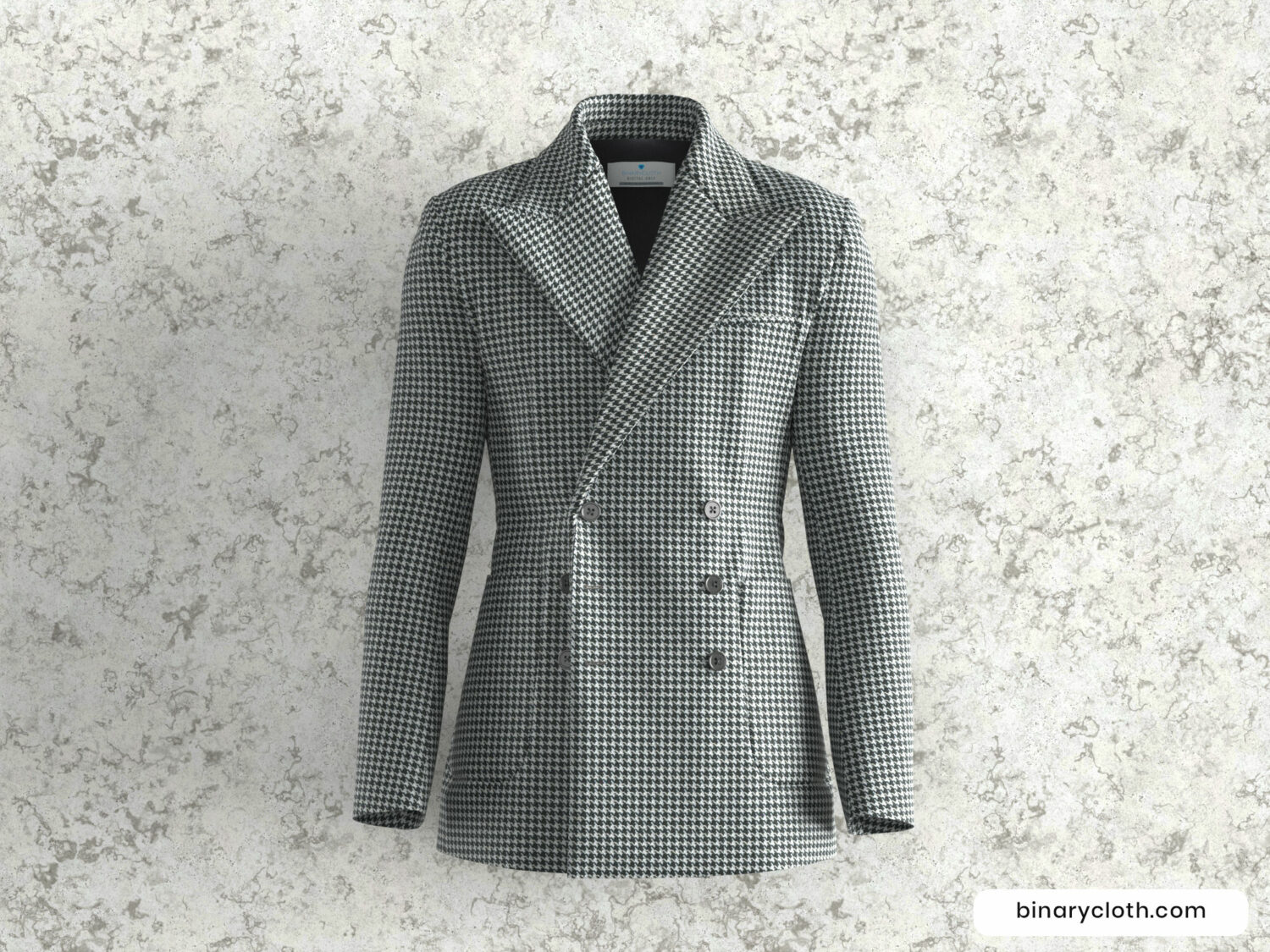
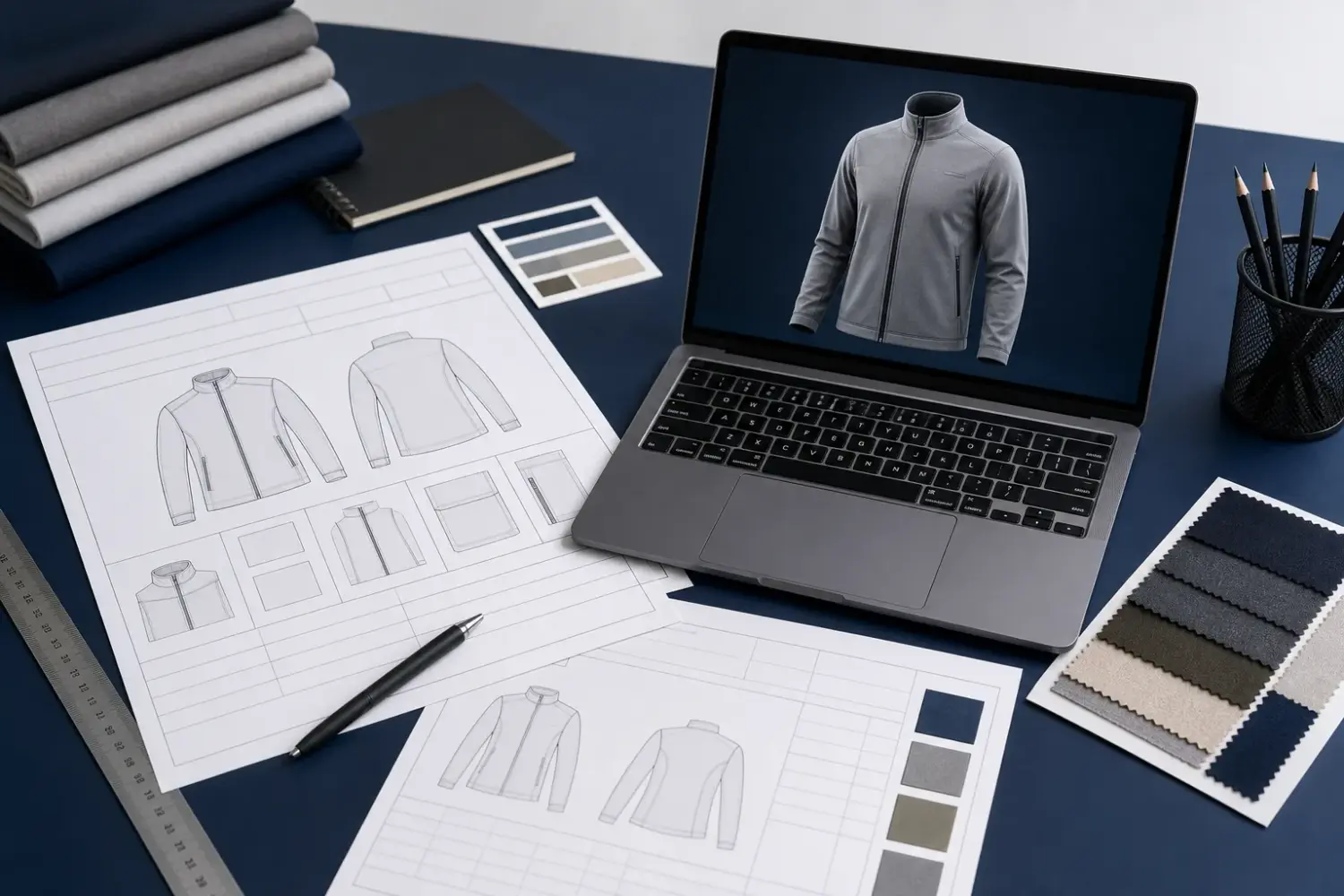
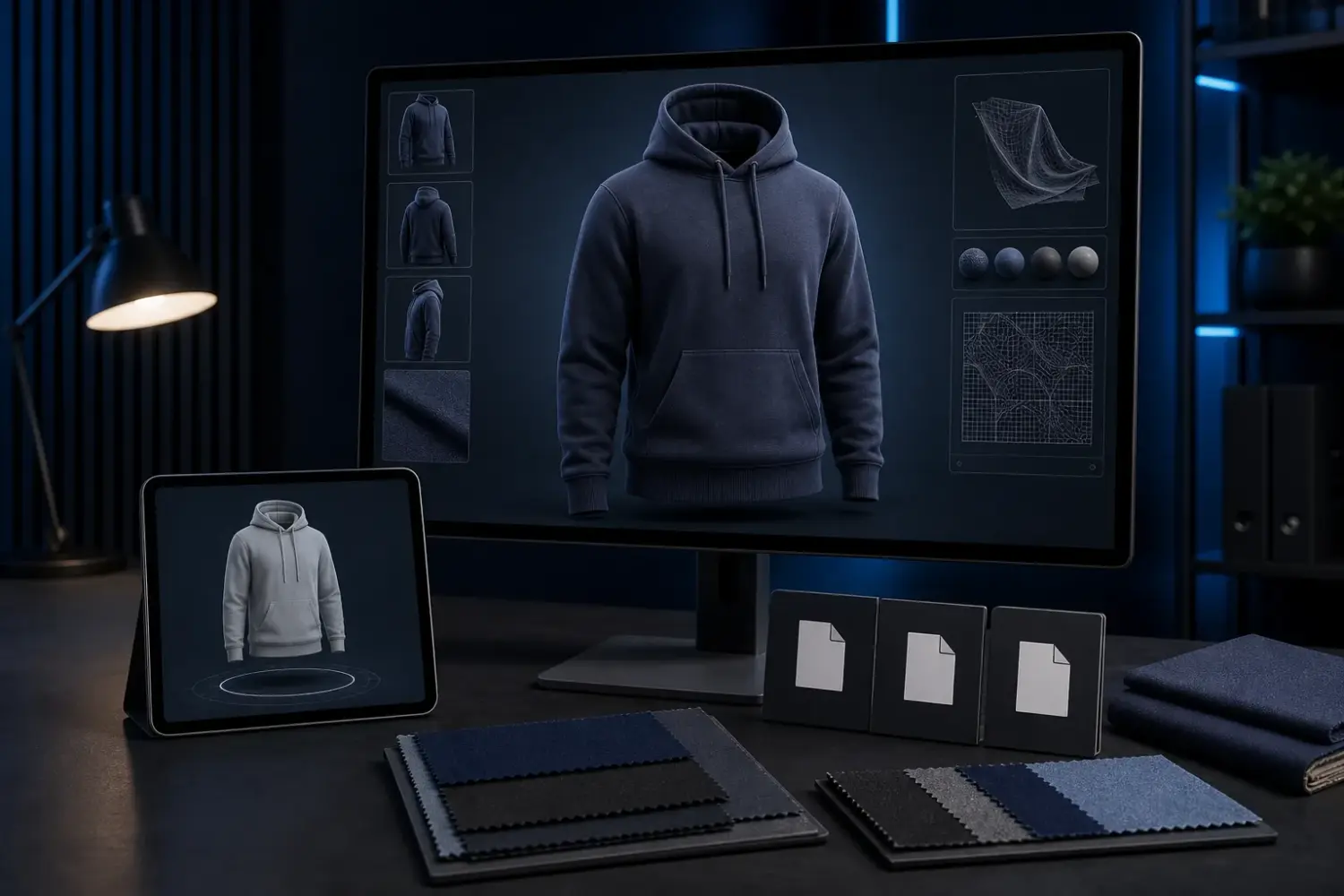
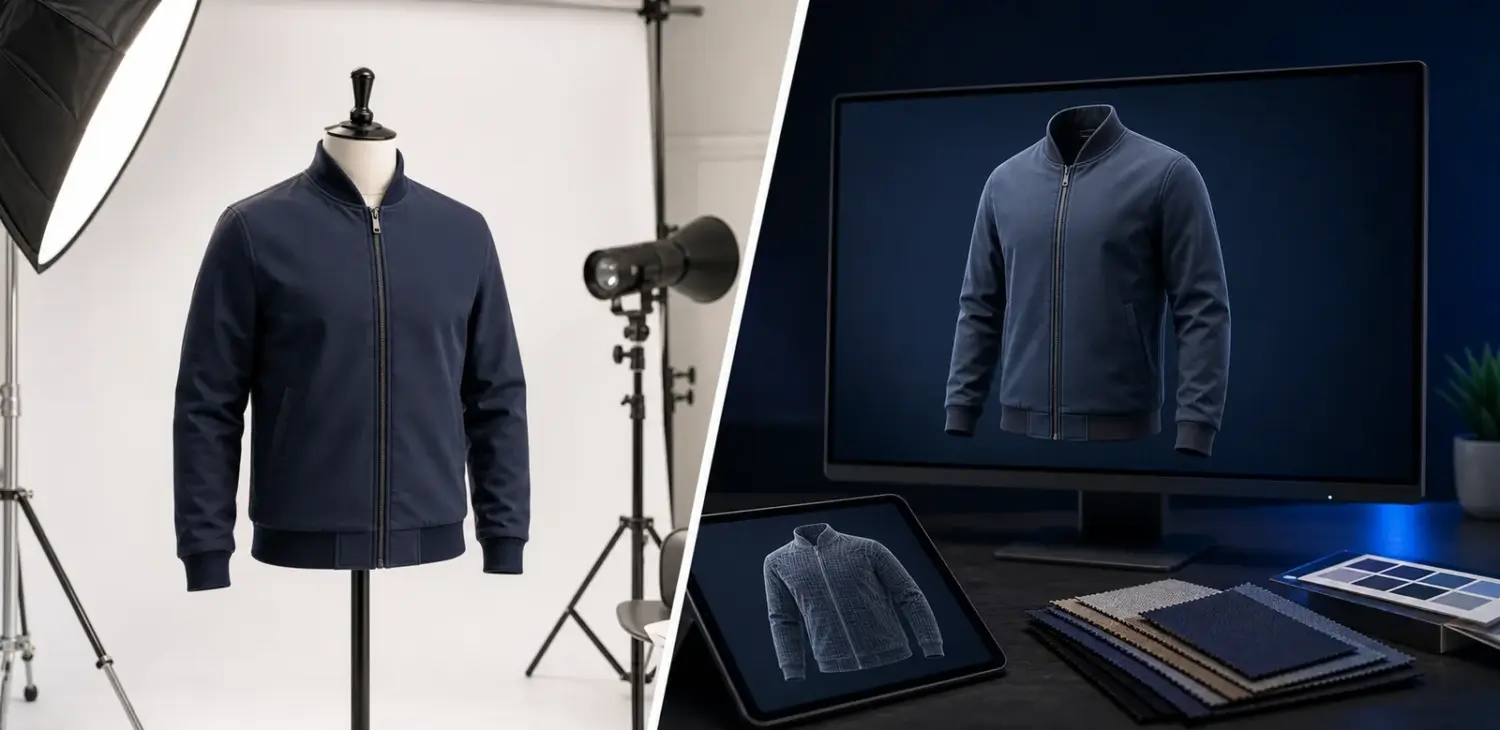
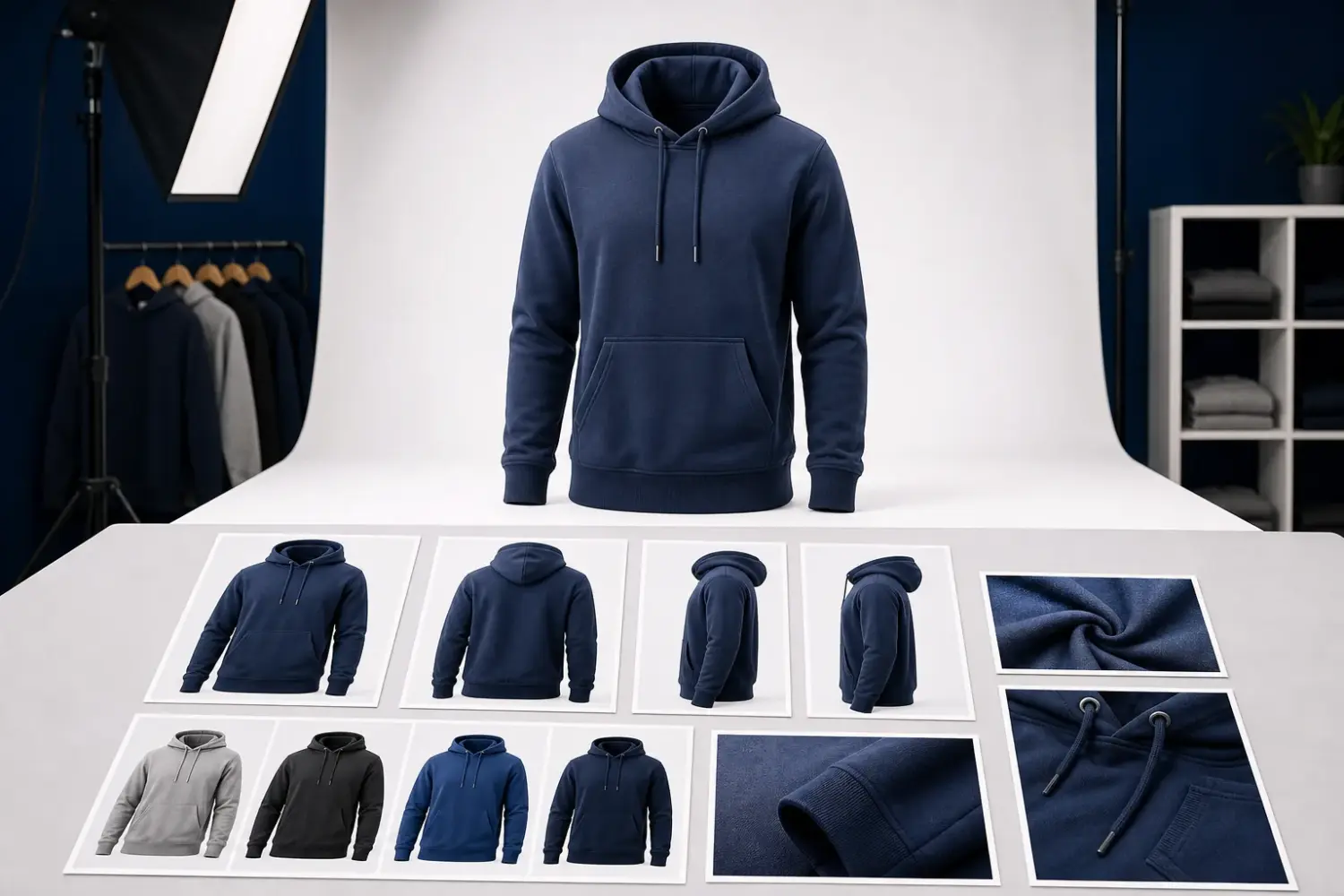
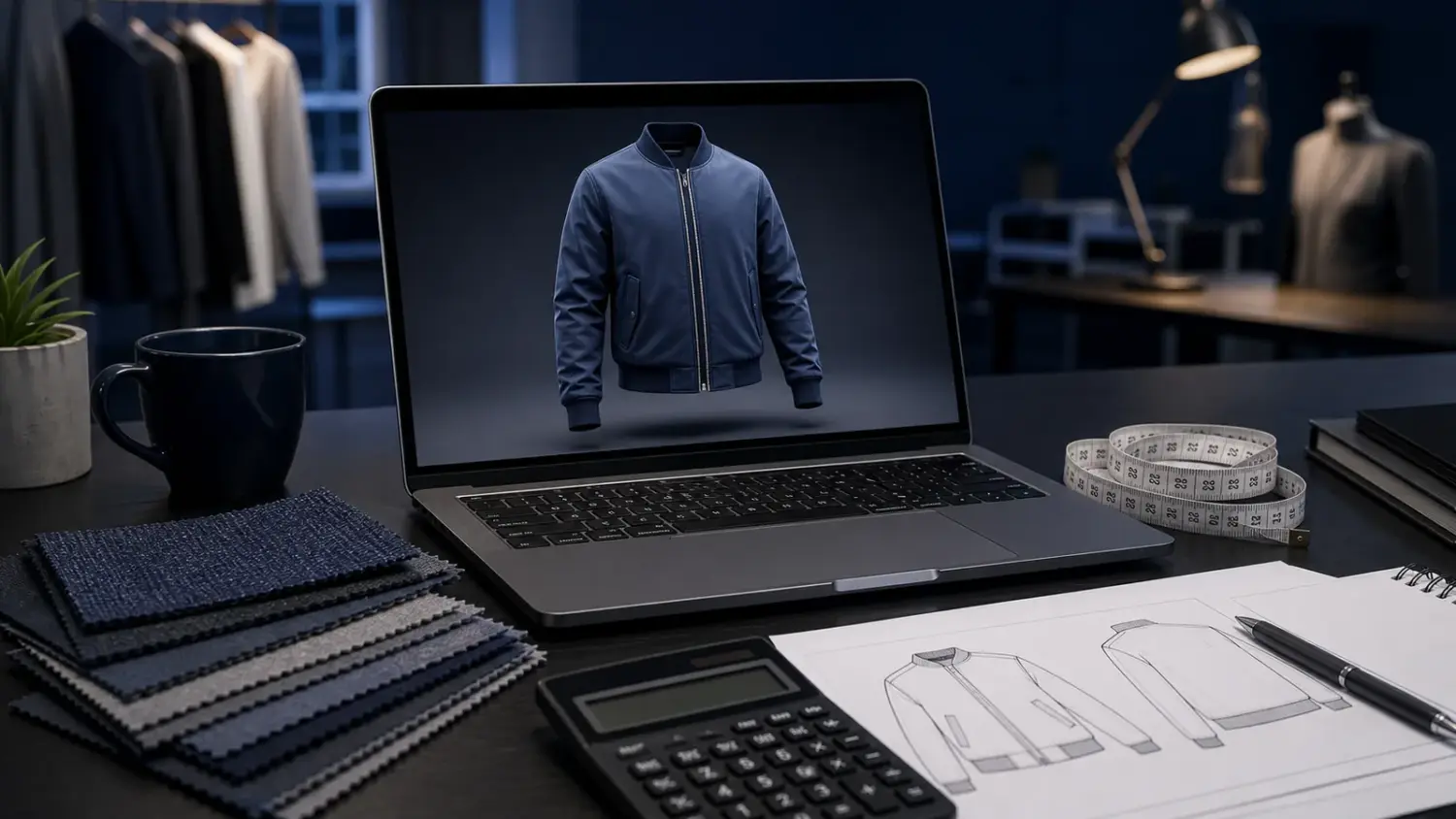
3D fashion design is the process of designing and developing garments entirely on a computer using software such as CLO3D or Browzwear. Instead of sewing physical samples, designers build digital patterns, apply digitized fabrics and simulate how the finished garment fits, drapes and moves — producing a photorealistic virtual sample before anything is manufactured.
For apparel brands, that one change removes most of the slowest, most expensive steps in product development: sample rooms, courier shipping, photoshoots and guesswork. This guide explains how 3D fashion design works, what it costs, how it differs from traditional 2D design, and how brands use it in production today.
How does 3D fashion design work?
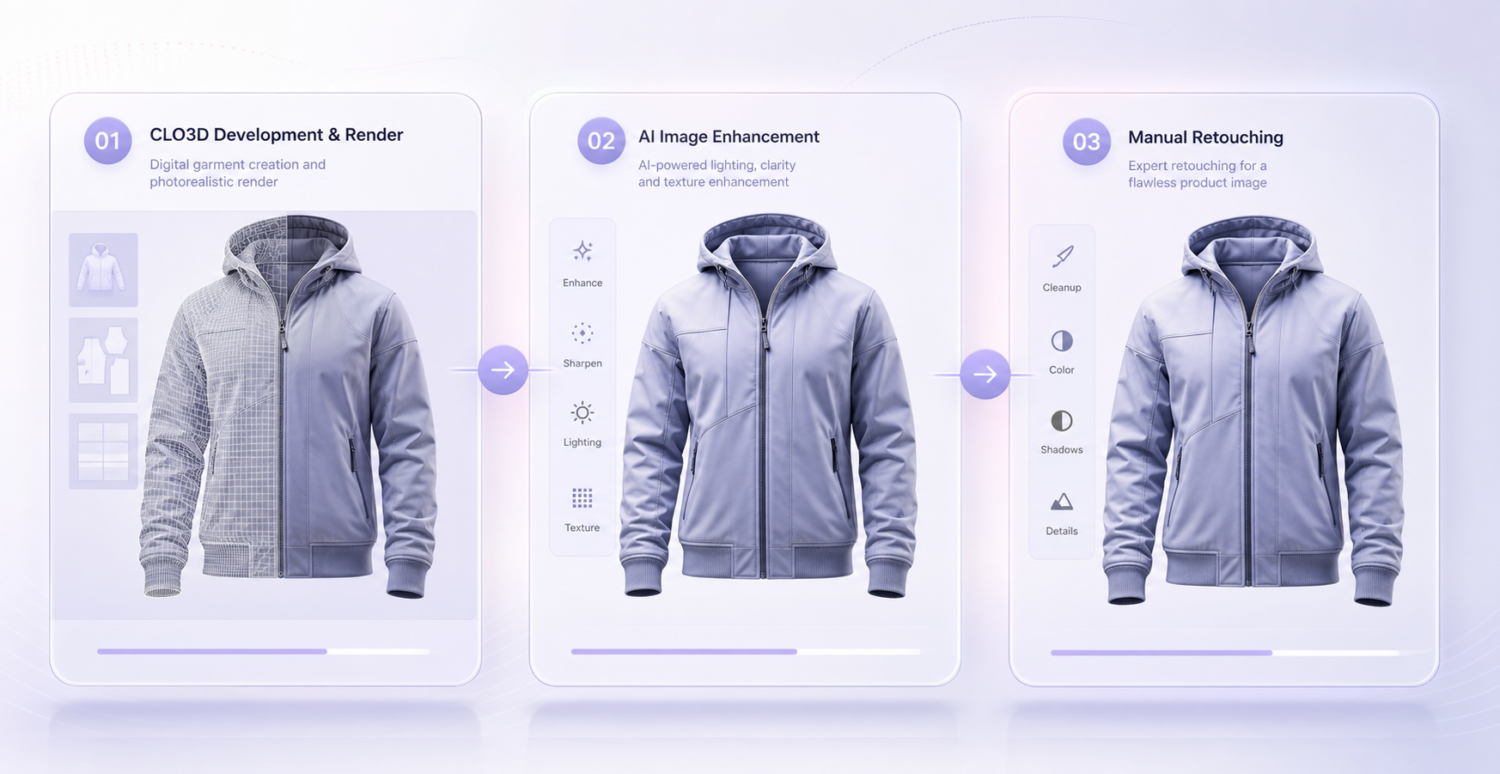
A 3D garment goes through five stages, mirroring physical development but without the physical sample:
- Pattern creation. The 2D pattern is drafted or imported (DXF from Gerber, Lectra, Optitex) into 3D software like CLO3D, exactly as a pattern maker would cut it.
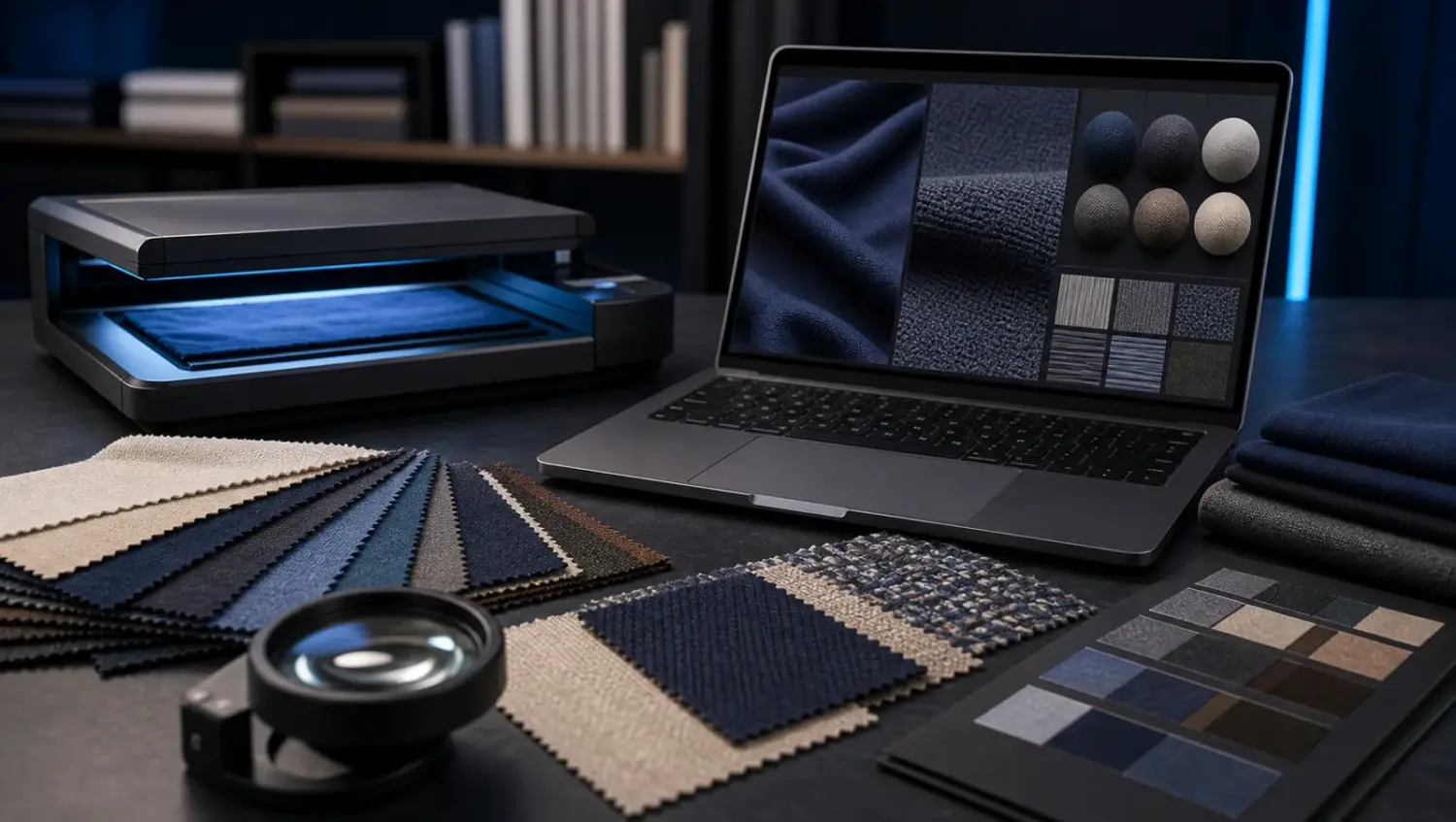
- Fabric digitalization. The real fabric is scanned and converted into a digital material that carries its true weight, stretch and texture — see our fabric digitalization service for how physical swatches become CLO3D-ready PBR materials.
- Virtual sewing and simulation. Pattern pieces are stitched digitally onto a sized avatar, and the software physically simulates drape, tension and fit.
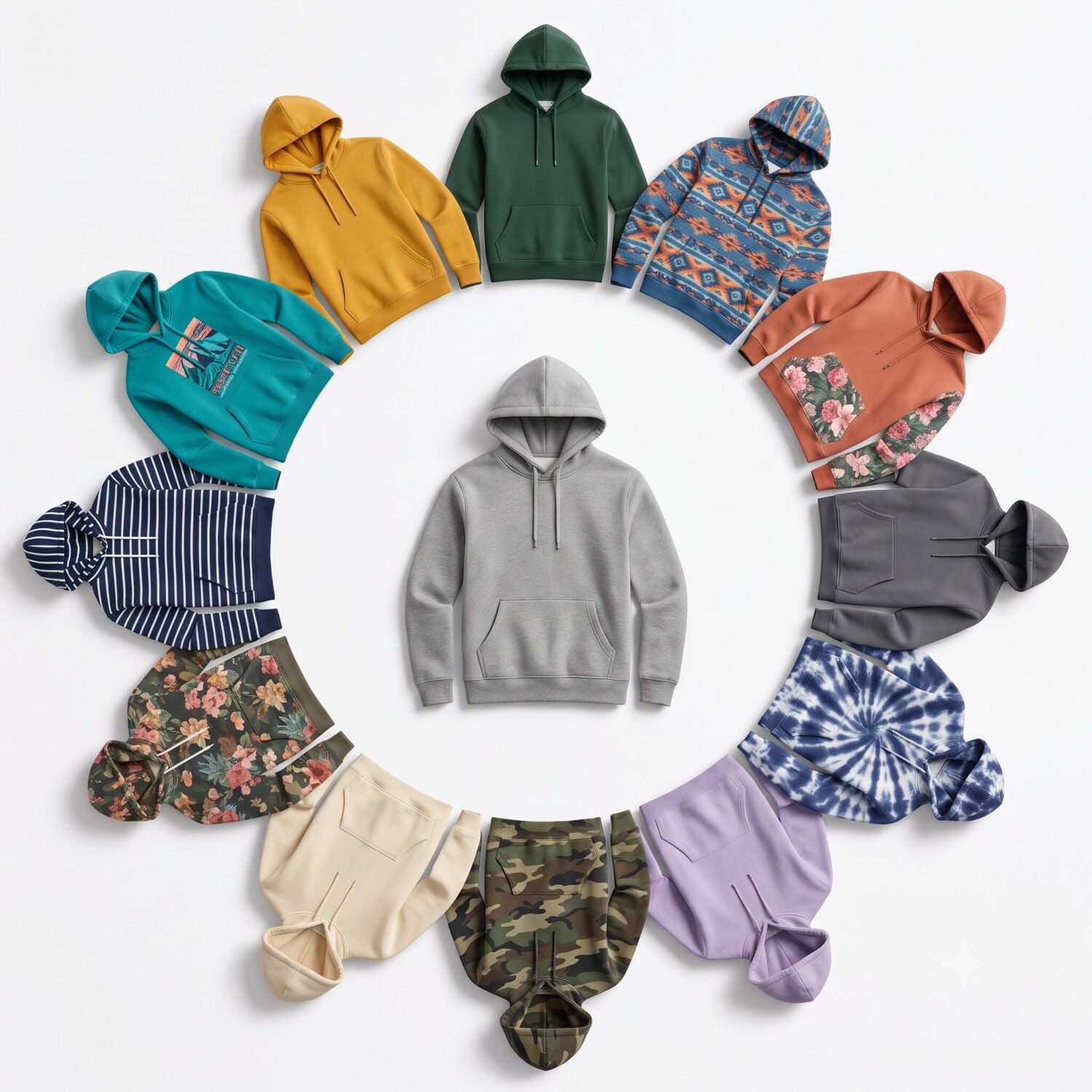
- Detailing. Trims, stitching, prints, embroidery, buttons, zippers and colourways are applied — one 3D garment can output unlimited colour and print variants.
- Output. The finished model becomes whatever the brand needs: a virtual sample for approval, ecommerce product renders, a factory tech pack, or a web-ready 3D/AR asset.
2D vs 3D fashion design: what is the difference?
Traditional 2D design communicates an idea; 3D design proves it. A flat sketch or Illustrator CAD cannot show how a fabric will actually behave on a body — a 3D simulation can.
|
2D design (sketch/CAD) |
3D fashion design |
| Shows fit & drape |
No — requires a physical sample |
Yes — simulated on an avatar |
| Sample turnaround |
30–35 days per physical round |
24–48 hours per digital sample |
| Colourways |
Redrawn or re-sampled each time |
Unlimited from one 3D model |
| Ecommerce imagery |
Needs photoshoot |
Rendered from the same file |
| Waste |
Multiple shipped samples |
Zero fabric until production |
How do fashion brands use 3D design?
3D fashion design is not one deliverable — the same digital garment feeds six different jobs:
- Virtual sampling. Approve fit, style and colour digitally and cut sample rounds from weeks to days with CLO3D apparel design.
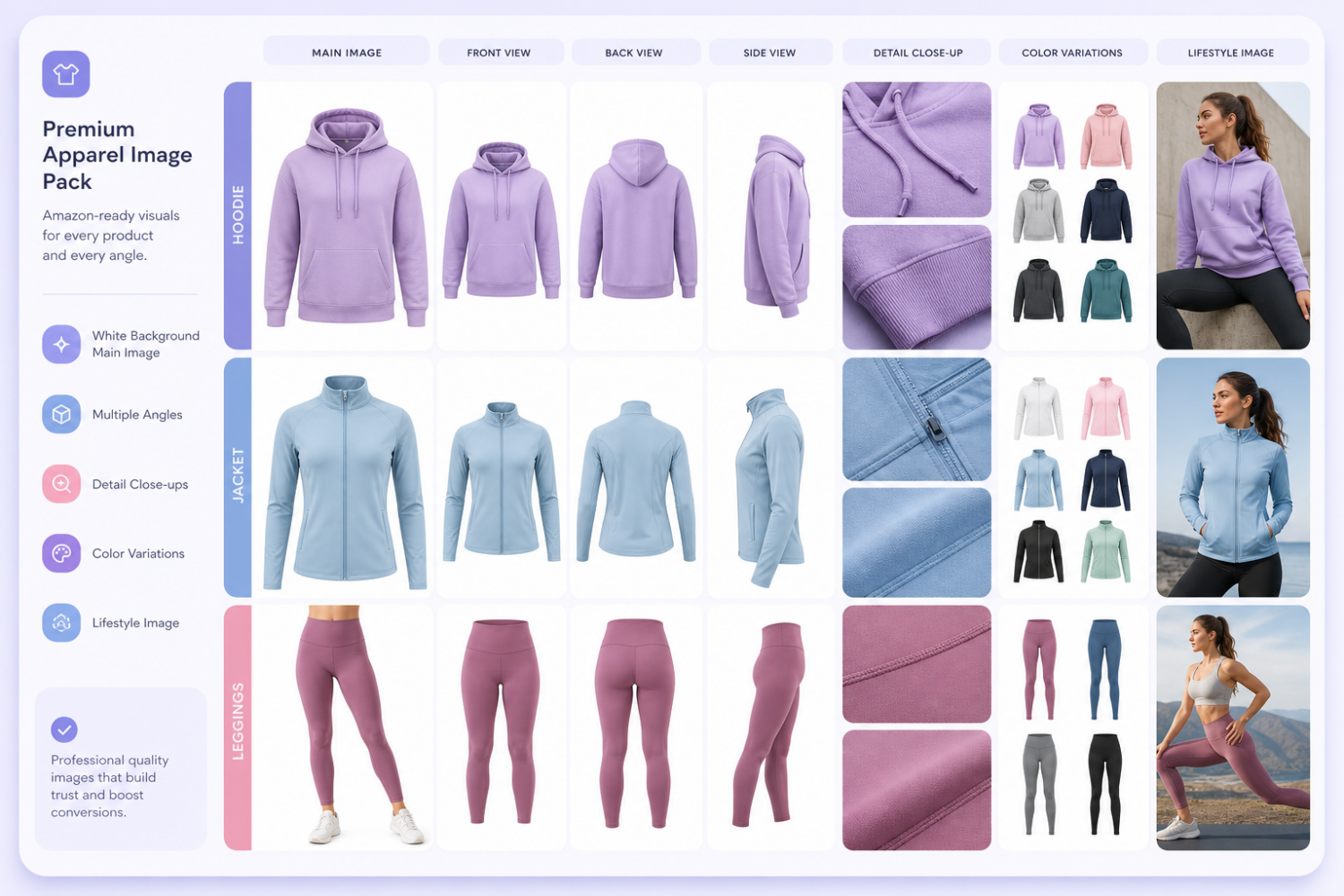
- Ecommerce product imagery. Photorealistic, catalog-ready renders for Amazon and Shopify listings — no photoshoot, no shipped sample.
- Tech packs. Specs, BOMs and measurements generated from the same 3D file, so factories build exactly what was approved.
- Product configurators. Interactive viewers where shoppers change colours and materials live, powered by configurator-ready 3D content.
- AR and virtual try-on. GLB/USDZ models for AR product viewers on product pages.
- Digital fabric libraries. A scanned material library the whole team reuses across seasons.
At Binarycloth we have produced over 3,000 digital samples with more than 4,000 colourways for apparel brands, ecommerce sellers and manufacturers — you can browse real examples in our digital product library.
What does 3D fashion design cost?
Compared with physical sampling (fabric, sewing, courier fees and 4–5 weeks of waiting per round), digital development is priced per asset:
- Custom 3D garment / digital sample — from $39 per garment
- Fabric digitalization — from $15 per material
- Tech pack with 3D — from $149 per item
- Ecommerce render set — from $149 per item
- Interactive configurator content — from $1,500
Full details are on our pricing page, and our CLO3D cost guide breaks down what drives price per garment.
Why brands are switching: speed, cost and sustainability
Three numbers explain the shift. A physical sample takes 30–35 days including shipping; a digital sample takes 24–48 hours. A sampling round that once required cut fabric, sewing time and international couriers becomes a file transfer. And because nothing is manufactured until the design is approved, brands stop generating sample waste entirely — every rejected idea dies on screen, not in a landfill.
Speed compounds too: once a garment exists in 3D, every colourway, print variant, product photo and AR asset comes from that same file with no new sample and no new photoshoot.
Should you learn 3D software or hire a studio?
Professional tools like CLO3D are powerful but specialised — pattern-making knowledge, fabric physics and rendering are their own disciplines (our 3D fashion design software comparison covers the options). Brands that design in-house full-time often justify a seat and the learning curve. Brands that need a handful of styles per season are usually better served outsourcing to a studio: no software licence, no training time, and production-ready files from the first garment.
Frequently asked questions
Is 3D fashion design accurate enough for production?
Yes. With properly digitized fabric, modern simulation reproduces drape, fit and construction details accurately enough that factories work directly from the 3D file and its tech pack.
What software is used for 3D fashion design?
CLO3D and Browzwear VStitcher lead apparel-specific design; Marvelous Designer is popular for digital fashion and games. Binarycloth works primarily in CLO3D.
How much does a 3D garment cost?
Professionally built 3D garments start from $39 per style, scaling with complexity, colourways and detailing.
How long does a digital sample take?
Typically 24–48 hours from brief to reviewable virtual sample — versus 30–35 days for a shipped physical sample.
Do I need to send a physical sample to get started?
No. A sketch, tech pack, flat drawing or even a clear reference photo is enough to develop an accurate 3D garment.
Turn your next design into a digital sample
If you want to see your own garment in 3D before committing to production, send us a sketch or tech pack — we will return a photorealistic digital sample, usually within 48 hours. Request a quote or read our FAQ.