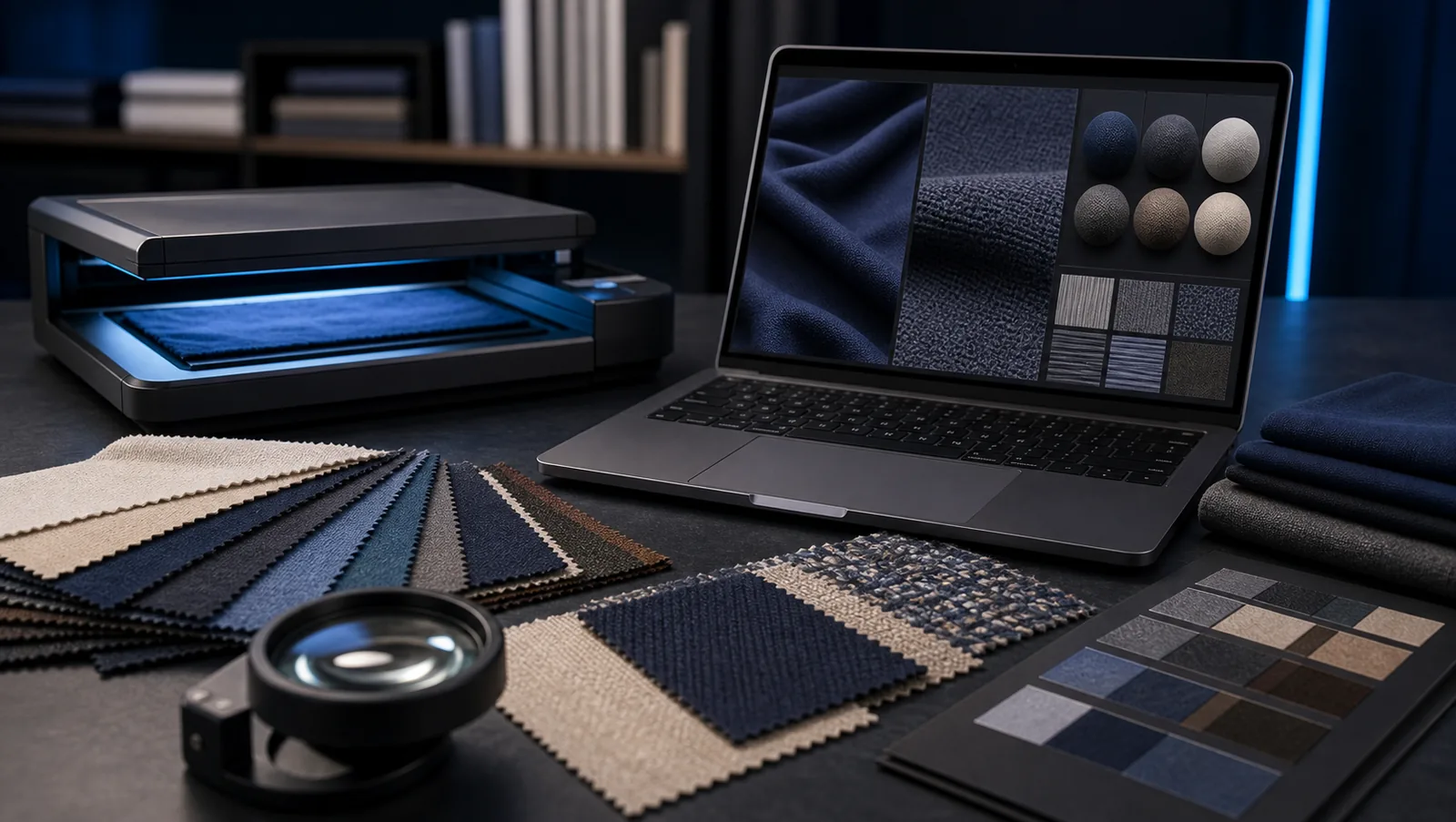
Fabric digitalization turns physical textile surfaces into digital materials that can be used in 3D apparel design, virtual sampling, ecommerce renders and product configurators. For fashion brands, accurate fabric data can make the difference between a flat-looking render and a believable digital garment.
What is fabric digitalization?
Fabric digitalization is the process of capturing a textile surface and converting it into a usable digital material. The result may include color, texture, normal, roughness, displacement and other maps used by 3D design or rendering software.
Why digital fabric quality matters
In apparel, fabric is not just color. It includes weave, texture, thickness, shine, transparency, stretch, drape and surface irregularity. If the digital material is inaccurate, the garment may look unrealistic even when the pattern and silhouette are correct.
Common fabric maps
- Base color: the visible color or print pattern.
- Normal map: creates surface detail without heavy geometry.
- Roughness map: controls how matte or shiny the material appears.
- Displacement or height map: adds more physical depth where needed.
- Opacity map: helps with lace, mesh and transparent fabrics.
Flatbed scan vs specialized scanning
Flatbed scanning can work for many basic textiles and prints. Specialized scanning is better for complex materials, glossy surfaces, raised textures, mesh, transparent fabrics or fabrics where reflectance and surface behavior matter more.
How brands use digital fabric
- Create more realistic CLO3D garments
- Preview colorways and prints before sampling
- Build digital material libraries for future collections
- Support ecommerce render consistency
- Prepare materials for configurators and 3D product experiences
What to send for fabric digitalization
Send a clean fabric swatch, material name, composition if available, required scale, color reference and the intended use. If the digital fabric will be used in a 3D garment or product configurator, mention the target software or platform.
BinaryCloth offers fabric digitalization services for fashion brands that need digital materials for 3D apparel design, virtual samples, ecommerce content and product visualization workflows.
Fabric digitalization quality checklist
- Capture the material at the correct physical scale.
- Check whether the repeat pattern tiles cleanly.
- Match color under neutral lighting.
- Decide whether the fabric needs matte, glossy, transparent or raised-surface behavior.
- Test the digital material on a garment, not only as a flat swatch.
FAQ: digital fabric materials
Can a phone photo become a usable digital fabric?
Sometimes it can be used as a rough reference, but professional digital materials need better capture, scale control and map preparation. Phone photos often include lighting, shadow and perspective problems.
Should brands build a digital material library?
Yes, especially if the same fabrics are reused across seasons. A digital material library saves time and improves consistency across 3D samples, ecommerce renders and future collection development.
How to review a digital fabric material
A digital fabric should be judged by how it behaves on a garment, not only by how attractive the flat texture looks. Review scale, repeat, color accuracy, normal map strength, roughness and transparency on the actual silhouette. Knit ribs, denim twill, satin sheen and technical mesh all need different material settings to feel believable in a render.
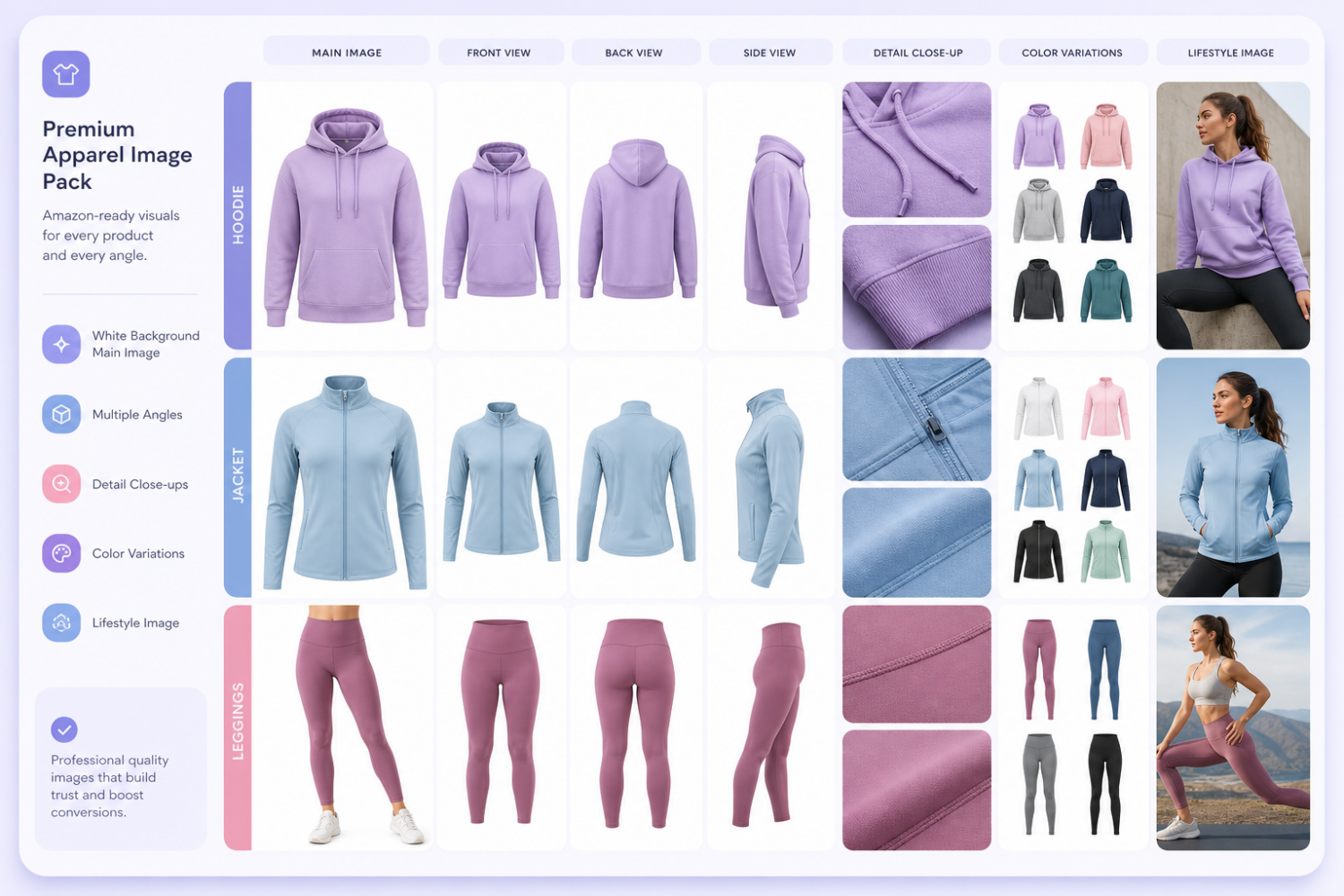
Brands should keep physical swatches, scan files and approved digital material references together. That makes future colorways easier to create and helps teams reuse the same material across ecommerce images, virtual samples and product configurators. When a material is important to the selling point of the garment, show close-up detail views alongside full-body product views.
Related internal reading: GLB and USDZ apparel model checklist.
Useful reference point
Digital fabric work becomes stronger when it is connected to the wider 3D garment workflow. The official CLO3D platform is a useful reference for understanding how fabric properties, garment patterns and visualization come together inside a 3D apparel process.
For brands, the goal is not only to create a texture file. The goal is to create a repeatable material system that can support design review, merchandising and ecommerce presentation.