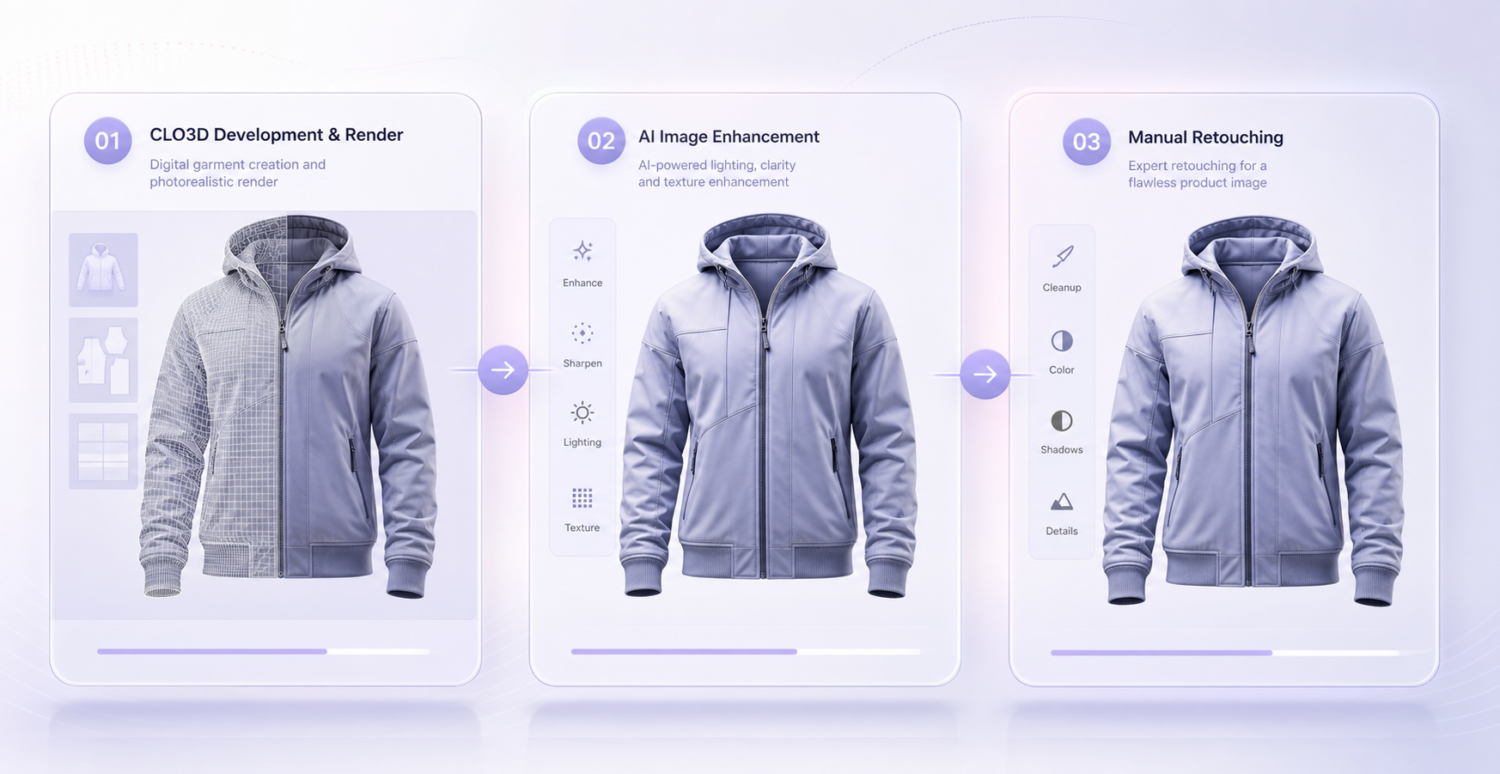
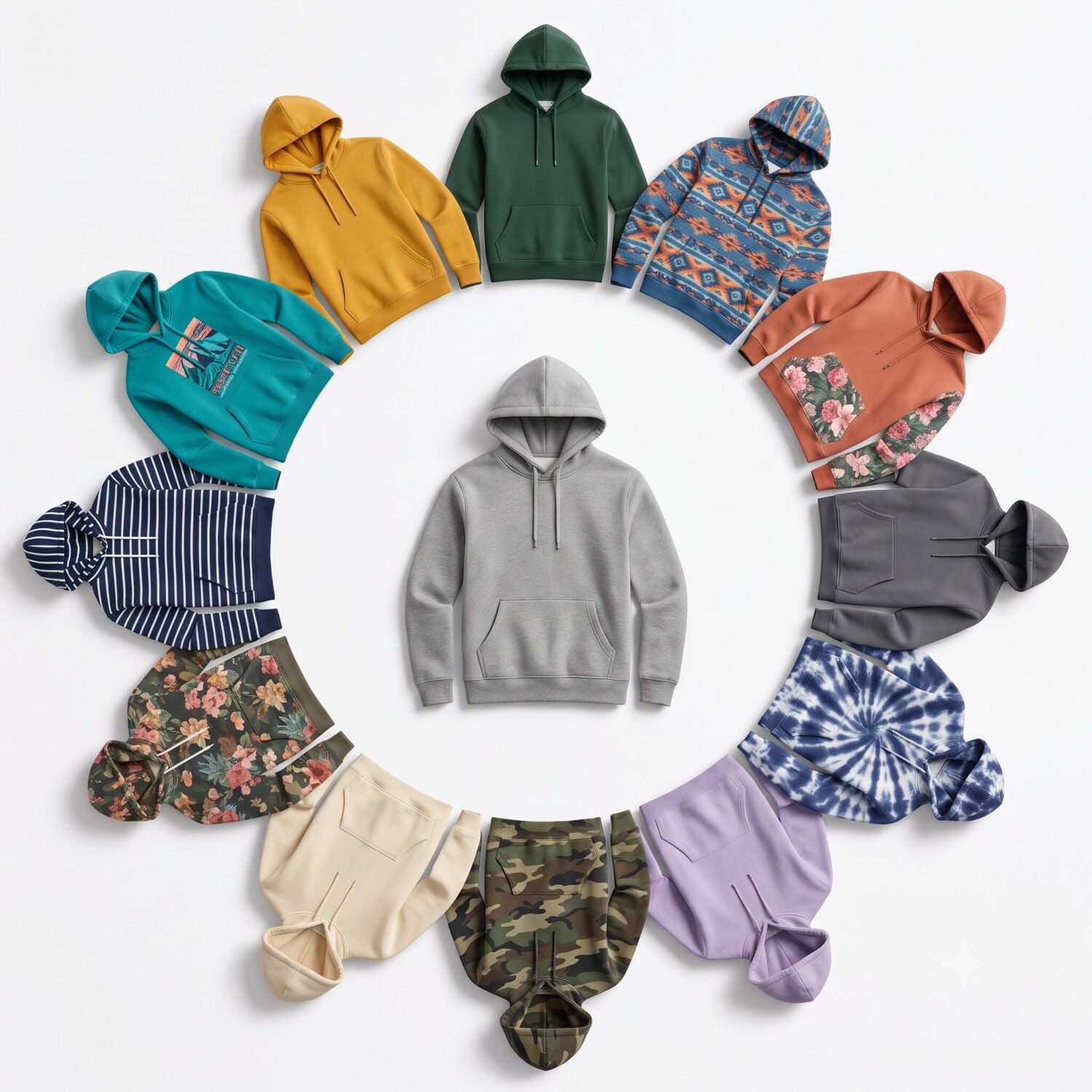
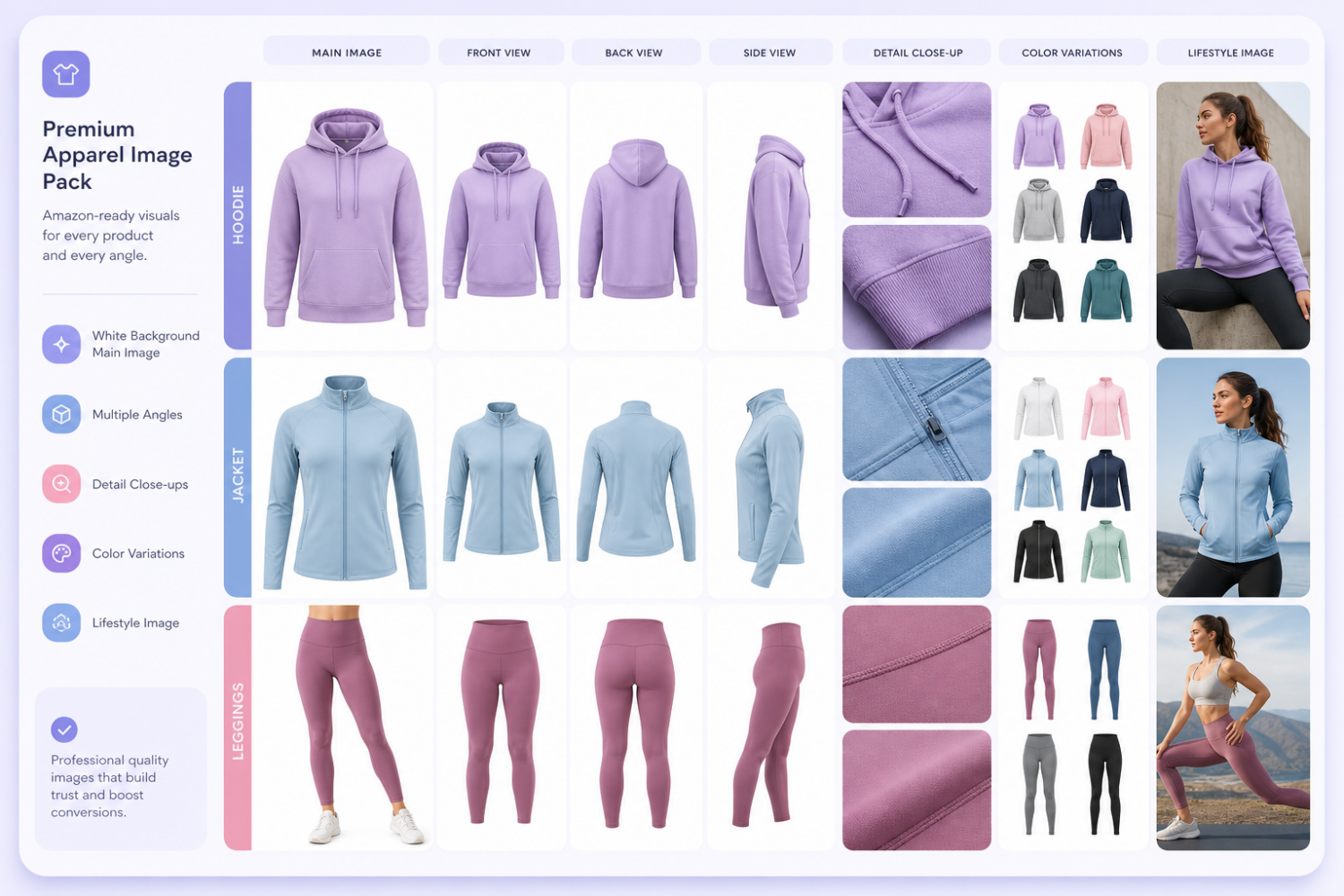
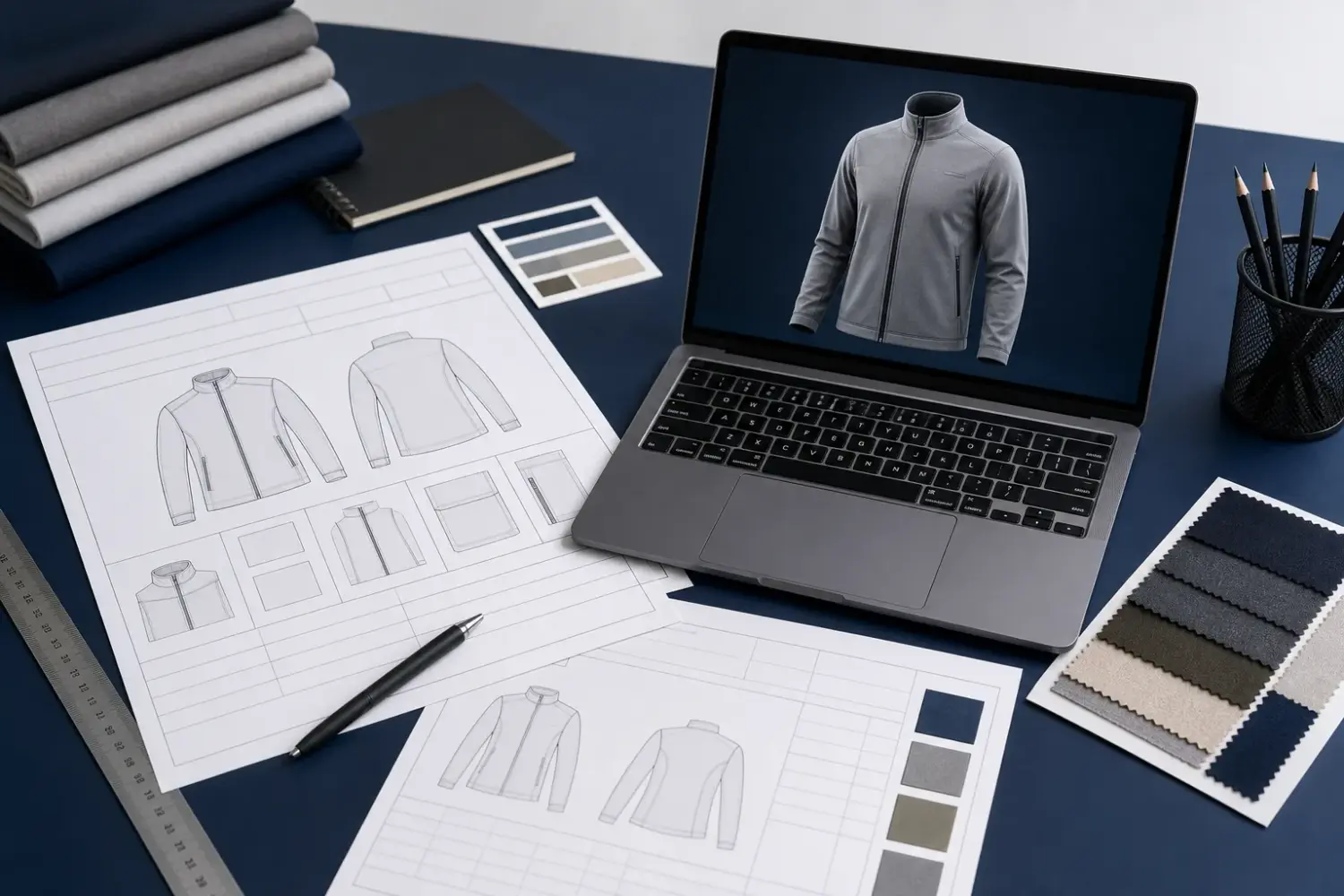
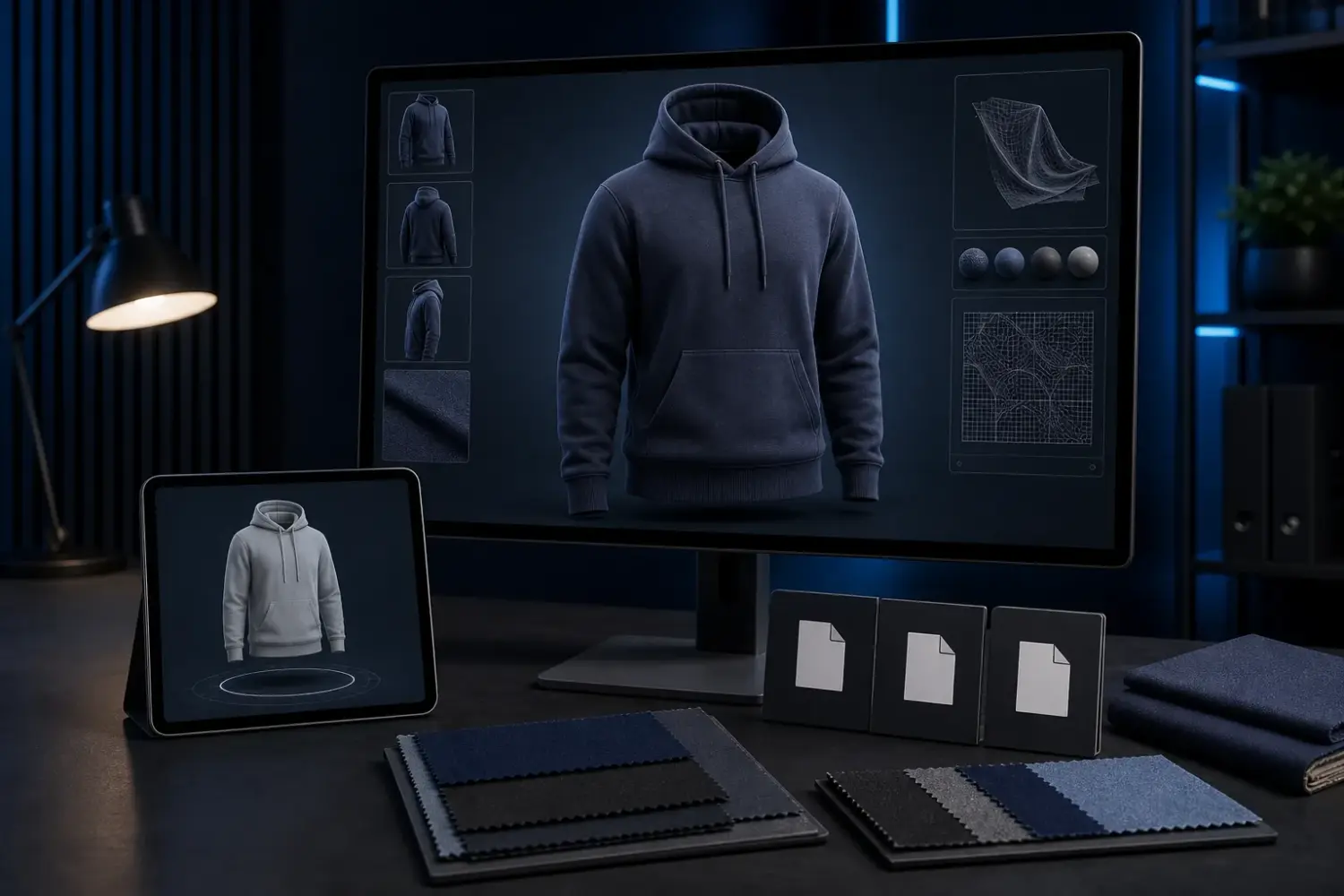
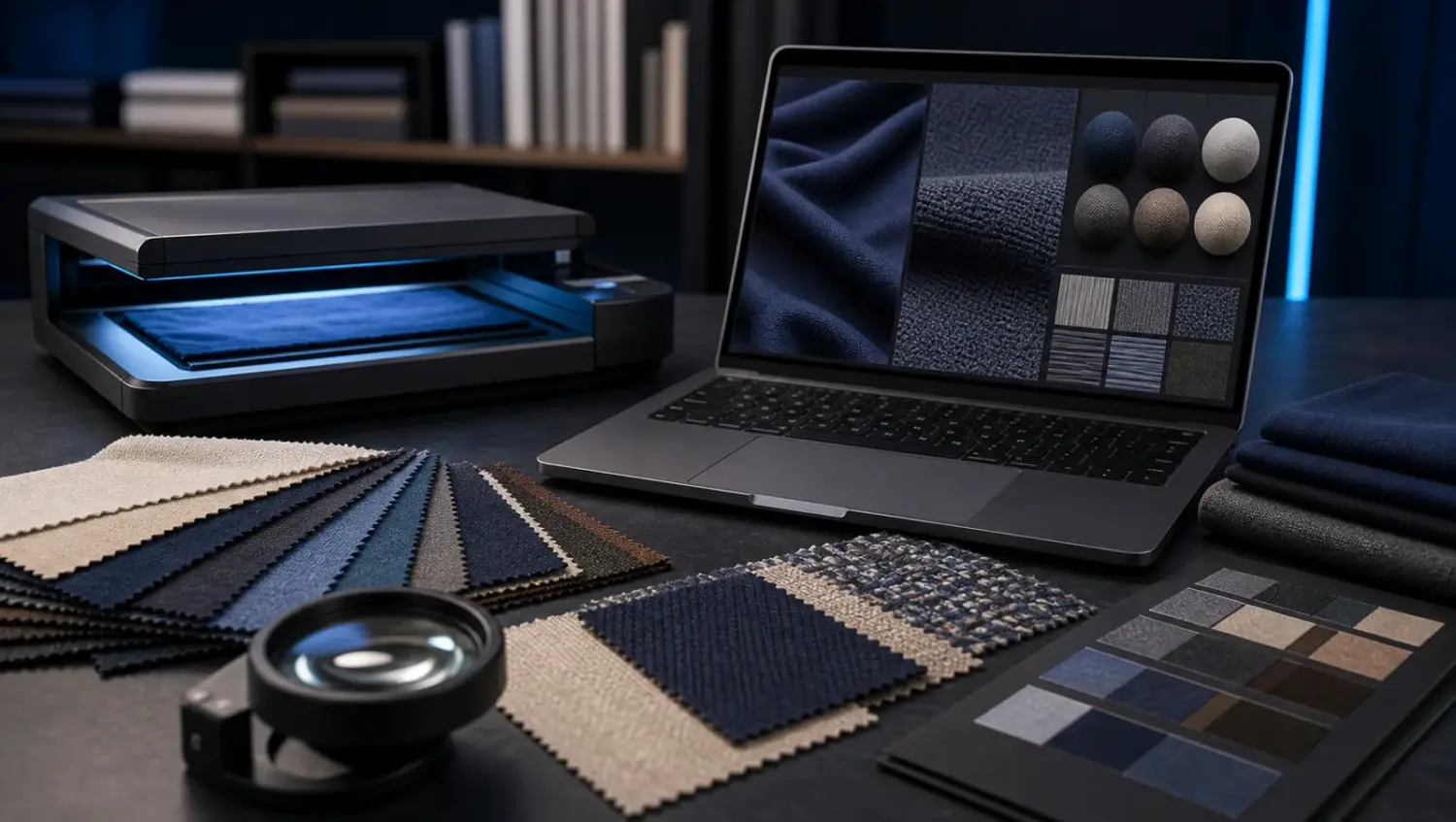
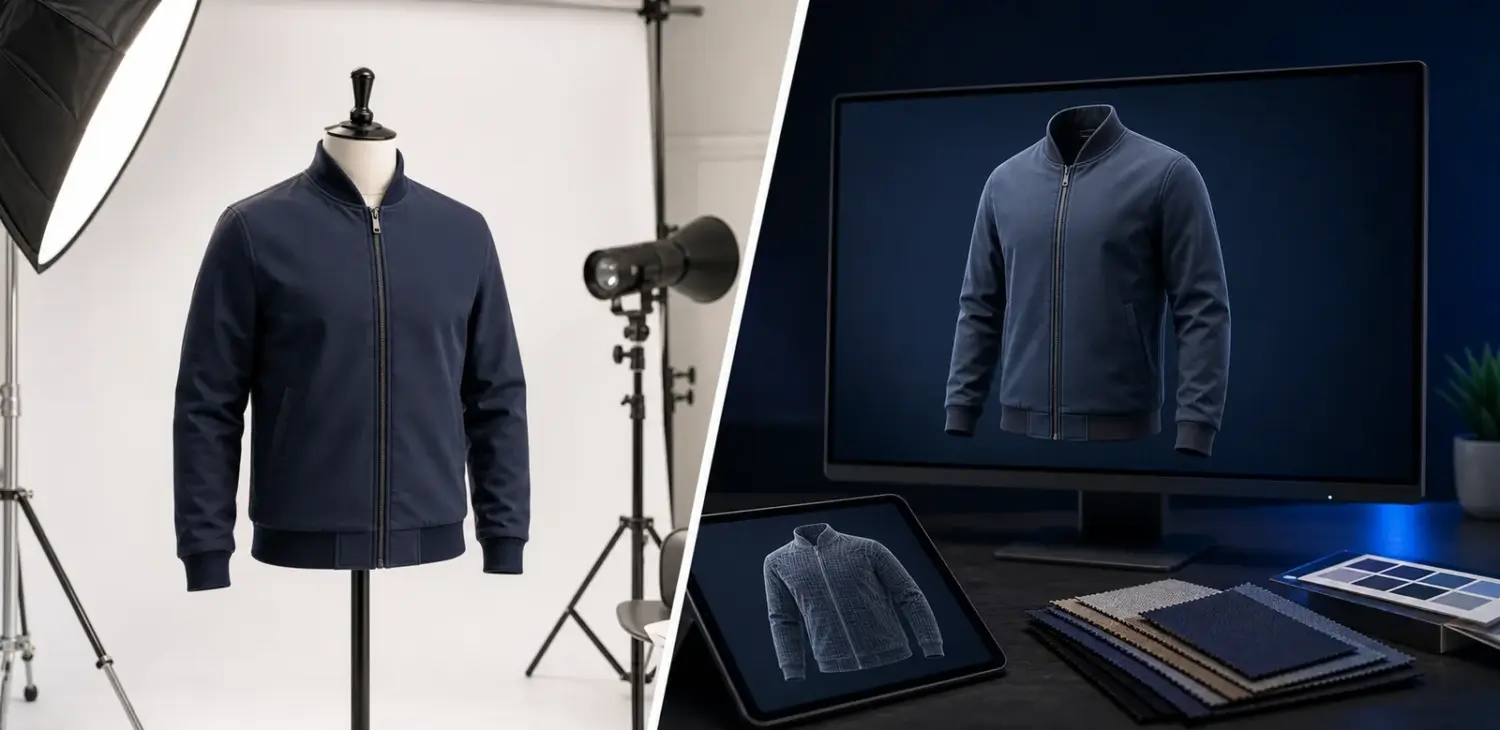
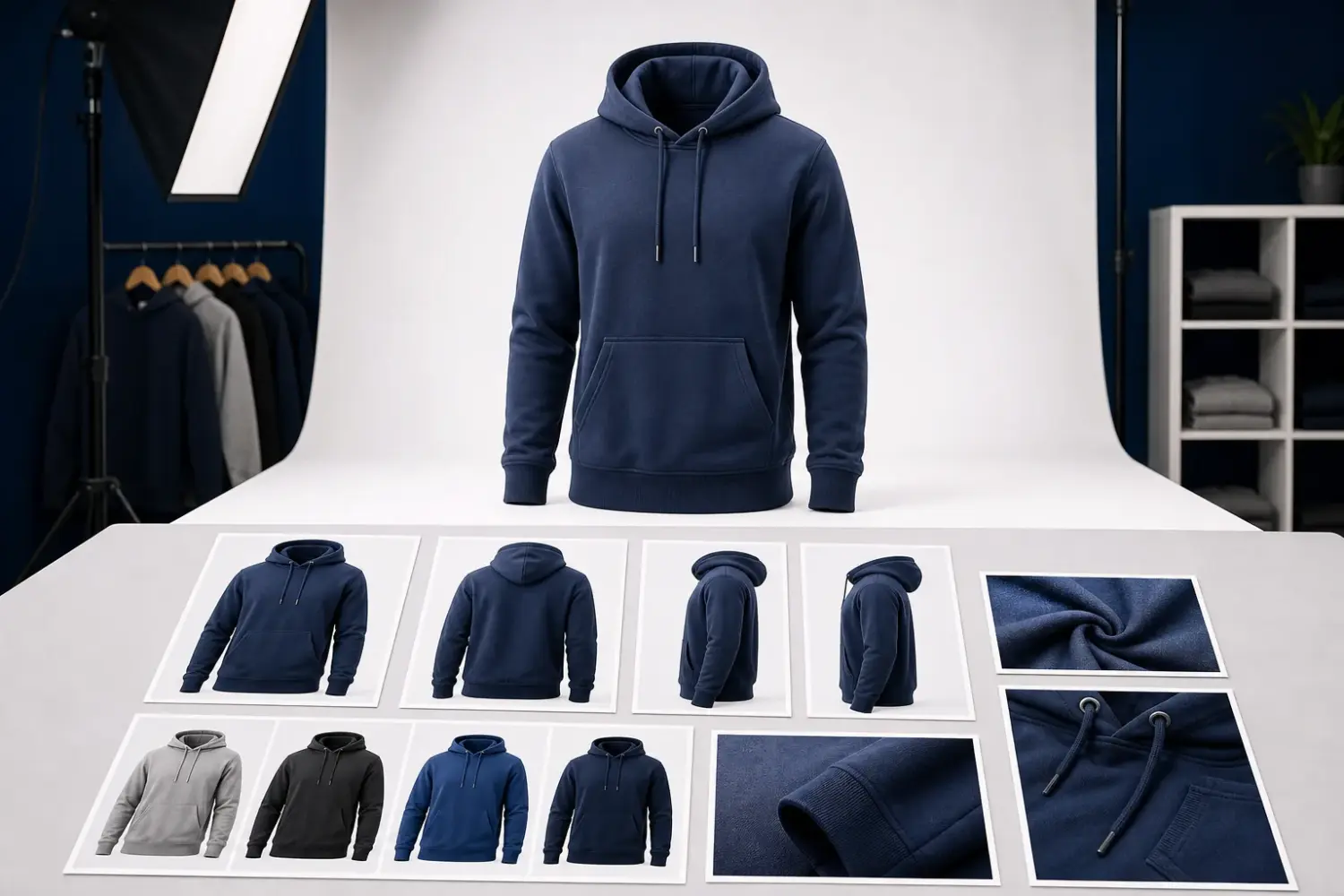
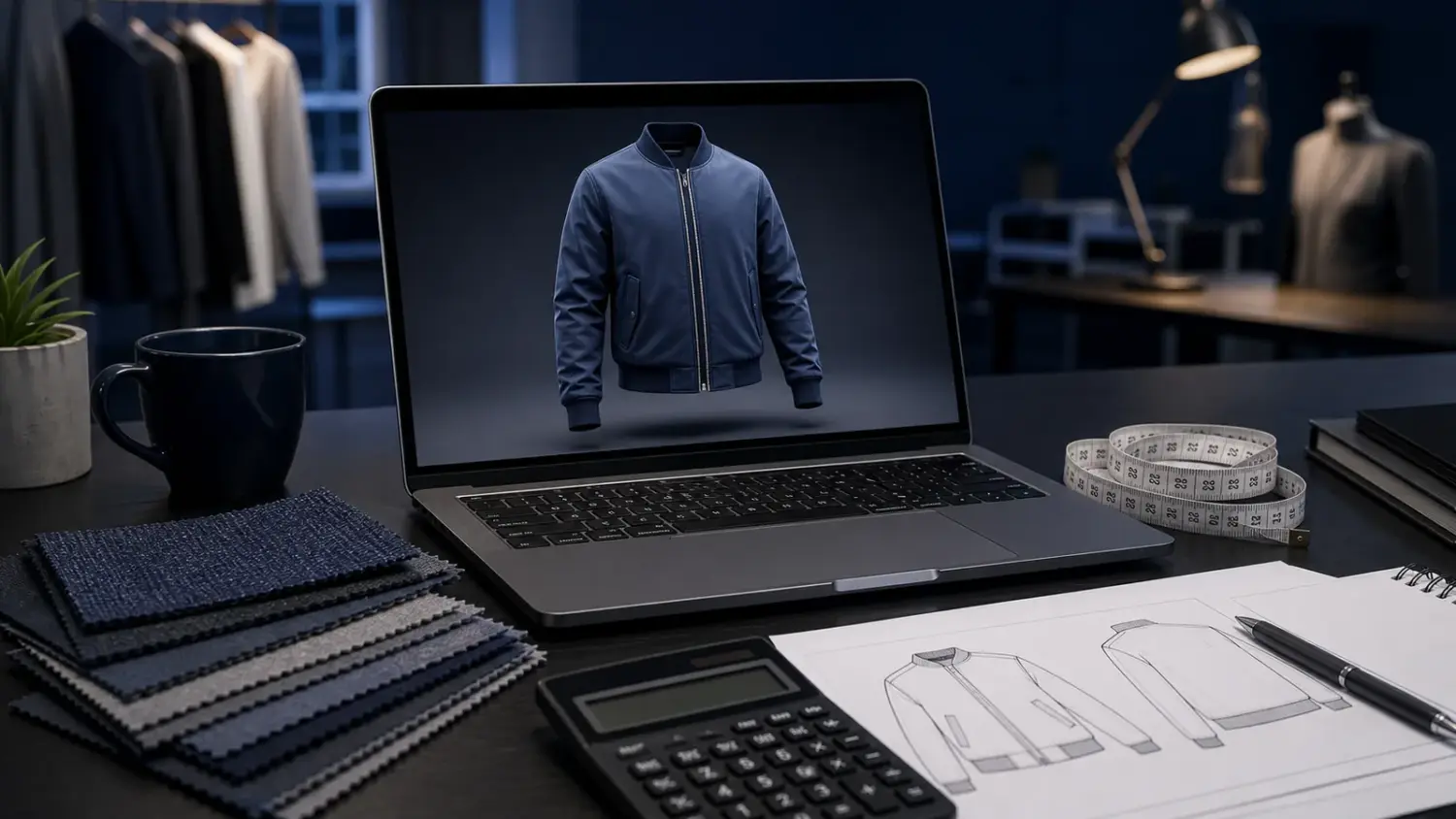
3D fashion design software has gone from a nice-to-have to the backbone of modern apparel development. Brands use it to design garments, simulate real fabric, fit virtual samples, and produce photorealistic product images — cutting sampling costs, speeding up development, and reducing waste. But the market is crowded, and the “best” 3D clothing design software depends on what you actually need: pattern-making, fabric simulation, rendering, or all three.
This guide ranks the best 3D clothing and fashion design software in 2026, with honest notes on what each tool is best for, who it suits, and roughly what it costs. And if you would rather get production-ready 3D apparel without buying and learning the software yourself, we will show you the done-for-you route too.
Quick comparison: top 3D fashion design software (2026)
| Software | Best for | Type | Starting price* |
|---|---|---|---|
| CLO3D | Overall 3D garment design & virtual sampling | Desktop · subscription | From ~$50/mo |
| Marvelous Designer | 3D artists, games, VFX cloth | Desktop · subscription | From ~$39/mo |
| Browzwear (VStitcher) | Enterprise true-to-fit & production | Desktop · enterprise | Quote |
| Style3D | Scaling digital product creation | Desktop · enterprise | Quote |
| Optitex / Tukatech | Pattern-CAD & manufacturing | Desktop · enterprise | Quote |
| Blender | Budget 3D & rendering | Desktop · free | Free |
| Adobe Substance 3D | Fabric textures & materials | Desktop · subscription | From ~$20/mo |
| AI fashion tools | Fast concept ideation | Web · subscription | From ~$10/mo |
*Pricing is approximate for 2026 and changes often — always check the vendor.
What 3D fashion design software actually does
Before picking a tool, it helps to know what this category covers. Good clothing design software lets you:
- Design and pattern garments in 2D and see them update in 3D in real time.
- Simulate real fabric — weight, stretch, drape and fit on an avatar.
- Check fit and grading before cutting a single physical sample.
- Render photorealistic images for catalogs, e-commerce and marketing.
- Export production data — tech packs, measurements and bills of materials — plus 3D models for AR and product viewers.
No single tool is best at all of these, which is why the right choice depends on your goal.
The best 3D clothing & fashion design software in 2026
1. CLO3D — best overall 3D garment design software
CLO3D is the industry standard for 3D fashion design, and our top pick. It links 2D patterns and 3D garments in real time, simulates true-to-life fabric behaviour, and produces accurate virtual samples and renders. It is used by fashion brands, designers and product teams worldwide — and increasingly by games and metaverse studios for realistic clothing.
- Best for: fashion brands and designers who want production-grade 3D garments and virtual sampling.
- Pros: unmatched fabric realism, strong patterning, huge community, factory-friendly output.
- Cons: a real learning curve; a capable machine helps.
Want CLO3D-quality results without learning it? See our CLO3D apparel design service.
2. Marvelous Designer — best for 3D artists and games
Marvelous Designer shares its simulation engine with CLO3D but is aimed at 3D artists, games and VFX rather than apparel production. It is fast and intuitive for draping cloth on characters, but has fewer production tools (grading, tech packs).
- Best for: 3D/game artists who need realistic cloth, not factory specs.
3. Browzwear (VStitcher) — best for enterprise production
Browzwear is a leading enterprise platform built around true-to-fit accuracy, digital materials and integrations with PLM and production workflows. It is a serious investment, suited to larger brands and manufacturers digitising at scale.
- Best for: enterprise teams focused on fit and production integration.
4. Style3D — fast-rising digital product platform
Style3D combines high-quality simulation with collaboration and AI features, and has grown quickly with brands scaling digital product creation. A strong enterprise alternative to Browzwear.
- Best for: brands building larger digital product pipelines.
5. Optitex & Tukatech — best for pattern-CAD and manufacturing
Optitex and Tukatech (TUKA3D) come from the pattern-making and CAD world, with deep grading, marker-making and made-for-manufacturing tooling plus 3D visualisation. Best when production accuracy matters more than artistic rendering.
- Best for: CAD-driven and manufacturing-led teams.
6. Blender — best free 3D option
Blender is free and open-source, with powerful 3D modelling, cloth simulation and rendering (and apparel add-ons). It is not a native fashion-patterning tool, but for budget-conscious teams who are comfortable in 3D, it is a remarkable free way to model and render apparel.
- Best for: budget projects and 3D-savvy users.
7. Adobe Substance 3D — best for fabric textures
Adobe Substance 3D is not a garment tool, but it is the go-to for authoring realistic digital fabrics and materials that you bring into CLO3D, Browzwear or Style3D — and it pairs with Illustrator for technical flats.
- Best for: material and texture work alongside a 3D garment tool.
8. AI fashion design tools — best for fast ideation
AI tools (such as The New Black and similar generators) create clothing concepts from text in seconds. They are great for ideation, but they stop at an image — not a garment a factory can cut and sew. Bridging that gap is exactly what our AI fashion design service does: we turn AI concepts into accurate 3D garments, graded patterns and tech packs.

How to choose the right 3D fashion design software
- Define your goal: design and sampling (CLO3D, Browzwear), 3D art (Marvelous Designer, Blender), or production CAD (Optitex, Tukatech).
- Be honest about skill and time: these tools take weeks to months to learn well.
- Check manufacturer compatibility: your factory needs usable patterns and tech packs, not just pretty renders.
- Budget for the whole stack: a garment tool plus materials (Substance) plus a render setup.
- Consider a hybrid: license software for in-house work and outsource overflow or specialist renders.
Don’t want to learn the software? Let a 3D apparel studio do it
Buying and mastering CLO3D or Browzwear takes months before you ship your first usable asset. If you need production-ready 3D garments, photorealistic renders or tech packs now, hiring a specialist studio is faster and cheaper than building the capability from scratch.
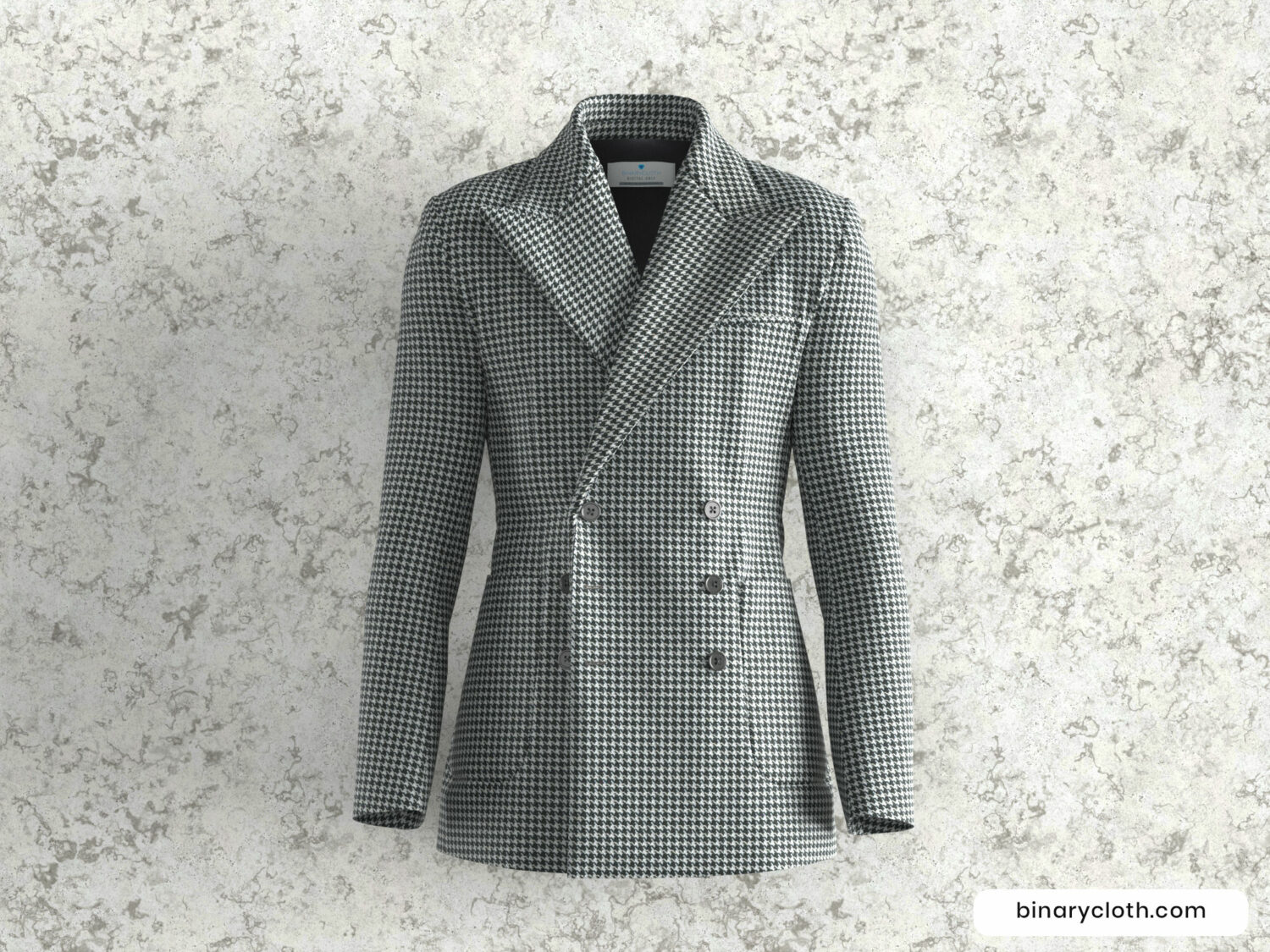
Binarycloth is a 3D apparel design studio that does exactly this as a service — from just $39 per garment. You send a sketch, tech pack or AI concept; we deliver:
- Accurate, simulation-ready 3D garments built in CLO3D / Marvelous Designer
- Photorealistic 3D product renders for e-commerce and catalog
- Graded patterns and full tech packs your factory can run with
- GLB/USDZ 3D models for AR and product viewers
You can browse our work in the portfolio, or explore our 3D apparel collections on CLO-SET. NDA available on request, and you own the IP for delivered work.

Frequently asked questions
What is the best 3D clothing design software?
For most fashion brands, CLO3D is the best overall choice thanks to its fabric realism and production-ready output. Marvelous Designer is better for 3D artists and games, while Browzwear and Style3D suit enterprise teams.
Is there free 3D fashion design software?
Yes — Blender is free and capable for 3D modelling and cloth simulation, and most paid tools offer trials. Blender is not a native patterning tool, so production teams usually still need CLO3D or similar.
Do I need to learn software to get 3D apparel designs?
No. Studios like Binarycloth deliver production-ready 3D garments, renders and tech packs as a service from $39 per garment, so you skip the software cost and learning curve entirely.
Can 3D designs be used for real manufacturing?
Yes — as long as the 3D garment includes accurate patterns, measurements and a tech pack. That production data is what lets a factory cut, grade and sew the design.
The bottom line
CLO3D leads the 3D fashion design software market in 2026, with Marvelous Designer, Browzwear, Style3D and others serving more specific needs. Choose by your goal — design, art, or production — and budget for the full workflow. And if you would rather skip the learning curve, request a quote from Binarycloth and get production-ready 3D apparel without touching the software.