Description
What is 3d product rendering?
- 3D product rendering is the process of creating highly detailed and photorealistic three-dimensional representations or models of products using computer software. These 3D models are often used in marketing, advertising, product design, and e-commerce to showcase products in a visually appealing and detailed manner. 3D product rendering allows businesses to present their products in a way that closely resembles traditional product photography but offers several advantages:
- Visual Realism: 3D product renderings are designed to look as real as possible. They capture the texture, materials, lighting, and intricate details of products, providing a lifelike representation.
- Versatility: 3D models can be manipulated to create different views, angles, and configurations of the product. This versatility allows for greater flexibility in marketing and showcasing products.
- Customization: Products can be presented in various colors, sizes, and styles without the need for multiple photoshoots. This customization option is particularly useful for businesses with diverse product offerings.
- Consistency: Unlike traditional photography, where lighting and settings can vary, 3D product renderings ensure that all images of a product are consistent in terms of lighting, angles, and quality.
why is 3d product rendering important?
- Visual Realism: 3D product rendering creates photorealistic images and models that closely resemble actual photographs, allowing customers to see products in a highly realistic and detailed way.
- Detailed Product Representation: 3D rendering captures intricate details, textures, and product features, offering customers a more comprehensive and accurate view of the product compared to traditional photography.
- Consistency: Product rendering ensures that all images of a product remain consistent in terms of lighting, angles, and quality, creating a cohesive and professional look for a brand’s marketing and online store.
- Customization: Brands can showcase products in various colors, styles, and configurations without the need for costly and time-consuming photoshoots, providing customers with a wide range of choices.
- Reduced Costs: While there are initial costs associated with creating high-quality product renderings, they can be a cost-effective solution over time, especially for businesses with frequently changing inventories.
- Shorter Lead Times: Traditional photoshoots often have lead times and require the availability of physical products. Product rendering can be done quickly, speeding up the process of adding new products to an online store.
- Versatility: Rendered product images can be used across multiple marketing channels, including online stores, social media, printed catalogs, and advertisements, maximizing their utility.
BCKTER00889 3D apparel model
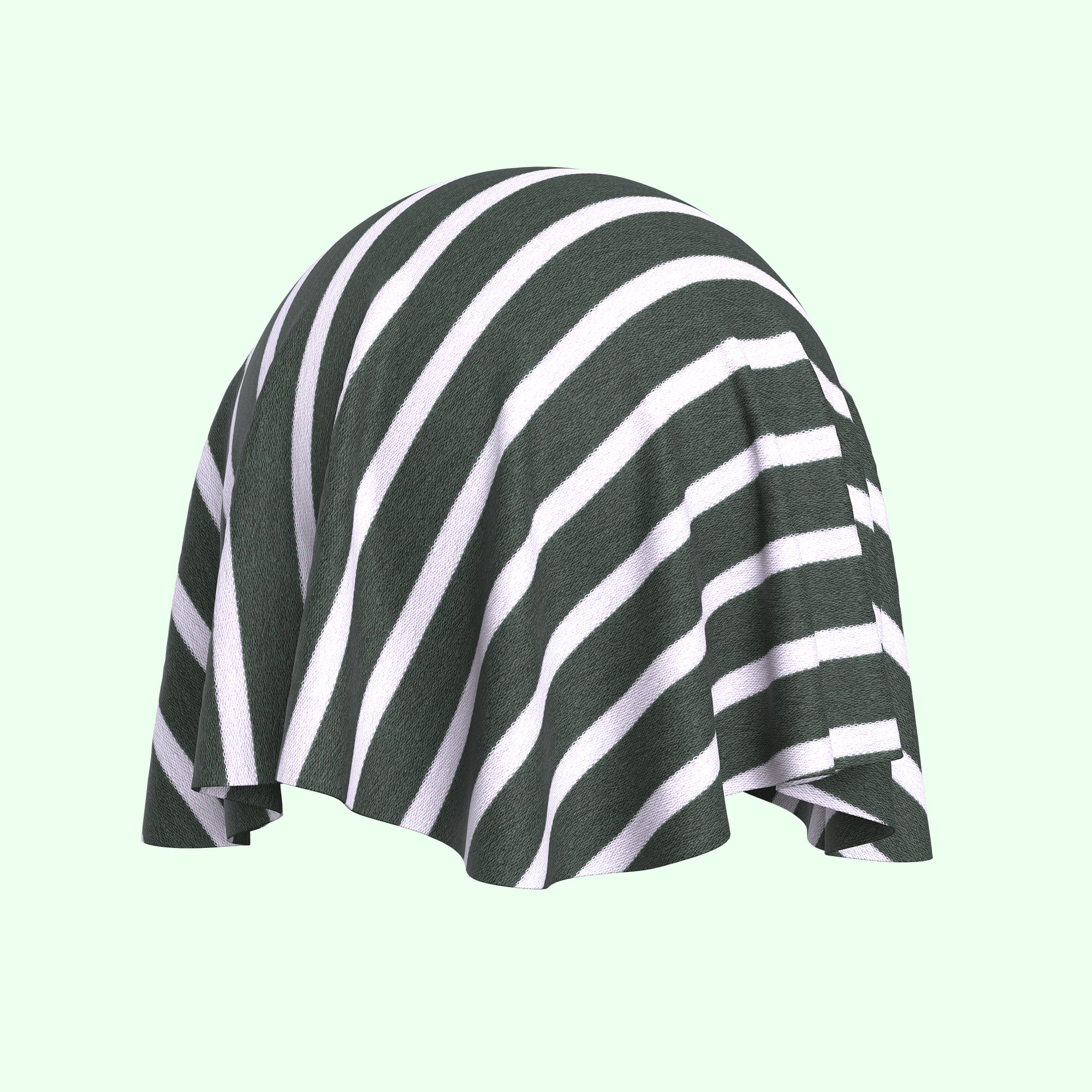
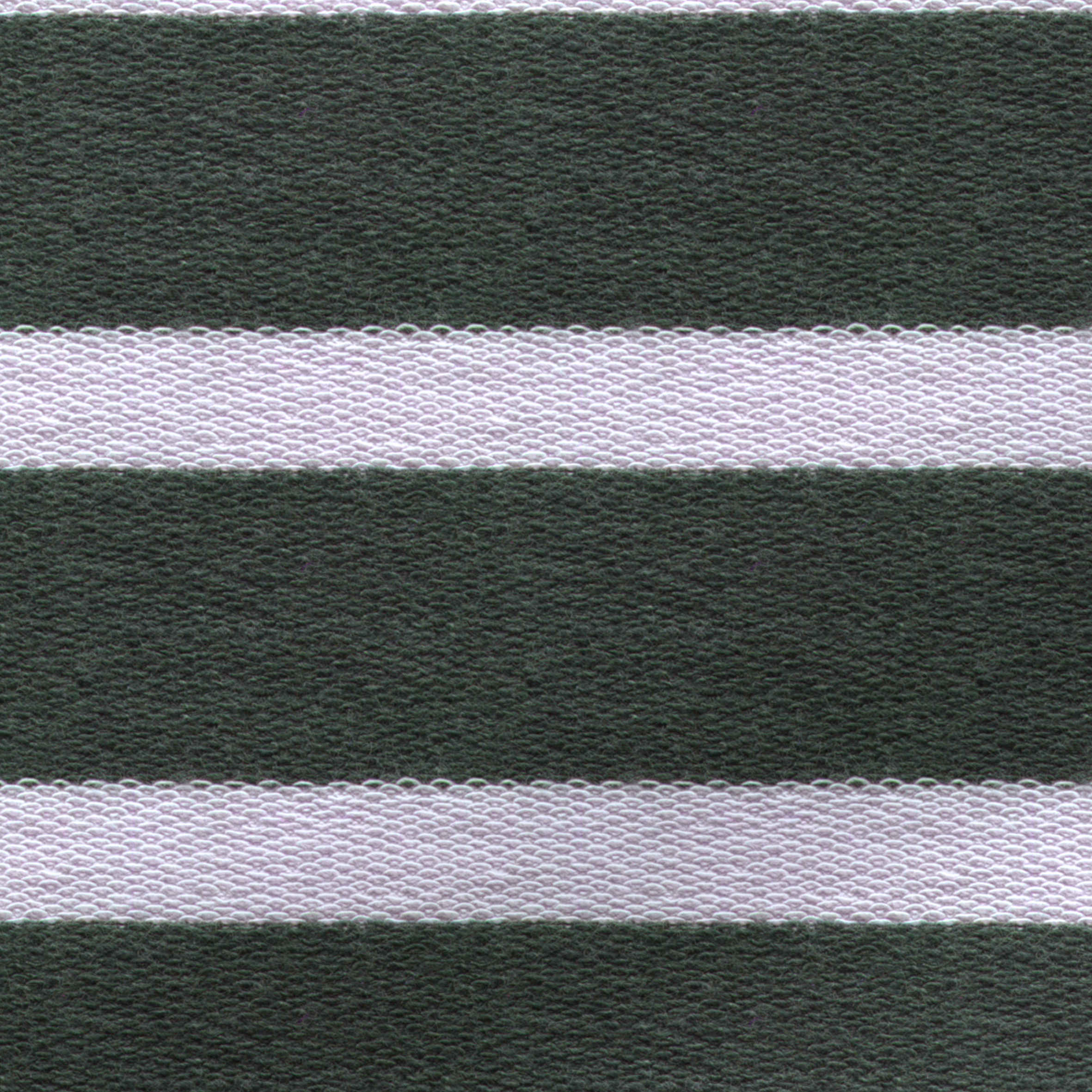
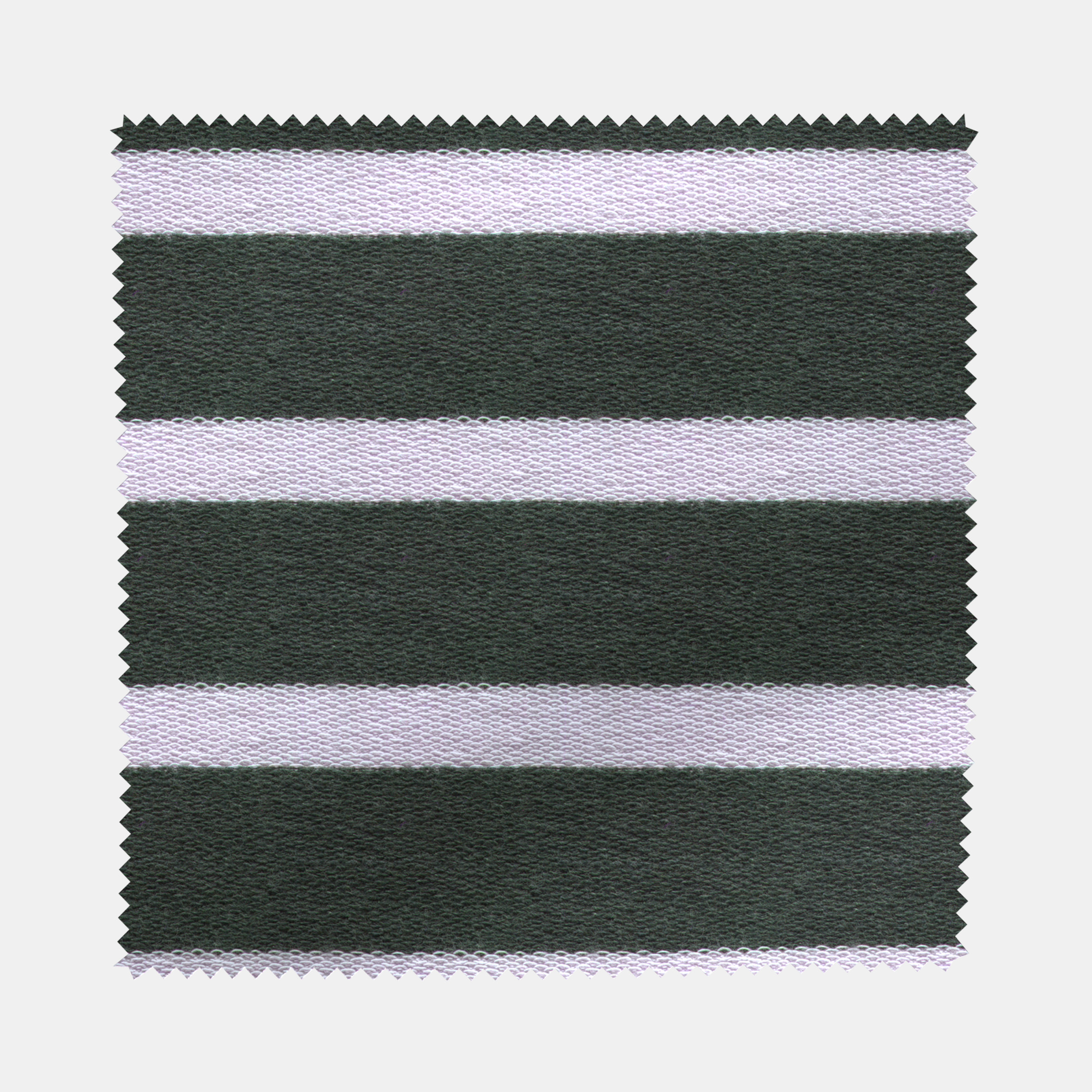
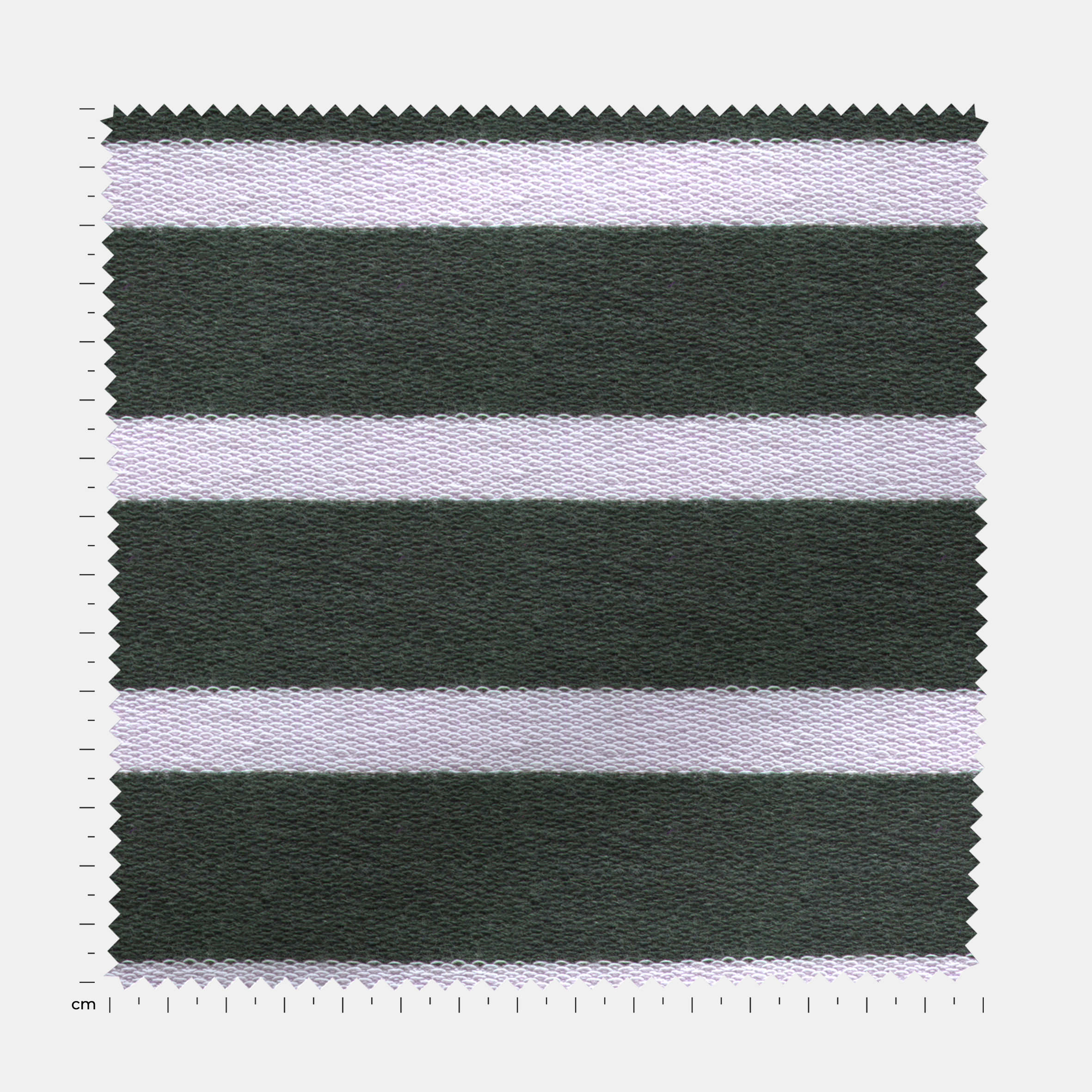
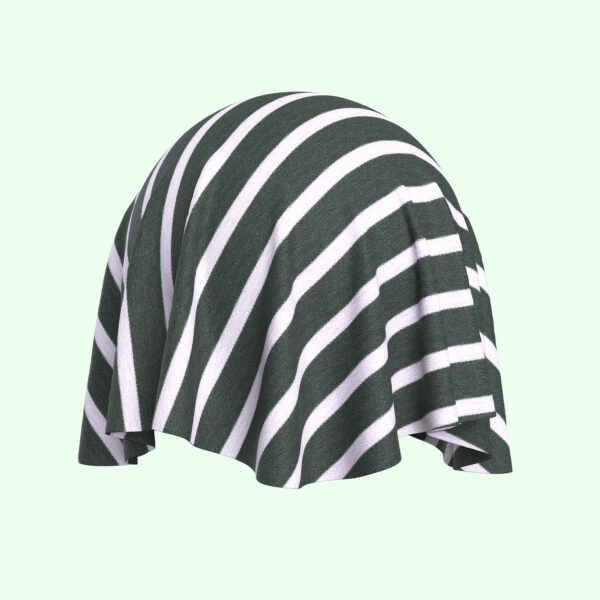
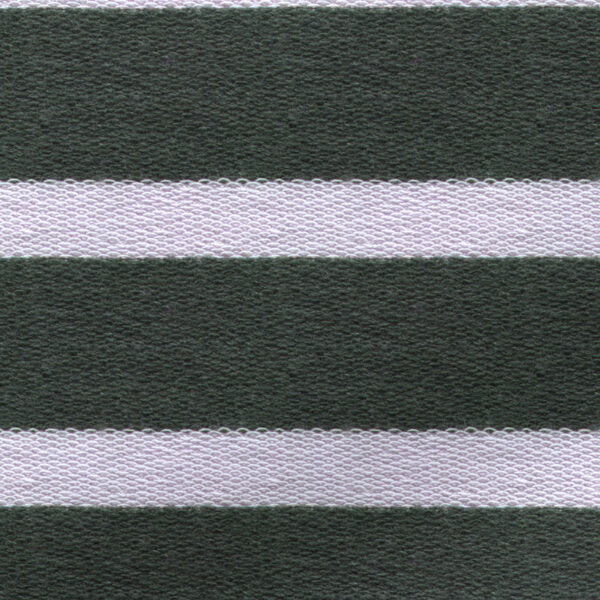
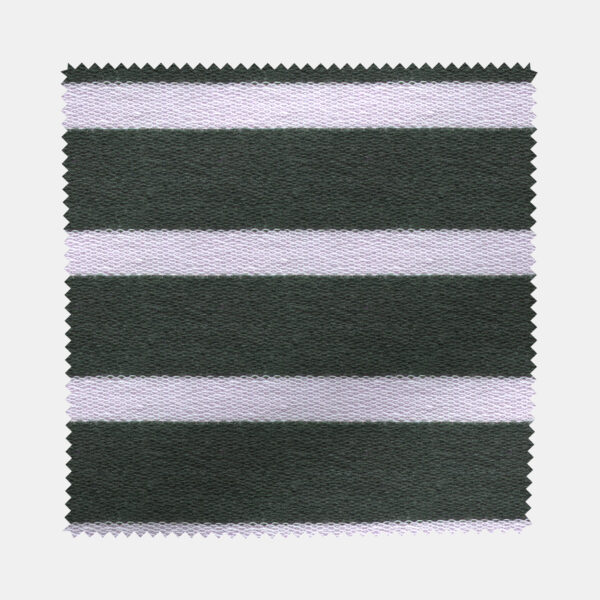
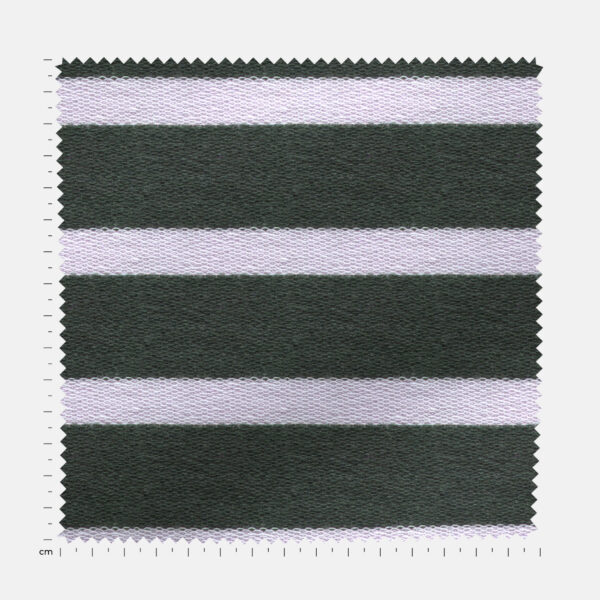
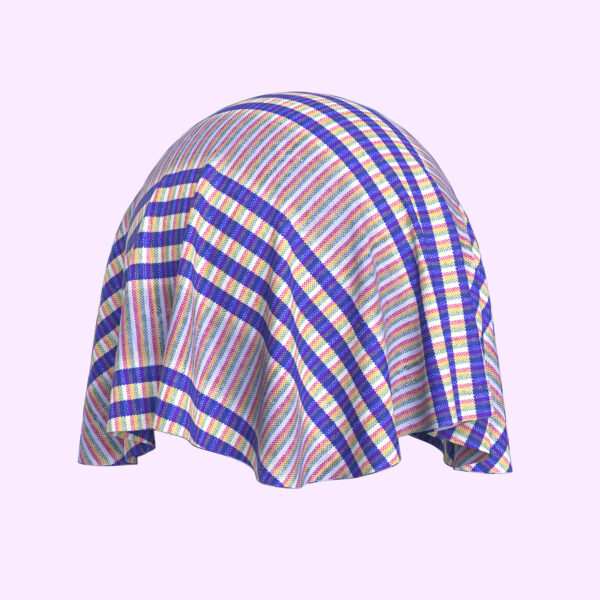
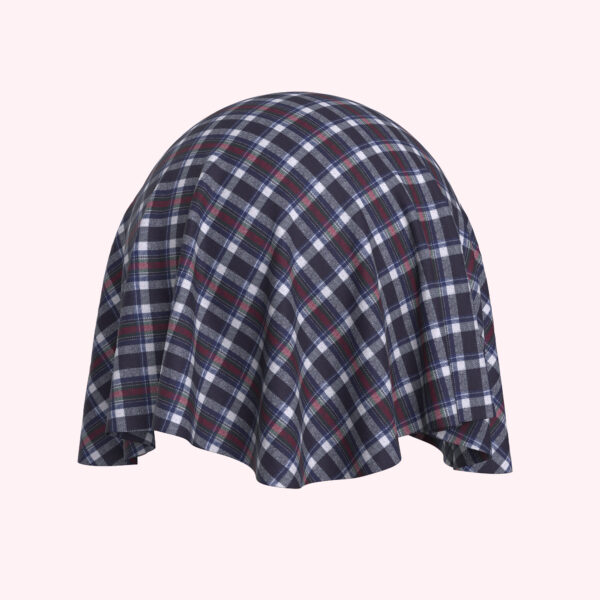
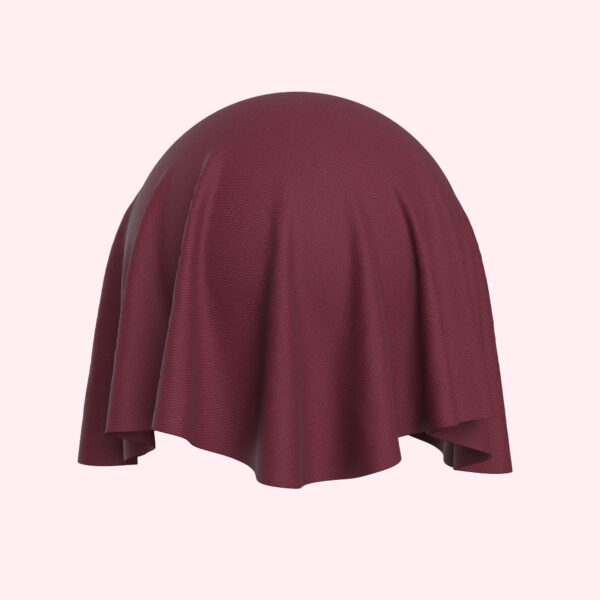
BCKTER00889 is a detailed Digital Fabric 3D apparel model prepared for digital fashion workflows, ecommerce product visualization and collection planning. The asset highlights Olive Green, giving fashion teams a clear product view before physical sampling.
Use this digital garment for virtual showroom pages, merchandising reviews, design presentations, online catalog imagery and apparel development discussions. It helps buyers, designers and production teams evaluate silhouette, styling direction and product story with consistent front-facing visual clarity.
Binarycloth builds product visuals for brands that need faster sampling, cleaner campaign assets and scalable digital product content. This Digital Fabric model supports modern apparel workflows where accurate 3D visualization reduces repeated sample rounds and keeps product teams aligned.