Description
What is the virtual sample?
A virtual sample typically refers to a digital representation or prototype of a product or item that exists in a virtual or digital environment. Virtual samples are used across various industries, including fashion, product design, and manufacturing, to visualize, test, and evaluate products before they are physically produced. Here are some key points about virtual samples:
-
- Digital Representation: Digital materials are created digitally using computer-aided design (CAD), 3D modeling, or other digital tools. They provide a detailed and accurate representation of a product or item in a digital format.
- Product Visualization: Virtual samples are used to visualize how a product will appear in a digital or virtual environment. This can include 3D models of products, architectural designs, and more.
- Prototyping: Virtual samples serve as digital prototypes, allowing designers and engineers to create and test product designs before physical prototypes are produced. This can save time and resources in the product development process.
- Customization: Virtual samples can often be customized or configured by users. In industries like fashion, users may change colors, patterns, or materials to see different variations of a product.
what is the importance of virtual sample in fashion design?
Virtual fabrics are of growing importance in the field of fashion design for several reasons. They offer numerous advantages that streamline the design and production process, improve customer satisfaction, and contribute to sustainable practices. Here’s why virtual samples are significant in fashion design:
- Cost Savings: Creating physical samples and prototypes can be expensive, involving the cost of materials, labor, and production. Virtual samples reduce these costs, making fashion design more budget-friendly, especially for smaller designers and emerging brands.
- Reduced Waste: Virtual samples help reduce waste in the fashion industry. By minimizing the need for physical prototypes and samples, they align with sustainability efforts and reduce the environmental impact of fashion design.
- Faster Iterations: Virtual samples allow for quick and cost-effective iterations. Designers can make changes to the digital models, such as adjusting colors, patterns, or materials, and see the results immediately, without the time-consuming process of creating new physical prototypes for each change.
- Enhanced Visualization: Virtual Clothing provide a more detailed and accurate representation of the garments, allowing designers to see how a piece will look and fit in a three-dimensional environment. This enhances the visualization of the final product.
- Virtual Try-On: Virtual samples facilitate virtual try-on experiences, enabling designers and customers to see how clothing will look on a digital model or avatar, enhancing the shopping experience and reducing uncertainty for customers.
- Remote Collaboration: Digital Clothing teams can collaborate on virtual samples regardless of their geographic location, reducing the need for in-person meetings and speeding up the design and development process.
- Customization: Virtual samples often allow for customization by customers, who can choose different colors, materials, and design elements. This personalization can boost customer engagement and satisfaction.
- Quality Control: Designers can use digital fashion to identify and address potential issues with garments early in the design process, reducing the need for post-production adjustments and alterations.
- Educational Tools: Fashion Technology serve as valuable educational tools in fashion design programs, allowing students to gain hands-on experience with digital design, 3D modeling, and pattern development.
- Global Accessibility: Virtual fashion can be easily shared and accessed by team members and manufacturers worldwide, promoting global accessibility and collaboration.
- Innovation: The use of virtual samples is at the forefront of innovation in digital fabric, bridging the gap between traditional fashion and digital technology.
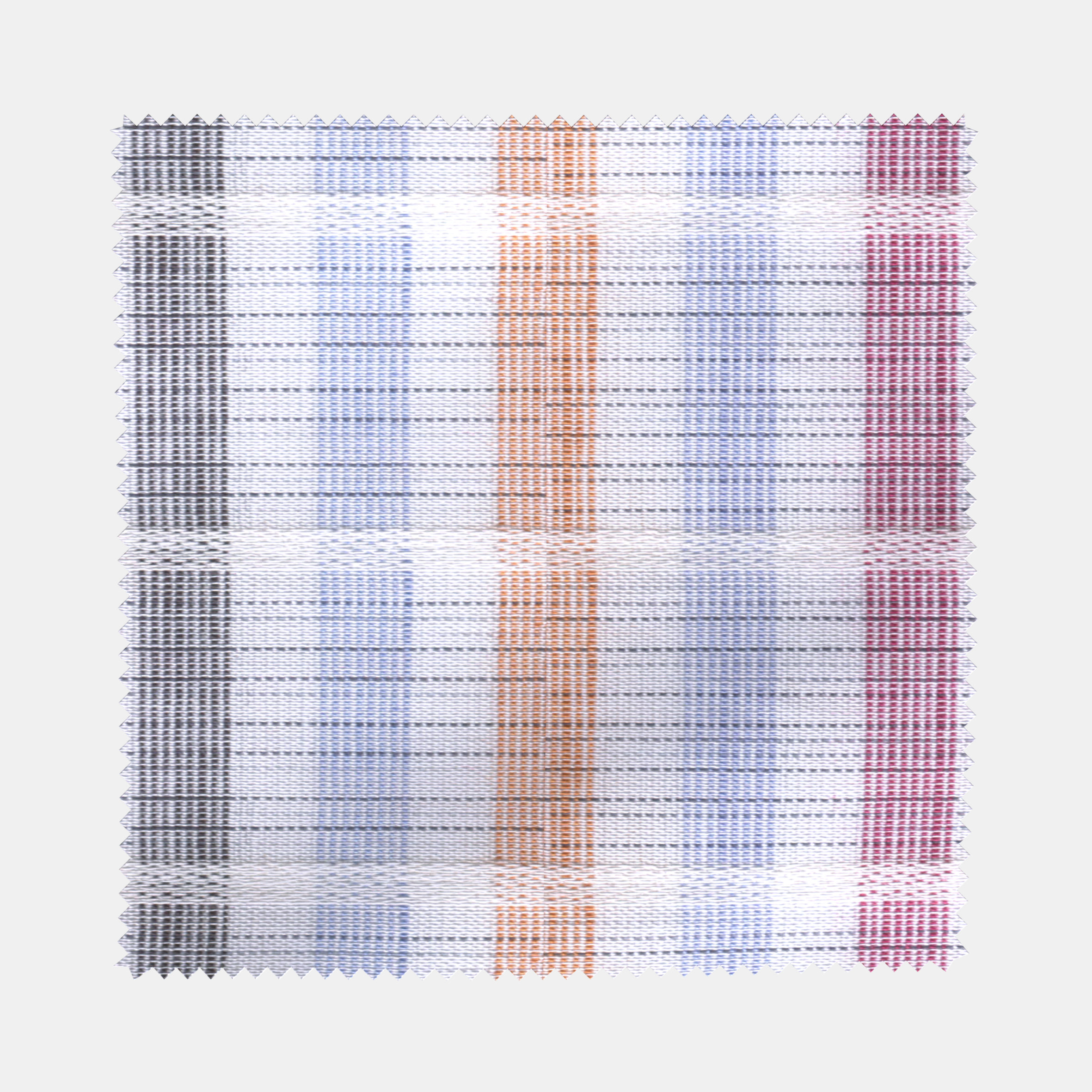
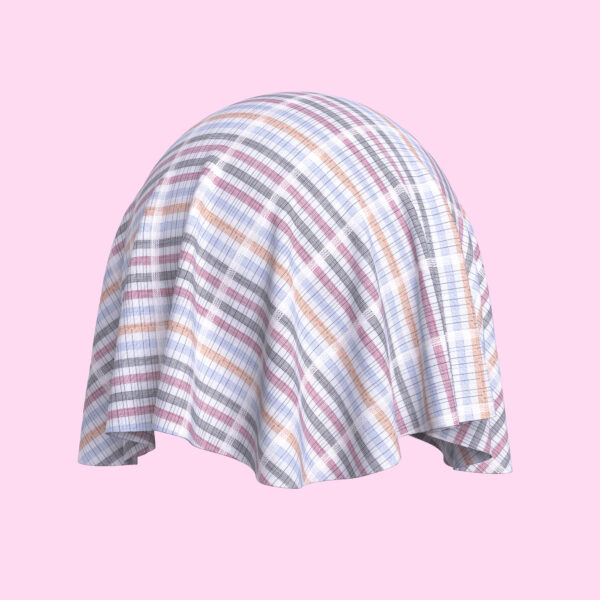
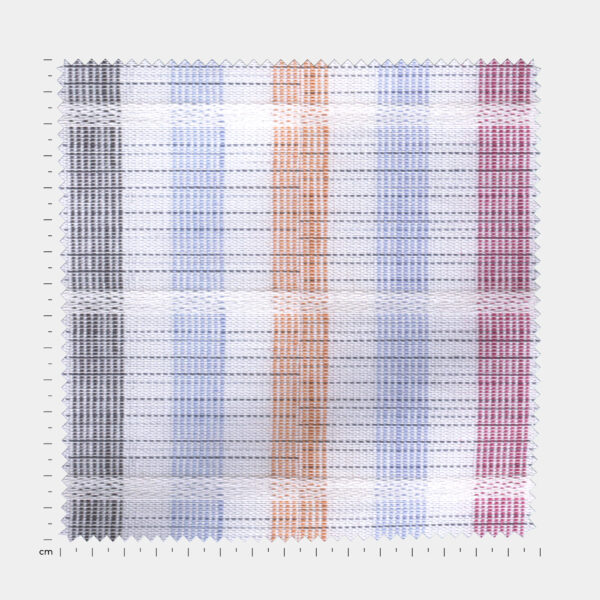
BCWDOB00760 3D apparel model
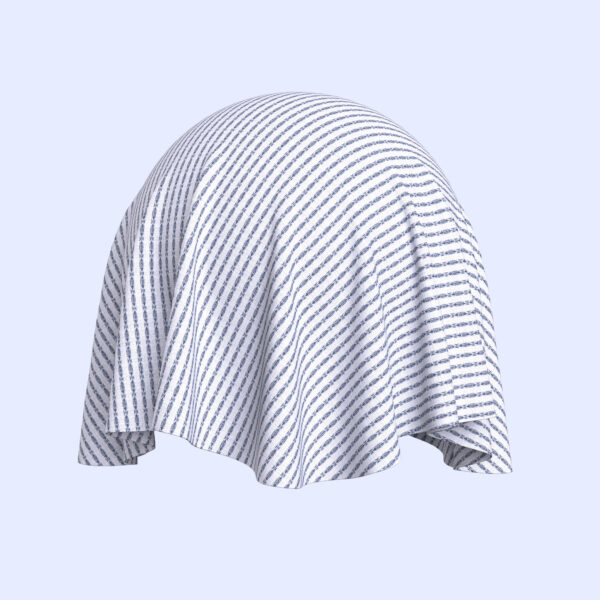
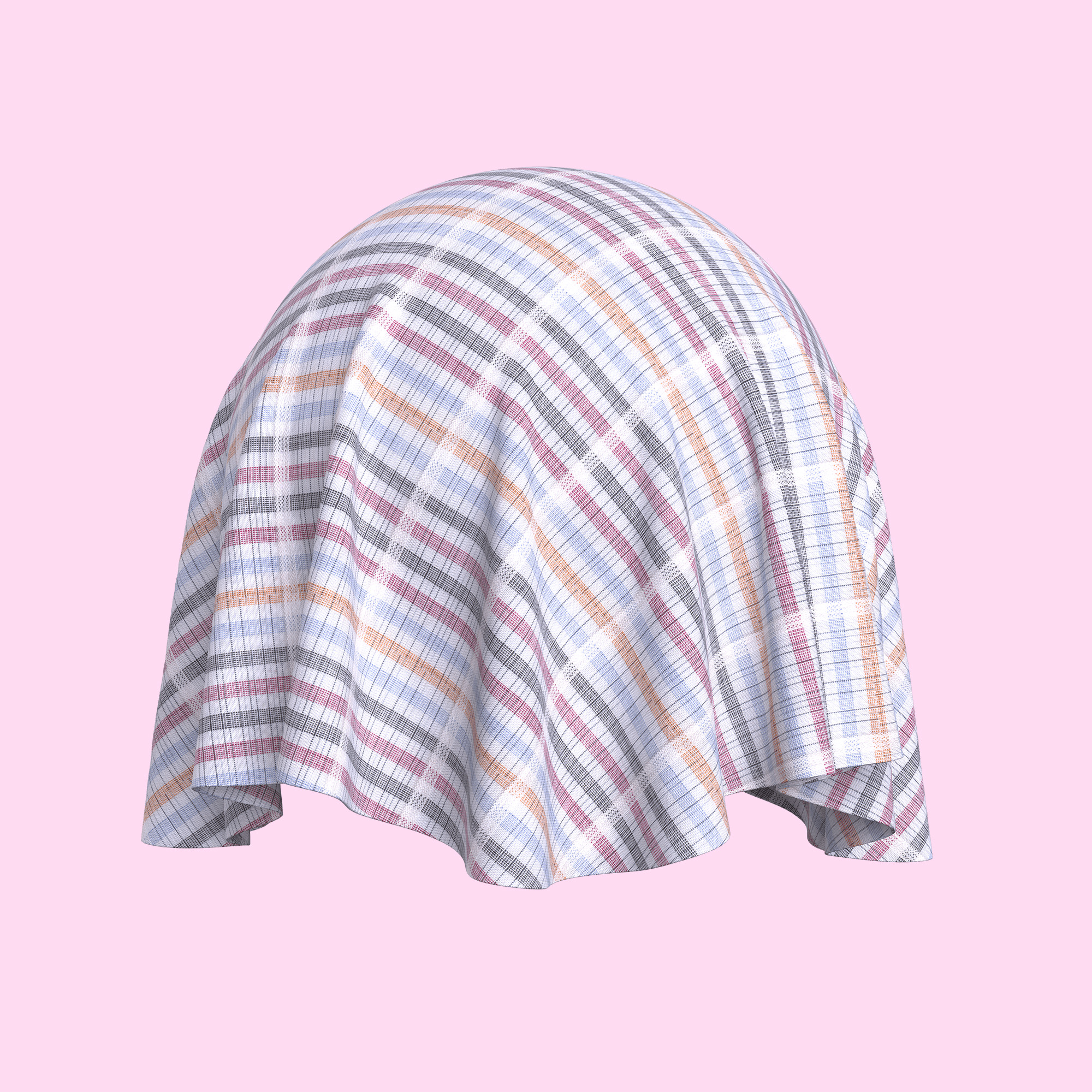
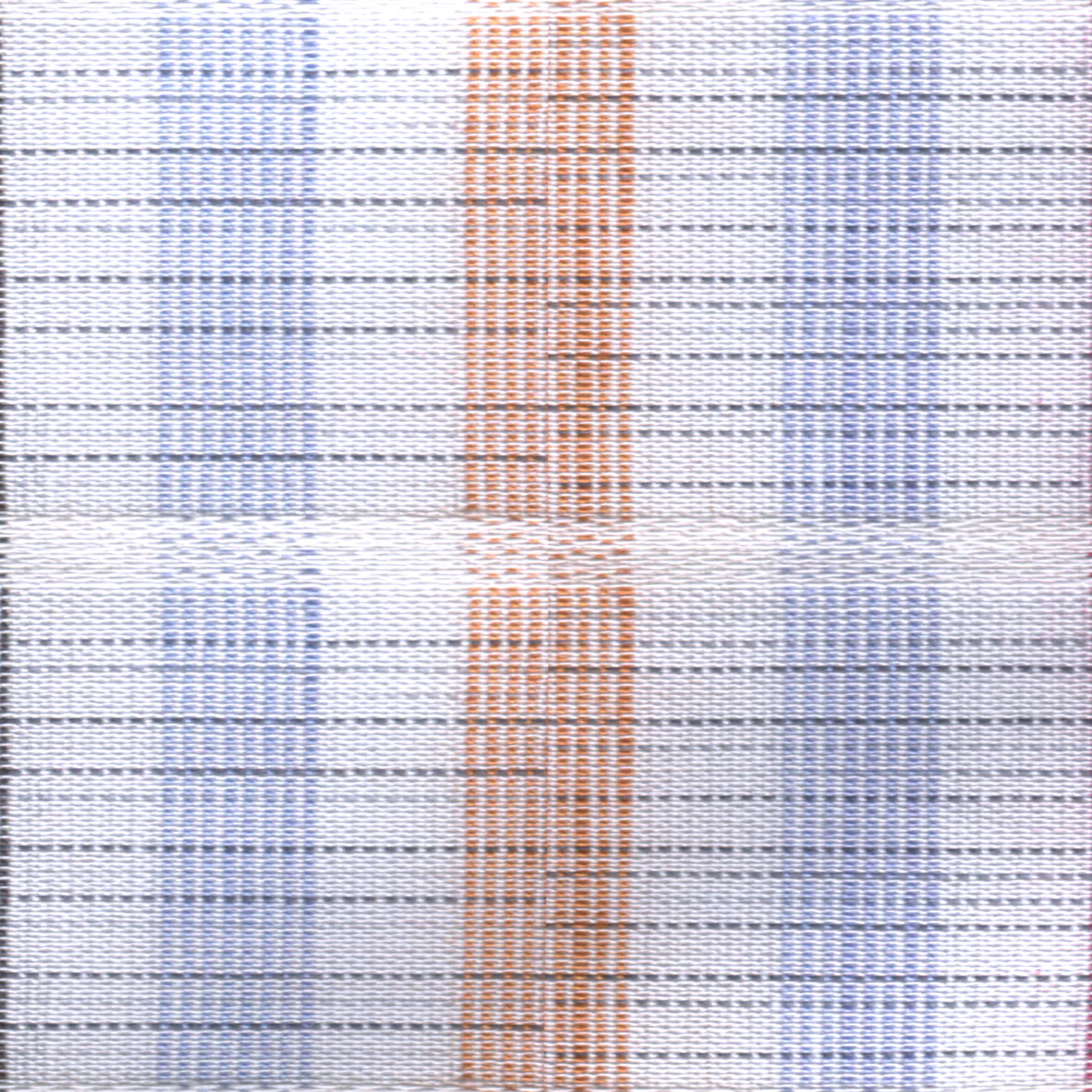
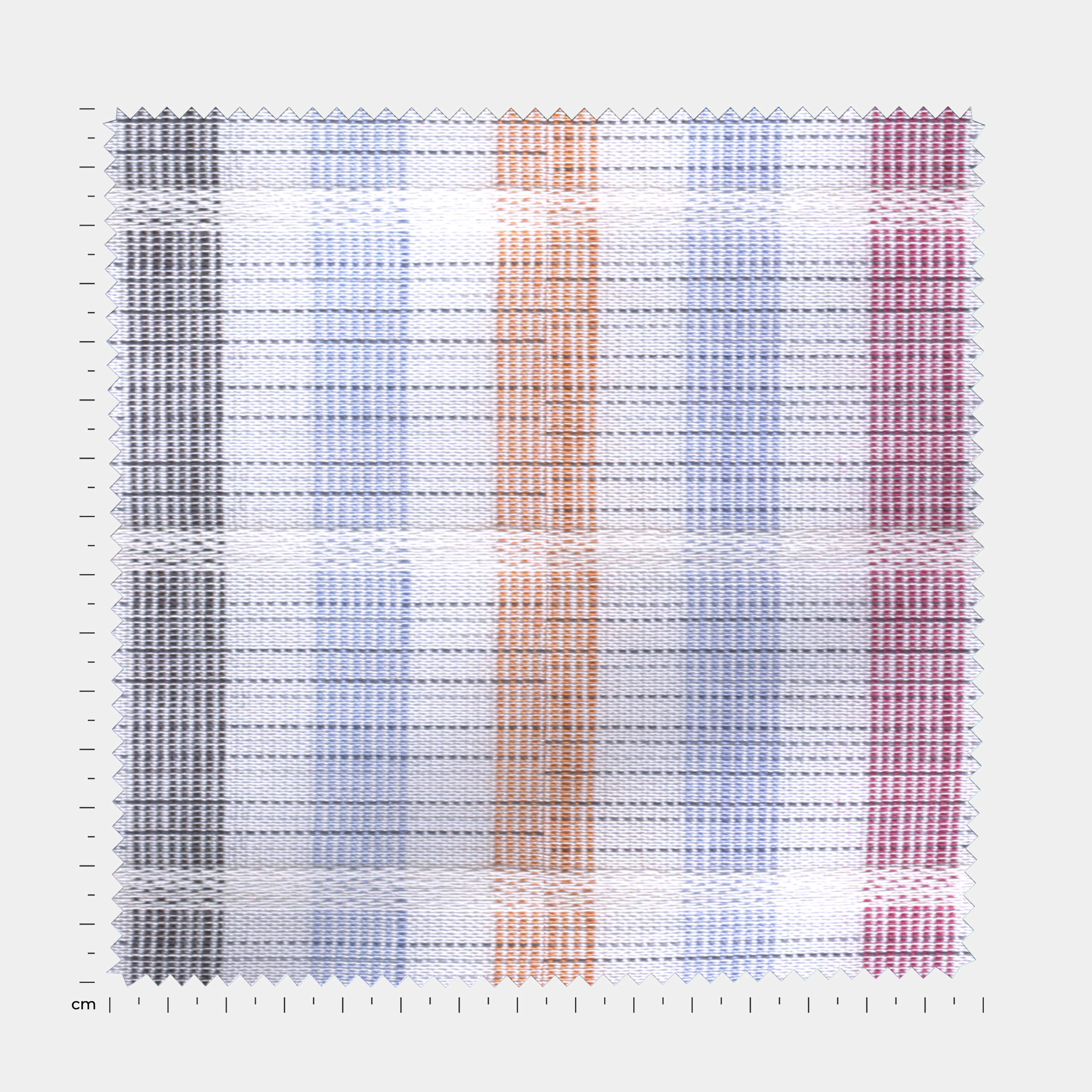
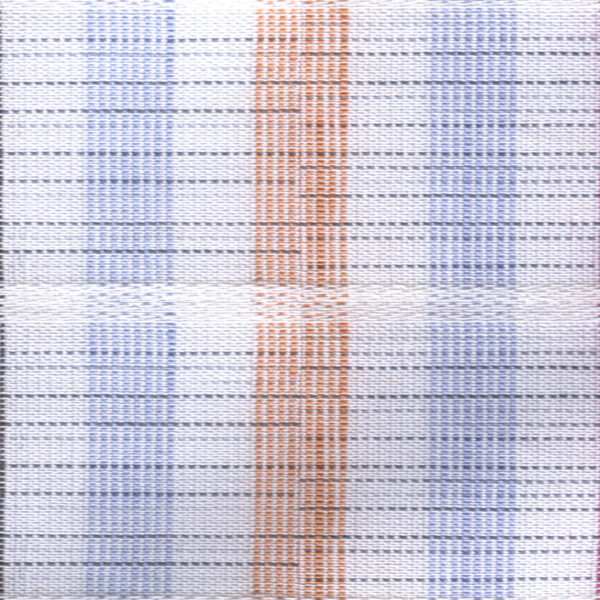
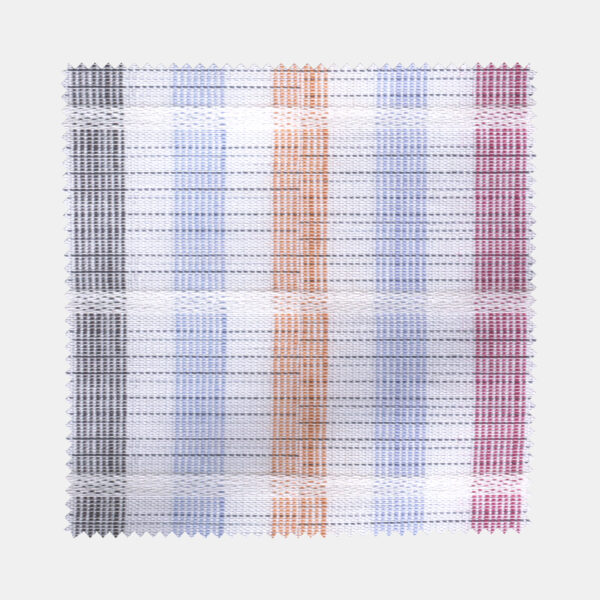
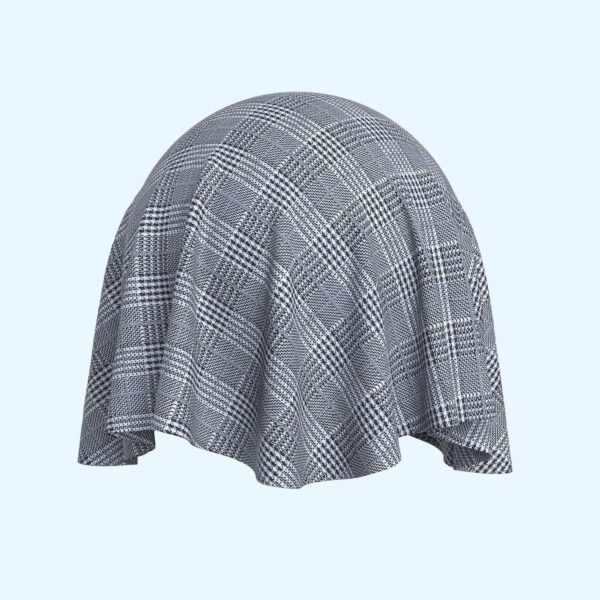
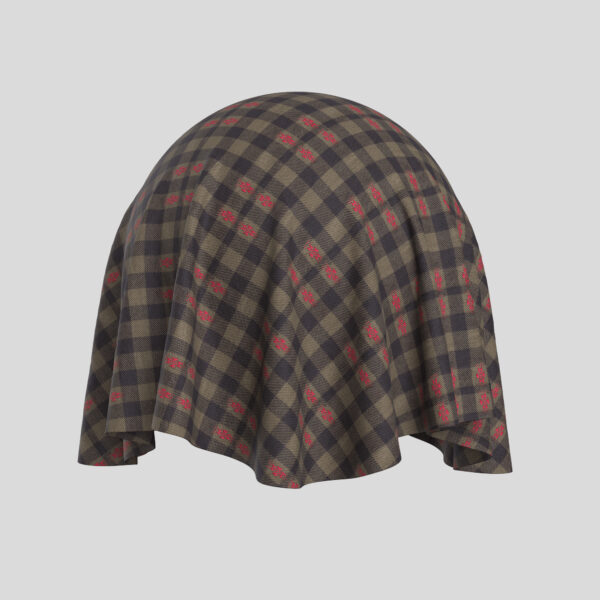
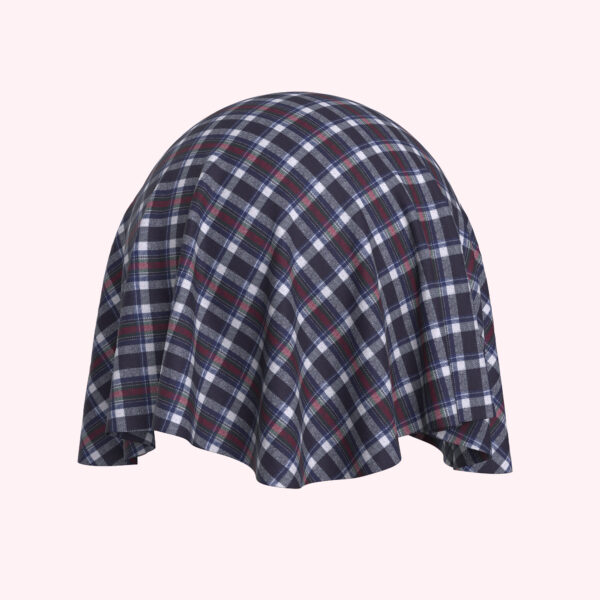
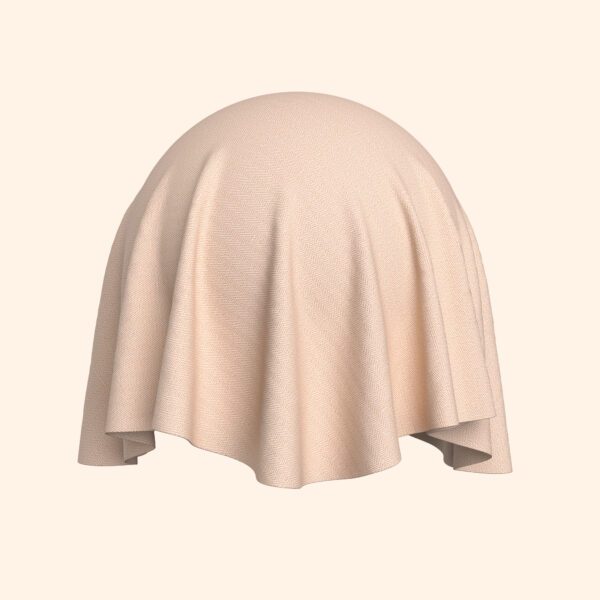
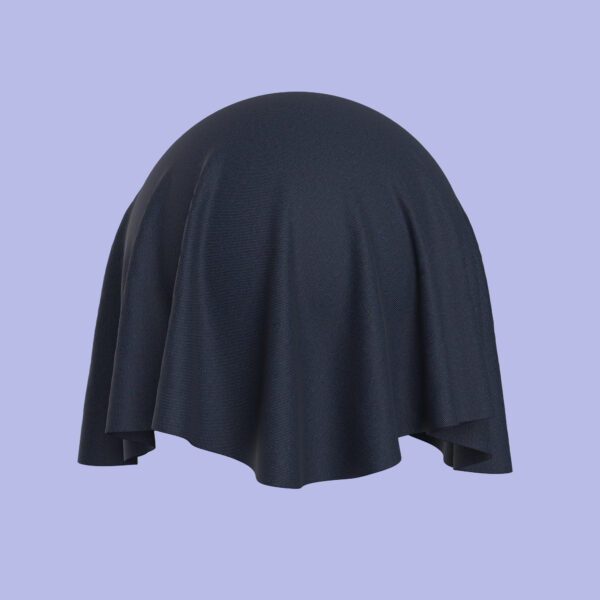
BCWDOB00760 is a detailed Digital Fabric 3D apparel model prepared for digital fashion workflows, ecommerce product visualization and collection planning. The asset highlights White, giving fashion teams a clear product view before physical sampling.
Use this digital garment for virtual showroom pages, merchandising reviews, design presentations, online catalog imagery and apparel development discussions. It helps buyers, designers and production teams evaluate silhouette, styling direction and product story with consistent front-facing visual clarity.
Binarycloth builds product visuals for brands that need faster sampling, cleaner campaign assets and scalable digital product content. This Digital Fabric model supports modern apparel workflows where accurate 3D visualization reduces repeated sample rounds and keeps product teams aligned.