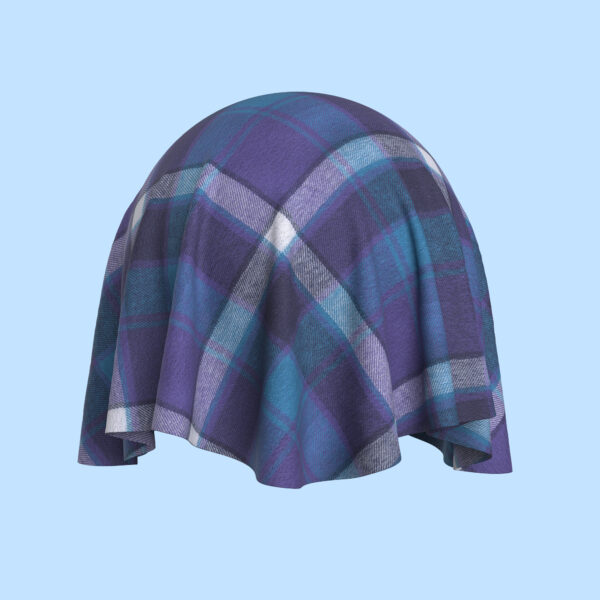
Description
what is digital fabric?
Digital fabric, also known as digitally printed fabric, refers to textiles that have patterns, designs, or images printed onto them using digital printing technology. Unlike traditional textile printing methods, which involve manual screen printing or rotary printing, digital fabric printing relies on computer-controlled inkjet printers to apply ink directly onto the fabric. Here are some key characteristics and aspects of digital fabric:
-
- Design Versatility: Digital fabric printing allows for highly detailed, intricate, and multicolored designs. Designers can create custom patterns, images, and graphics that are challenging to achieve with traditional printing methods.
- Customization: Digital fabric printing enables customization, making it possible to print unique and personalized designs on fabric. This is particularly appealing for fashion designers and brands looking to offer exclusive and individualized products.
- High Precision: Digital fabric printing offers high precision and accuracy in applying colors and designs to fabric. This results in a sharp and well-defined print quality.
- Photorealistic Printing: Digital fabric printing can reproduce photorealistic images and photographs on textiles, allowing for the creation of garments and accessories with lifelike visual effects.
How digital fabric changed fashion design?
Digital fabric has brought significant changes to fashion design agencies, offering new possibilities, efficiencies, and creative opportunities. Here’s how digital fabric has influenced fashion design agencies:
- Design Flexibility: Fashion designers and agencies can create highly detailed and customized patterns and prints, allowing for greater creative expression and unique design concepts.
- Customization: Digital fabric printing enables fashion agencies to offer customization to clients. They can produce one-of-a-kind pieces tailored to individual preferences or specific design requirements.
- Short-Run Production: Fashion design agencies can engage in short-run and on-demand production, eliminating the need for large quantities of pre-printed fabric. This reduces excess inventory and waste, making production more sustainable and cost-effective.
- Efficiency and Speed: Digital fabric printing is a faster process compared to traditional printing methods. This speed accelerates the design and production cycle, allowing agencies to bring their creations to market more quickly.
- Design Innovation: Digital fabric technology encourages fashion designers to experiment with new techniques, styles, and visual effects, fostering innovation in the creation of distinctive textile designs.
- Sustainability: The reduced water consumption, energy usage, and chemical waste associated with digital fabric printing align with the growing focus on sustainability within the fashion industry, helping agencies reduce their environmental impact.
- Complex Prints and Patterns: Design agencies can explore complex patterns, gradients, and intricate designs, expanding the range of textile possibilities and offering clients a wider selection of fabrics.
- Reduced Waste: The accuracy of digital printing minimizes the production of flawed or discarded fabrics, contributing to a reduction in overall waste. This aligns with sustainability goals and cost-saving strategies.
- Client Engagement: Agencies can engage with clients by offering personalized and customized textile options, ensuring that clients’ specific needs and preferences are met.
- Unique Creations: Digital fabric printing allows fashion design agencies to create unique and artistic textile designs that stand out in a competitive market, catering to clients looking for distinctive and expressive textiles.
Digital fabric printing offers numerous benefits to the fashion and textile industry, as well as to designers, brands, and consumers. Here are some key advantages of using digital fabric printing:
- Design Versatility: Digital fabric printing allows for highly detailed and intricate designs with a wide range of colors. Designers have the flexibility to create unique, custom patterns and prints.
- Customization: Digital printing enables the production of custom and personalized fabric designs, catering to individual preferences and specific design requirements.
- Short-Run and On-Demand Production: Digital fabric printing supports short-run and on-demand production, reducing the need for large quantities of pre-printed fabric. This minimizes excess inventory and waste.
- Efficiency and Speed: The digital printing process is faster compared to traditional printing methods, allowing designers and manufacturers to accelerate their design and production cycles.
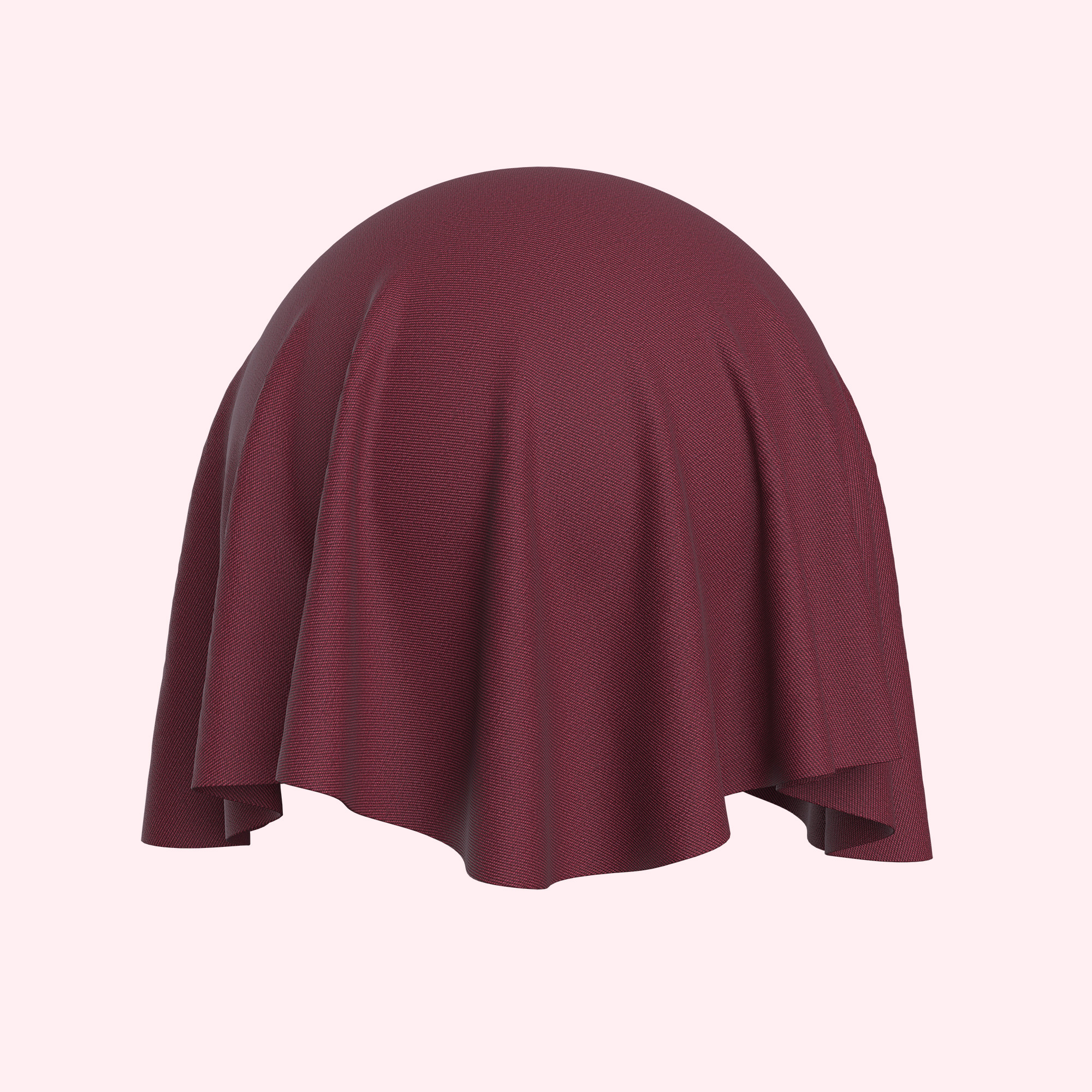
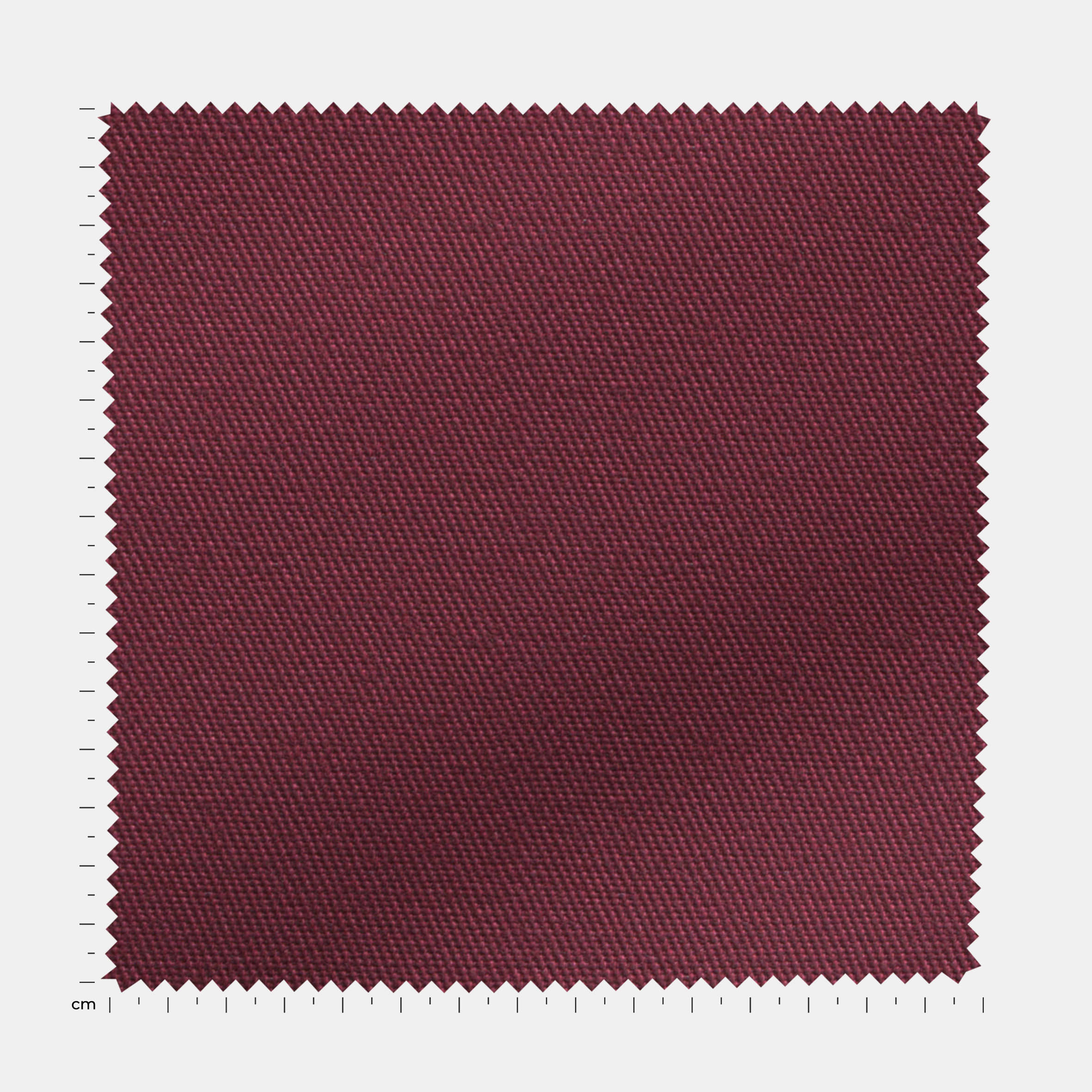
BCWTWI01317 3D apparel model
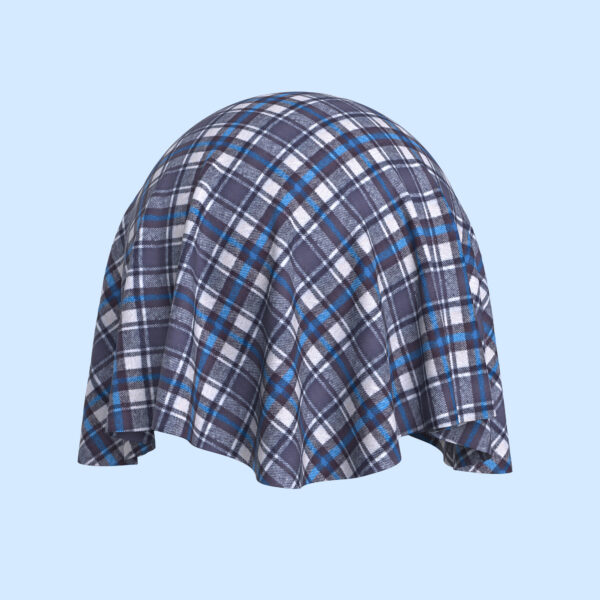
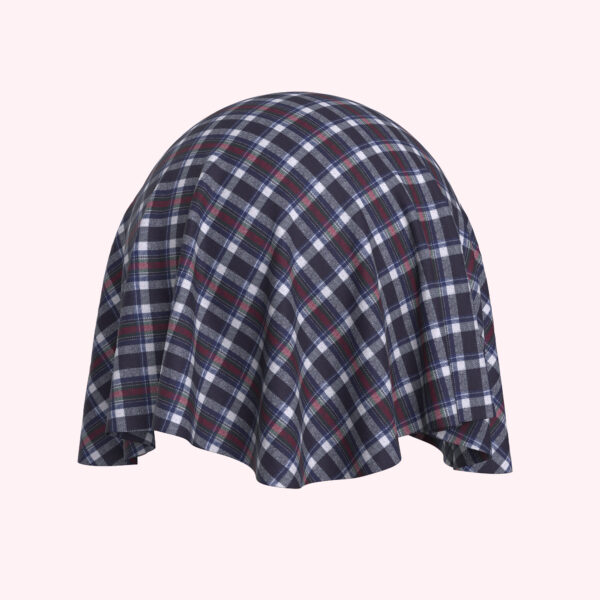
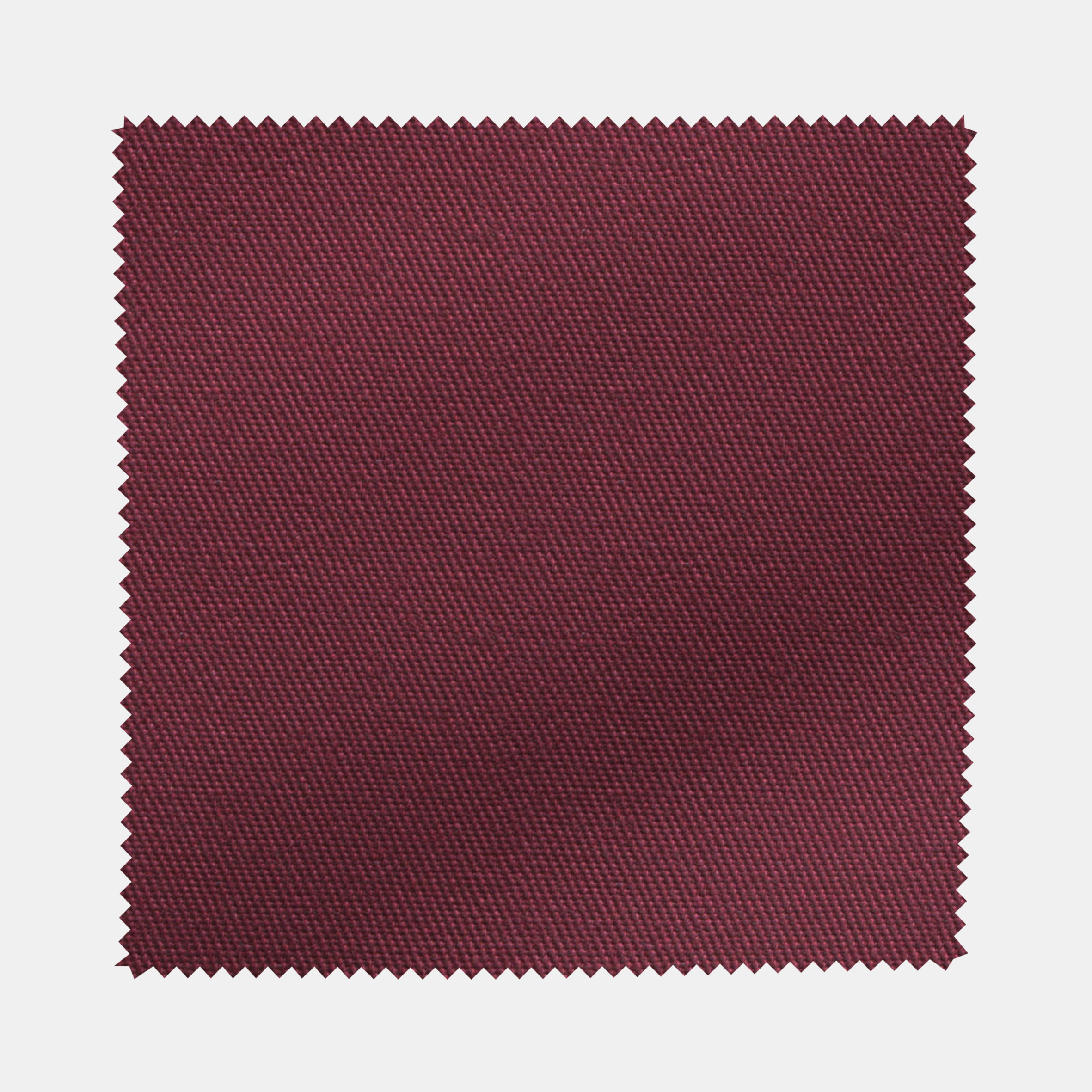
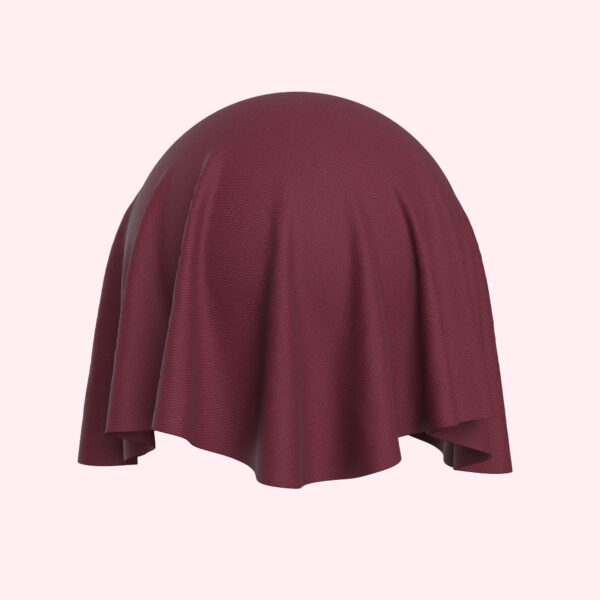
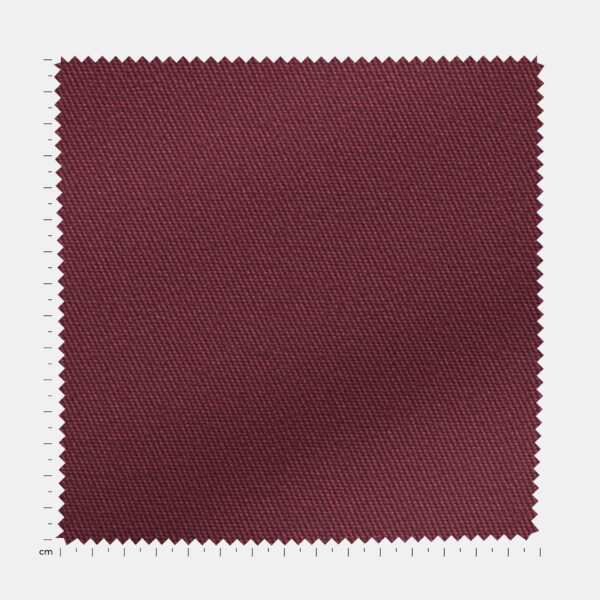
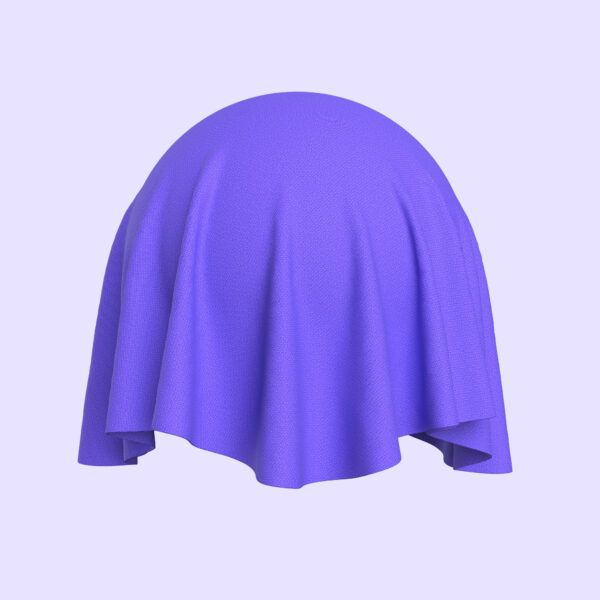
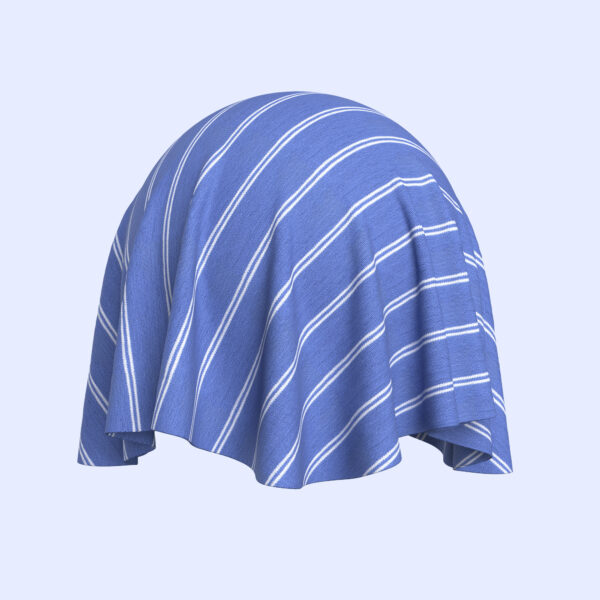
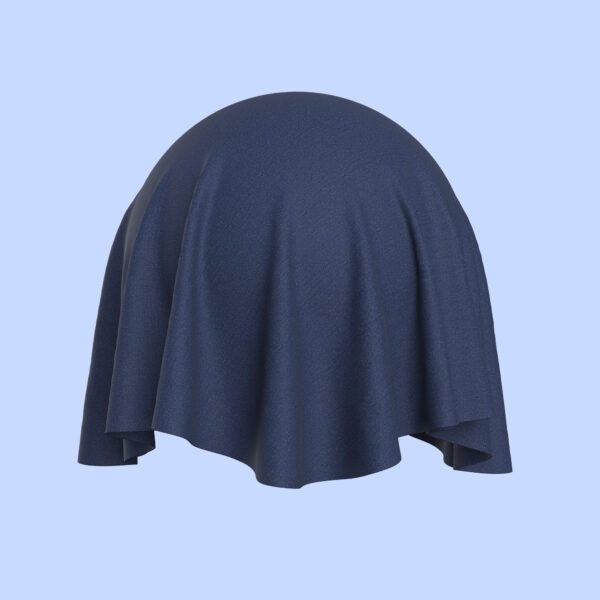
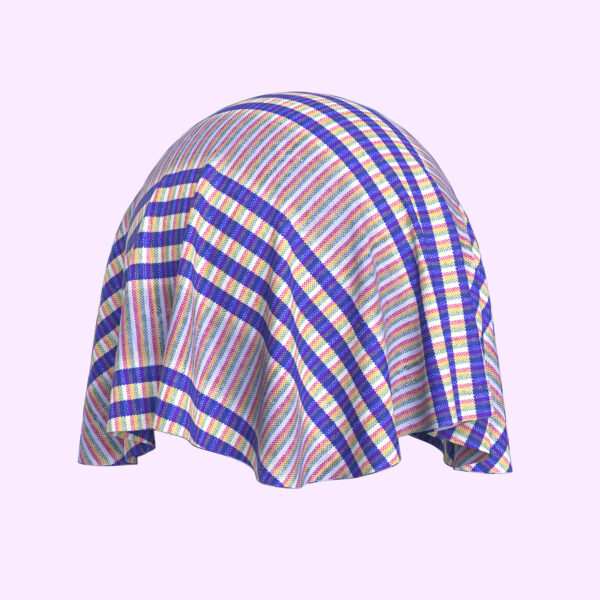
BCWTWI01317 is a detailed Digital Fabric 3D apparel model prepared for digital fashion workflows, ecommerce product visualization and collection planning. The asset highlights Burgundy, giving fashion teams a clear product view before physical sampling.
Use this digital garment for virtual showroom pages, merchandising reviews, design presentations, online catalog imagery and apparel development discussions. It helps buyers, designers and production teams evaluate silhouette, styling direction and product story with consistent front-facing visual clarity.
Binarycloth builds product visuals for brands that need faster sampling, cleaner campaign assets and scalable digital product content. This Digital Fabric model supports modern apparel workflows where accurate 3D visualization reduces repeated sample rounds and keeps product teams aligned.