Description
What is digital sample?
Digital samples refer to digital representations of physical objects, materials, or products. These digital samples are created using various technologies such as 3D scanning, 3D modeling, computer-aided design (CAD), and computer-generated graphics. They serve a wide range of purposes in different industries, including fashion, manufacturing, product design, and more. Here are some key aspects of digital samples:
-
- 3D Models: In the context of 3D digital design, digital samples are often 3D models of objects, products, or prototypes. These models can represent anything from architectural structures to fashion items, and they are created digitally using specialized software.
- Product Visualization: Digital samples are used to visualize how a product will appear in a digital or virtual environment. They can accurately represent the size, shape, texture, and color of the physical object, providing a realistic representation of the final product.
- Prototyping: Digital samples can replace physical prototypes in various industries, reducing the need for the creation of physical mock-ups. This can save time and resources in product development.
- Cost Reduction: Creating physical prototypes can be expensive and time-consuming, especially in industries like manufacturing and fashion. Digital samples help cut costs associated with materials, labor, and iteration.
- Iterative Design: Digital samples allow for quick and cost-effective iterations. Designers and engineers can make changes to the digital model and assess the impact without the need to recreate physical prototypes.
- Sustainability: Reducing the number of physical prototypes and samples contributes to sustainability efforts by minimizing waste and resource consumption. It aligns with eco-friendly practices in industries where sustainability is a concern.
- Visualization in 3D Environments: Digital samples are often used in 3D environments, including virtual reality (VR) and augmented reality (AR) applications. These environments allow users to interact with and experience the digital samples in an immersive manner.
- Quality Control: Digital samples enable designers and engineers to inspect and test products for quality and functionality before production. This helps identify potential issues and errors early in the design process.
- Remote Collaboration: Digital samples facilitate collaboration between team members, even when they are geographically distant. Team members can review and provide feedback on digital samples remotely.
what is the importance of digital sample in fashion design?
Digital samples are a critical component of clo3d digital fashion design, and their importance is multifaceted in the fashion industry. Here are key reasons why digital samples are significant in this context:
- Cost Efficiency: Digital samples are considerably more cost-effective than physical prototypes. Creating physical samples involves the cost of materials, labor, and often results in multiple iterations. Digital samples reduce these costs, making fashion design more budget-friendly, especially for emerging designers and smaller brands.
- Time Savings: The process of creating physical samples is time-consuming, often requiring multiple iterations before achieving the desired design. Digital samples speed up the design and development process, enabling quicker turnaround times for fashion technology.
- Sustainability: Reducing the need for physical samples aligns with sustainability goals in the fashion industry. By minimizing waste and unnecessary resource consumption, digital samples contribute to a more eco-friendly and sustainable design and production process.
- Endless Iterations: Digital samples allow for unlimited iterations without additional costs or waste. Designers can experiment with various designs, materials, colors, and sizes until they achieve the desired outcome. This flexibility promotes creativity and the exploration of innovative design concepts.
- Realistic Visualization: 3D digital fashion design platforms provide realistic and highly detailed visualizations of garments. Designers and stakeholders can see how a garment will look and behave in a three-dimensional environment, offering a more accurate representation compared to 2D sketches.
- Fit and Sizing Testing: virtual samples enable virtual fit and sizing tests, ensuring that garments fit different body types accurately. This contributes to more inclusive and customer-centric fashion design.
- Pattern Development: Virtual fashions often incorporate pattern-making tools, helping designers create precise patterns for garments. This is crucial for ensuring that the garment is constructed accurately and fits as intended.
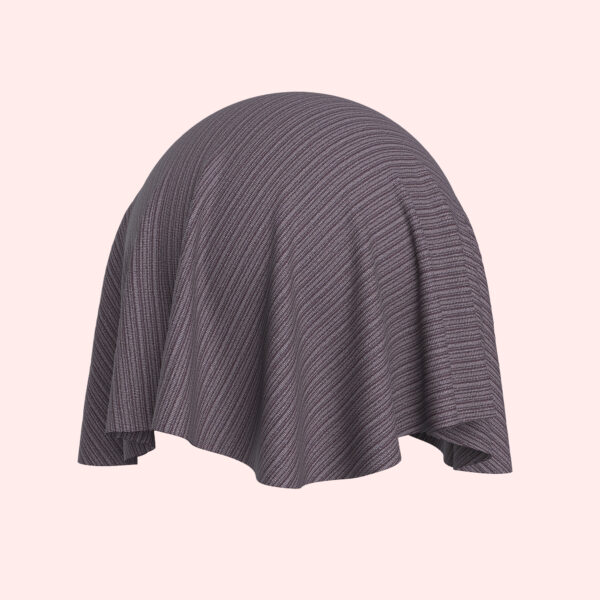
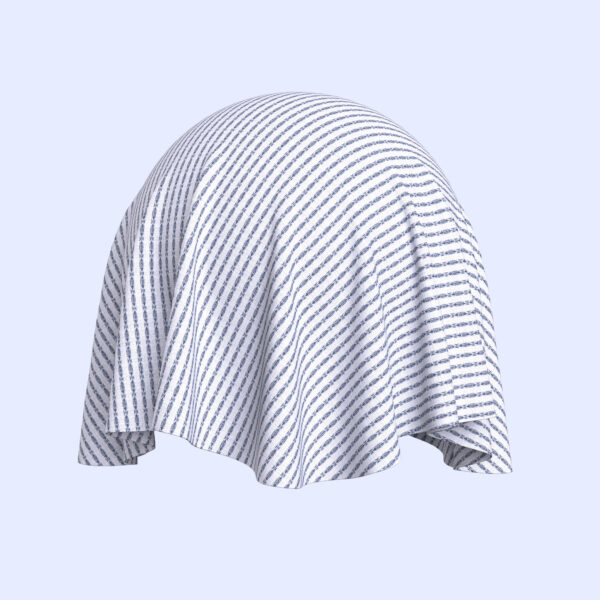
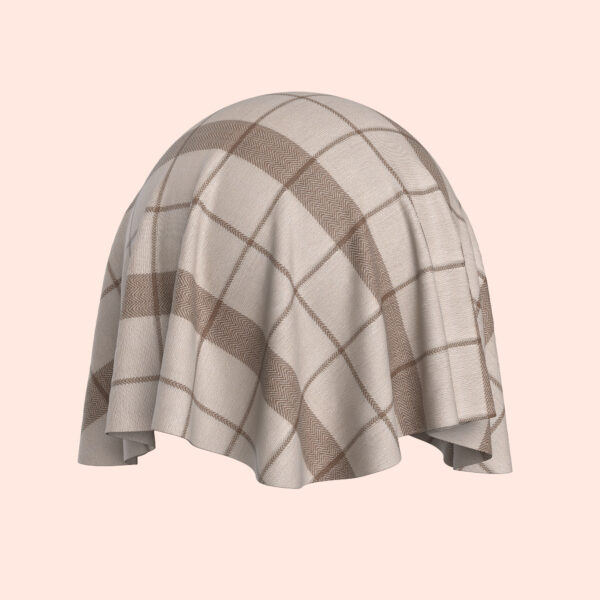
- Material Simulation: 3D fashion design software allows for the realistic simulation of various fabrics and materials. This enables designers to assess how different materials drape, move, and behave in the virtual environment, aiding in fabric selection.
- Remote Collaboration: Digital samples facilitate remote collaboration among designers, manufacturers, and stakeholders. With digital samples, team members can review and provide feedback from anywhere in the world, streamlining the design and production process.
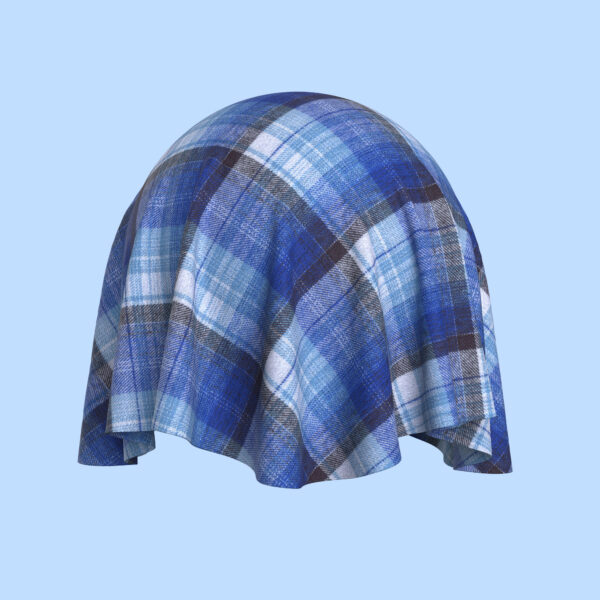
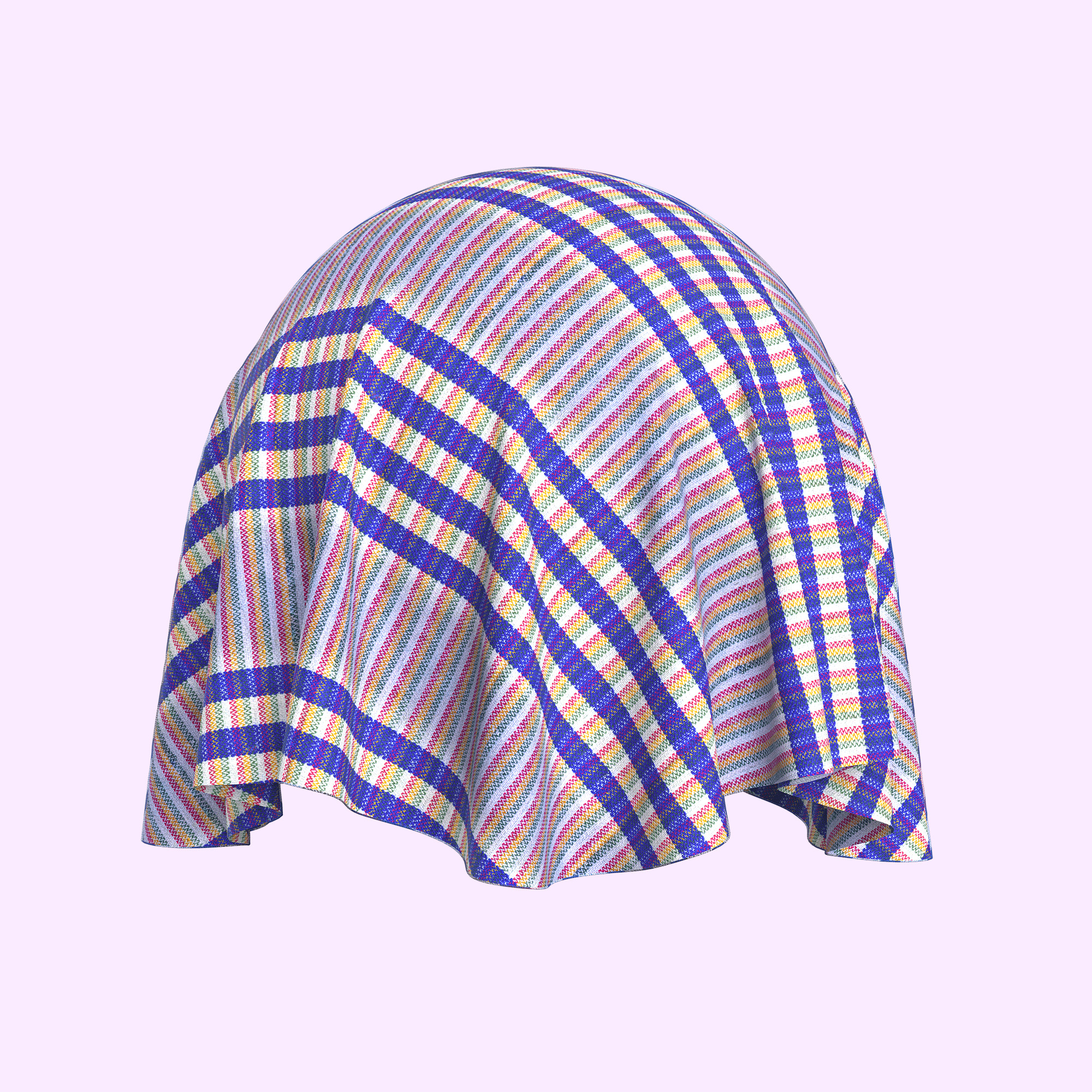
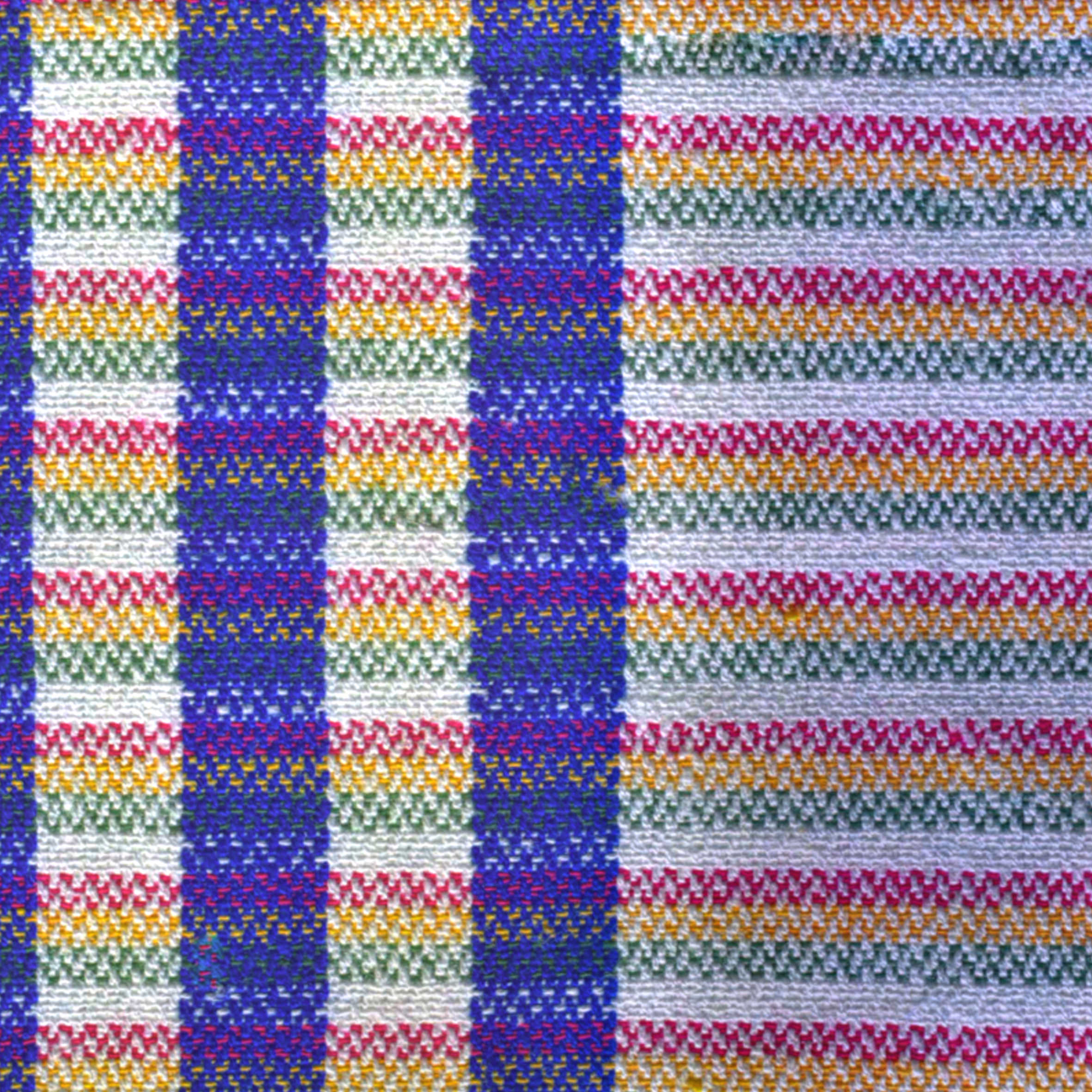
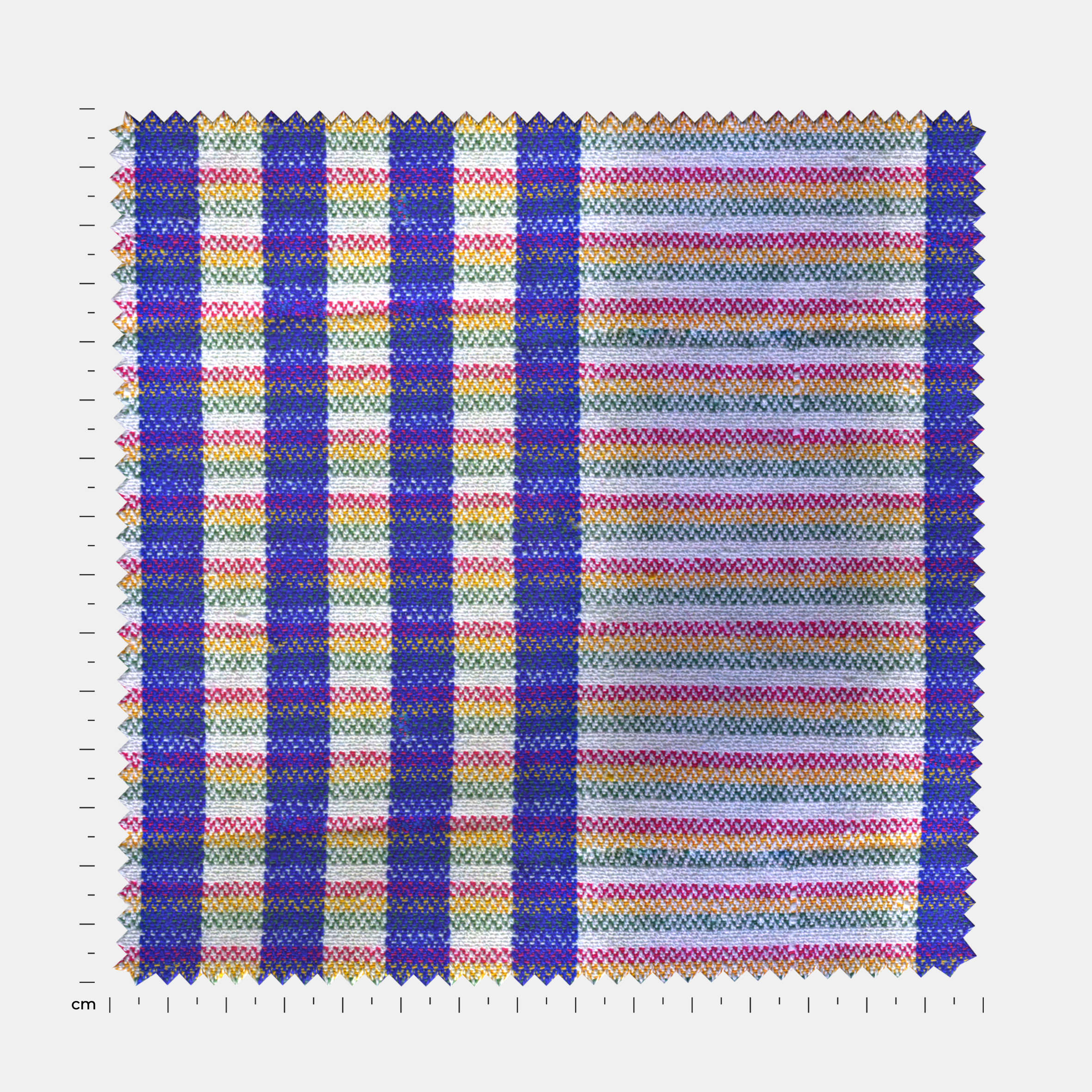
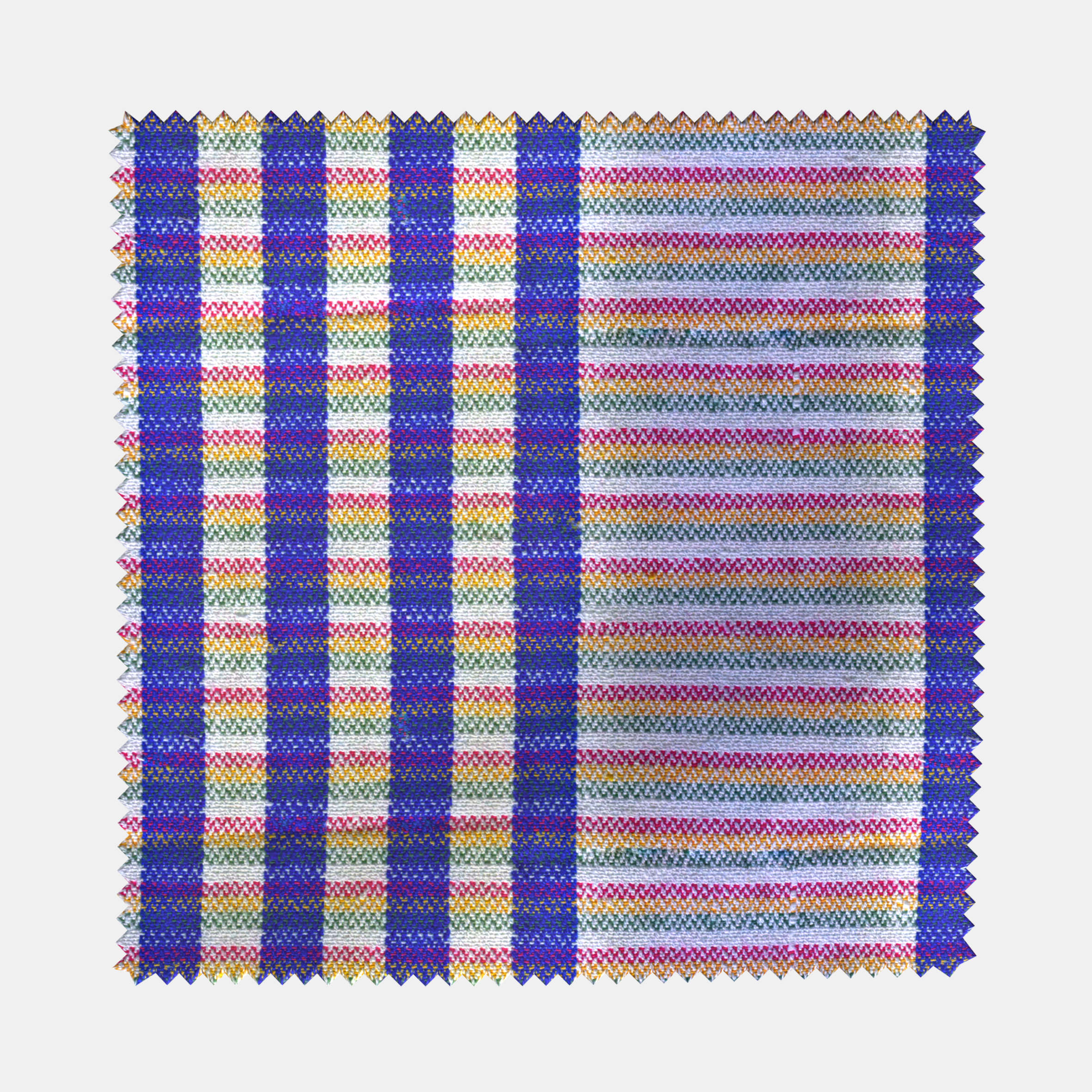
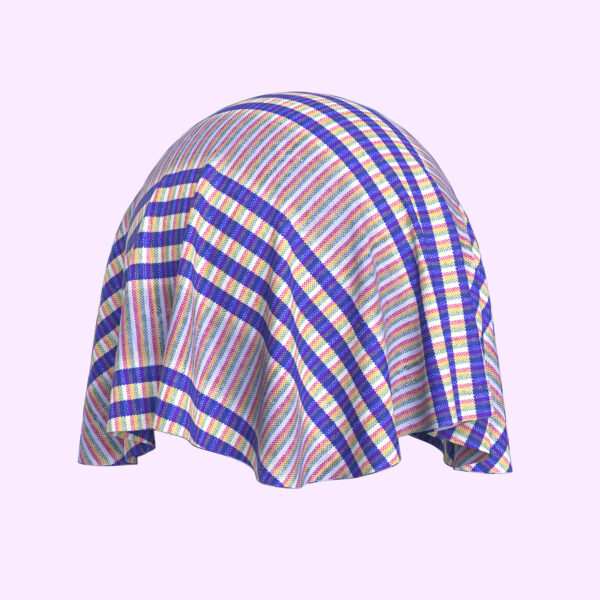
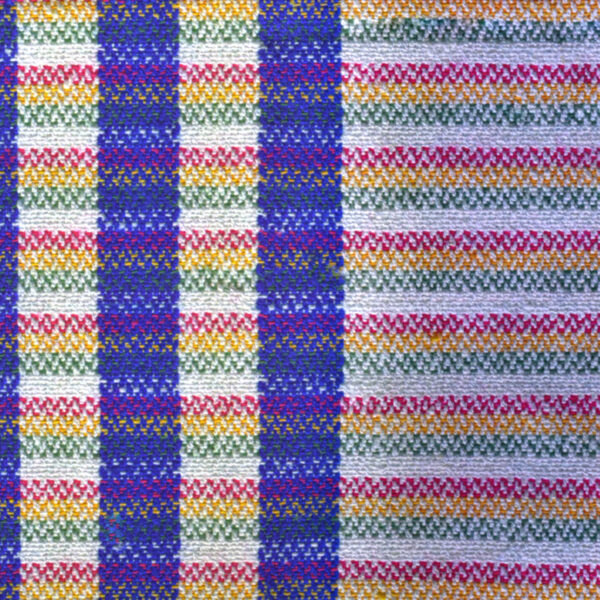
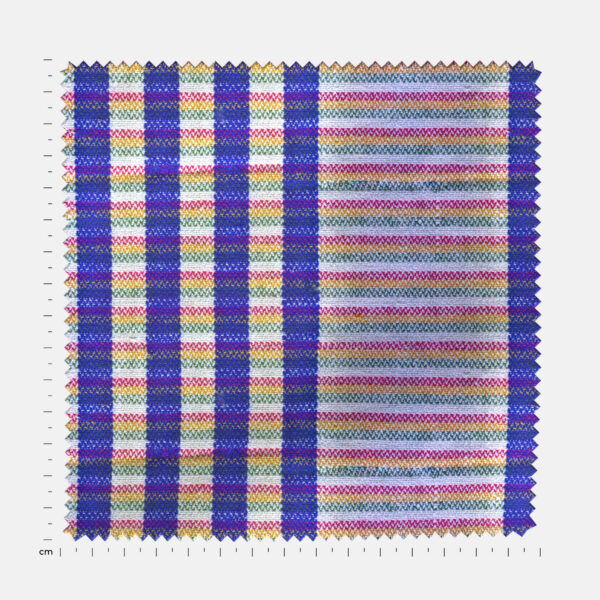
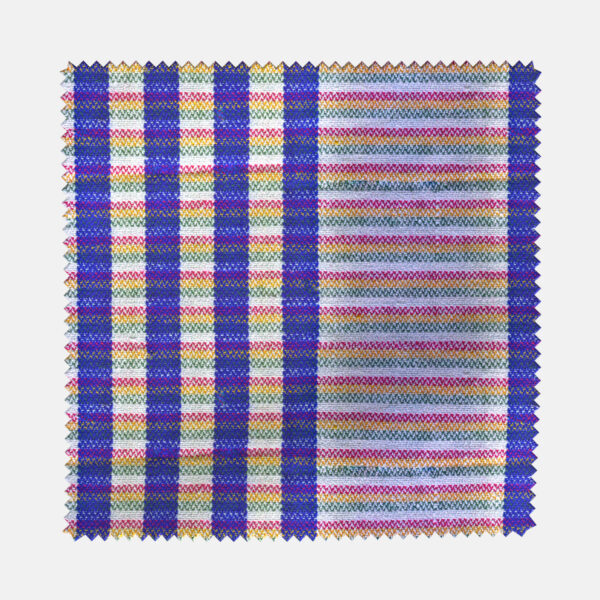
BCWDOB03819 3D apparel model
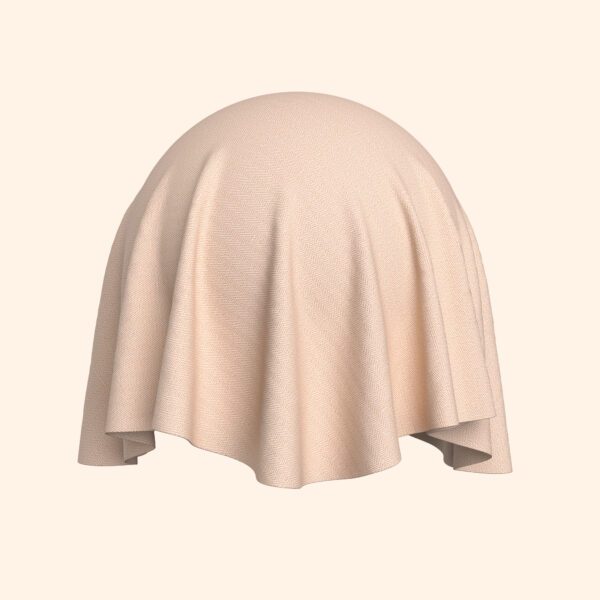
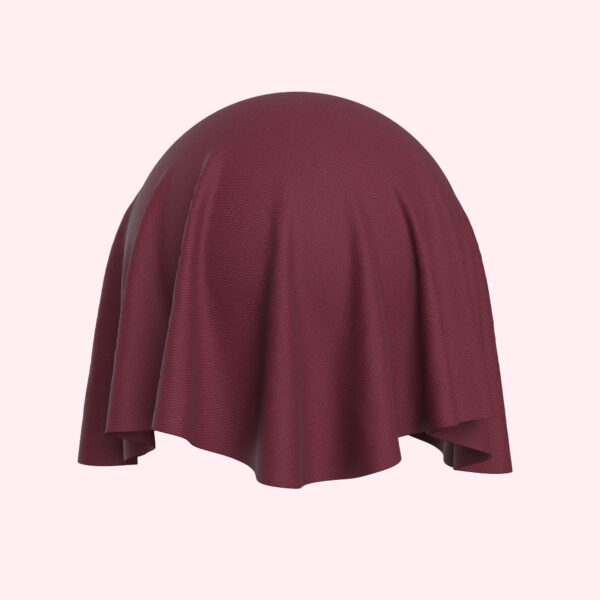
BCWDOB03819 is a detailed Digital Fabric 3D apparel model prepared for digital fashion workflows, ecommerce product visualization and collection planning. The asset highlights Blue, giving fashion teams a clear product view before physical sampling.
Use this digital garment for virtual showroom pages, merchandising reviews, design presentations, online catalog imagery and apparel development discussions. It helps buyers, designers and production teams evaluate silhouette, styling direction and product story with consistent front-facing visual clarity.
Binarycloth builds product visuals for brands that need faster sampling, cleaner campaign assets and scalable digital product content. This Digital Fabric model supports modern apparel workflows where accurate 3D visualization reduces repeated sample rounds and keeps product teams aligned.