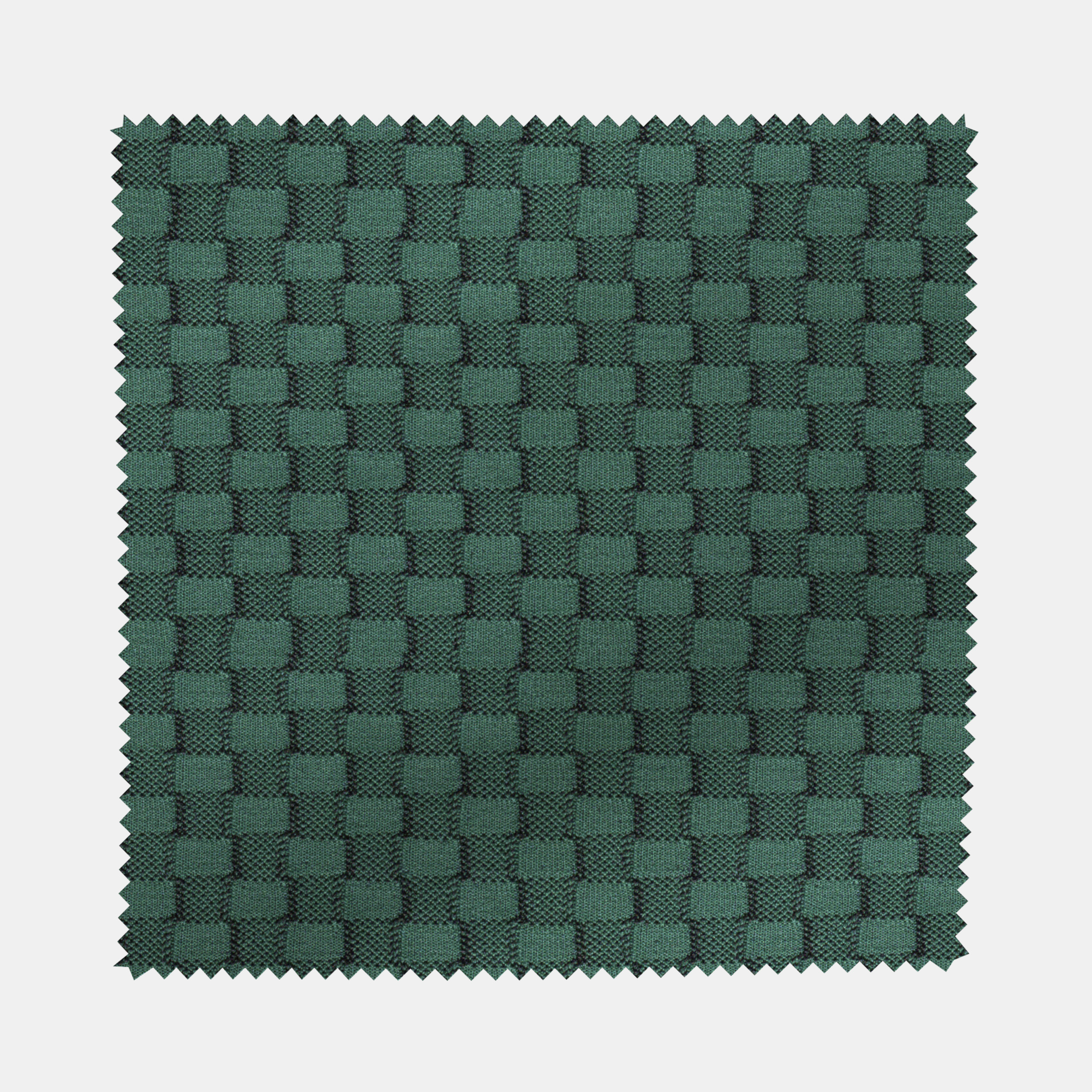
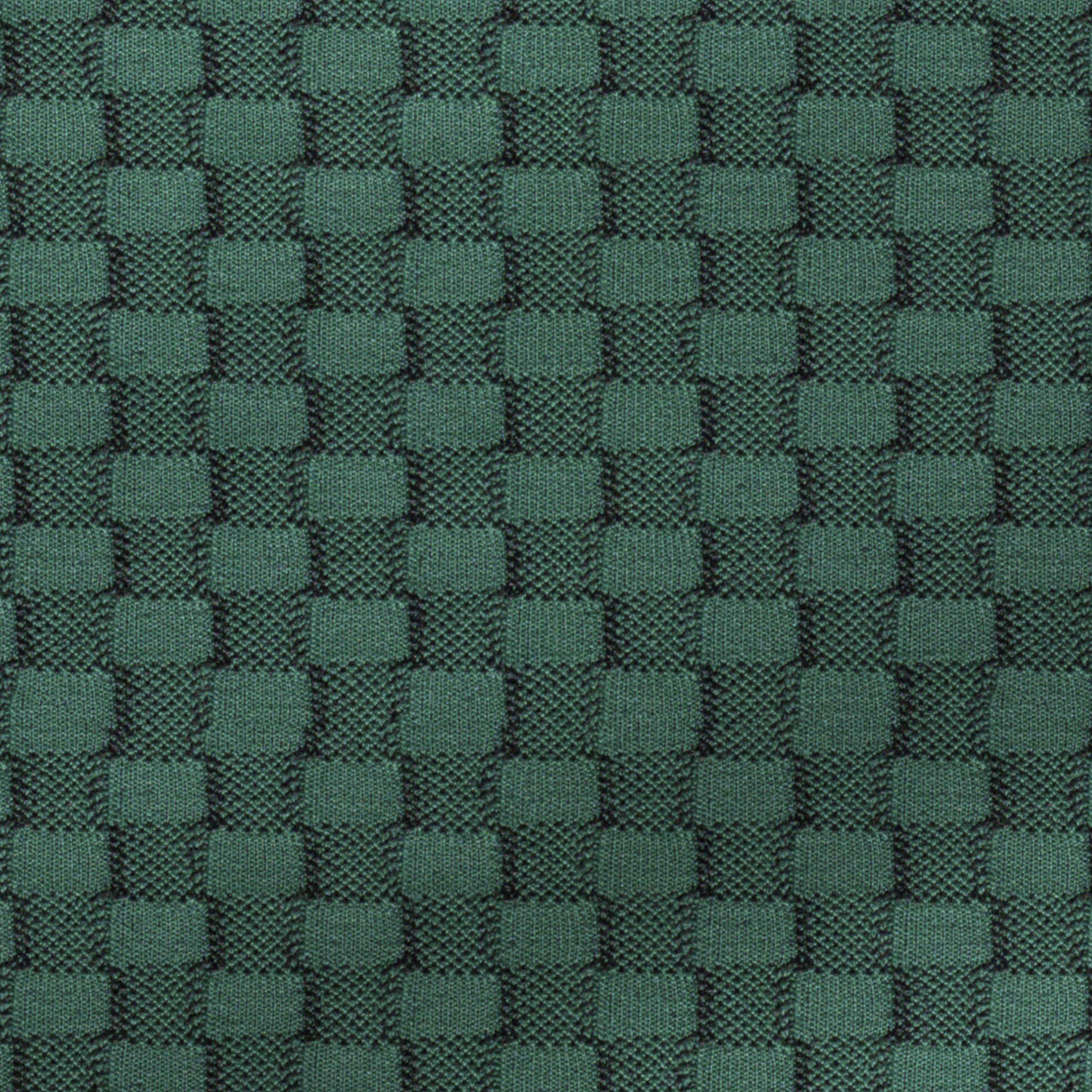
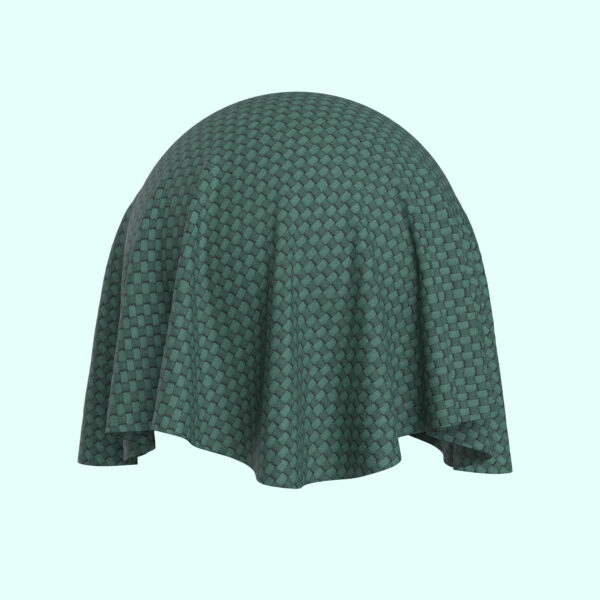
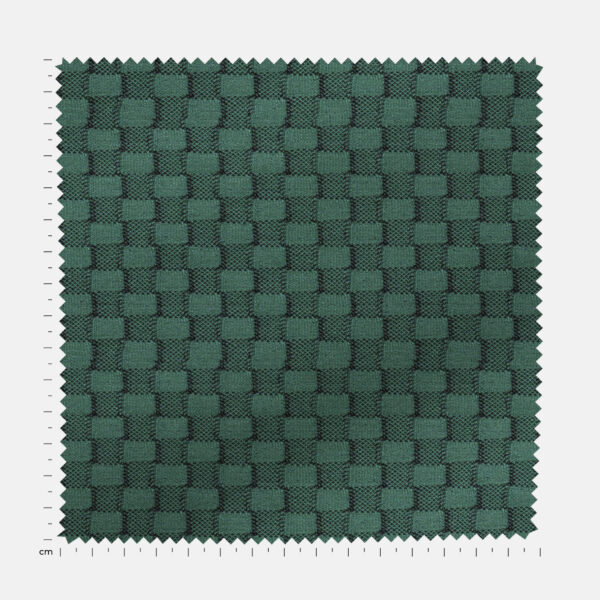
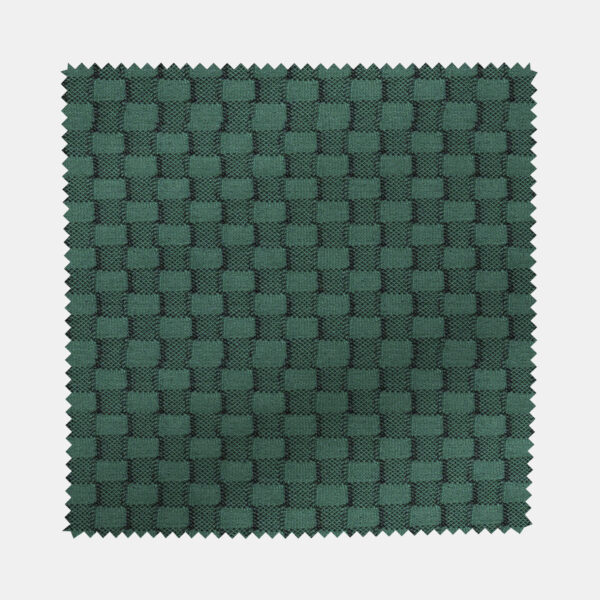
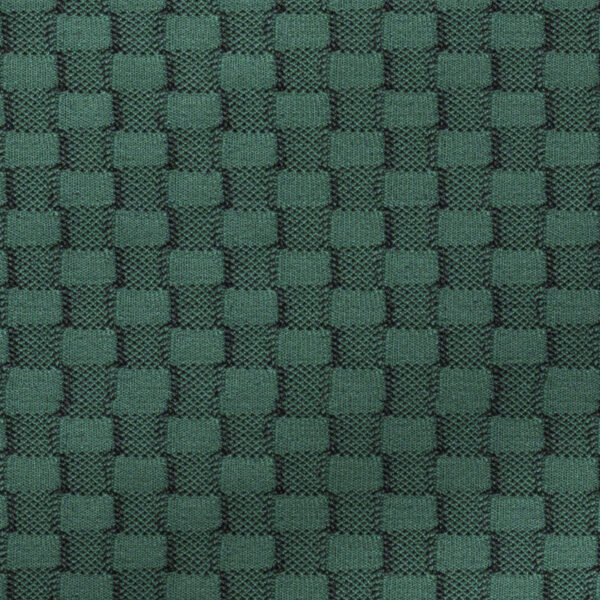
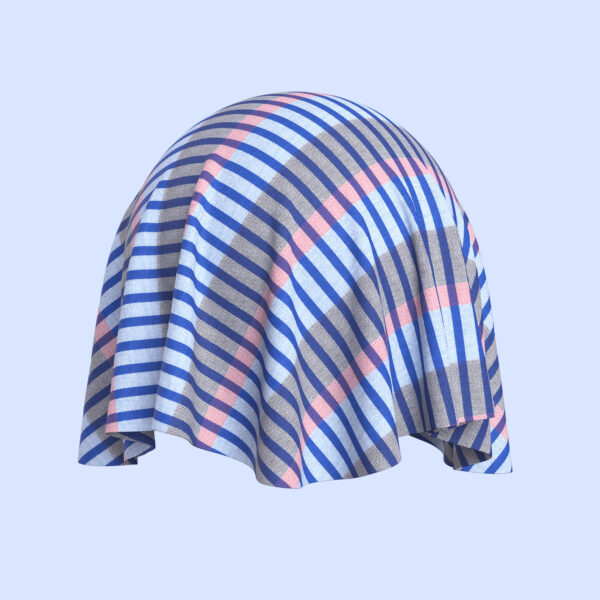
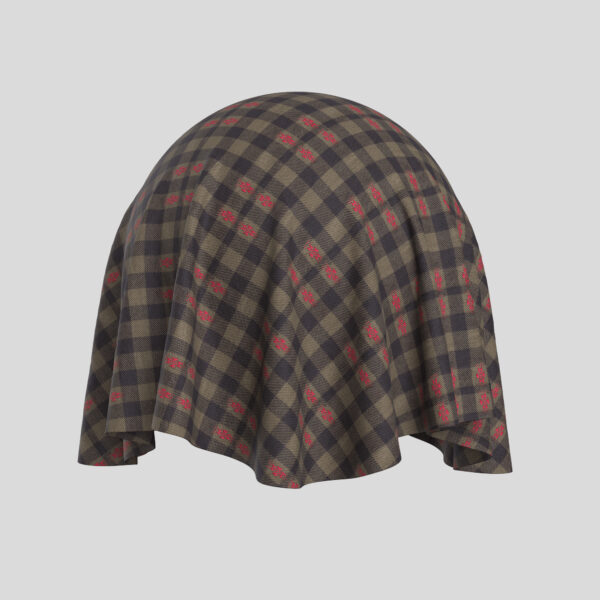
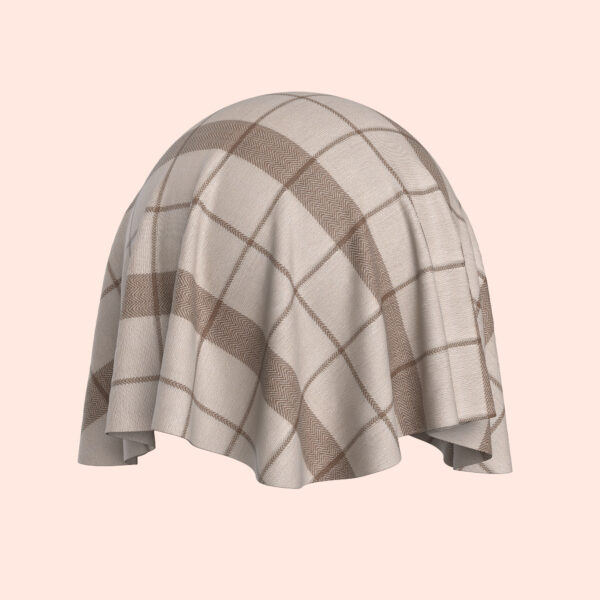
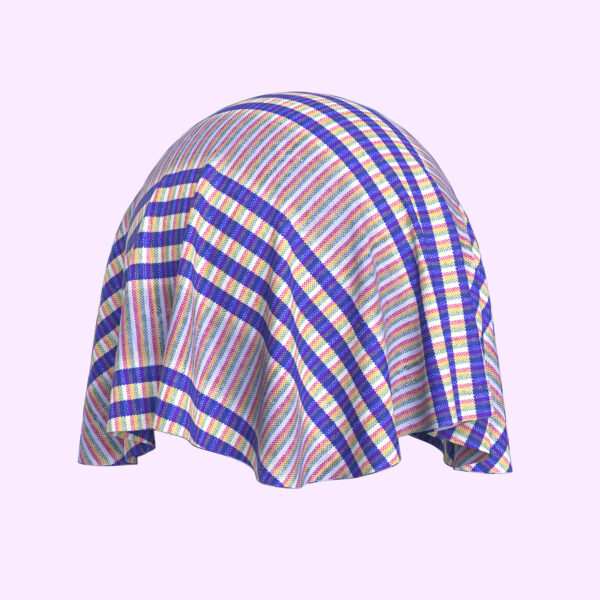
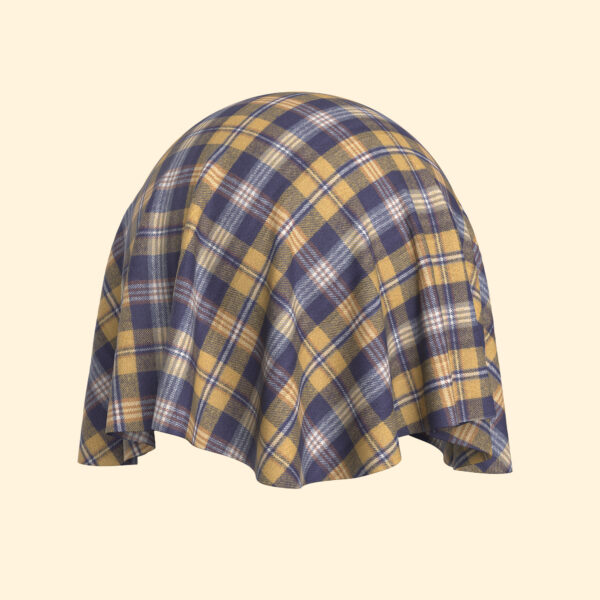
Description
What is 3D Product Configurator?
A 3D product configurator is a software application or tool that allows customers to customize and personalize products in a three-dimensional (3D) environment. It empowers customers to tailor products to their specific preferences by choosing various options, such as colors, materials, features, and accessories. Here are the key features and functions of a 3D product configurator:
- Interactive 3D Visualization: The core feature of a 3D product configurator is its ability to present products in a dynamic 3D environment. Customers can rotate, zoom, and view the product from different angles to get a comprehensive understanding of how their customizations will appear.
- Customization Options: Users can select from a range of product attributes, including color, size, style, material, and features. The available options may vary depending on the type of product and the configurator’s capabilities.
- Real-Time Changes: As customers make selections and adjustments, the 3D product configurator instantly updates the visual representation of the product. This real-time feedback allows users to see how their choices affect the final product.
- Visual Consistency: The configurator ensures that the product maintains a consistent visual quality and accuracy regardless of the chosen customizations, ensuring that the end result looks realistic and appealing.
- Price Calculation: Some 3D product configurators also calculate the final price based on the selected customizations. Customers can see the price change as they make adjustments, helping them stay within their budget.
How 3D Product Configurator changed the fashion industry?
3D product configurators have brought about significant changes in the fashion industry, impacting various aspects of the fashion business, from design and manufacturing to marketing and the shopping experience. Here are some ways in which 3D product configurators have transformed the fashion industry:
- Customization and Personalization: 3D product configurators allow customers to customize and personalize fashion items, such as clothing, footwear, and accessories, by choosing colors, materials, styles, and sizes. This level of customization caters to individual preferences and has become a selling point for many fashion brands.
- Virtual Try-On: Fashion configurators often include virtual try-on features, enabling customers to see how clothing and accessories will look on them. This reduces the uncertainty associated with online shopping and helps customers make more informed purchase decisions.
- Reduced Returns: The ability to virtually try on products and see customized options in real time reduces the likelihood of returns. This is particularly important in the fashion industry, where fit and style preferences vary widely.
- Cost Efficiency: For fashion designers and manufacturers, 3D configurators reduce the need for creating physical prototypes, samples, and inventory of various sizes and styles. This leads to cost savings and more efficient production processes.
- Design Collaboration: 3D product configurators facilitate collaboration among designers, manufacturers, and other stakeholders by providing a digital platform for sharing product designs and configurations, regardless of their locations.
- Realistic Product Visualization: The 3D nature of configurators allows customers to interact with products in a realistic manner. They can rotate, zoom in, and view products from various angles, providing a comprehensive understanding of the product.
- Customer Engagement: Interactive 3D product configurators enhance customer engagement and create a more immersive shopping experience, resulting in higher levels of customer satisfaction and brand loyalty.
- Online Shopping Enhancement: Fashion configurators are commonly integrated into e-commerce websites, enabling customers to configure and order personalized products directly from the online store, improving the online shopping experience.
- Marketing and Promotion: Fashion brands use 3D product configurators in their marketing efforts to create interactive advertisements, engage potential customers, and showcase the possibilities of their customizable products.
- Sustainability: By reducing the need for physical prototypes and samples, 3D product configurators contribute to more sustainable and environmentally friendly fashion practices, as they minimize waste.