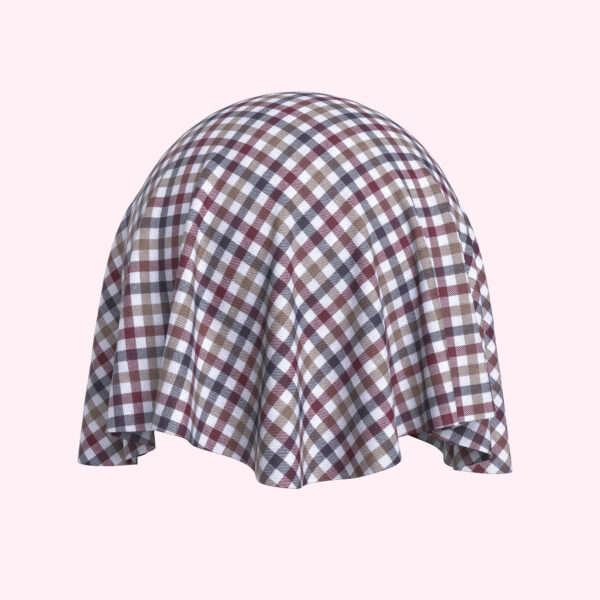
Description
What is digital fabric?
Digital fabric offers several benefits across various industries, including fashion, interior design, and product manufacturing. Here are some of the key advantages and benefits of using digital fabric:
-
- Design Visualization: In 3D design and modeling Designers and artists can visualize how fabrics will appear in finished products, allowing for better decision-making and design validation.
- Cost Efficiency: Creating digital fabric is often more cost-effective than producing physical fabric samples and swatches, as it eliminates material and production costs.
- Sustainability: Virtual fabric reduces the need for physical fabric samples and prototypes, contributing to more sustainable design practices by minimizing waste and resource consumption.
- Rapid Prototyping: Designers can quickly iterate on designs by making changes to digital fabric and immediately visualizing the results, speeding up the design process.
- Customization: Digital fabric allows for easy customization. Designers can adjust parameters like color, pattern, texture, and glossiness to create variations and adapt materials to specific needs.
- Reduced Material Sourcing: Designers and manufacturers can explore a wide range of materials without the logistical challenges of sourcing or acquiring physical materials.
- Visual Material Exploration: Digital fabric can simulate how fabrics will behave, drape, and look in different lighting conditions, aiding in design and material selection.
- Pattern Matching: Digital fabric can be used to ensure that patterns and textures align seamlessly when real fabrics are used in production, enhancing the visual appeal of finished products.
- Quality Control: Designers can assess the quality and performance of digital fabric before using it in physical garment production, identifying potential issues early in the design process.
what is the importance of digital fabric in fashion design?
Digital fabric plays a crucial role in modern fashion design, offering several important benefits:
- Visualization and Communication: Digital fabric allows designers to 3d fashion how different textiles will look in a garment before it’s physically produced. This aids in better communication of design ideas and helps designers make informed decisions about fabric choices.
- Efficient Prototyping: Digital fabric simulation enables virtual sample prototyping, allowing designers to see how a fabric drapes, folds, and moves on a 3D model. This is particularly valuable in the early stages of design, reducing the need for physical prototypes and minimizing waste.
- Time and Cost Savings: The ability to preview fabric digitally reduces the time and cost associated with creating physical samples. Designers can make quicker decisions about fabric selection, leading to more efficient production processes.
- Variation and Experimentation: Digital fabric tools enable designers to experiment with various fabric options easily. They can explore different textures, patterns, and colors digitally, fostering creativity and innovation in the design process.
- Accuracy in Design: Digital fashion simulations provide a high level of accuracy in depicting how a fabric will interact with the design. This helps designers ensure that the final garment aligns with their creative vision and meets quality standards.
- Customization and Personalization: Virtual fashion tools support customization by allowing designers to experiment with unique combinations of fabric types, patterns, and colors. This contributes to the trend of personalized and customizable fashion items.
- Environmental Sustainability: Digital material reducing the reliance on physical samples and prototypes, digital fabric contributes to more sustainable practices in the fashion industry. It aligns with efforts to minimize waste and make the design and production process more eco-friendly.
- Collaboration and Communication in the Supply Chain: Digital Clothing can be easily shared among different stakeholders in the fashion supply chain, including designers, manufacturers, and retailers. This enhances collaboration, reduces misunderstandings, and streamlines the production workflow.
In summary, the importance of digital fabric in Fashion Technology lies in its ability to enhance visualization, streamline the design process, reduce waste, and support more sustainable and efficient practices throughout the fashion industry.
BCWTWI00193 3D apparel model
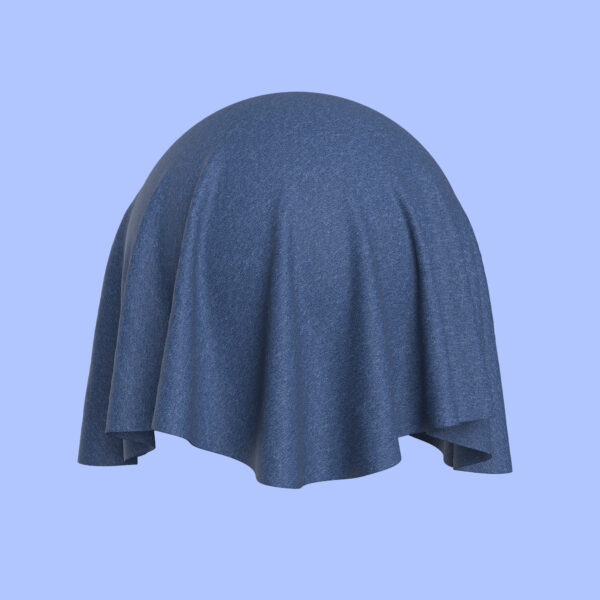
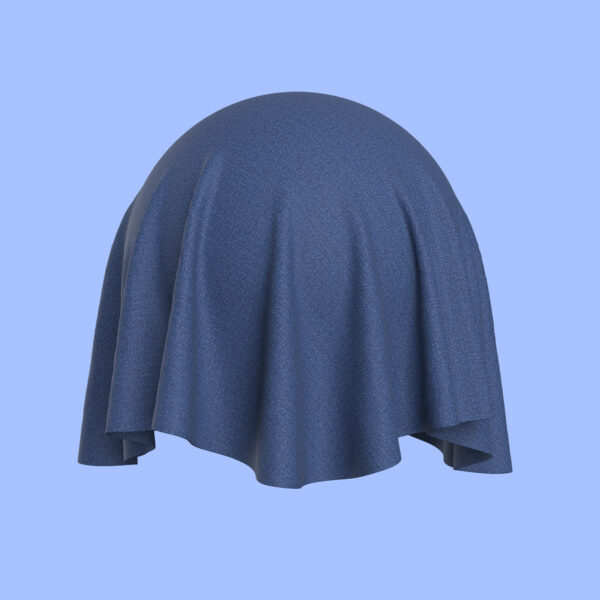
BCWTWI00193 is a detailed Digital Fabric 3D apparel model prepared for digital fashion workflows, ecommerce product visualization and collection planning. The asset highlights Indigo, giving fashion teams a clear product view before physical sampling.
Use this digital garment for virtual showroom pages, merchandising reviews, design presentations, online catalog imagery and apparel development discussions. It helps buyers, designers and production teams evaluate silhouette, styling direction and product story with consistent front-facing visual clarity.
Binarycloth builds product visuals for brands that need faster sampling, cleaner campaign assets and scalable digital product content. This Digital Fabric model supports modern apparel workflows where accurate 3D visualization reduces repeated sample rounds and keeps product teams aligned.