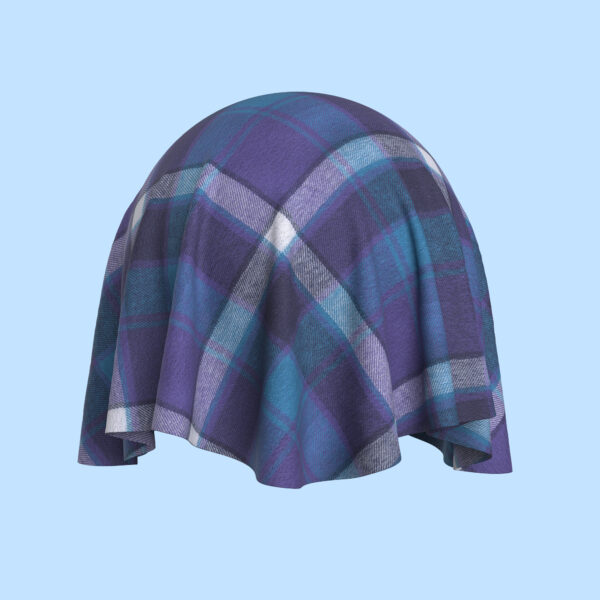
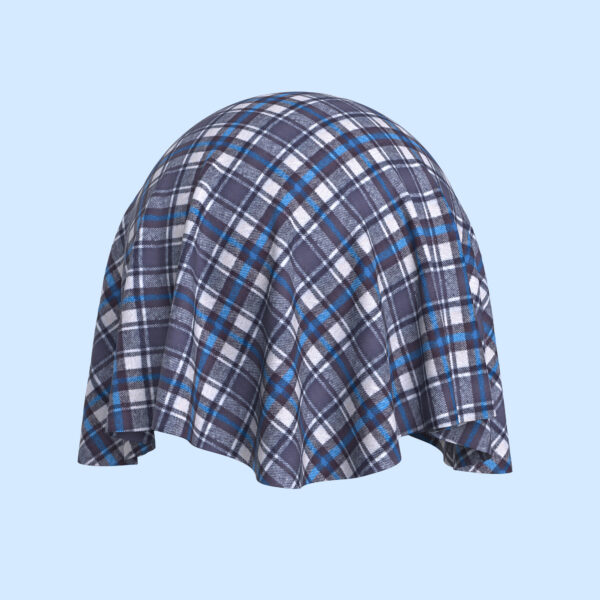
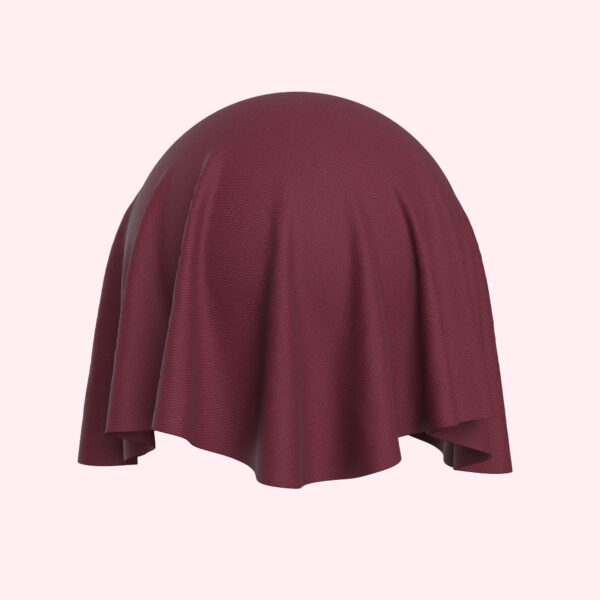
Description
What is Virtual fashion?
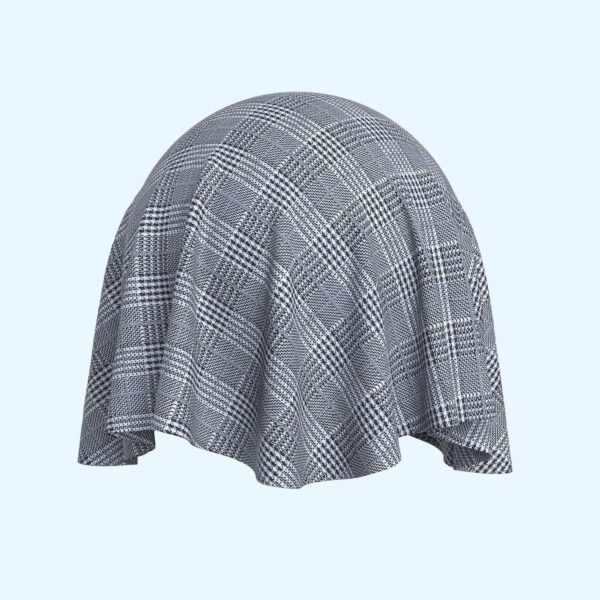
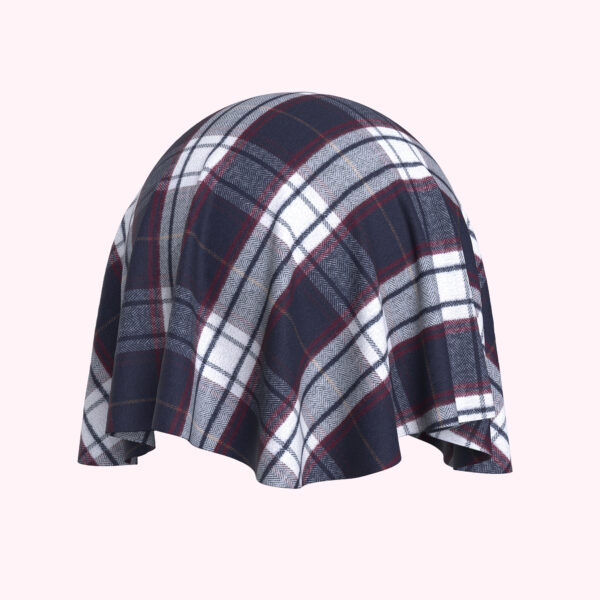
Virtual fashion refers to clothing and fashion items that exist purely in the digital realm, created using computer graphics and digital design tools. These digital garments can be worn and showcased in virtual environments, video games, augmented reality (AR), virtual reality (VR), and other digital platforms. Virtual fashion has gained significant attention in recent years and has several notable applications and characteristics:
-
- Digital-Only Creations: Virtual fashion items, such as dresses, accessories, and footwear, are designed and created entirely in digital form. They do not exist physically but are created using 3D modeling, rendering, and texturing techniques.
- Digital Fashion Shows: Fashion brands and designers have embraced virtual fashion to showcase their collections in virtual fashion shows. These events are accessible online and enable audiences to view and interact with digital models wearing virtual garments.
- Gaming and Virtual Worlds: Virtual Fashion Technology is commonly used in video games and virtual worlds, allowing players to customize the appearance of their avatars with digital clothing and accessories. Gamers can purchase or unlock virtual fashion items to enhance their in-game characters’ appearances.
- Augmented and Virtual Reality: In AR and VR applications, users can try on and interact with virtual fashion items. For example, AR apps enable customers to virtually try on clothing before making online purchases.
what is the importance of Virtual fashion in fashion design?
Virtual fashion plays a significant and evolving role in fashion design, offering a range of importance in today’s fashion industry:
- Digital Innovation: virtual fabric represents a dynamic intersection of fashion and technology. It allows fashion designers to experiment with new design concepts and push the boundaries of creativity. This digital innovation contributes to the evolution of the fashion industry.
- Sustainability: Virtual fashion aligns with sustainability efforts within the fashion industry by reducing the need for physical production and minimizing material waste. Designers can create and showcase unique digital garments without the environmental impact associated with traditional production.
- Efficient Design Development: Digital material enables more efficient and streamlined design development processes. Designers can rapidly iterate, adjust, and refine designs in a digital environment, saving time and resources.
- Cost Savings: By reducing the need for physical prototypes and samples, virtual fashion leads to cost savings in materials, labor, and sample production. This can be especially valuable for emerging designers and smaller brands.
- Market Testing and Validation: Designers can use virtual fashion to test and validate designs before investing in physical production. They can gather feedback from target.
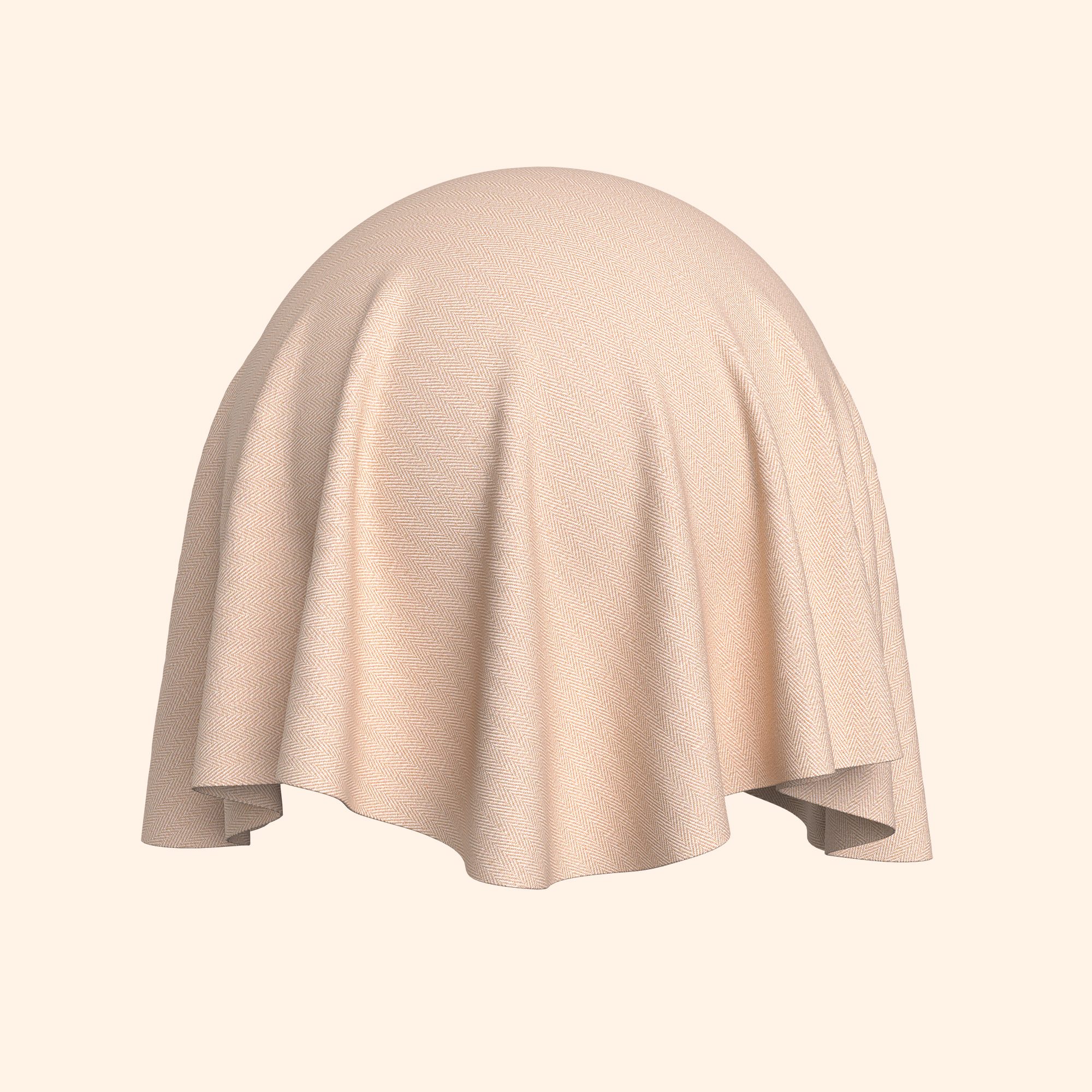
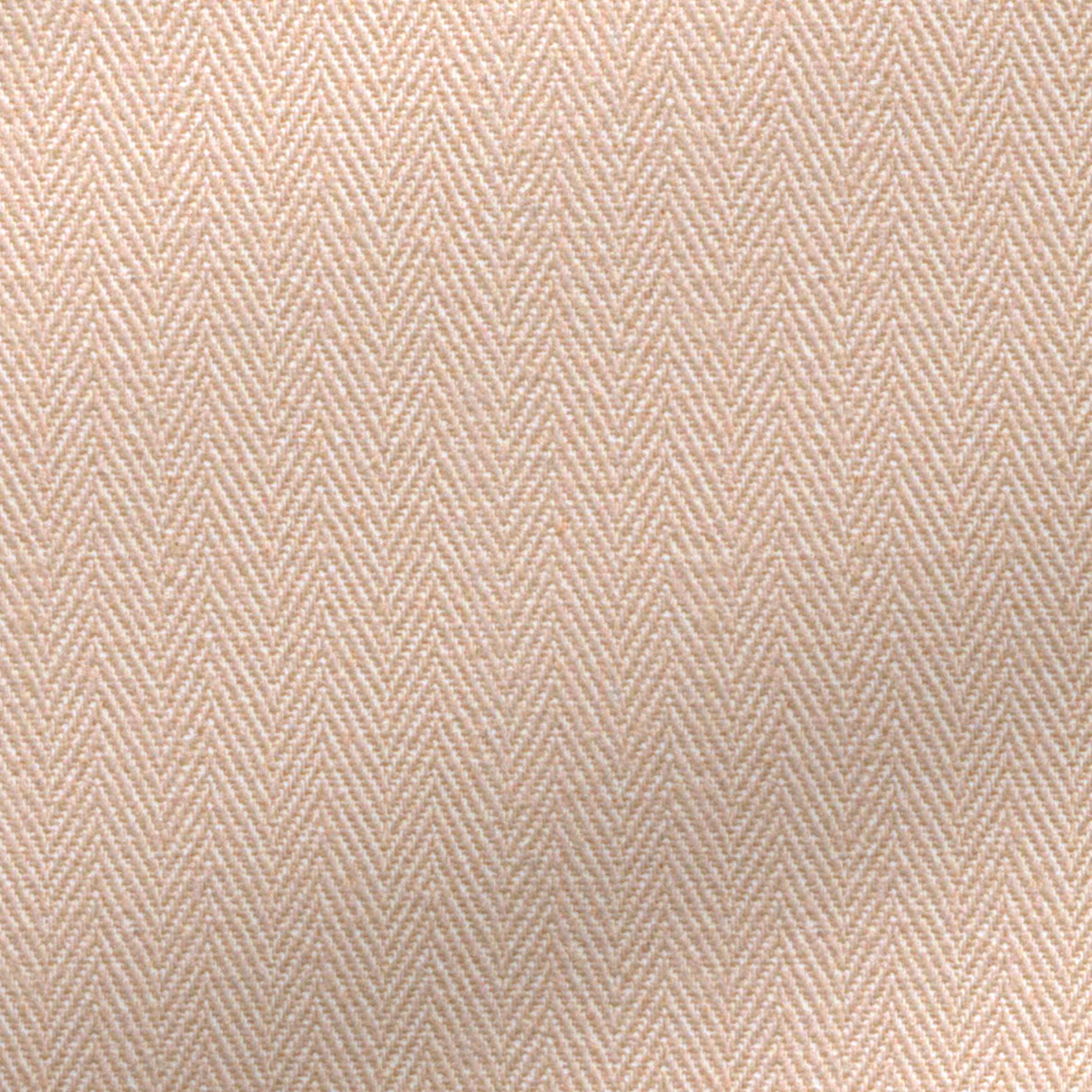
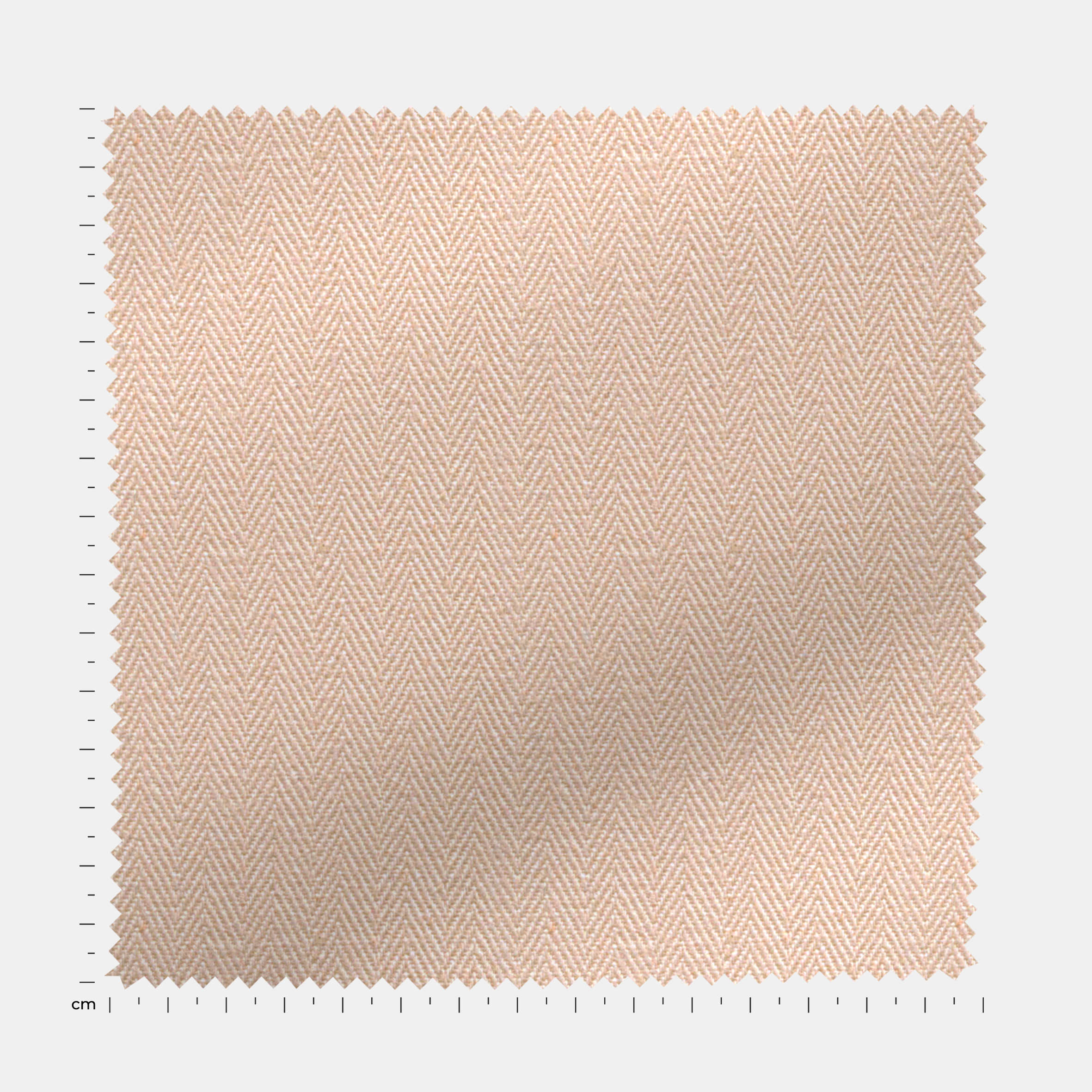
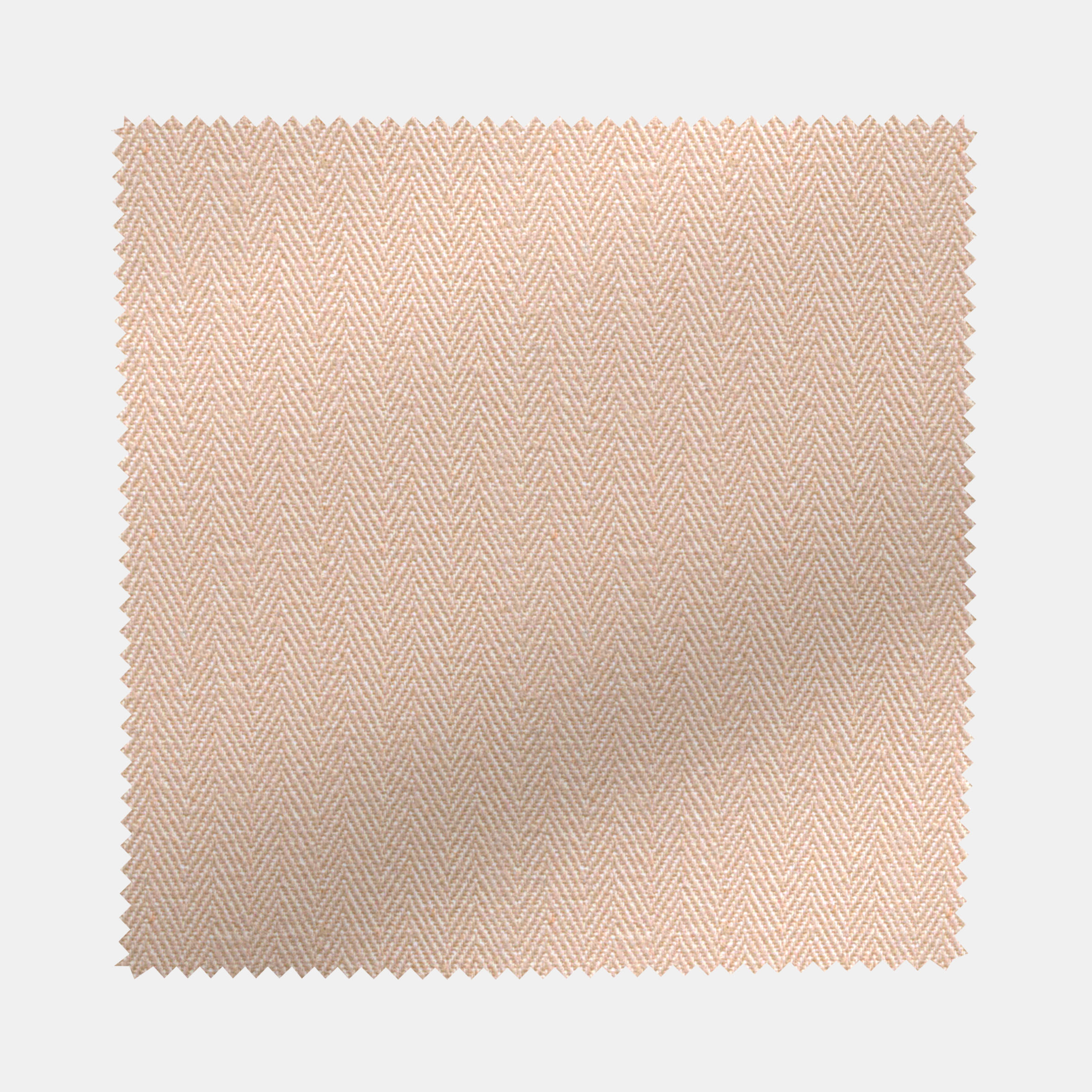
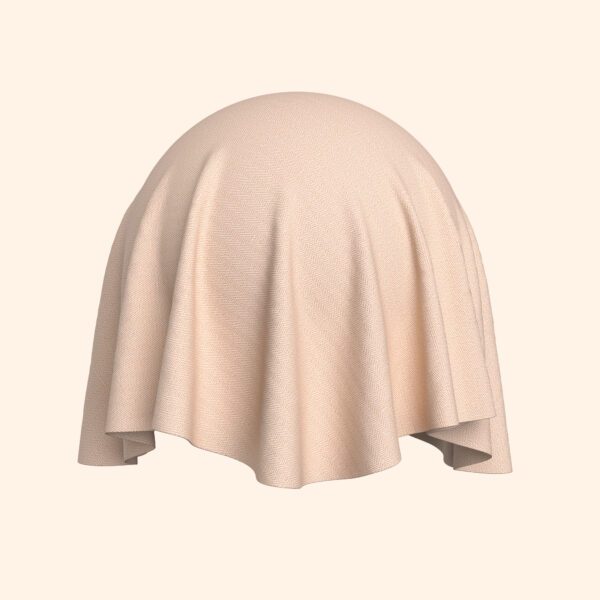
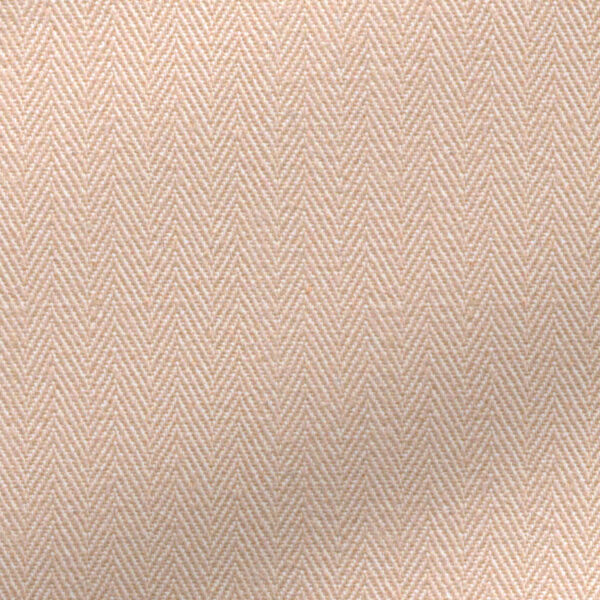
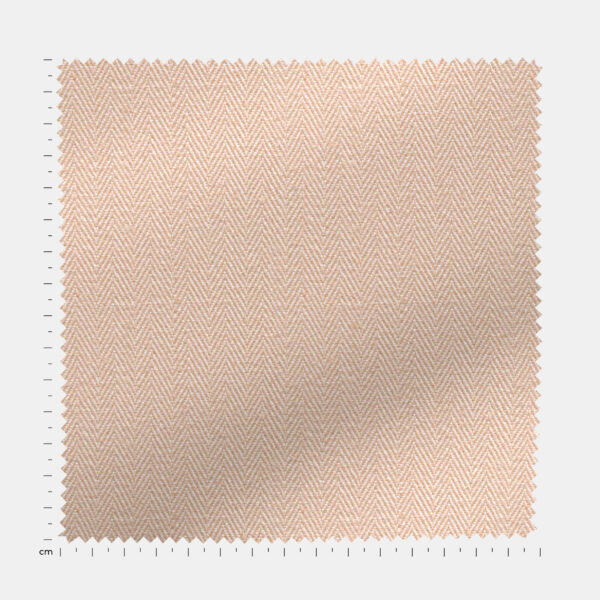
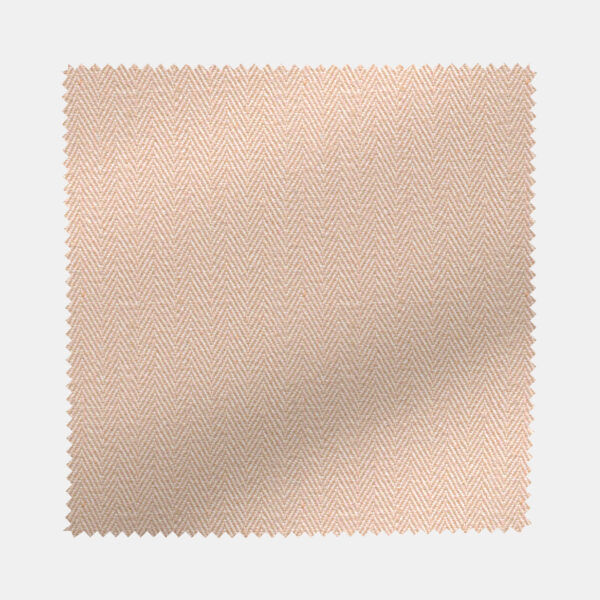
BCWHER00203 3D apparel model
BCWHER00203 is a detailed Digital Fabric 3D apparel model prepared for digital fashion workflows, ecommerce product visualization and collection planning. The asset highlights Beige, giving fashion teams a clear product view before physical sampling.
Use this digital garment for virtual showroom pages, merchandising reviews, design presentations, online catalog imagery and apparel development discussions. It helps buyers, designers and production teams evaluate silhouette, styling direction and product story with consistent front-facing visual clarity.
Binarycloth builds product visuals for brands that need faster sampling, cleaner campaign assets and scalable digital product content. This Digital Fabric model supports modern apparel workflows where accurate 3D visualization reduces repeated sample rounds and keeps product teams aligned.