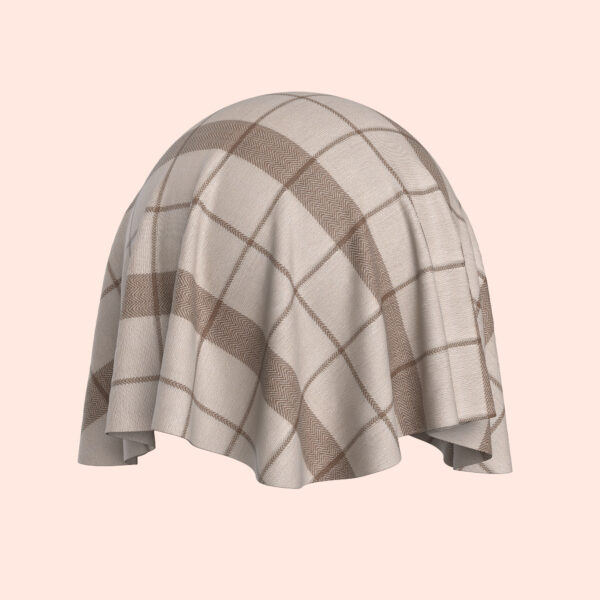
Description
What is Digital Clothing?
Digital clothing, often referred to as virtual clothing or digital fashion, is a type of clothing that exists exclusively in digital or virtual environments. It is a product of the intersection of fashion and technology, enabling the creation and wearing of clothing items in virtual spaces. Here are some key points to understand digital clothing:
-
- Exclusively Digital: Digital clothing is designed and worn within digital or virtual environments. It does not have a physical presence and cannot be worn in the real world. Instead, it is intended for use on digital avatars, characters, or models within virtual settings.
- Creation and Design: Digital clothing is designed and created using digital tools and software. Fashion designers, 3D artists, and digital fashion creators use computer-aided design (CAD), 3D modeling, and computer-generated graphics to craft digital clothing items.
what is the importance of digital clothing in fashion design?
Digital clothing holds a growing importance in the fashion industry, driven by technological advancements and shifting consumer preferences. Here are several key reasons highlighting the significance of digital clothing in the Fashion Technology
- Digital Fashion Innovation: Digital clothing represents an innovative frontier in fashion design, merging technology and creativity. It allows designers to explore new design concepts and push the boundaries of what’s possible in fashion.
- Reduced Environmental Impact: The creation of digital clothing reduces the need for physical garment production, which can be resource-intensive and environmentally impactful. As sustainability becomes a focal point in the fashion industry, digital clothing aligns with eco-friendly practices.
- Customization: Digital clothing often offers high levels of customization. Customers can personalize their digital garments by selecting colors, patterns, and designs to match their preferences. This enhances customer engagement and personalization.
- Virtual Fashion Shows: Fashion designers can host virtual fashion shows in immersive digital environments, reaching a global audience without the need for physical runway events. This not only saves costs but also embraces digital trends in fashion presentation.
- Virtual Try-On: The ability to try on digital clothing virtually through augmented reality (AR) or virtual reality (VR) experiences enhances the online shopping process. Consumers can preview how items will look on them, reducing uncertainty and improving the online shopping experience.
- Artistic Expression: 3d fashion provides designers with a unique platform for artistic expression. They can experiment with unconventional designs, materials, and aesthetics, fostering creativity and artistic exploration.
- Marketing and Branding: Digital sample brands can use digital clothing for marketing and branding purposes, creating attention-grabbing and shareable content. Collaborations with virtual influencers and characters can generate buzz and brand visibility.
- Educational Tool: Digital clothing in clo3d serves as an educational tool, allowing students in fashion design and 3D modeling programs to gain experience in creating virtual clothing and exploring the digital aspects of fashion design.
- Virtual Reality and Augmented Reality Integration: In virtual reality and augmented reality applications, digital clothing enhances the immersive experience. Users can interact with digital garments and accessories, adding a layer of engagement to digital experiences.
- Reduced Costs: Digital clothing offers cost savings in design and production. There are reduced material and production costs associated with physical garments, making it an attractive option for emerging designers and smaller brands.
- Global Reach: Digital fabric can be accessed and experienced by a global audience without the limitations of physical inventory and distribution. This broadens the market for fashion brands and designers.
- Reduced Returns: Digital sample try-on experiences help reduce the number of product returns in online shopping, benefiting both customers and businesses.
In summary, digital clothing is important in the fashion industry for its role in fostering creativity, promoting sustainability, personalization, and reducing costs. As technology continues to advance, digital clothing is expected to become a more integral part of fashion design and retail, offering innovative ways to engage with consumers and redefine the traditional virtual sample.
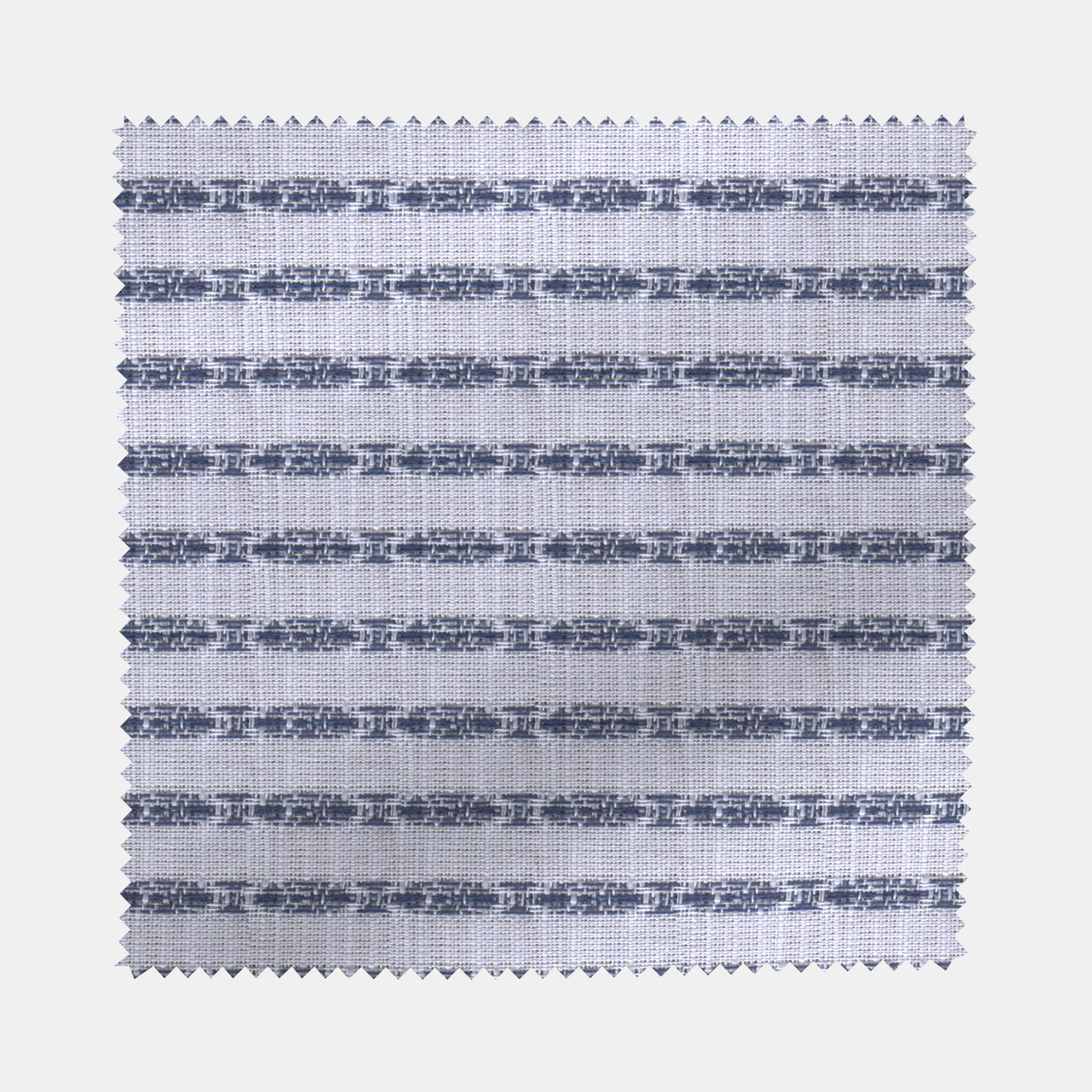
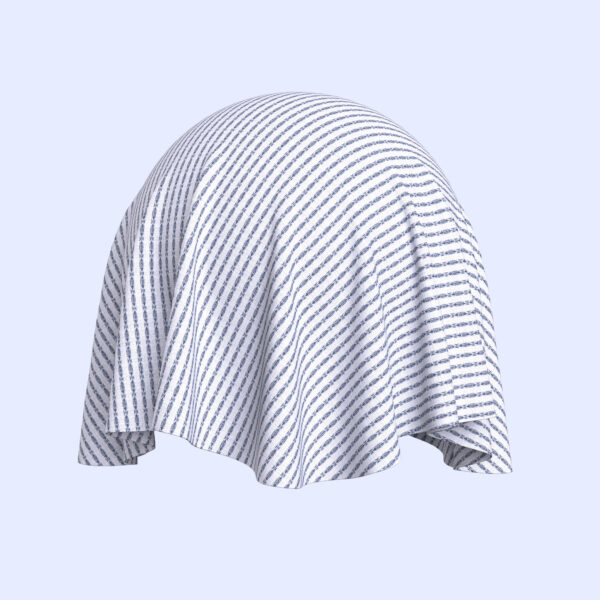
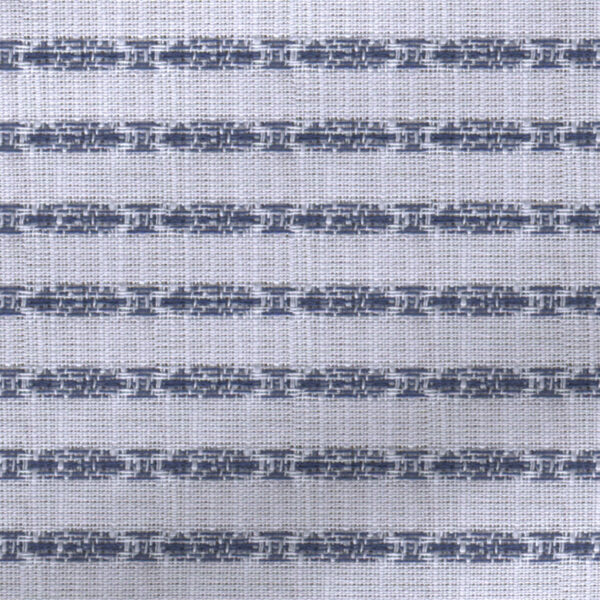
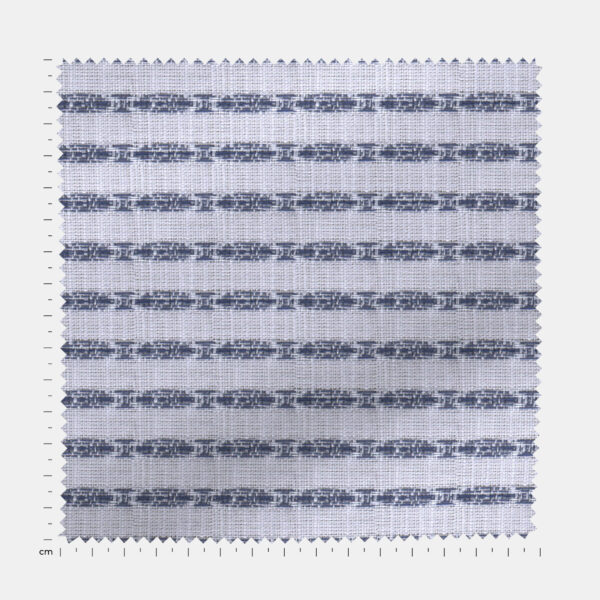
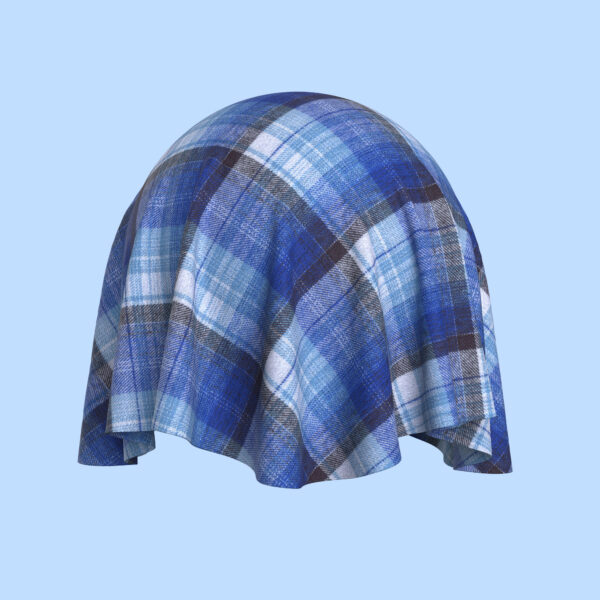
BCWDOB01550 3D apparel model
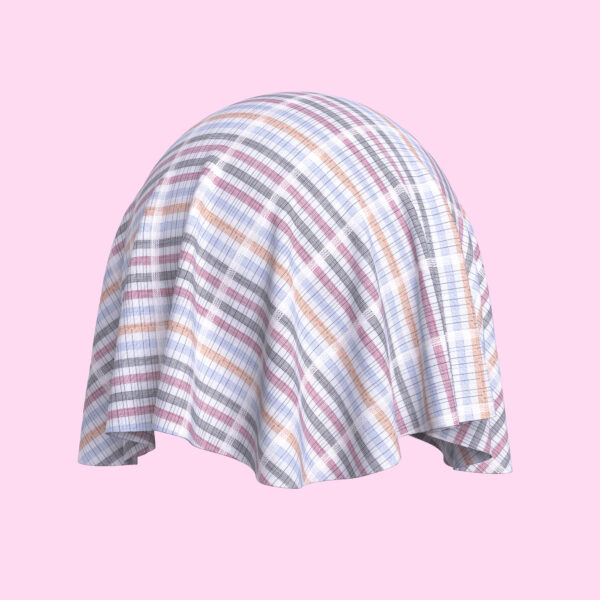
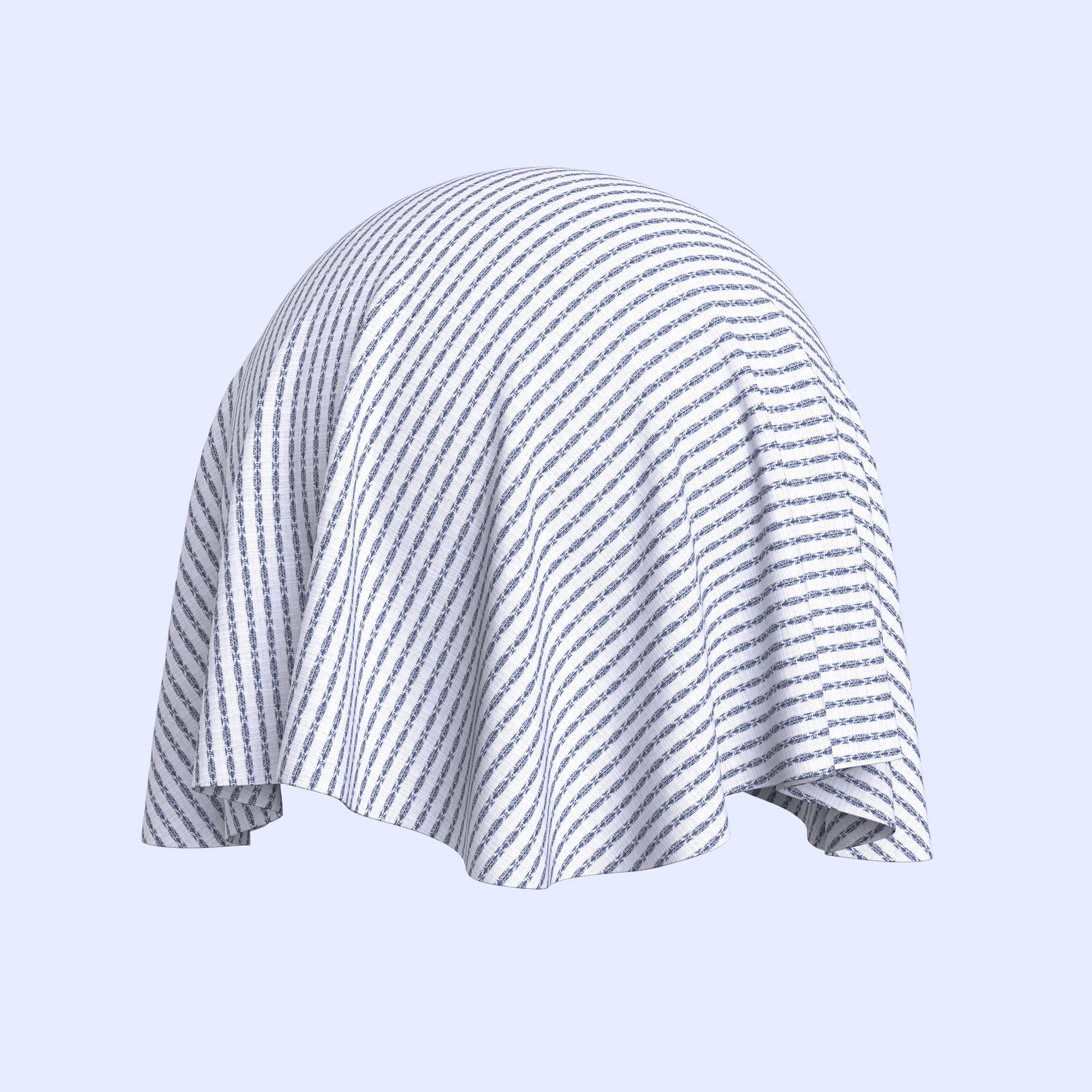
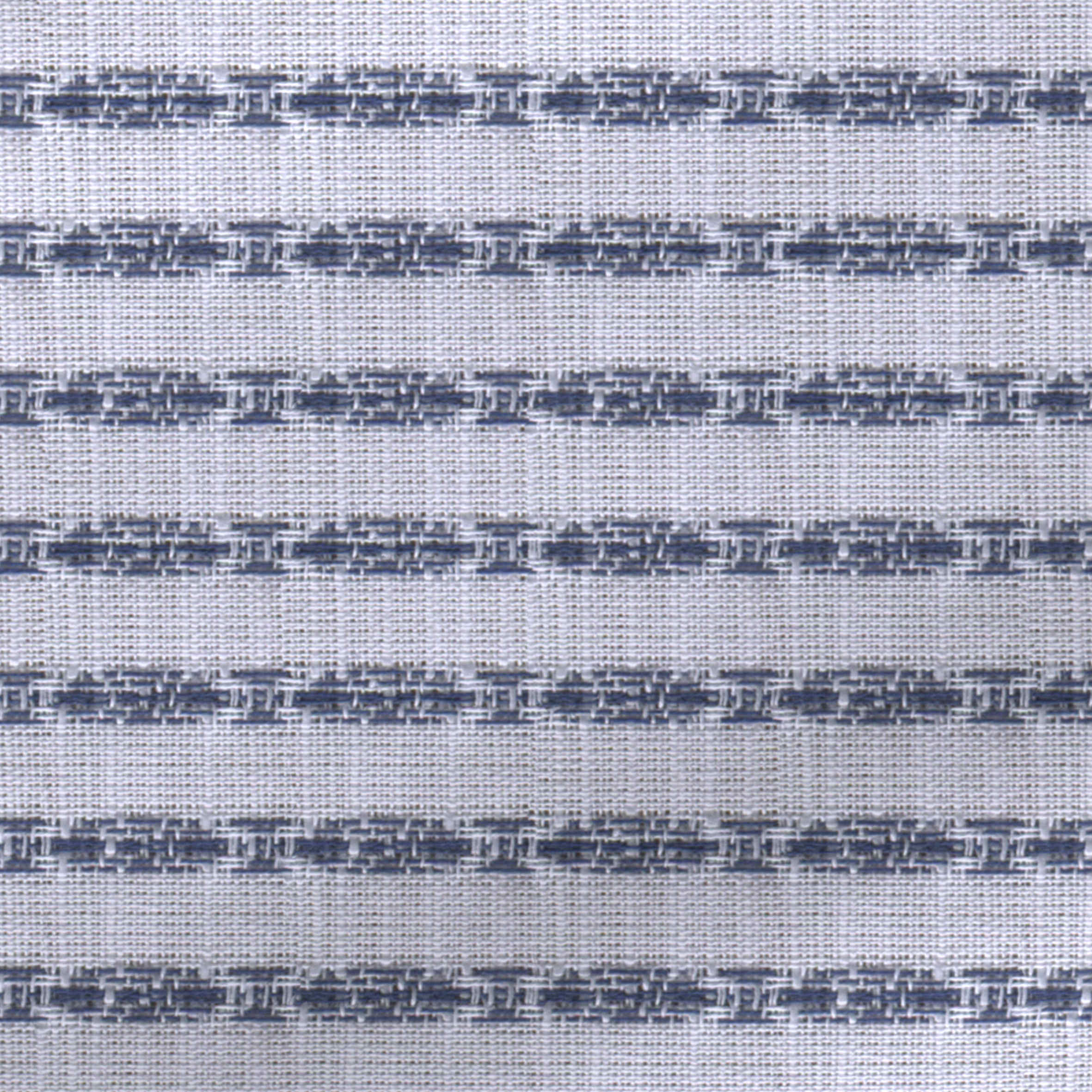
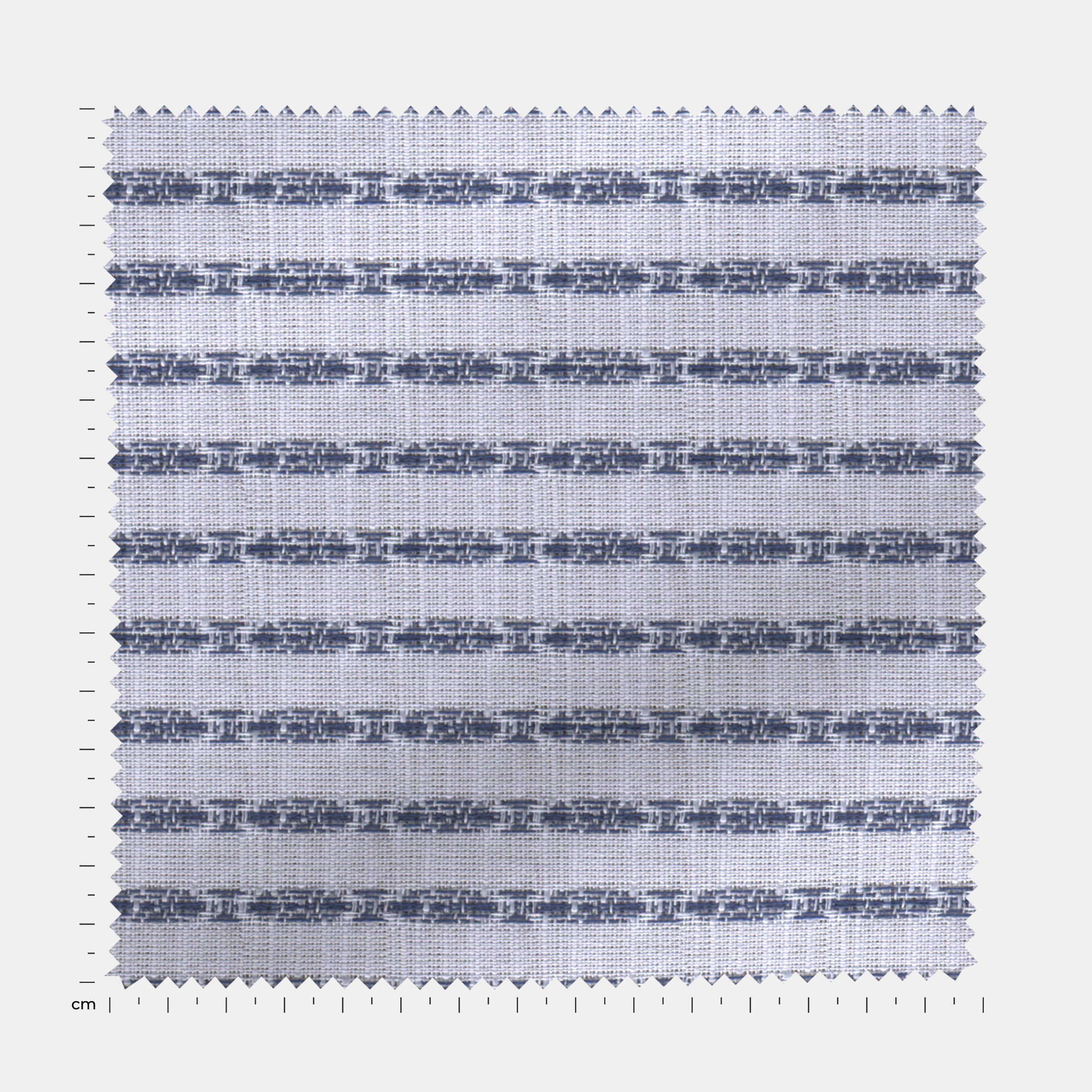
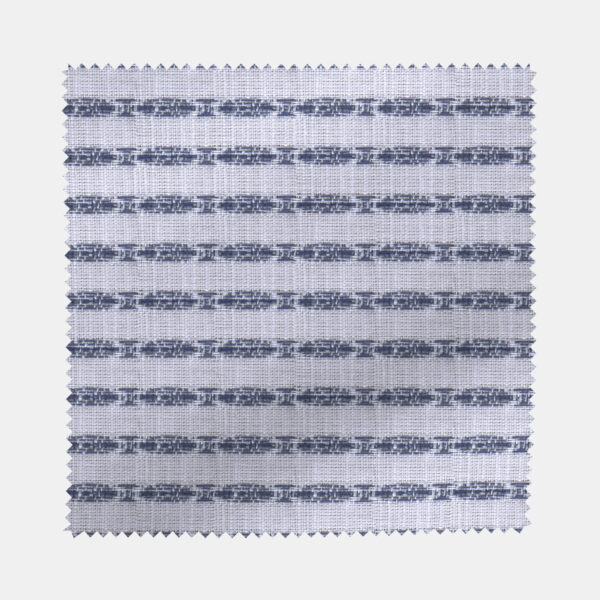
BCWDOB01550 is a detailed Digital Fabric 3D apparel model prepared for digital fashion workflows, ecommerce product visualization and collection planning. The asset highlights Pastel Blue, giving fashion teams a clear product view before physical sampling.
Use this digital garment for virtual showroom pages, merchandising reviews, design presentations, online catalog imagery and apparel development discussions. It helps buyers, designers and production teams evaluate silhouette, styling direction and product story with consistent front-facing visual clarity.
Binarycloth builds product visuals for brands that need faster sampling, cleaner campaign assets and scalable digital product content. This Digital Fabric model supports modern apparel workflows where accurate 3D visualization reduces repeated sample rounds and keeps product teams aligned.