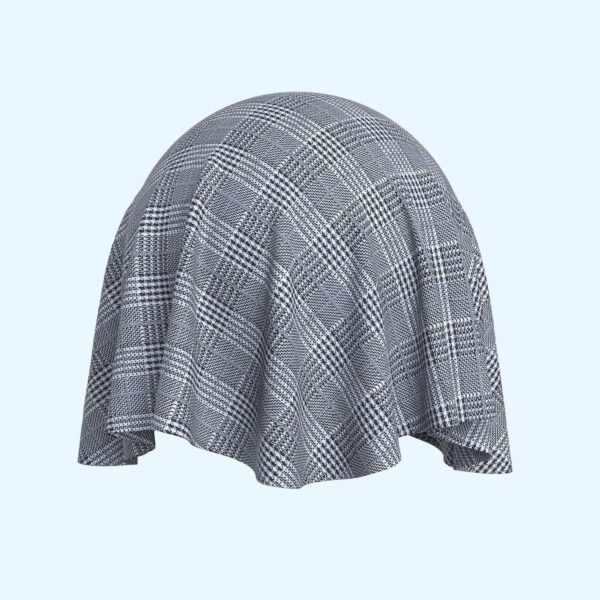
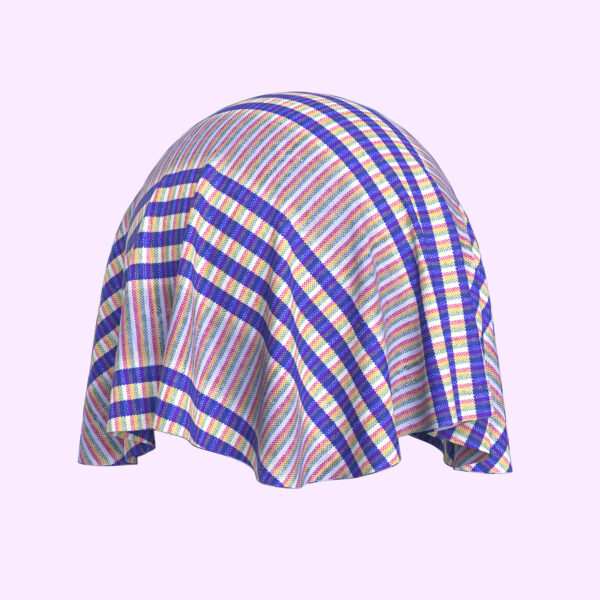
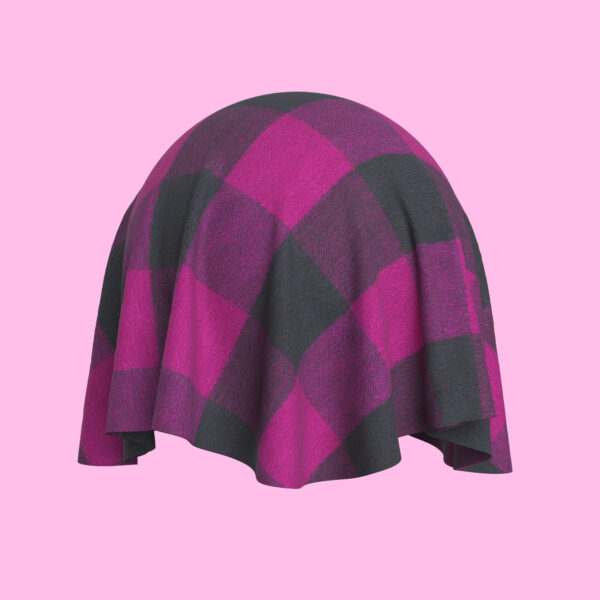
Description
What is digital material?
Digital materials, often referred to as “smart materials,” are substances or structures that have properties that can be controlled, manipulated, or changed electronically or digitally. These materials are designed to respond to external stimuli, such as electrical, magnetic, optical, or thermal inputs, in a controlled and programmable manner. Digital fabric are used in a wide range of applications, from electronics to engineering, and are known for their adaptability and responsiveness to changing conditions. Here are some key characteristics and applications of digital materials:
-
- Responsive to Stimuli: Digital materials can change their properties, such as shape, color, conductivity, or transparency, in response to specific external stimuli. This responsiveness is achieved through embedded sensors, actuators, or electronic components.
- Shape Memory Alloys: One common example of digital materials is shape memory alloys (SMAs), such as nitinol. These materials “remember” a specific shape and can return to that shape when triggered by heat or other stimuli.
- Electroactive Polymers (EAPs): EAPs change their shape when an electrical voltage is applied, making them suitable for applications like robotics and artificial muscles.
- Smart Fabrics: Virtual fashion can be integrated into textiles to create “smart fabrics.” These fabrics can change their properties, such as color or temperature, in response to electrical or thermal stimuli. They are used in applications like responsive clothing and heated garments.
- Optoelectronic Materials: Materials that change their optical properties, such as transparency or color, in response to electrical signals are used in displays, smart windows, and privacy glass.
what is the importance of digital material in fashion design?
Digital materials are gaining importance in the fashion industry for several reasons, as they have the potential to transform various aspects of the fashion design and manufacturing process. Here’s why digital materials are significant in the fashion industry:
- Sustainable Practices: virtual sample industry is increasingly focused on sustainability. Digital materials reduce the need for physical fabric samples and swatches, contributing to more sustainable design practices by minimizing waste and resource consumption.
- Cost Efficiency: Creating physical prototypes and samples can be costly, particularly for emerging designers and smaller fashion brands. Digital materials offer a cost-efficient alternative, as they eliminate the need for physical materials, reducing production costs.
- Rapid Prototyping: Digital fashion can quickly iterate on designs by making changes to digital materials and viewing the results in real-time. This accelerates the design process, reducing the time it takes to develop and finalize a fashion design.
- Material Exploration: clo3d can experiment with a wide range of materials, textures, and patterns without the logistical challenges of sourcing or acquiring physical materials. This expands the creative possibilities for fashion designers.
- Customization: 3d fashion often allow for customization, empowering designers to modify and adapt the appearance of fabrics, patterns, and textures to meet the specific needs and creative vision of a project.
- Quality Control: Digital Clothing can assess the quality and performance of digital materials before using them in physical garment production. This helps identify potential issues and ensures that the materials meet the required standards.
- Remote Collaboration: Digital materials enable collaboration among design teams regardless of their geographical locations. This enhances the efficiency and accessibility of design projects.
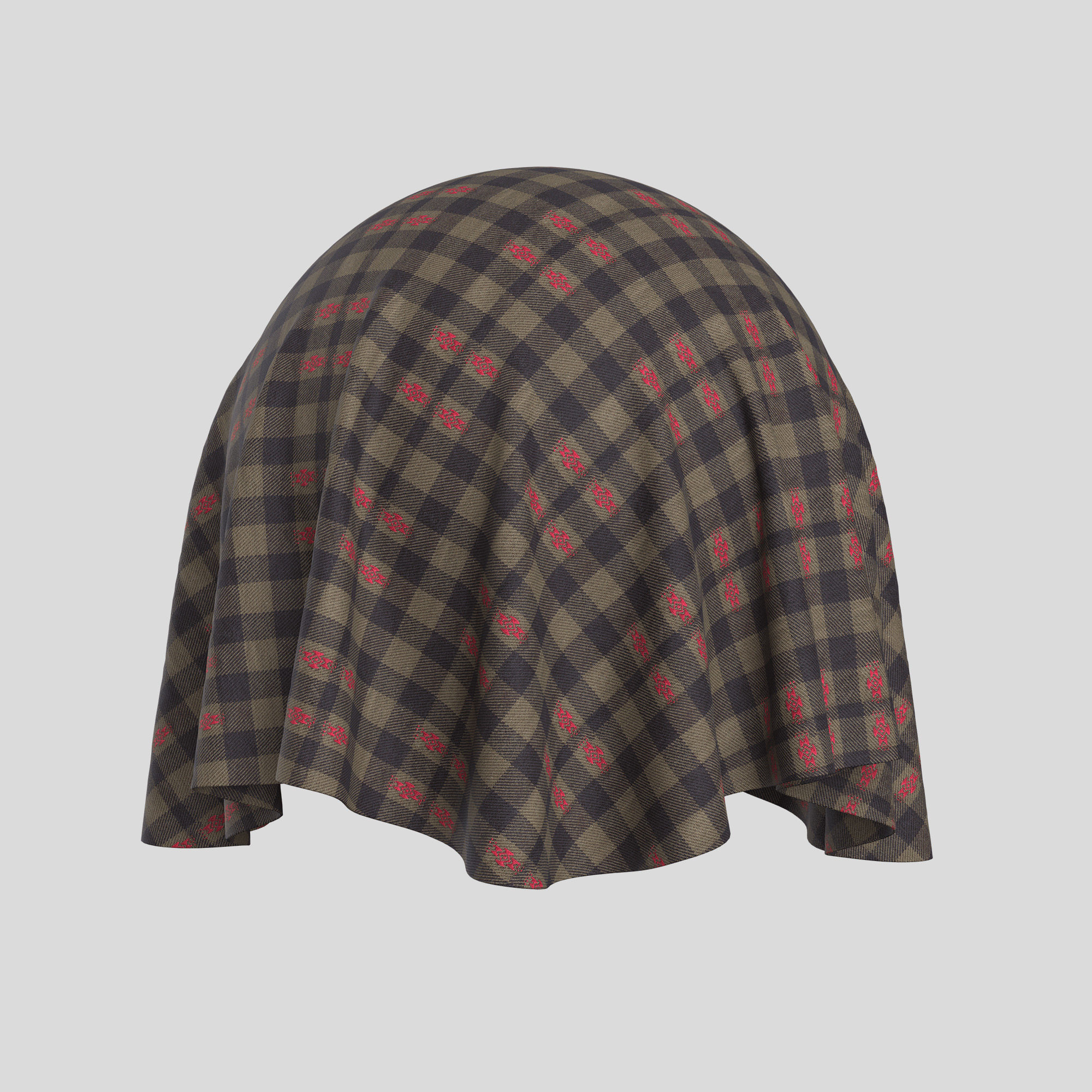
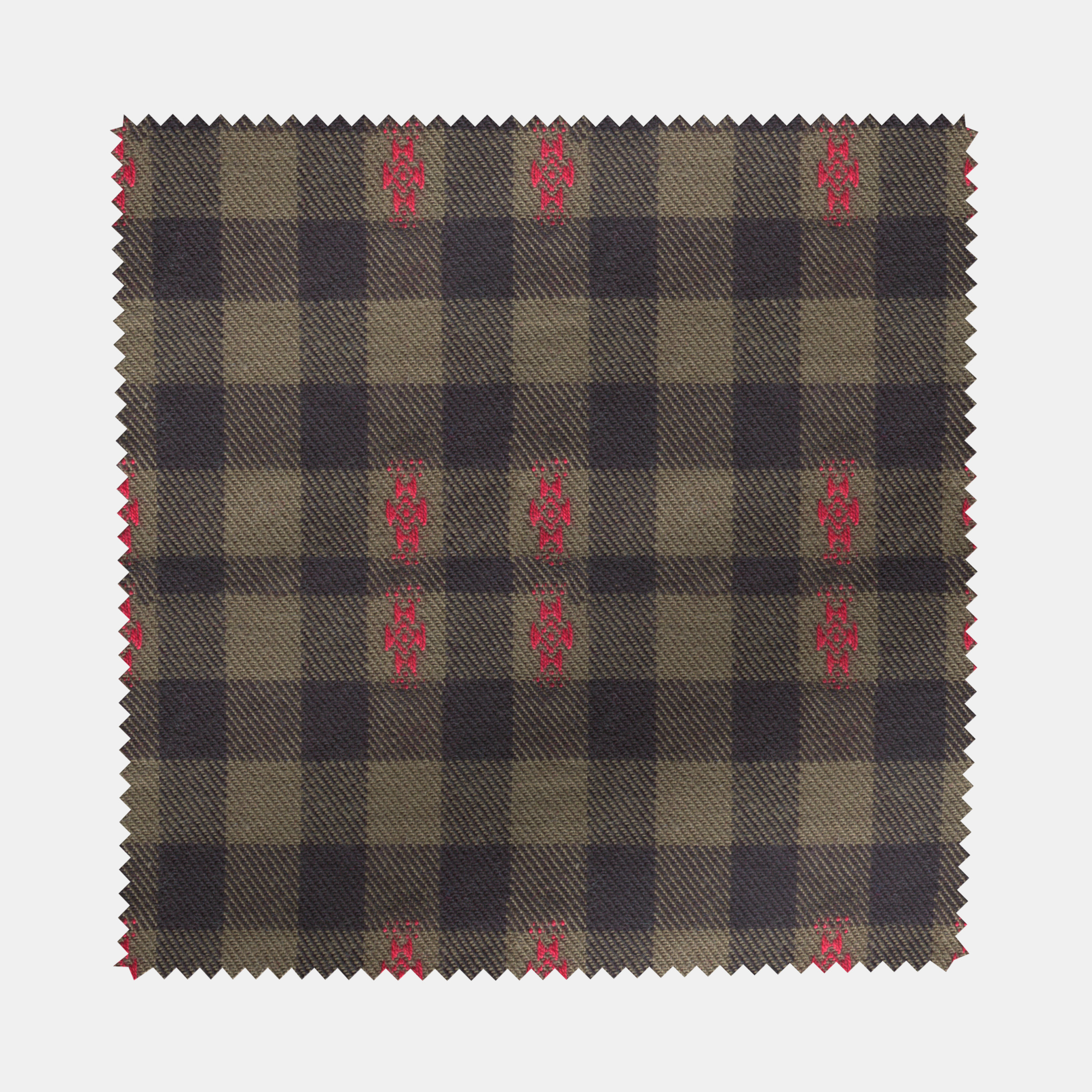
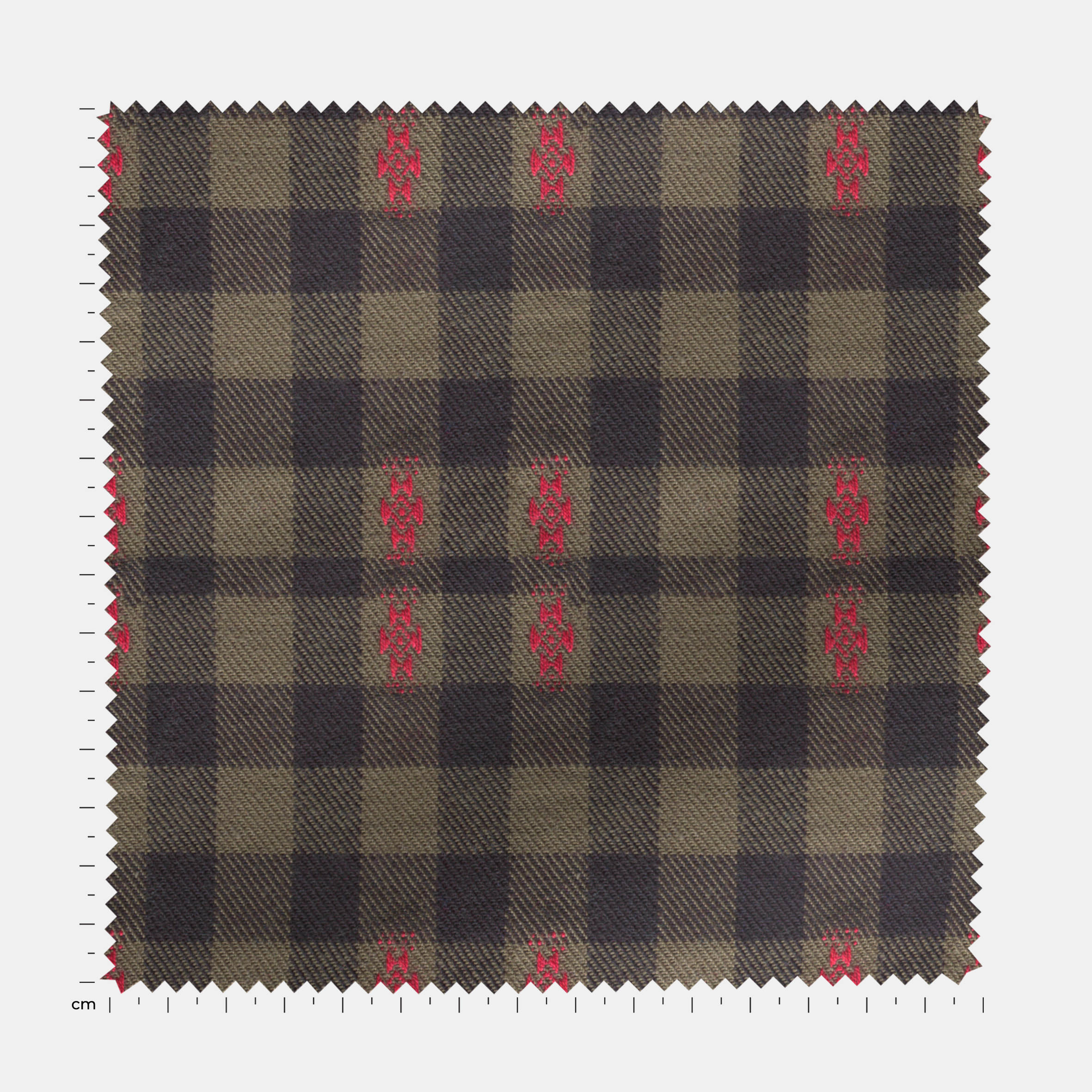
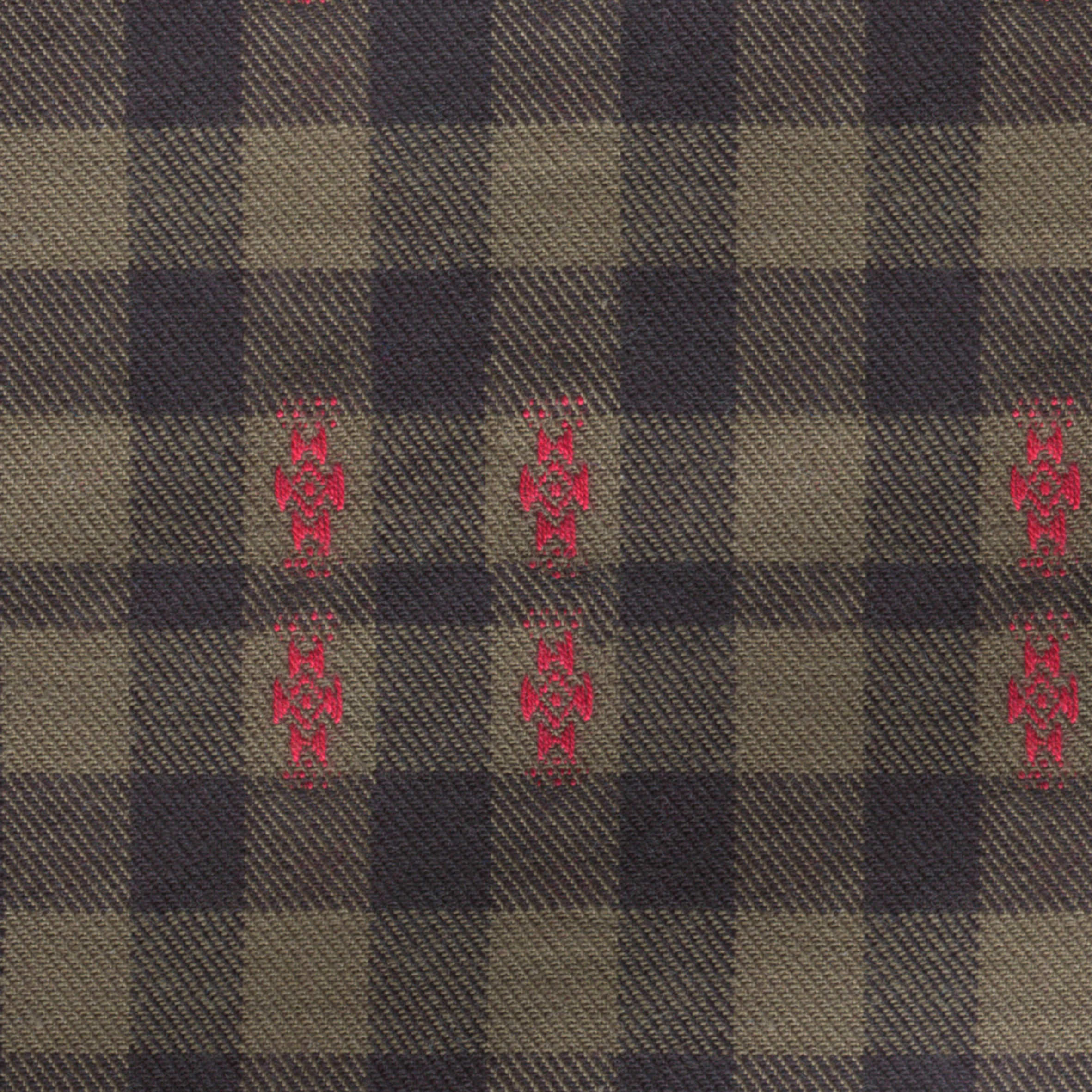
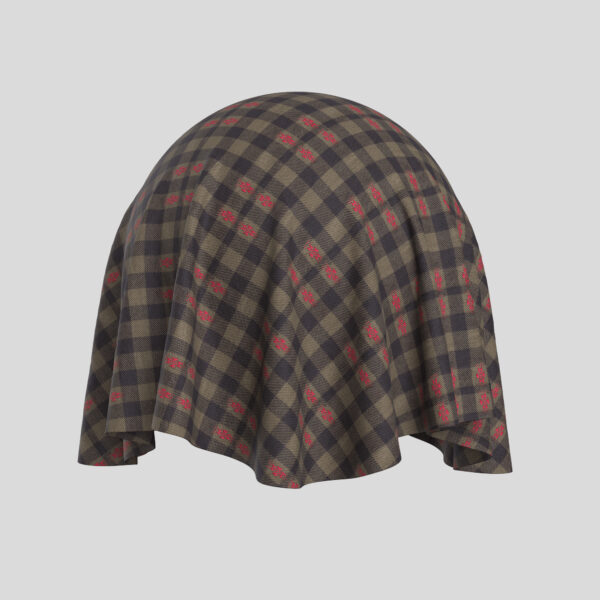
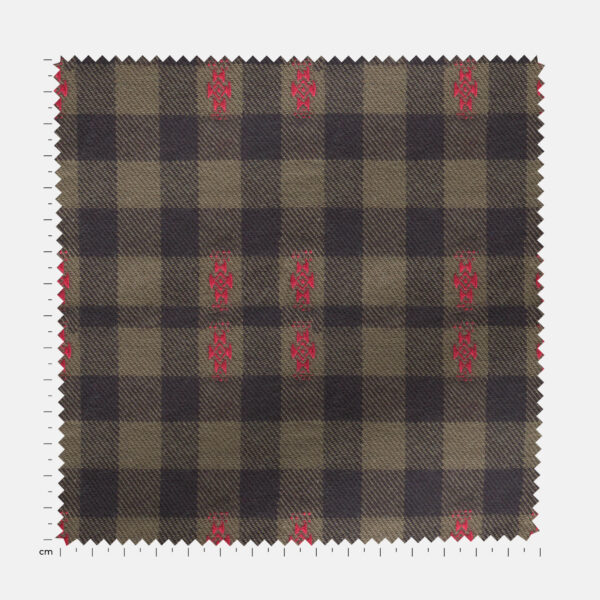
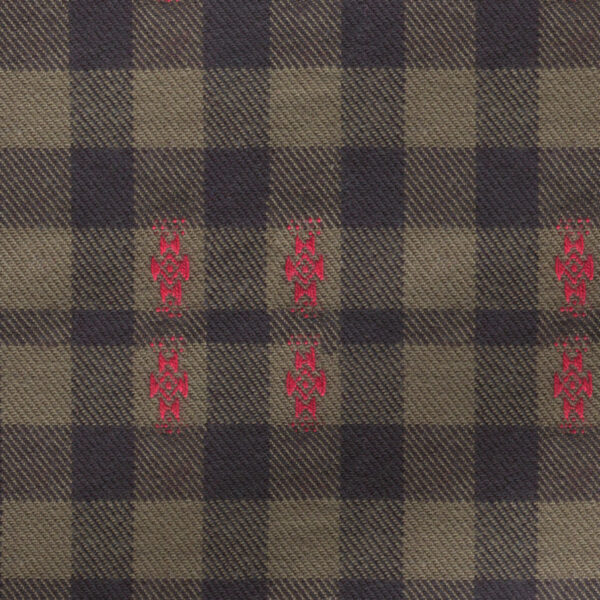
BCWDOB00740 3D apparel model
BCWDOB00740 is a detailed Digital Fabric 3D apparel model prepared for digital fashion workflows, ecommerce product visualization and collection planning. The asset highlights Brown, giving fashion teams a clear product view before physical sampling.
Use this digital garment for virtual showroom pages, merchandising reviews, design presentations, online catalog imagery and apparel development discussions. It helps buyers, designers and production teams evaluate silhouette, styling direction and product story with consistent front-facing visual clarity.
Binarycloth builds product visuals for brands that need faster sampling, cleaner campaign assets and scalable digital product content. This Digital Fabric model supports modern apparel workflows where accurate 3D visualization reduces repeated sample rounds and keeps product teams aligned.