Description
What is digital sample?
A digital sample, in the context of various industries, including fashion, refers to a digital or virtual representation of a product or item that is created using computer-aided design (CAD), 3D modeling, or other digital techniques. Digital samples are used for a variety of purposes, from design visualization and prototyping to product development and marketing. Here are some key points about digital samples:
-
- Digital Representation: Digital samples are created in a digital format, typically using software tools. They are detailed and accurate representations of a product, often including visual and sometimes functional attributes.
- Prototyping: Digital samples serve as digital prototypes, allowing designers and manufacturers to assess how a product will appear and function before creating physical prototypes. This can save time and resources in the product development process.
- Customization: Digital samples often allow for easy customization. Users can change colors, materials, textures, and design elements to visualize different variations of a product.
- Visualization: Digital samples help users visualize how a product will appear in the real world. This is important for design validation, marketing, and decision-making.
- Cost Savings: Creating digital samples is often more cost-effective than producing physical prototypes, as it reduces the need for material and production costs.
what is the importance of digital sample in fashion design?
Digital samples are of growing importance in the field of fashion design for several reasons. They offer numerous advantages that streamline the design and production process, improve customer satisfaction, and contribute to sustainable practices. Here’s why digital samples are significant in fashion design:
- Sustainable Design: Digital samples reduce the need for physical fabric samples and swatches, contributing to more sustainable design practices by minimizing waste and resource consumption.
- Cost Efficiency: Digital Clothing prototypes and samples can be expensive, particularly for emerging designers and smaller fashion brands. Digital samples offer a cost-effective alternative, as they eliminate the need for physical materials and reduce production costs.
- Rapid Prototyping: Designers can quickly iterate on designs by making changes to digital samples and viewing the results in real-time. This accelerates the design process, reducing the time it takes to develop and finalize a fashion design.
- Material Exploration: Digital samples allow designers to experiment with a wide range of materials, textures, and patterns without the logistical challenges of sourcing or acquiring physical materials. This expands the creative possibilities for fashion designers.
- Customization: Digital samples often allow for customization, empowering designers to modify and adapt the appearance of fabrics, patterns, and textures to meet the specific needs and creative vision of a project.
- Quality Control: Fashion Tech can assess the quality and performance of digital samples before using them in physical garment production. This helps identify potential issues and ensures that the materials meet the required standards.
- Remote Collaboration: Digital samples enable collaboration among design teams regardless of their geographical locations. This enhances the efficiency and accessibility of design projects.
- Virtual Try-On: The use of digital samples enhances the virtual try-on experience. Designers can visualize how clothing will appear on a digital model or avatar, helping to assess fit, drape, and overall aesthetics before physical prototypes are produced.
- Visual Material Exploration: Virtual fabric can simulate how fabrics will behave, drape, and look in various lighting conditions. This visual exploration is invaluable for understanding how materials will perform in different settings.
- Educational Tool: Digital material serve as valuable educational tools in fashion design programs, allowing students to gain hands-on experience in working with different fabrics, textures, and materials in a digital environment.
- Innovation and Creativity: The integration of digital samples encourages fashion designers to explore new creative possibilities, materials, and textures, pushing the boundaries of traditional fashion design and fostering innovation
- .
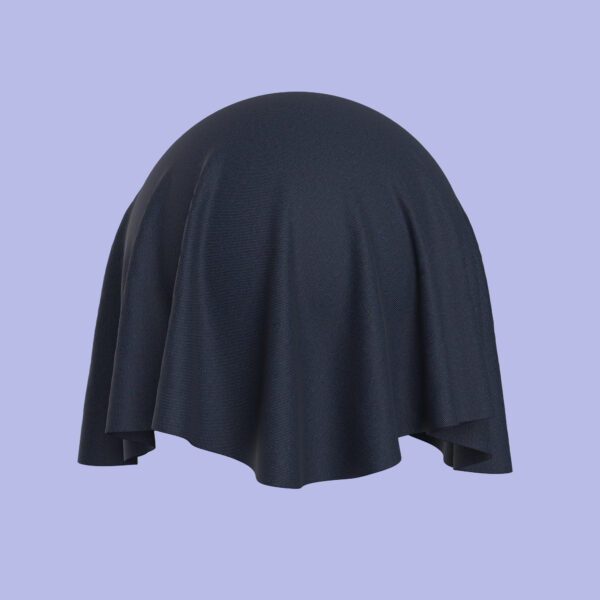
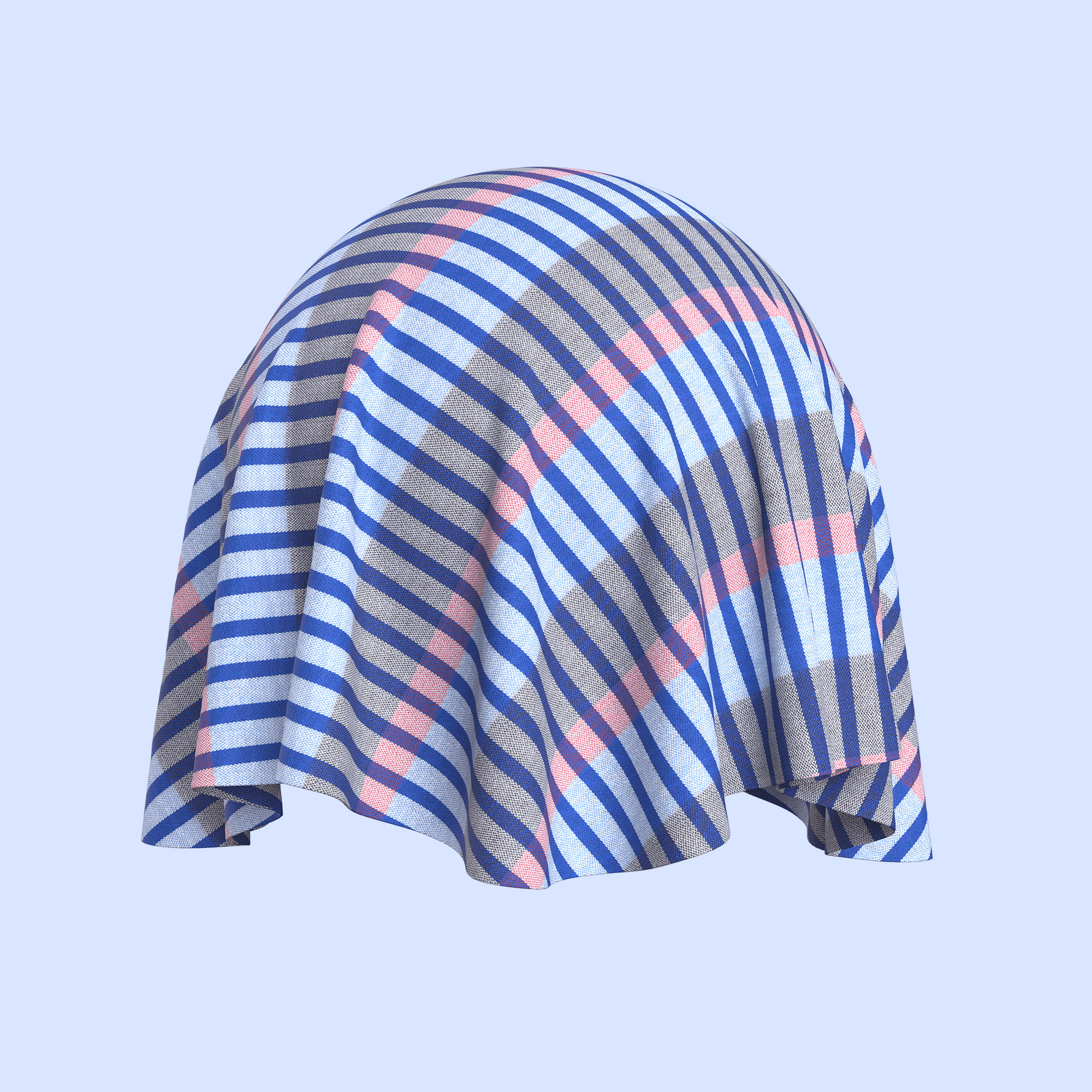
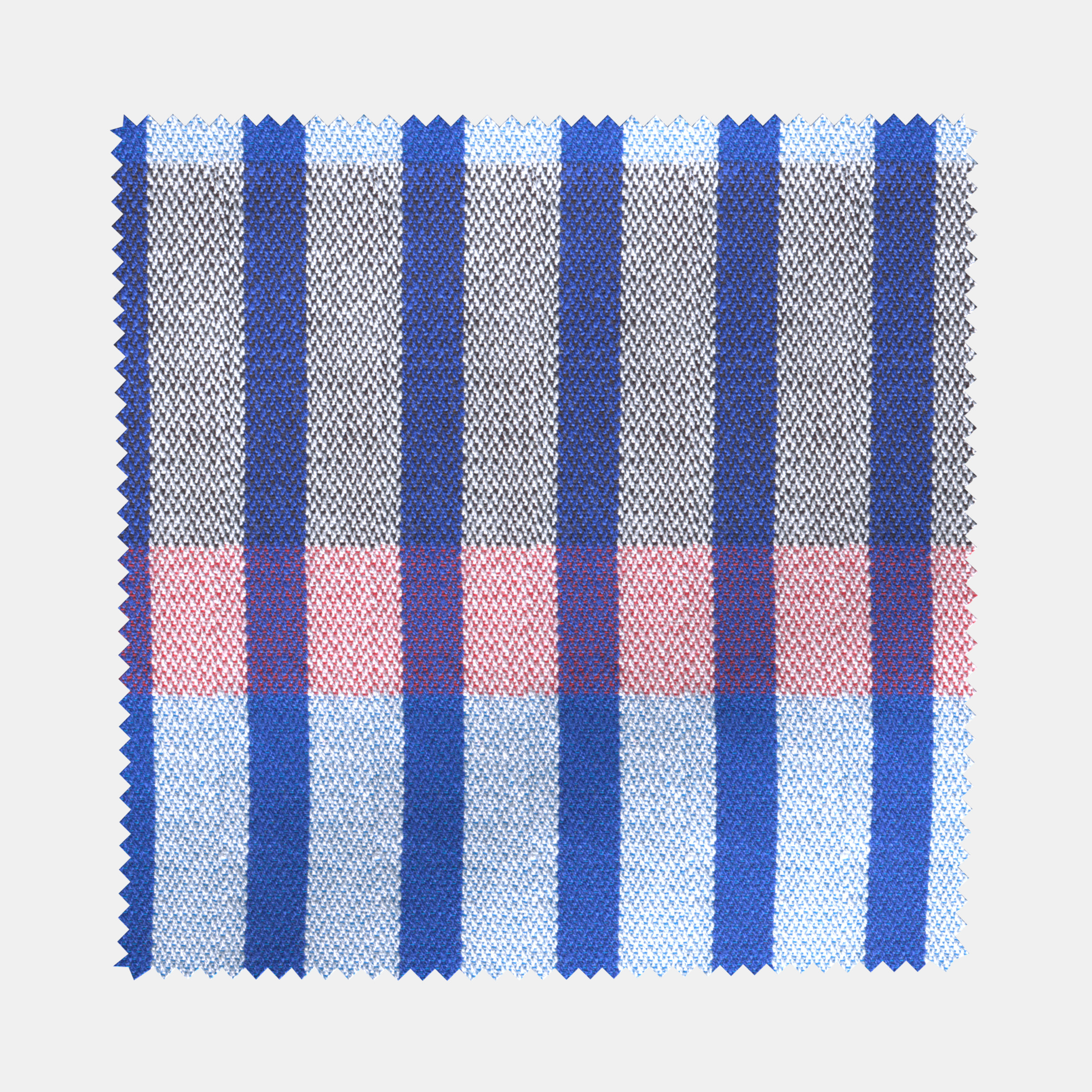
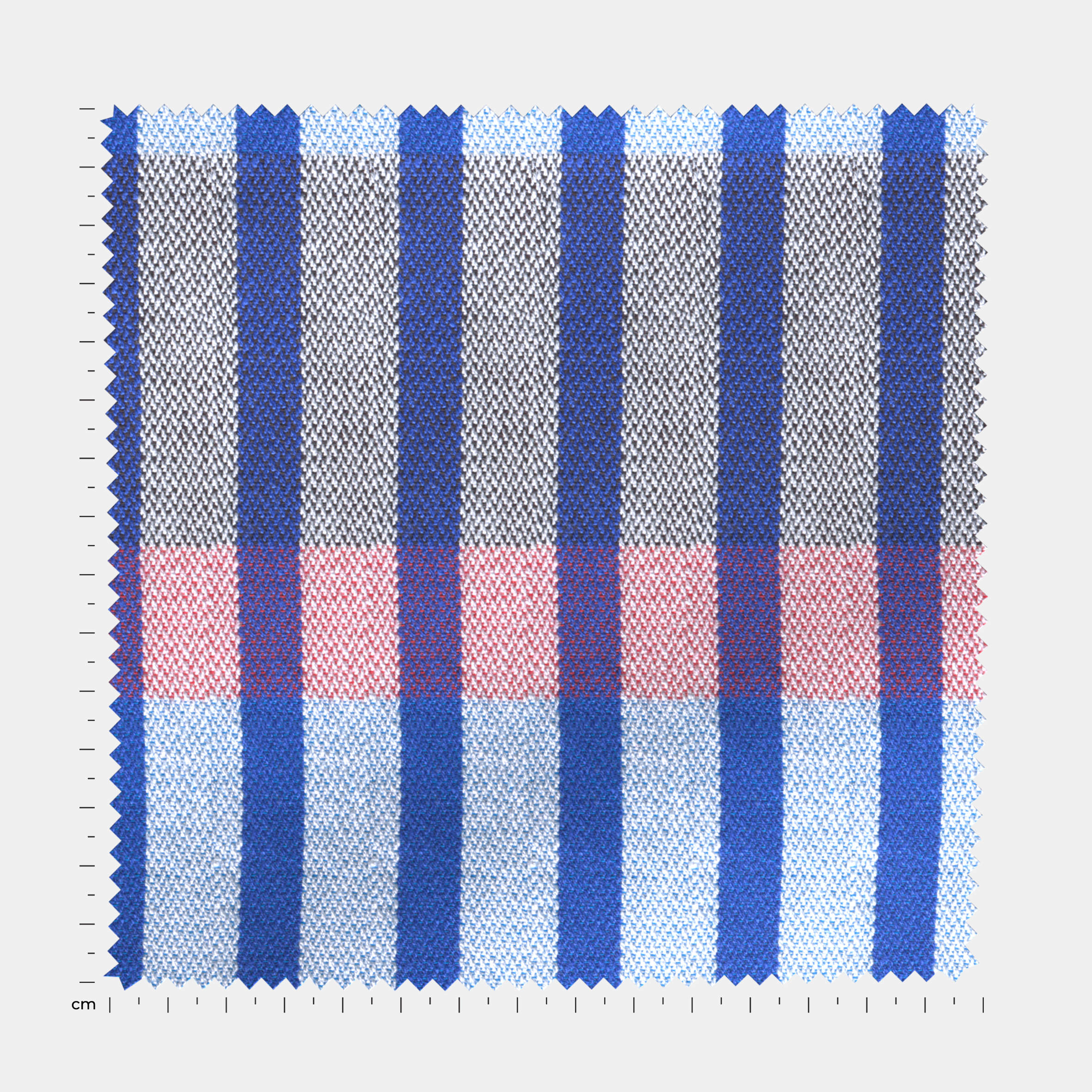
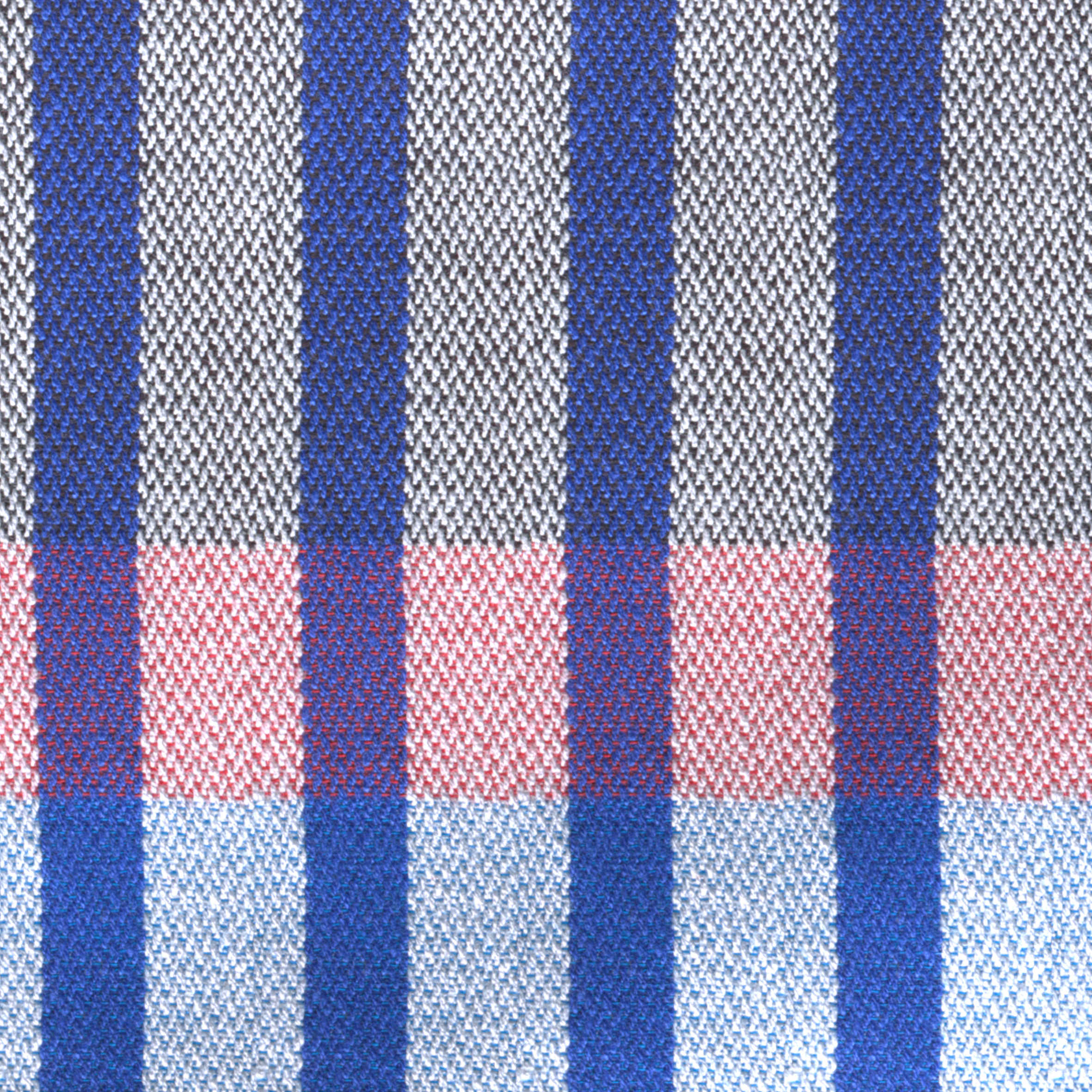
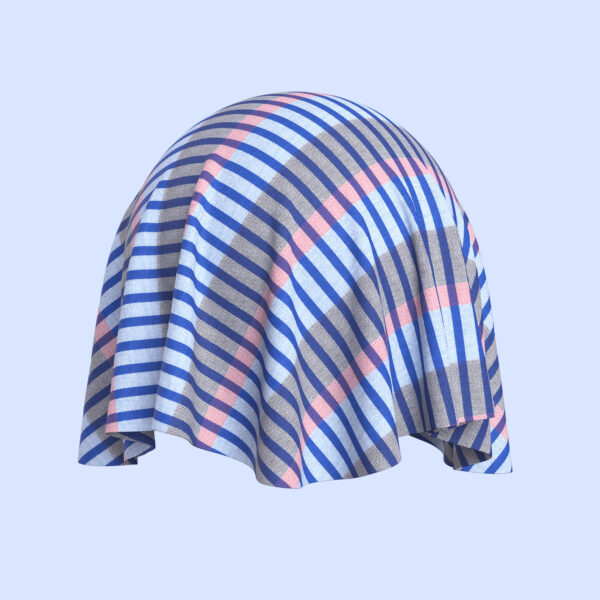
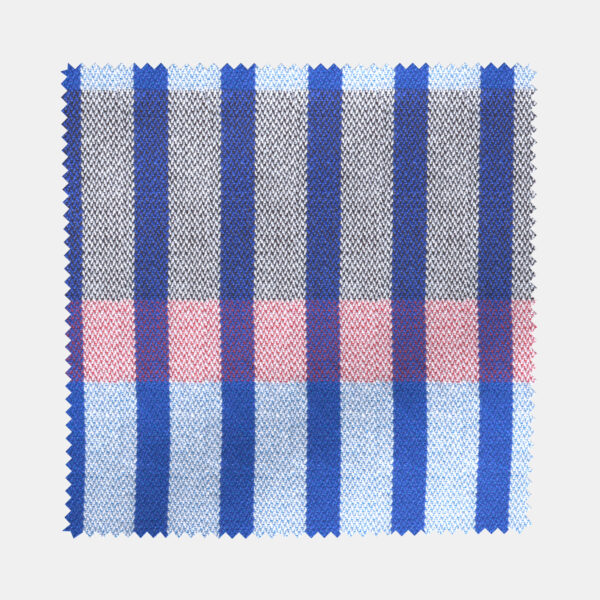
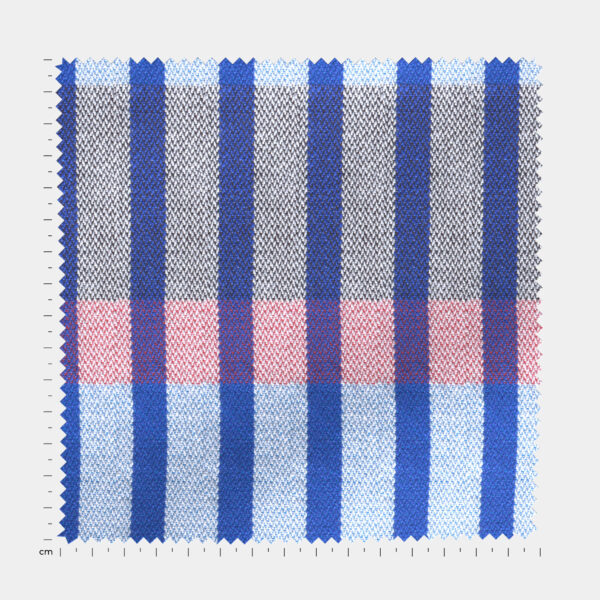
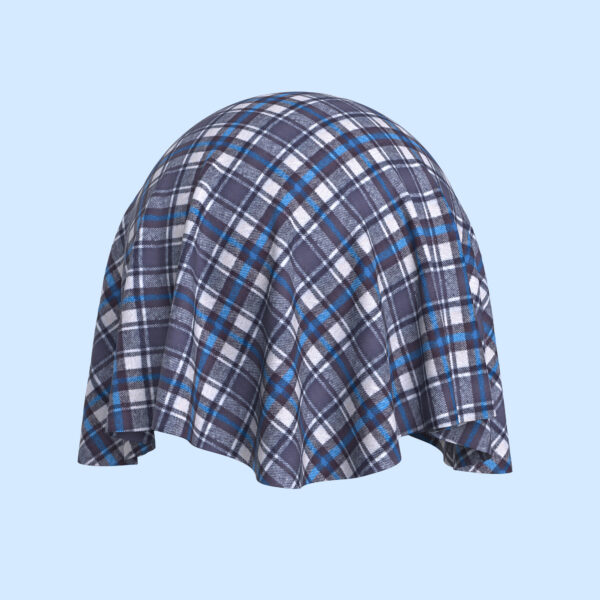
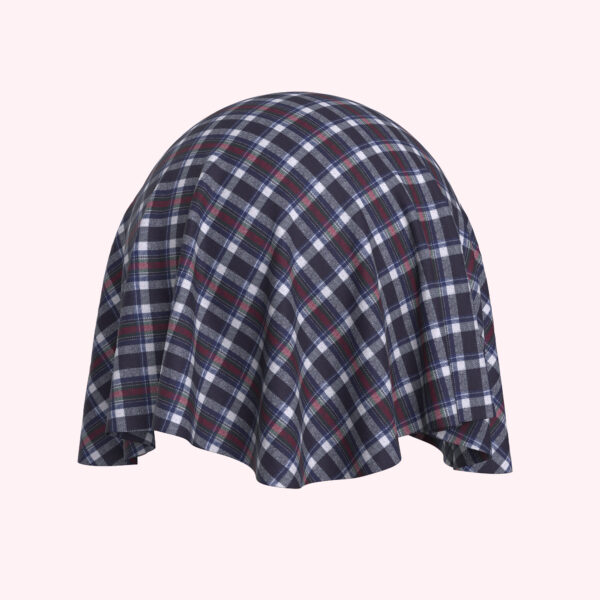
BCWDOB00718 3D apparel model
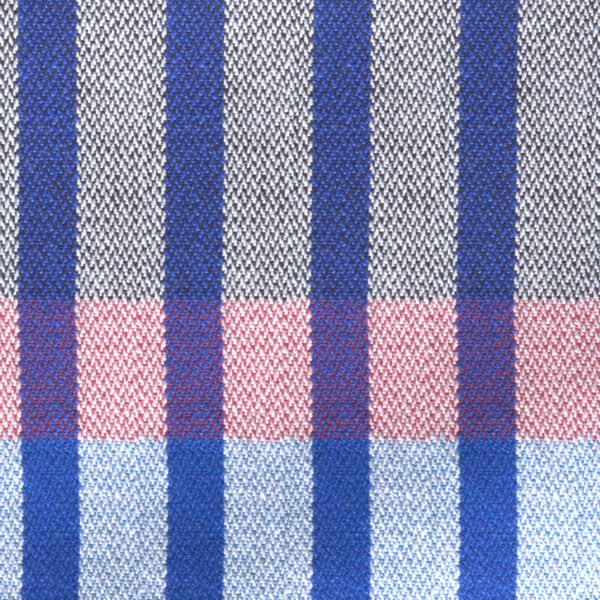
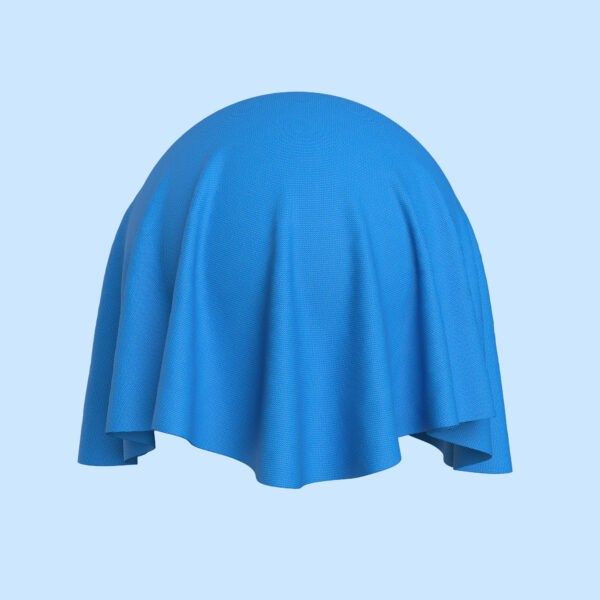
BCWDOB00718 is a detailed Digital Fabric 3D apparel model prepared for digital fashion workflows, ecommerce product visualization and collection planning. The asset highlights Indigo, giving fashion teams a clear product view before physical sampling.
Use this digital garment for virtual showroom pages, merchandising reviews, design presentations, online catalog imagery and apparel development discussions. It helps buyers, designers and production teams evaluate silhouette, styling direction and product story with consistent front-facing visual clarity.
Binarycloth builds product visuals for brands that need faster sampling, cleaner campaign assets and scalable digital product content. This Digital Fabric model supports modern apparel workflows where accurate 3D visualization reduces repeated sample rounds and keeps product teams aligned.