BCKINT03527
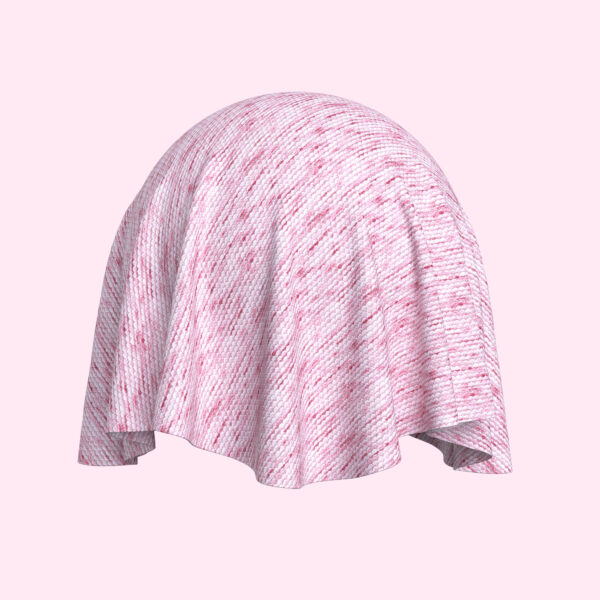
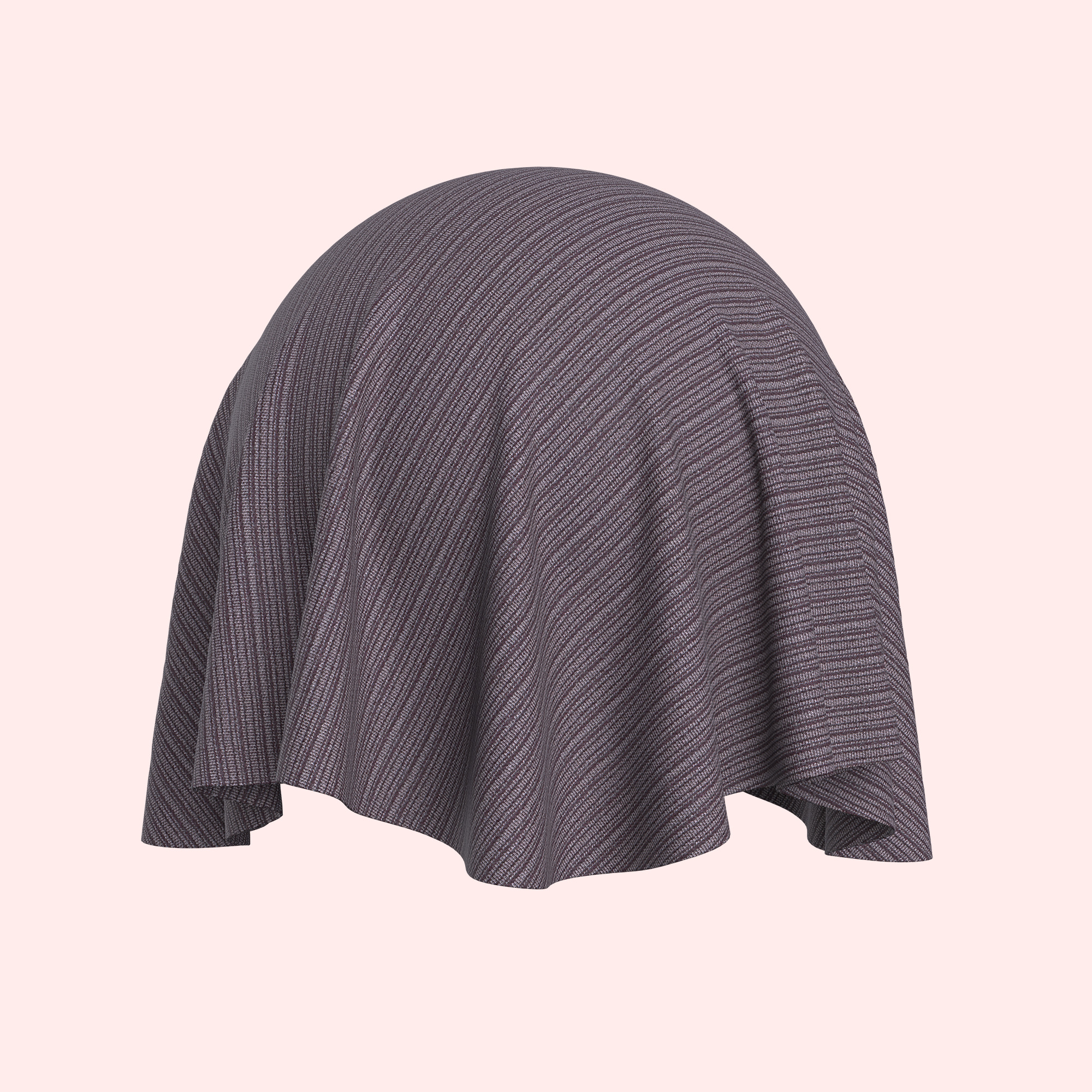
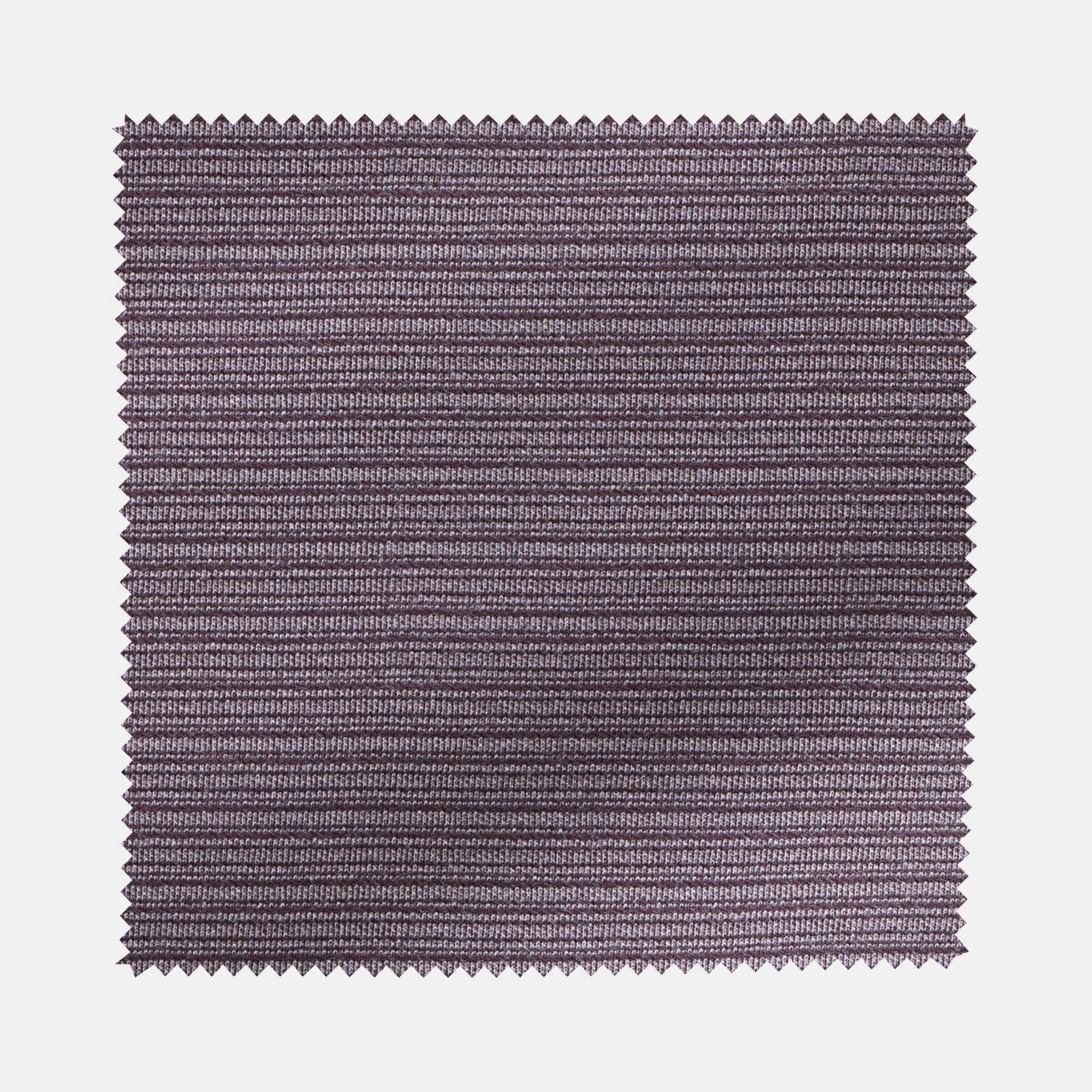
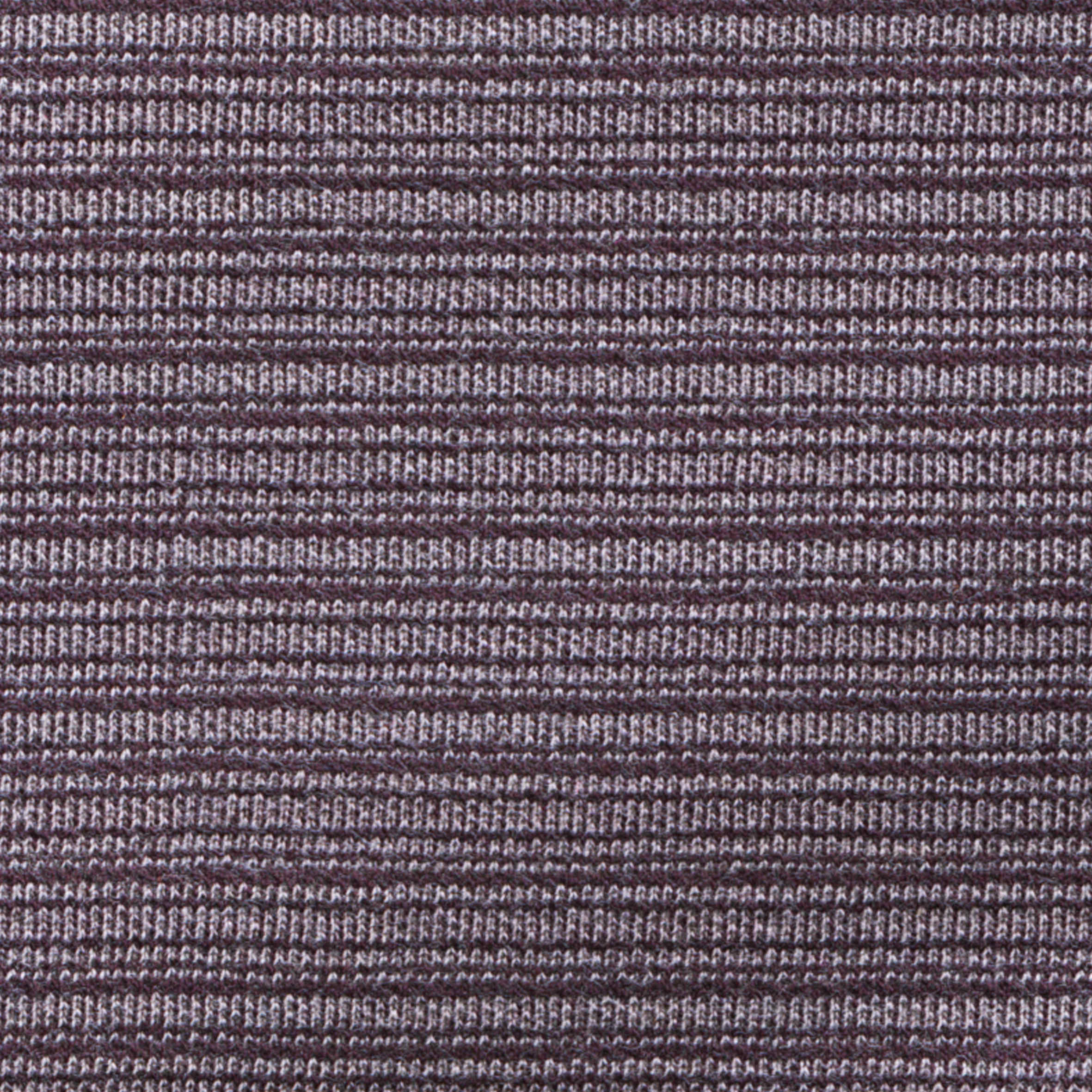
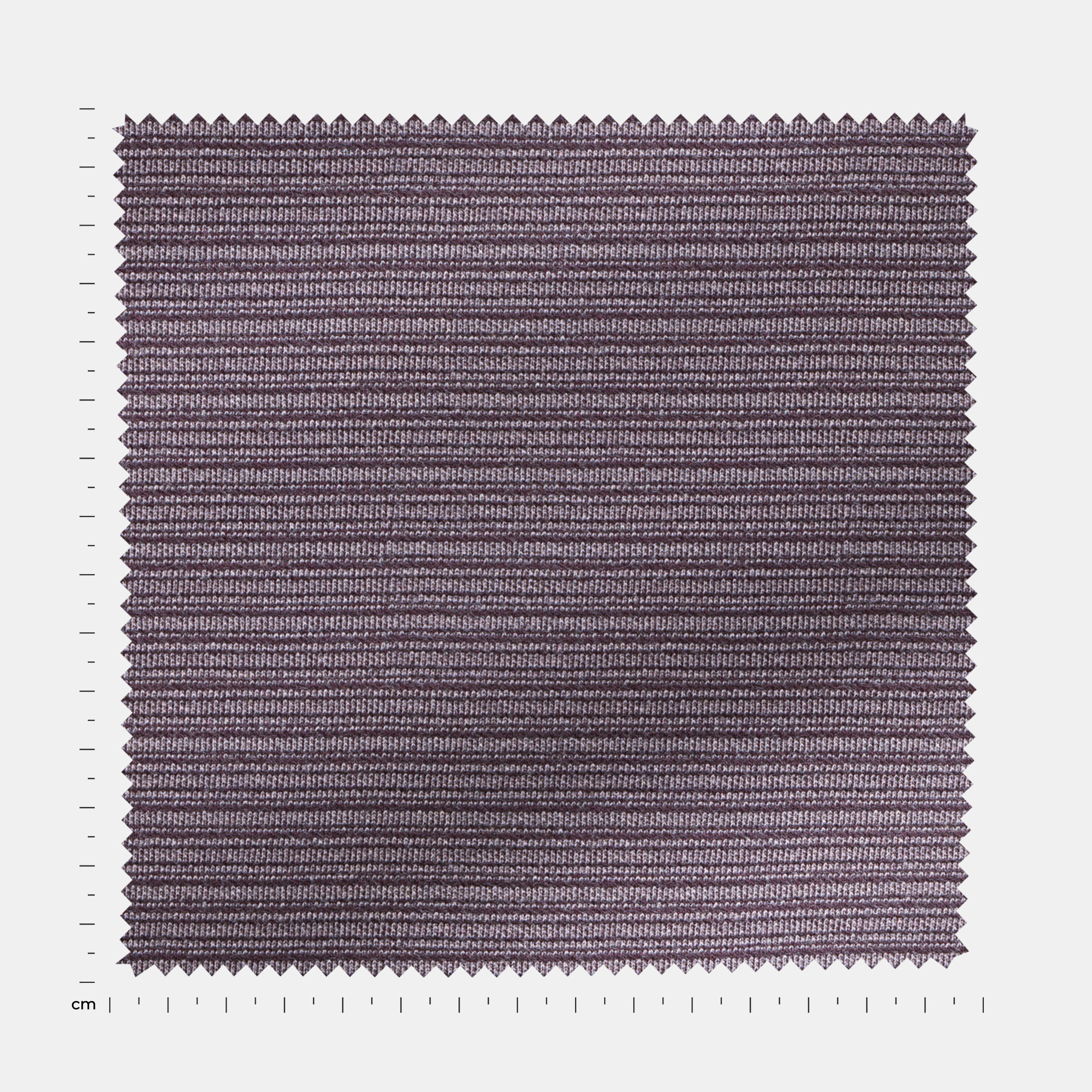
A charcoal grey jersey knit fabric featuring a fine-gauge heathered texture. The matte finish and smooth surface are ideal for high-quality t-shirts, loungewear, and lightweight activewear.
|
Gender |
|
|
Color |
Charcoal Grey, Light Grey, White |
|
Style |
|
|
Uses |
|
|
Fittings |
|
|
Print & Pattern |
Heather/Melange |
|
Product Length |
|
|
Neckline Type |
|
|
Collar Type |
|
|
Placket |
|
|
Sleeve |
|
|
|
|
|
Waist Type |
|
|
Zipper |
|
|
Brand |
|
|
Fabric Type |
Knit |
|
Structure |
Jersey |
|
Content |
Polyester |
|
Composition |
100% Polyester |
|
GSM |
250 |
|
GSM Range |
GSM 201-250 |
Description
What is virtual sample?
A virtual sample, also known as a digital sample or digital mockup, is a digital representation or simulation of a physical product. Virtual samples are typically created using computer-aided design (CAD) software and 3D modeling techniques to generate a lifelike representation of a product, such as a garment, accessory, industrial part, or architectural design. These digital samples offer a range of advantages in various industries, including fashion, manufacturing, and product design:
-
- Design Visualization: Virtual samples allow designers to visualize and evaluate their product designs before they are physically produced. This enables designers to make changes and improvements more efficiently.
- Cost Reduction: Creating physical prototypes and samples can be costly and time-consuming. Virtual samples help reduce costs by minimizing the need for physical prototypes and material resources.
- Time Savings: The design and production process is expedited through virtual samples, as they can be created and evaluated quickly. This accelerates product development timelines.
- Environmental Impact: Reducing the number of physical prototypes and samples contributes to sustainability efforts by lowering waste and decreasing the carbon footprint associated with product development.
what is the importance of virtual sample in fashion design?
Virtual samples play a crucial role in fashion design, offering a range of benefits that are particularly valuable in the fast-paced and ever-evolving fashion industry. Here’s why virtual samples are important in fashion design:
- Efficient Design Process: Virtual samples allow fashion designers to visualize and experiment with digital fabric in a digital environment. This significantly speeds up the design process, reducing the time required for design iterations.
- Cost Reduction: Physical garment prototypes and samples can be expensive to produce. Virtual samples help minimize these costs, as there is no need for physical materials, labor, or sample production.
- Reduced Environmental Impact: The fashion industry is increasingly focused on sustainability. Virtual samples align with these sustainability goals by reducing the need for physical garment production, thereby minimizing waste and lowering the carbon footprint.
- Realistic Visualization: digital samples aim to provide highly realistic representations of clothing items. Designers and clients can see how fabrics drape, patterns align, and colors appear on digital models, offering a more accurate depiction of the final product.
- Customization: Many Virtual fashion tools allow customers to personalize garments by choosing colors, styles, and design elements according to their preferences. This personalization can lead to higher customer satisfaction and engagement.
- Efficient Communication: Fashion Tech serves as effective tools for communicating design concepts and ideas between designers, manufacturers, and clients. They help convey design intent and specifications accurately.
- Remote Collaboration: Designers, manufacturers, and clients can collaborate on virtual samples from different locations, making remote collaboration more accessible and efficient.
- Data-Driven Insights: Virtual try-on and customization features in digital clothing can collect valuable data on user preferences and interactions. This data can inform marketing strategies and product development.
- Versatility: Virtual samples can be used for various types of clothing, from casual wear to haute couture, allowing designers to experiment with different styles and materials.
- Reduced Lead Time: The absence of physical shipping and logistics means reduced lead times for design and production, enabling faster launches of new products.
In conclusion, virtual samples are important in fashion design due to their efficiency, cost savings, sustainability, and customization capabilities. They align with the changing needs of the fashion industry, which is increasingly focused on reducing waste, engaging customers digitally, and staying in step with evolving consumer expectations.
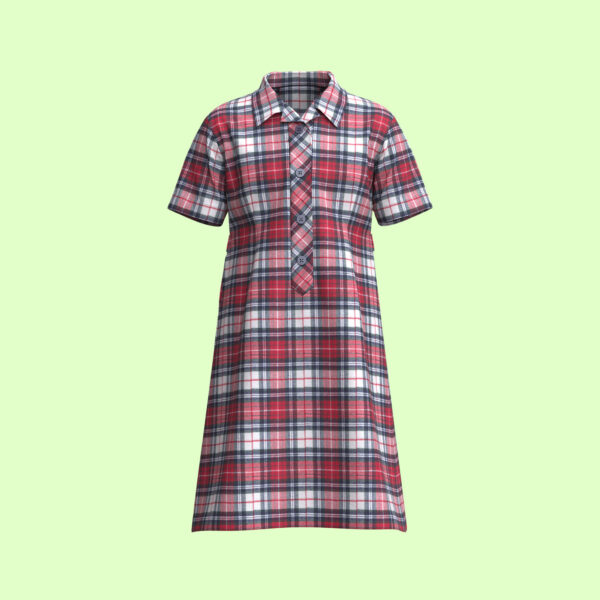
BCKINT03527 3D apparel model
BCKINT03527 is a detailed Digital Fabric 3D apparel model prepared for digital fashion workflows, ecommerce product visualization and collection planning. The asset highlights Brown, giving fashion teams a clear product view before physical sampling.
Use this digital garment for virtual showroom pages, merchandising reviews, design presentations, online catalog imagery and apparel development discussions. It helps buyers, designers and production teams evaluate silhouette, styling direction and product story with consistent front-facing visual clarity.
Binarycloth builds product visuals for brands that need faster sampling, cleaner campaign assets and scalable digital product content. This Digital Fabric model supports modern apparel workflows where accurate 3D visualization reduces repeated sample rounds and keeps product teams aligned.
Frequently Asked Questions
How much does it cost to digitize a fabric like this?
Fabric digitalization starts from $15 per material. A flatbed scan is from $9.99 and premium Vizoo scanning from $30, with a minimum order of 10 fabrics. Request a quote.
Can you digitize a fabric like this into a CLO3D-ready PBR material?
Yes. Our fabric digitalization turns a physical fabric swatch into a true-to-life, CLO3D-ready PBR material with accurate colour, weave and sheen. Digital fabrics start from $15.
What files do I receive for this digital fabric?
You receive ready-to-use PBR material files (U3M/ZFAB plus texture maps) that drop straight into CLO3D, Browzwear and standard 3D workflows.
Can I reuse this digital fabric across my own 3D garments?
Absolutely. Once digitized, the fabric material is yours to apply to any number of 3D garments, colourways and collections.
Can you match this fabric to a physical swatch I send?
Yes — send us your physical swatch and we scan and colour-match it into an accurate digital fabric for your 3D samples.
How many fabrics can you digitize at once?
We work in batches with a minimum of 10 fabrics, so you can build a full digital material library for your line in one go.