BCKJAC00942
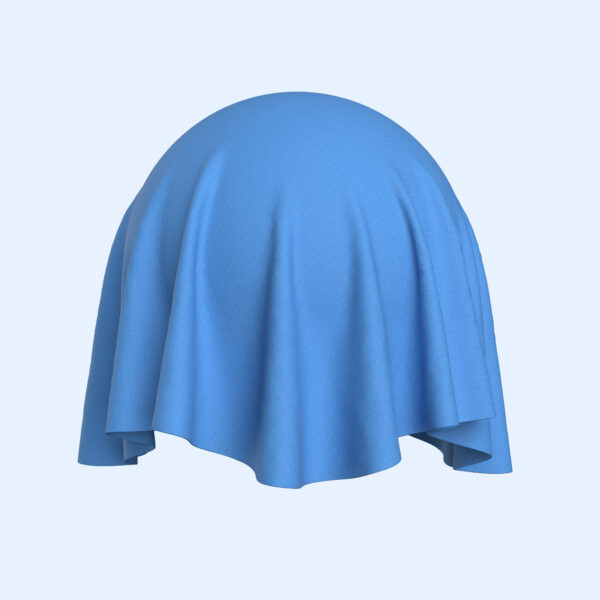
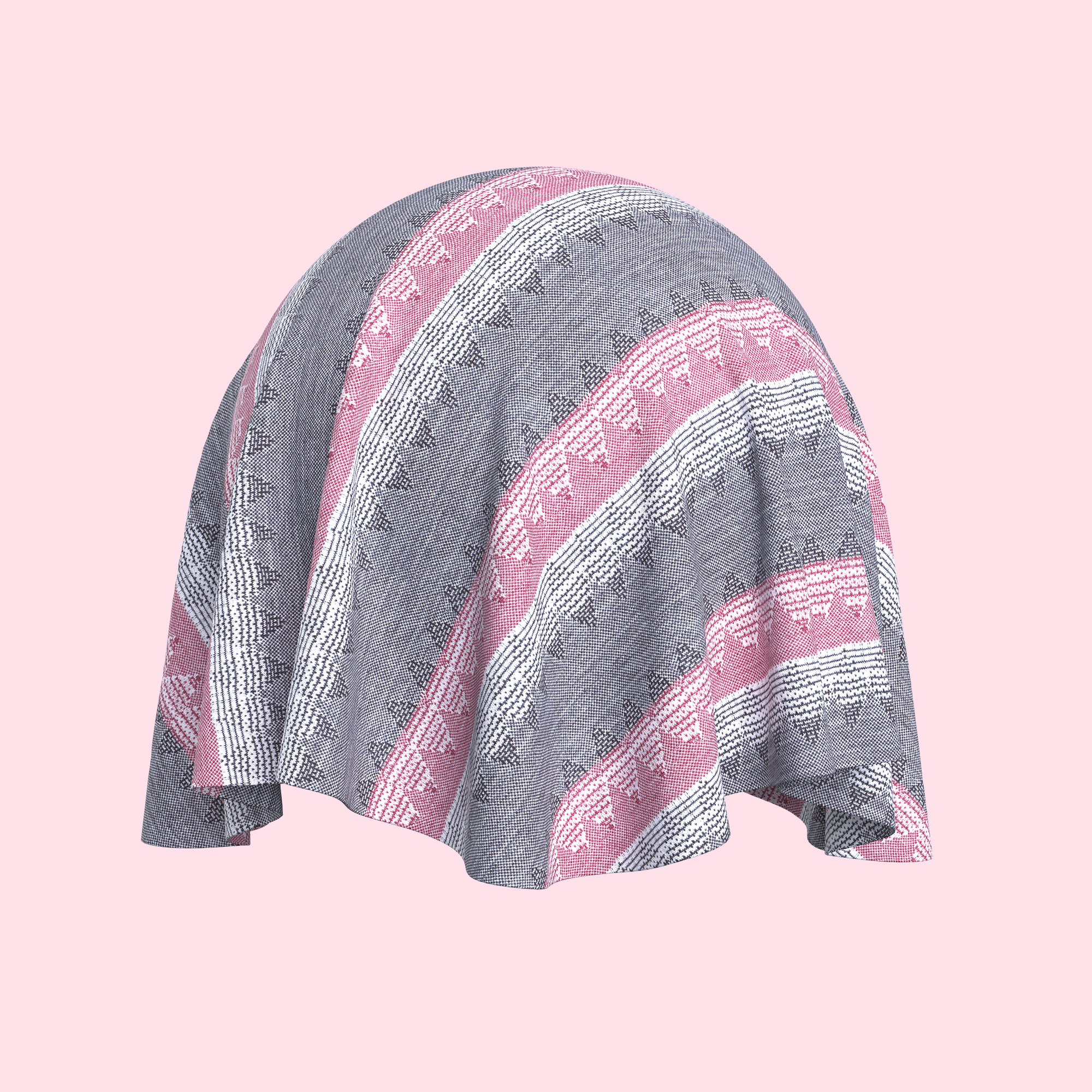
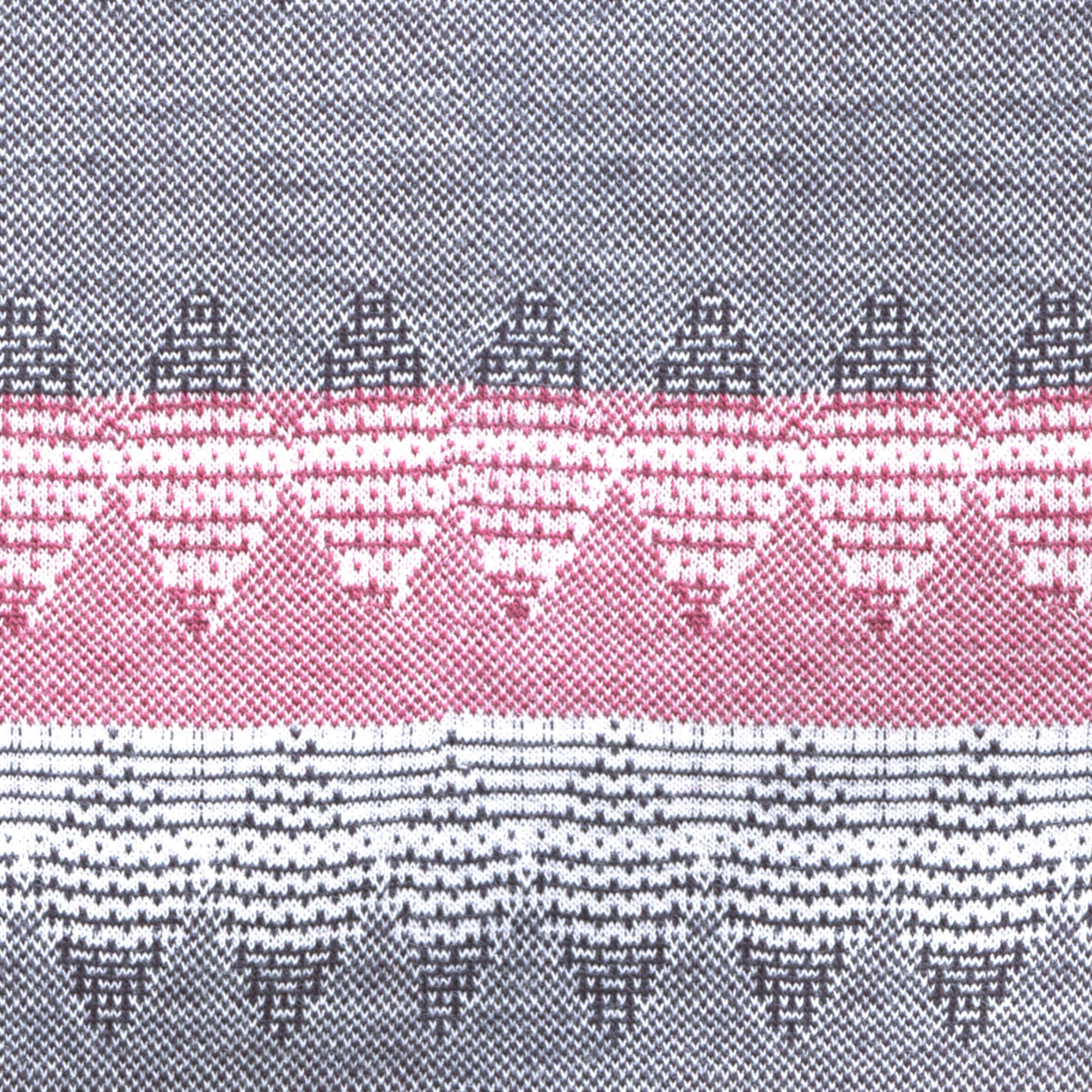
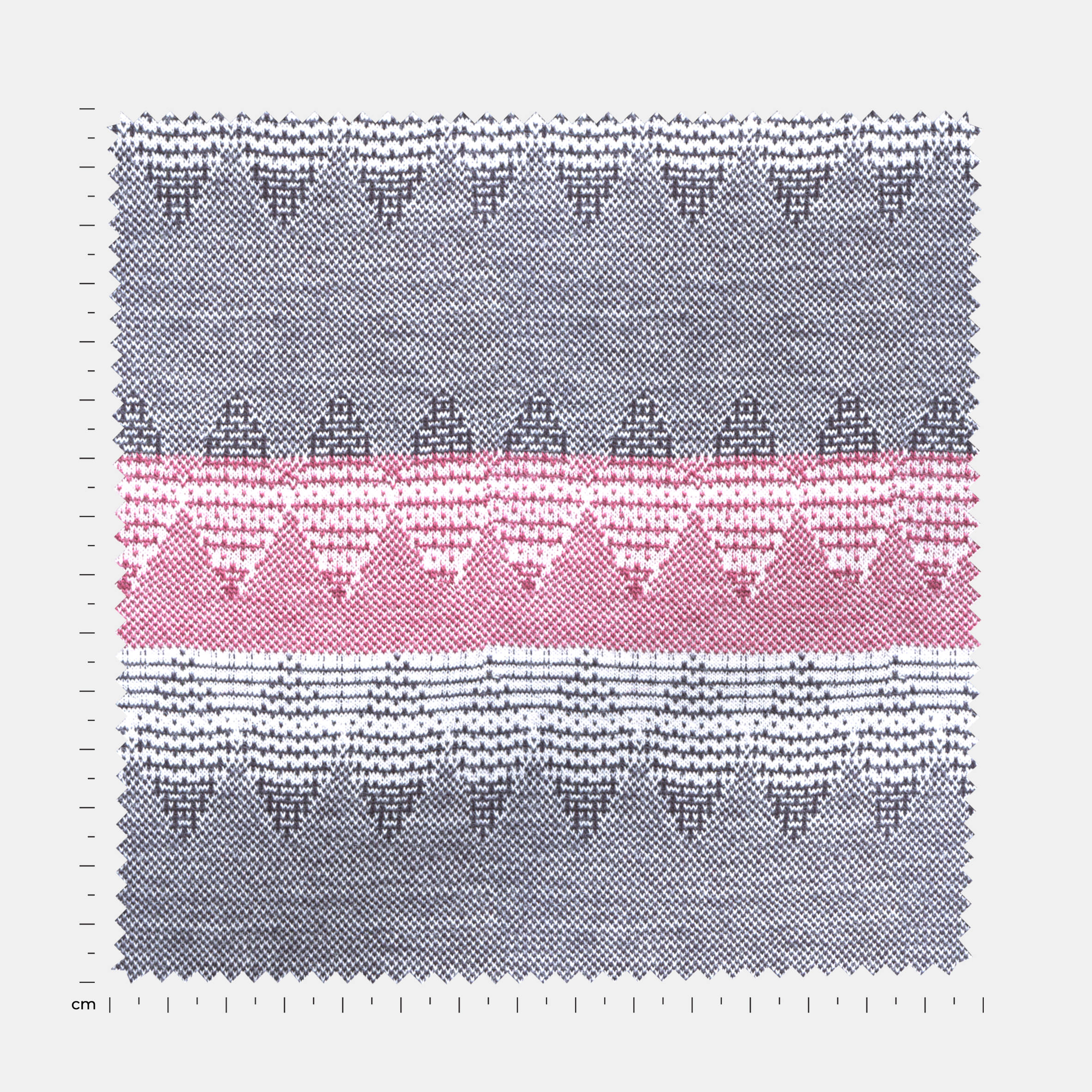
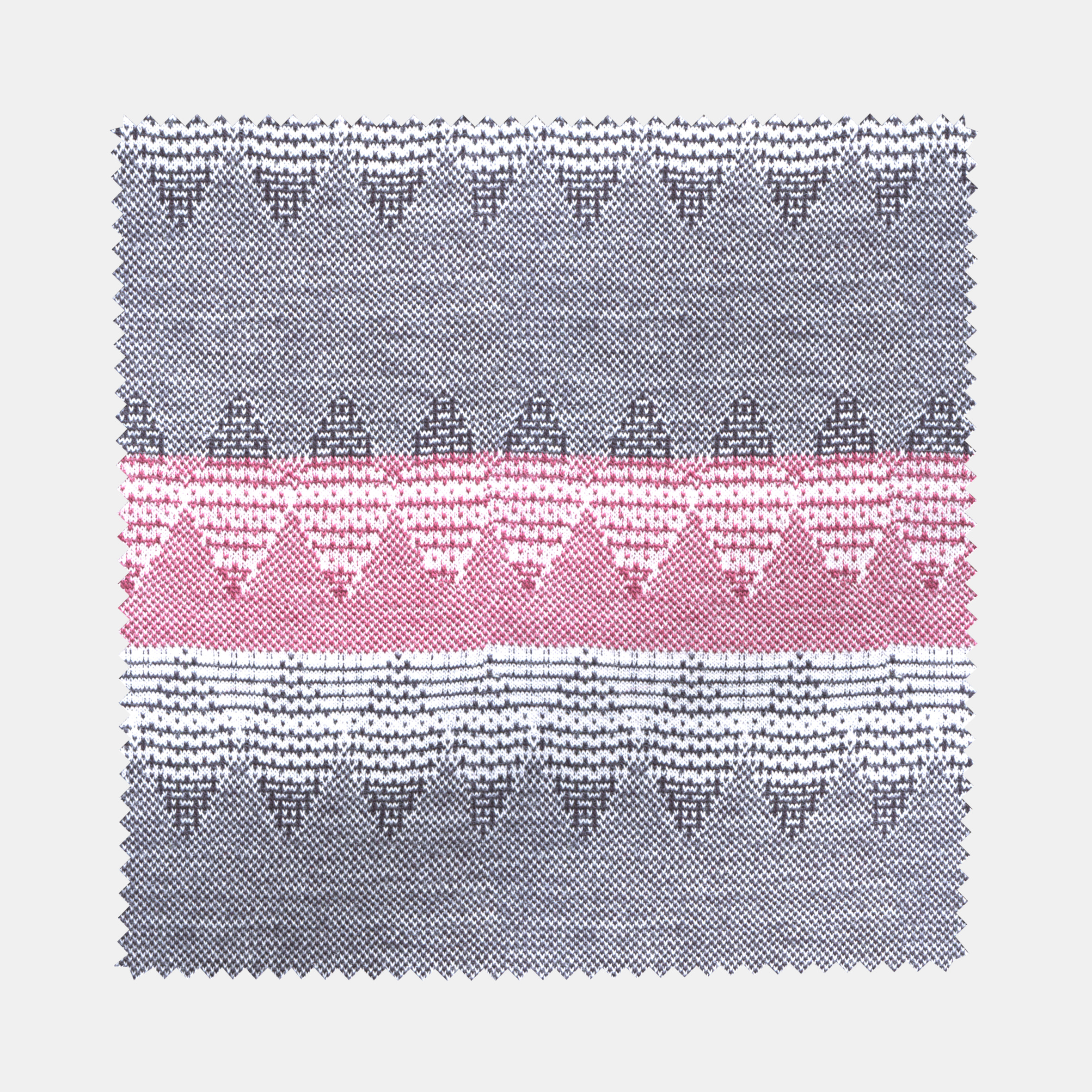
A multi-tonal grey and pink striped knit fabric featuring a textured jacquard construction. The ribbed surface and matte finish are ideal for cozy sweaters, cardigans, and lightweight outerwear.
|
Gender |
|
|
Color |
Grey, Pink, White |
|
Style |
|
|
Uses |
|
|
Fittings |
|
|
Print & Pattern |
Yarn-dyed Stripe |
|
Product Length |
|
|
Neckline Type |
|
|
Collar Type |
|
|
Placket |
|
|
Sleeve |
|
|
|
|
|
Waist Type |
|
|
Zipper |
|
|
Brand |
|
|
Fabric Type |
Knit |
|
Structure |
Jacquard Knit |
|
Content |
Cotton |
|
Composition |
100% Cotton |
|
GSM |
180 |
|
GSM Range |
GSM 151-200 |
Description
What is 3D Shopping Platform?
- Digital Material in 3D Design:
- Textures and Surfaces: In 3D design and modeling, a 3D material often refers to the digital representation of the surface characteristics of an object. This includes textures, colors, reflectivity, and other visual properties applied to a 3D model to make it look realistic.
- Physical Materials for 3D Printing:
- Filaments and Resins: In 3D printing, 3D materials are the physical substances used to create objects layer by layer. This can include various types of filaments (for Fused Deposition Modeling or FDM printers) or resins (for Stereolithography or SLA printers). These materials can be plastics, metals, ceramics, or other composites, depending on the type of 3D printer and the desired properties of the final object.
It’s important to clarify which context is meant when referring to “3D material” because the term can be used in both digital and physical aspects of 3D technology.
what is the importance of 3D Shopping Platform in fashion design?
3D shopping platforms offer a range of benefits to both businesses and consumers, enhancing the online shopping experience and improving the overall efficiency of e-commerce. Here are some of the key advantages of 3D shopping platforms:
- Realistic Product Visualization: 3D shopping platforms provide highly detailed and realistic 3D product representations, allowing customers to view and interact with products in a way that closely mimics the physical shopping experience. This leads to more informed purchase decisions.
- Virtual Try-On: In the fashion and accessories industry, 3D shopping platforms often incorporate virtual try-on features, enabling customers to visualize how clothing and accessories will look on them. This reduces uncertainty about fit and style, particularly in online shopping.
- Customization: Many 3D shopping platforms offer product customization options, allowing customers to choose colors, sizes, styles, materials, and design elements to create personalized products.
- Reduced Returns: By offering virtual try-on and customization, 3D shopping platforms can significantly reduce the likelihood of returns, saving both businesses and customers time and money.
- Efficient Product Configuration: 3D configurators streamline the process of configuring complex products, such as customized furniture or electronics. Customers can make choices and see how they affect the final design and price in real time.
- Engaging Shopping Experience: 3D shopping platforms create an immersive and interactive shopping experience, making online shopping more enjoyable and engaging for customers. This can lead to higher customer satisfaction and loyalty.
- Cross-Selling and Up-Selling: Businesses can use 3D technology to suggest related or complementary products, increasing the average order value and boosting sales.
- Global Accessibility: 3D shopping platforms are accessible to customers worldwide, allowing businesses to expand their reach beyond physical store locations and tap into new markets.
- Marketing and Promotion: High-quality 3D renderings and interactive product presentations created using 3D shopping platforms can be used for marketing campaigns and promotional materials, providing a visually appealing way to showcase products.
- Data Insights: Businesses can gather data on customer interactions with 3D content, providing valuable insights into customer preferences and behavior, which can inform marketing strategies and product development.
- Sustainability: By reducing the need for physical prototypes and samples, 3D shopping platforms contribute to more sustainable and eco-friendly business practices, as they minimize waste and the environmental impact associated with traditional product development.
- Cost Efficiency: Over time, the use of 3D technology can lead to cost savings for businesses, as it reduces the need for physical samples, extensive photoshoots, and traditional advertising methods.
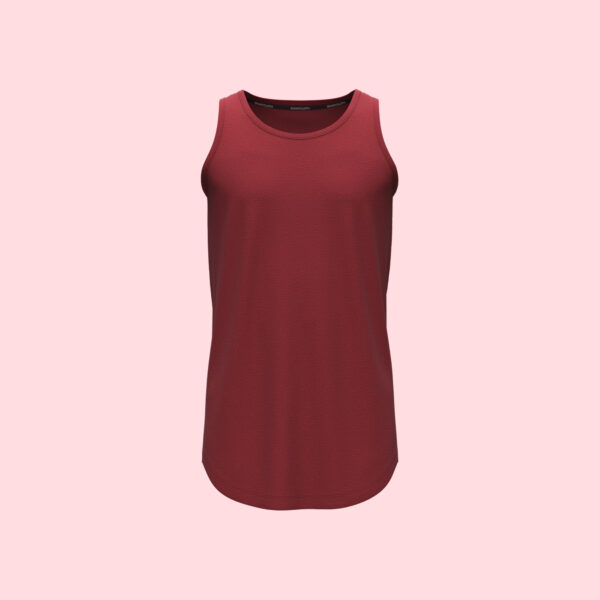
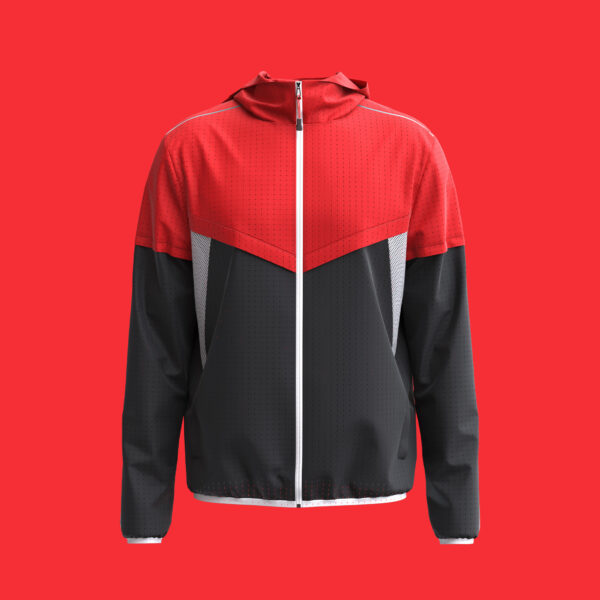
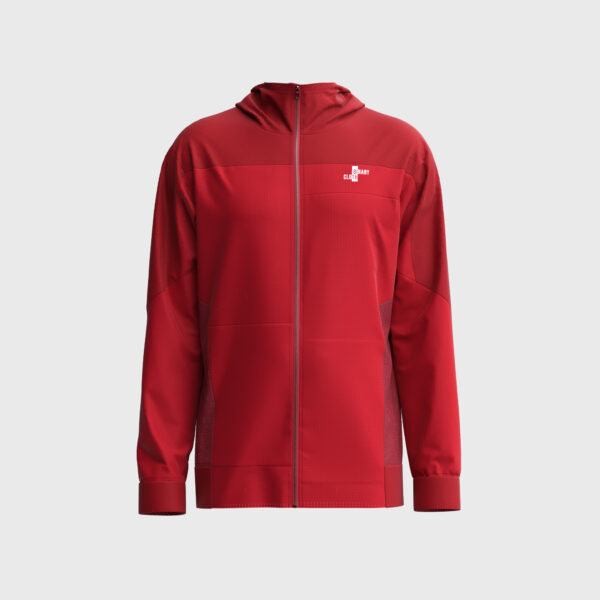
BCKJAC00942 3D apparel model
BCKJAC00942 is a detailed Digital Fabric 3D apparel model prepared for digital fashion workflows, ecommerce product visualization and collection planning. The asset highlights Gray, giving fashion teams a clear product view before physical sampling.
Use this digital garment for virtual showroom pages, merchandising reviews, design presentations, online catalog imagery and apparel development discussions. It helps buyers, designers and production teams evaluate silhouette, styling direction and product story with consistent front-facing visual clarity.
Binarycloth builds product visuals for brands that need faster sampling, cleaner campaign assets and scalable digital product content. This Digital Fabric model supports modern apparel workflows where accurate 3D visualization reduces repeated sample rounds and keeps product teams aligned.
Frequently Asked Questions
Can I reuse this digital fabric across my own 3D garments?
Absolutely. Once digitized, the fabric material is yours to apply to any number of 3D garments, colourways and collections.
How many fabrics can you digitize at once?
We work in batches with a minimum of 10 fabrics, so you can build a full digital material library for your line in one go.
What files do I receive for this digital fabric?
You receive ready-to-use PBR material files (U3M/ZFAB plus texture maps) that drop straight into CLO3D, Browzwear and standard 3D workflows.
Will this fabric drape and behave realistically in 3D?
Yes — we capture weight, stretch and surface detail so the fabric drapes and folds true to life on 3D garments in CLO3D and other simulators.
How much does it cost to digitize a fabric like this?
Fabric digitalization starts from $15 per material. A flatbed scan is from $9.99 and premium Vizoo scanning from $30, with a minimum order of 10 fabrics. Request a quote.
Can you match this fabric to a physical swatch I send?
Yes — send us your physical swatch and we scan and colour-match it into an accurate digital fabric for your 3D samples.