BCKHEA00354
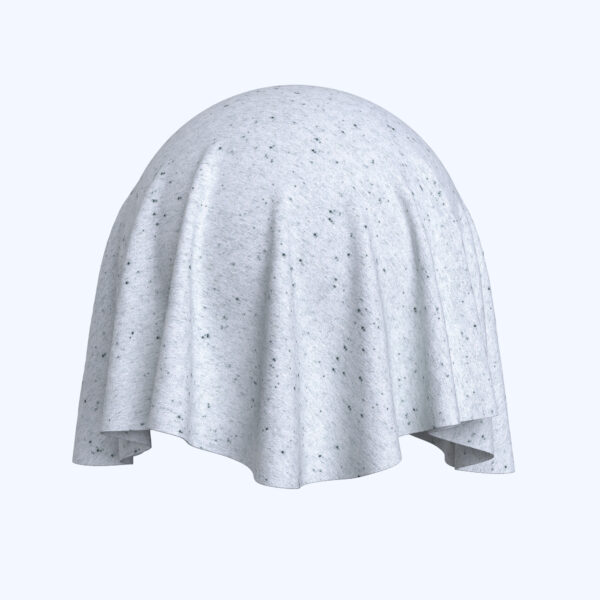
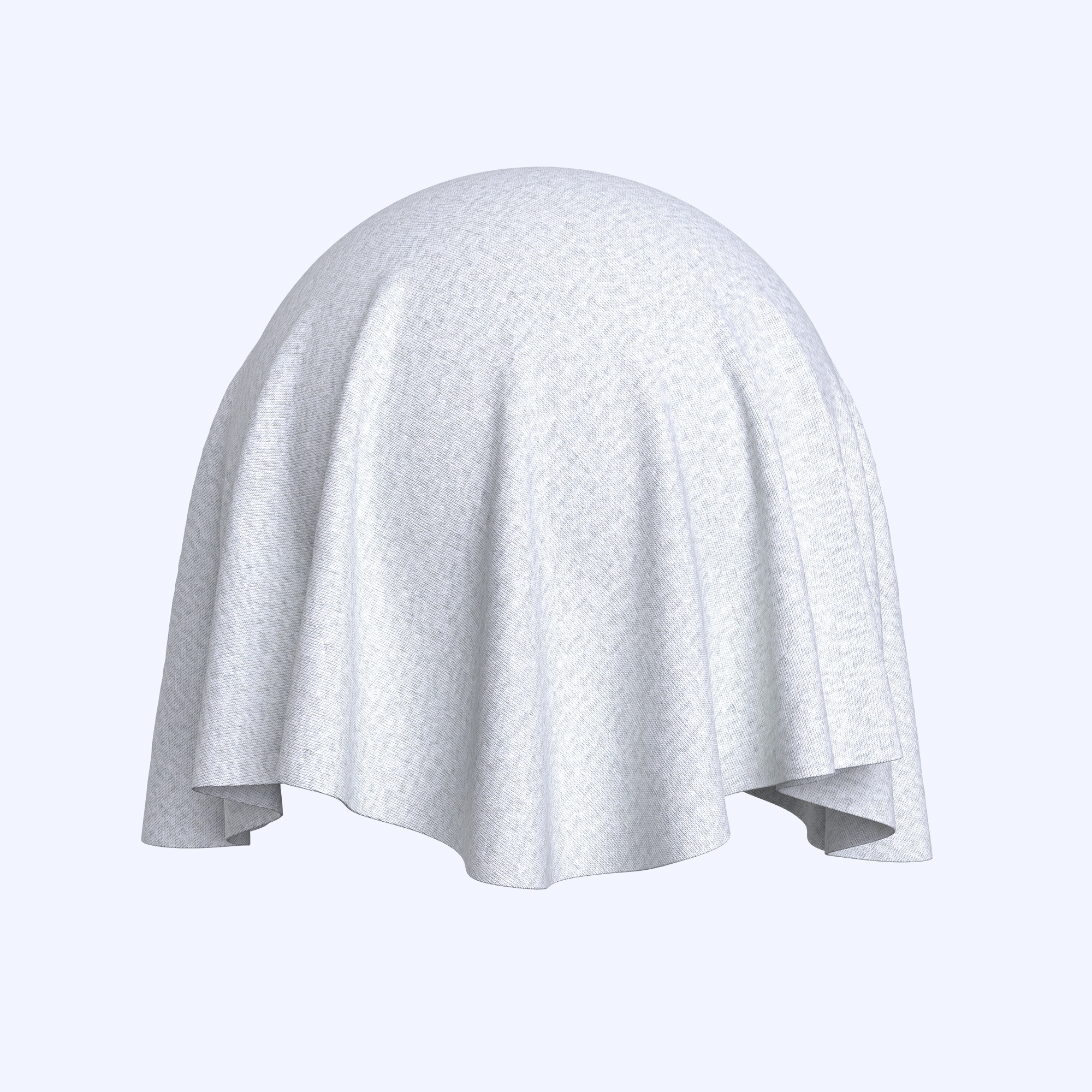
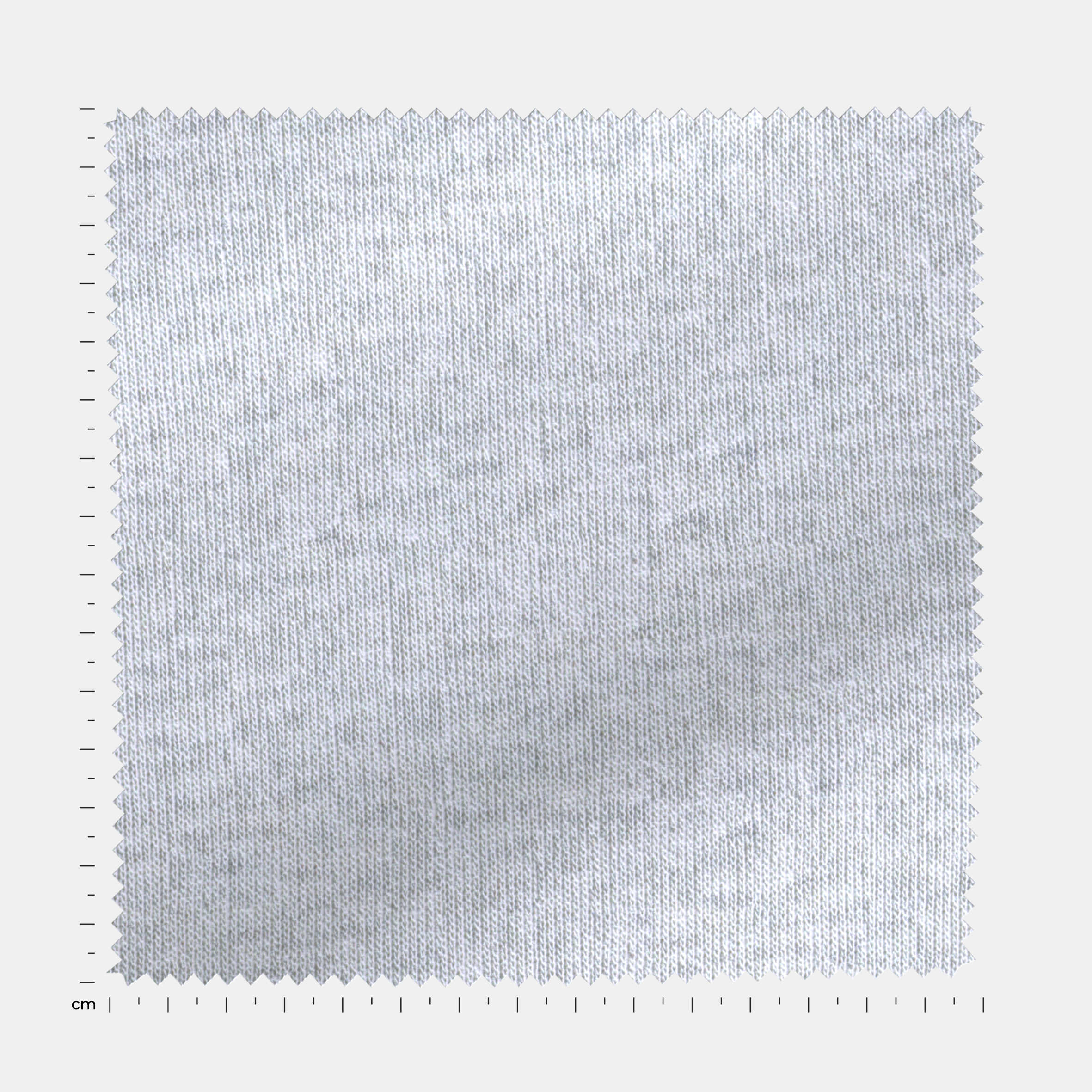
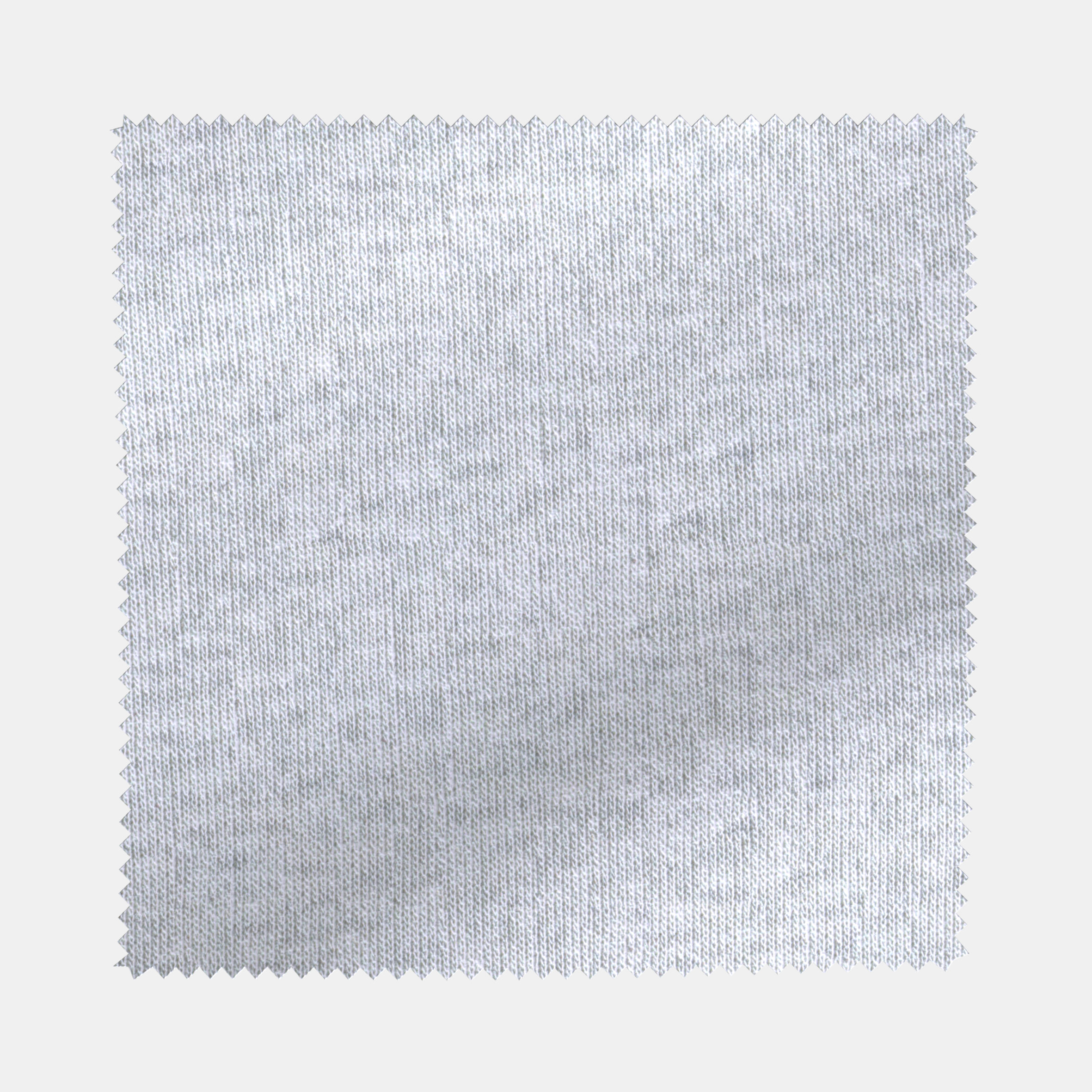
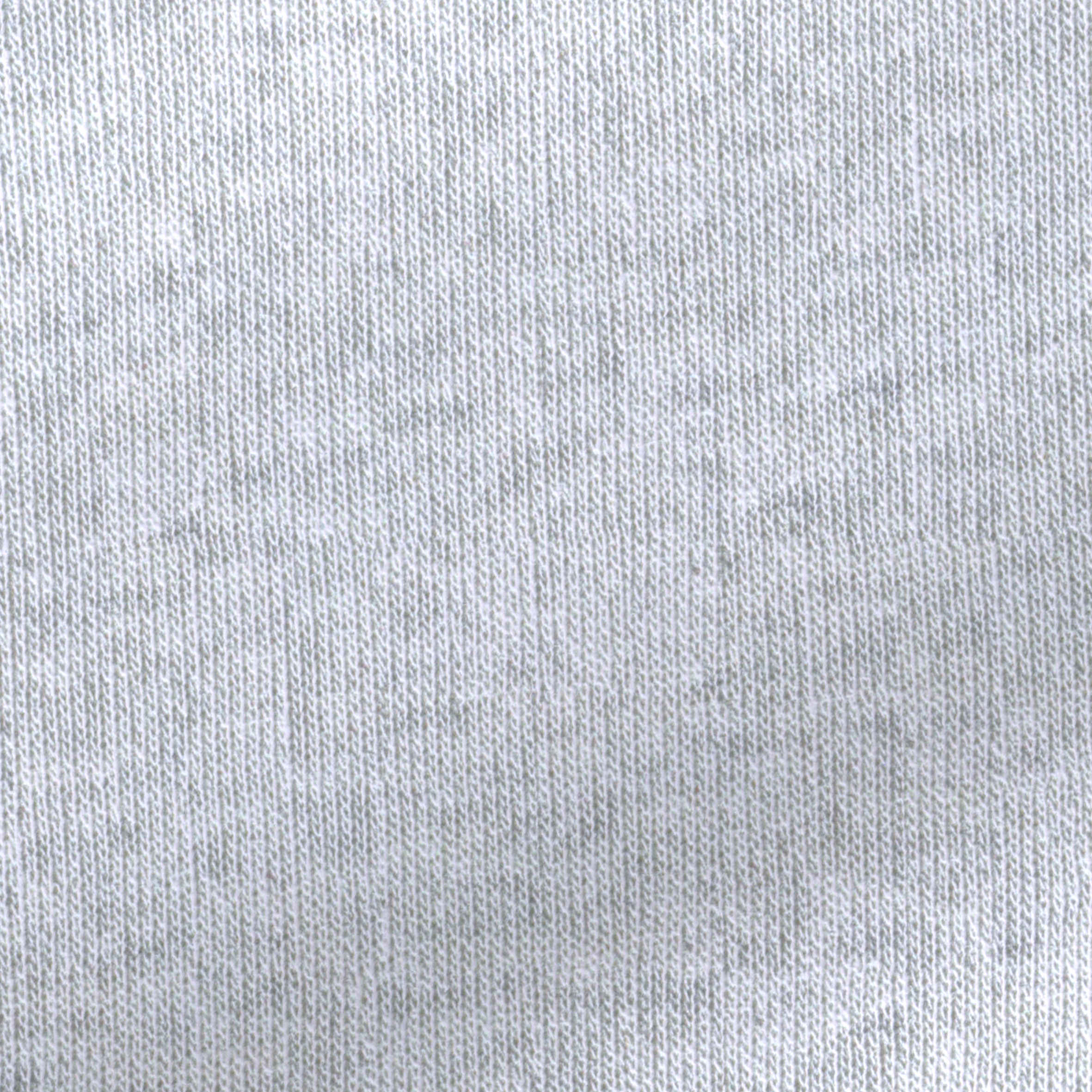
A light grey heathered knit fabric with a fine jersey structure and smooth matte finish. The subtle melange texture provides a versatile base for casual wear and activewear garments.
|
Gender |
|
|
Color |
Light Grey |
|
Style |
|
|
Uses |
|
|
Fittings |
|
|
Print & Pattern |
Heather/Melange |
|
Product Length |
|
|
Neckline Type |
|
|
Collar Type |
|
|
Placket |
|
|
Sleeve |
|
|
|
|
|
Waist Type |
|
|
Zipper |
|
|
Brand |
|
|
Fabric Type |
Knit |
|
Structure |
Jersey |
|
Content |
Cotton, Viscose |
|
Composition |
95% Cotton 5% Viscose |
|
GSM |
180 |
|
GSM Range |
GSM 151-200 |
Description
What is Immersive Online Shopping?
- Virtual Reality (VR) Shopping: VR headsets or VR-enabled applications immerse shoppers in a virtual store environment, where they can browse and interact with products just as they would in a physical store.
- Augmented Reality (AR) Try-On: AR technology superimposes virtual products onto the customer’s real-world environment, allowing them to virtually try on clothing, accessories, or visualize how furniture might look in their home.
- 3D Product Models: Products are represented using 3D models, which can be rotated, zoomed in on, and viewed from various angles, providing a more interactive and detailed view.
- Virtual Showrooms: Virtual showrooms replicate the aesthetics and layout of a physical store, enabling customers to explore a curated selection of products within a lifelike setting.
How Immersive Shopping Experiences Are Changing Retail?
-
- Virtual Try-Ons: 3D fashion modeling allows customers to virtually try on clothing and accessories. This reduces the uncertainty associated with online apparel shopping, as customers can see how garments fit and look on them before making a purchase. Virtual try-ons help reduce returns and improve customer satisfaction.
- Personalization: Immersive shopping experiences use 3D models to enable personalization. Customers can customize clothing items by choosing colors, styles, sizes, and other design features to create a product that suits their individual preferences.
- Enhanced Product Visualization: 3D fashion models provide a more detailed and realistic view of clothing and accessories. Customers can rotate, zoom in, and examine products from different angles, allowing for a better understanding of the product’s quality and design.
- Reduced Returns: With the ability to interact with 3D fashion models and virtually try on products, customers are more likely to make informed purchase decisions, leading to a decrease in return rates and related costs for retailers.
- Innovative Marketing and Engagement: Brands use 3D fashion modeling in marketing campaigns to create immersive and engaging content. This can include virtual fashion shows, interactive social media content, and virtual showrooms.
- Global Accessibility: Immersive 3D fashion experiences are accessible to customers worldwide, expanding the market reach of fashion brands and allowing them to connect with a broader audience.
- Sustainability: By reducing the need for physical prototypes, samples, and physical showrooms, 3D fashion modeling contributes to more sustainable fashion practices by reducing waste and environmental impact.
BCKHEA00354 3D apparel model
BCKHEA00354 is a detailed Digital Fabric 3D apparel model prepared for digital fashion workflows, ecommerce product visualization and collection planning. The asset highlights Bright Grey, giving fashion teams a clear product view before physical sampling.
Use this digital garment for virtual showroom pages, merchandising reviews, design presentations, online catalog imagery and apparel development discussions. It helps buyers, designers and production teams evaluate silhouette, styling direction and product story with consistent front-facing visual clarity.
Binarycloth builds product visuals for brands that need faster sampling, cleaner campaign assets and scalable digital product content. This Digital Fabric model supports modern apparel workflows where accurate 3D visualization reduces repeated sample rounds and keeps product teams aligned.
Frequently Asked Questions
How much does it cost to digitize a fabric like this?
Fabric digitalization starts from $15 per material. A flatbed scan is from $9.99 and premium Vizoo scanning from $30, with a minimum order of 10 fabrics. Request a quote.
Can you digitize a fabric like this into a CLO3D-ready PBR material?
Yes. Our fabric digitalization turns a physical fabric swatch into a true-to-life, CLO3D-ready PBR material with accurate colour, weave and sheen. Digital fabrics start from $15.
Can I reuse this digital fabric across my own 3D garments?
Absolutely. Once digitized, the fabric material is yours to apply to any number of 3D garments, colourways and collections.
Will this fabric drape and behave realistically in 3D?
Yes — we capture weight, stretch and surface detail so the fabric drapes and folds true to life on 3D garments in CLO3D and other simulators.
How many fabrics can you digitize at once?
We work in batches with a minimum of 10 fabrics, so you can build a full digital material library for your line in one go.
Can you match this fabric to a physical swatch I send?
Yes — send us your physical swatch and we scan and colour-match it into an accurate digital fabric for your 3D samples.