Description
what is virtual fashion?
- Virtual fashion refers to the creation and representation of clothing and fashion items in digital or virtual environments. It is a concept that has gained prominence in recent years, especially in the context of technology and the digital fashion industry. Here are some key aspects of virtual fashion:
- Digital Clothing: Virtual fashion involves the design and creation of clothing, accessories, and fashion items entirely in digital form. These digital garments exist as 3D models that can be worn or displayed on virtual avatars or models.
- Immersive Environments: Virtual fashion is often presented in immersive environments, such as virtual reality (VR) or augmented reality (AR) settings. This allows users to experience fashion in interactive, 3D spaces.
- Virtual Runways: Fashion designers and brands use virtual runways to showcase their collections. These digital fashion shows offer an alternative to traditional physical fashion shows and can be accessed online from anywhere in the world.
what is the importance of virtual fashion in fashion design?
Virtual fashion and digital fashion are closely related concepts, both of which offer several important advantages and benefits. While there is some overlap, virtual fashion often involves entirely digital garments and environments, while digital fashion can encompass a broader range of digital elements within the fashion industry. Here are the key reasons why both virtual and digital fashion are important:
Virtual Fashion:
- Sustainability: Virtual fashion promotes sustainable practices by reducing the need for physical garment production, minimizing waste, and lowering the environmental impact of the fashion industry.
- Reduced Physical Prototypes: Designers can create and showcase clothing digitally, reducing the need for physical prototypes and samples. This not only saves time and resources but also supports more efficient design and production processes.
- Innovation and Creativity: Virtual fashion offers a new canvas for creative experimentation. Designers can create unique and imaginative designs that may be challenging to produce in the physical world, fostering innovation.
- Efficient Fashion Shows: Virtual fashion shows and runways provide a platform for designers to showcase their collections to a global audience without the logistical challenges of traditional physical fashion shows.
- Personalization: Virtual fashion often allows consumers to customize garments, providing a more personalized shopping experience and the ability to express unique style preferences.
Digital Fashion:
- Enhanced Marketing and Promotion: Digital fashion can be a powerful marketing tool. Brands use digital fashion in various media, including social media, advertising, and marketing campaigns, to engage and attract consumers.
- Digital Try-On: Digital fashion allows consumers to virtually try on clothing and accessories using augmented reality (AR) or virtual reality (VR) applications, reducing uncertainty and encouraging online shopping.
- Interactive Content: Digital fashion includes interactive 3D content, animations, and product showcases that can engage and inform consumers in an engaging and dynamic way.
- E-Commerce Integration: Digital fashion integrates with e-commerce platforms, making it accessible to consumers through online stores and expanding the online shopping experience.
- Cross-Industry Collaboration: Digital fashion encourages collaboration between the fashion industry and technology, gaming, and digital art sectors, leading to innovative developments and new opportunities.
- Inclusivity and Accessibility: Digital fashion can be a more inclusive and accessible space for individuals to experiment with clothing and self-expression.
- Digital Art and NFTs: Some digital fashion items are sold as non-fungible tokens (NFTs) in the digital art market, providing opportunities for collectors and creators to engage with the digital fashion art world.
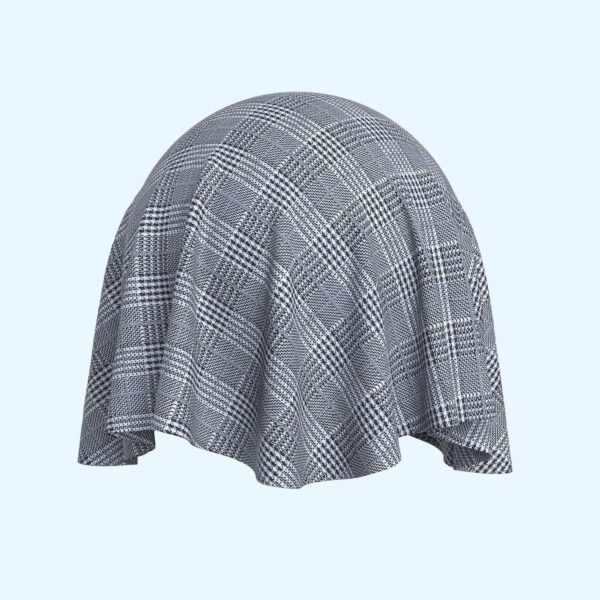
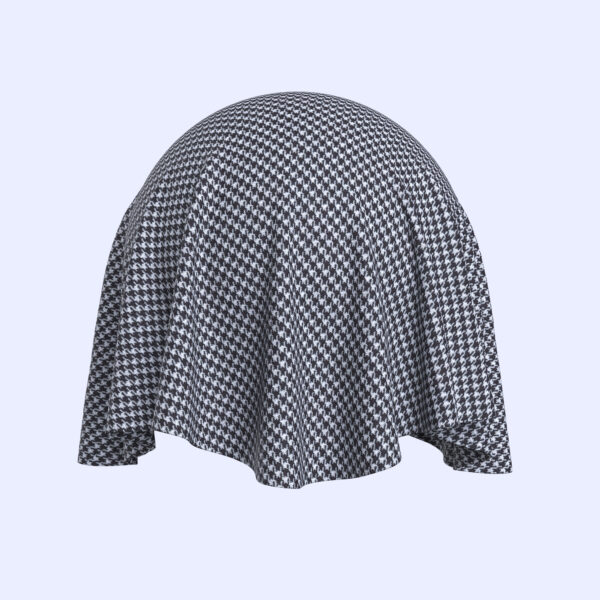
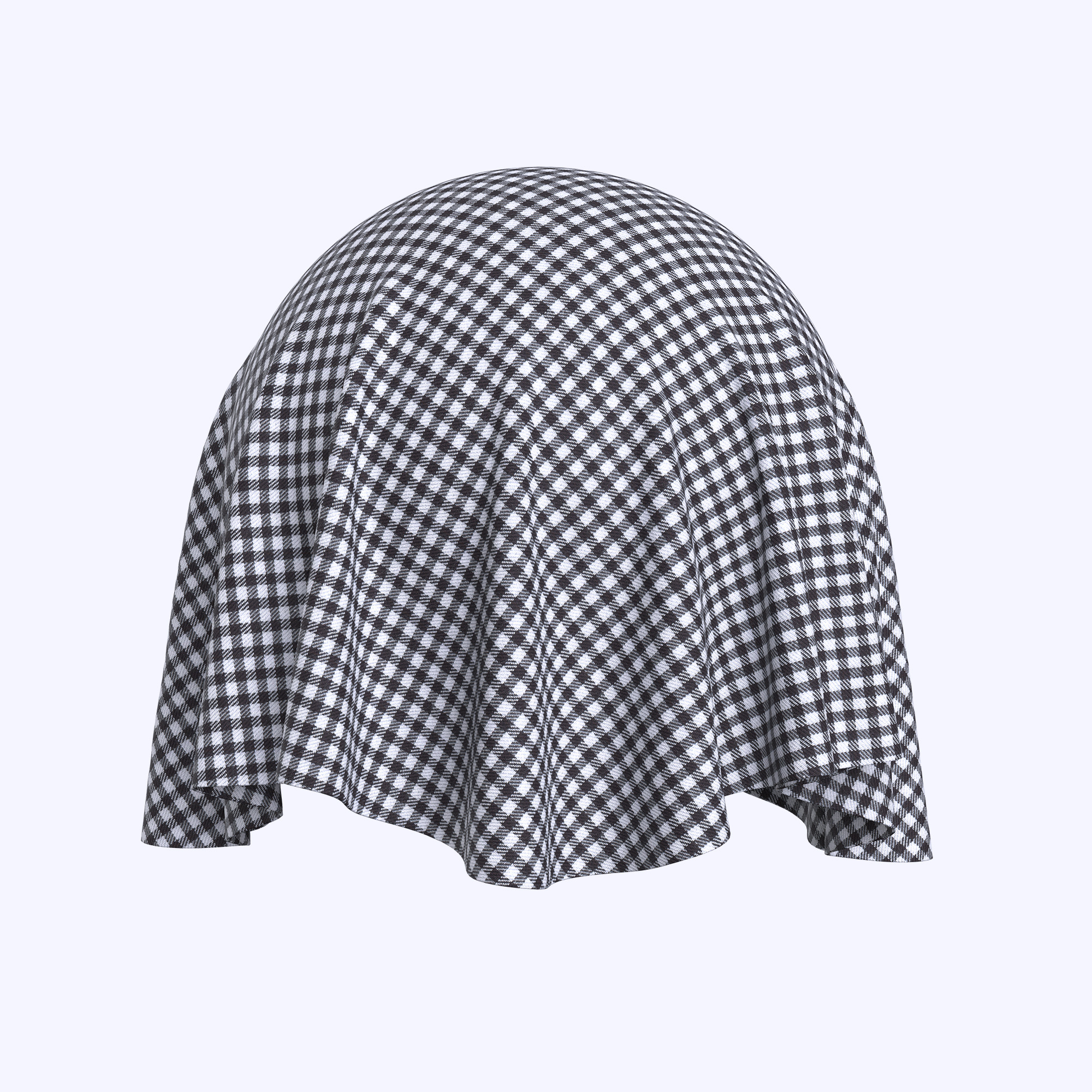
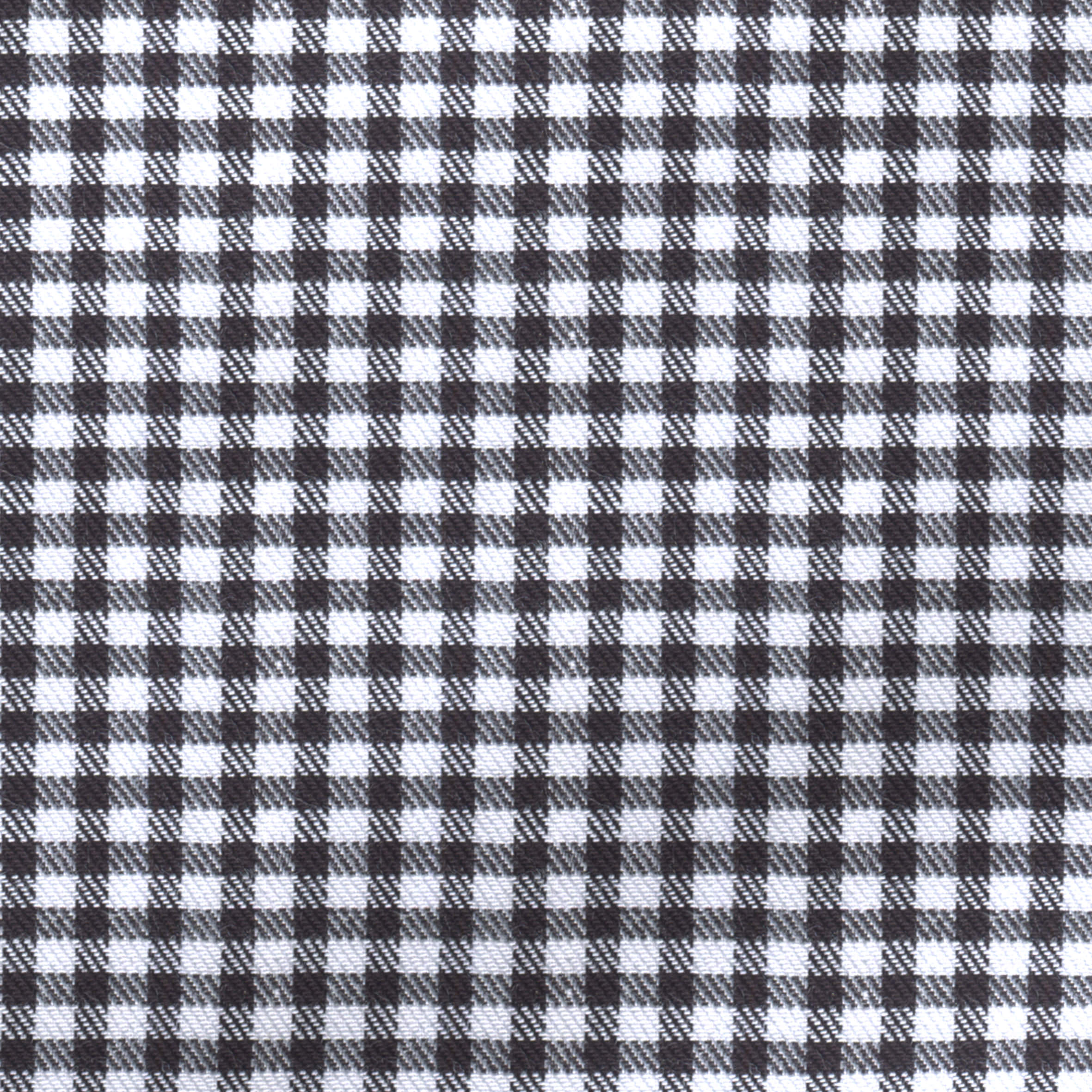
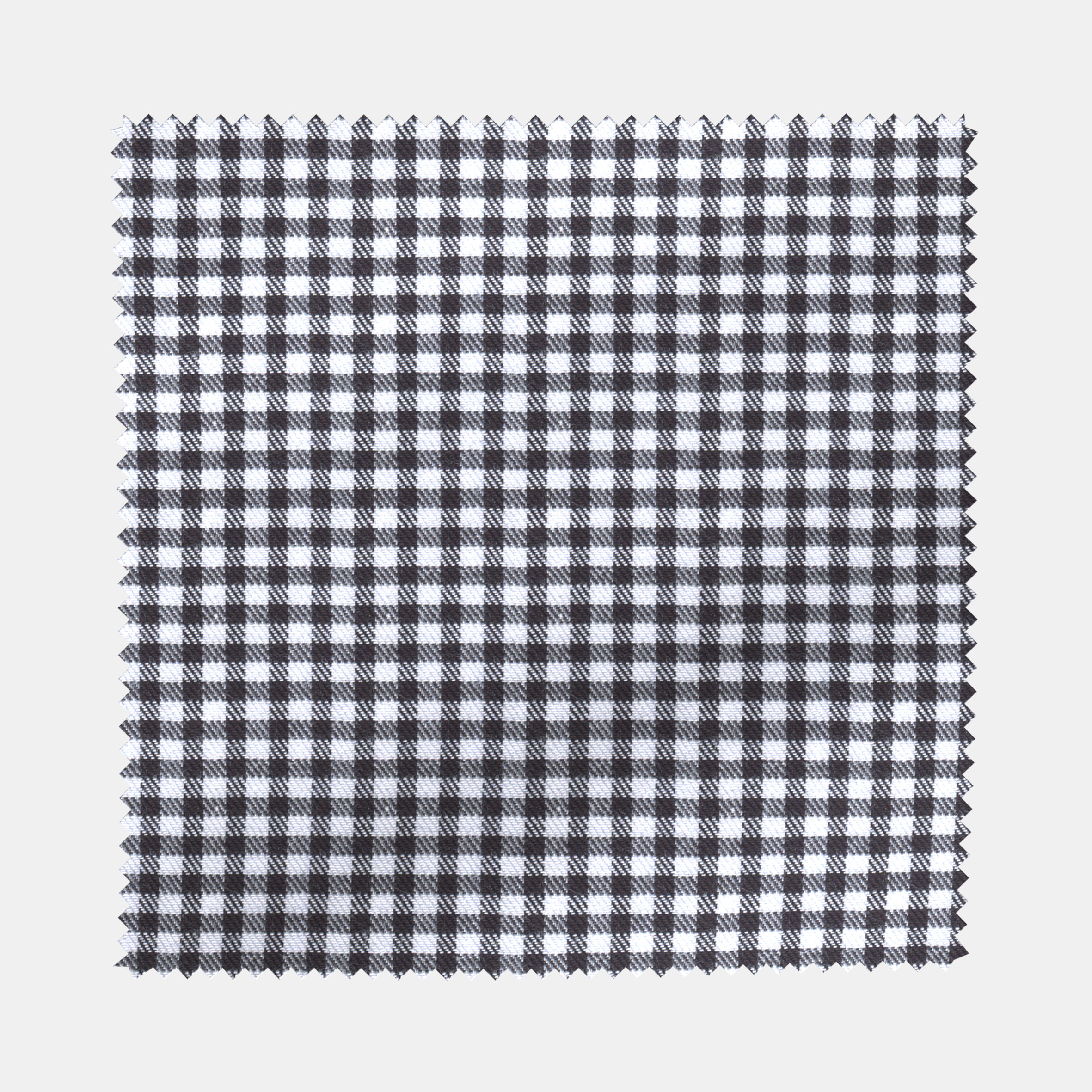
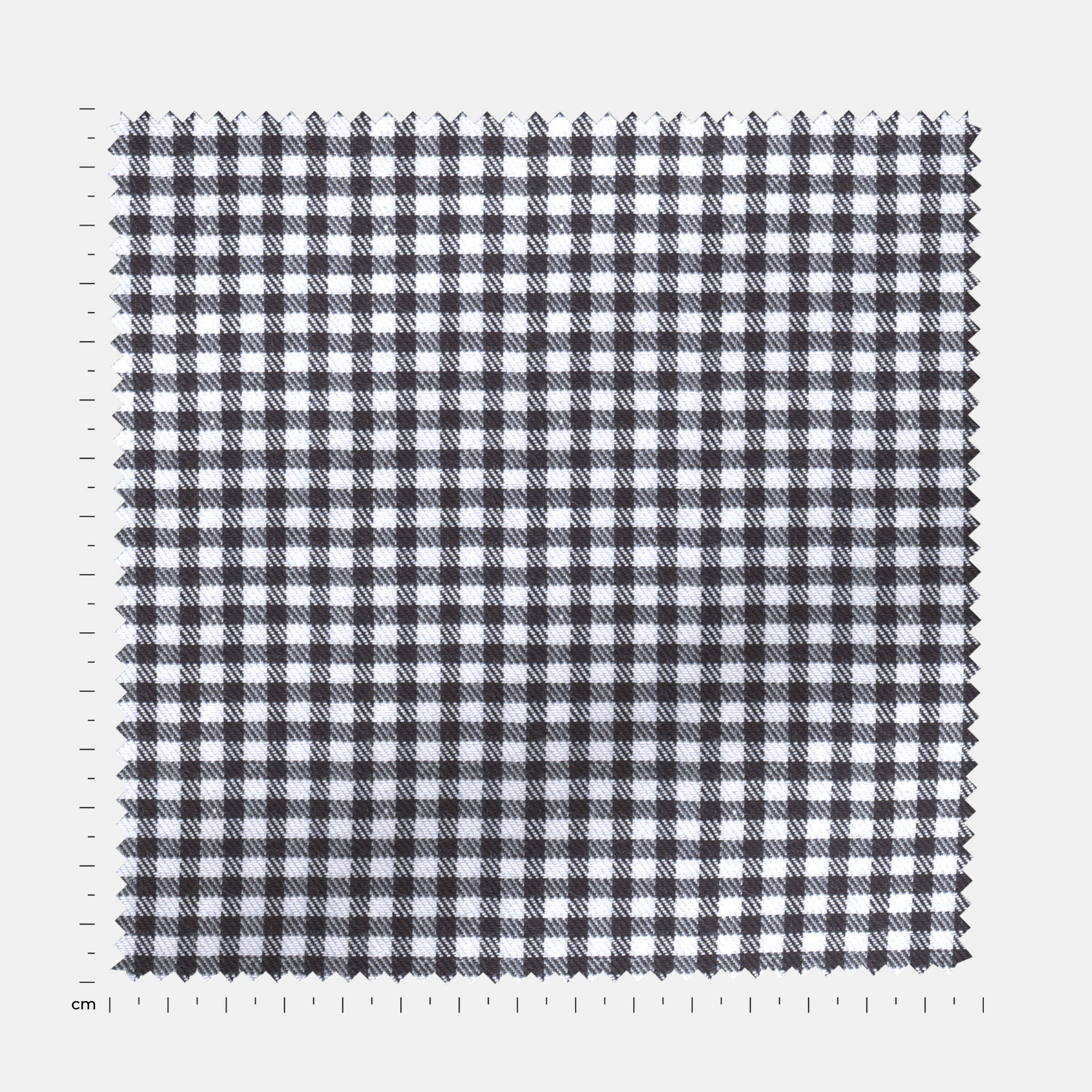
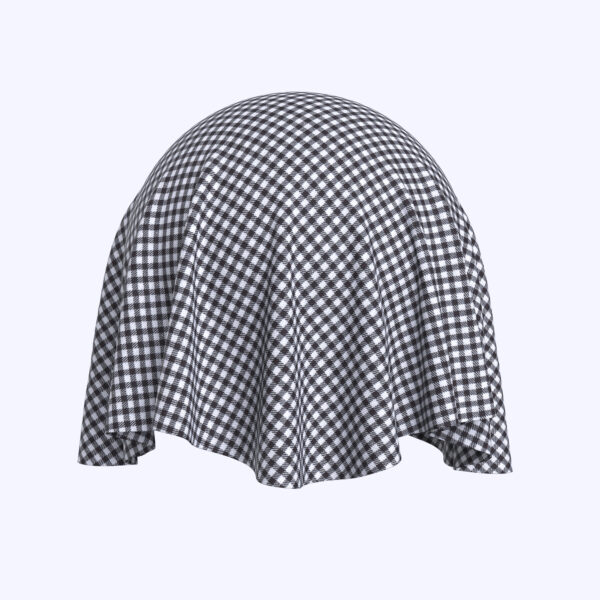
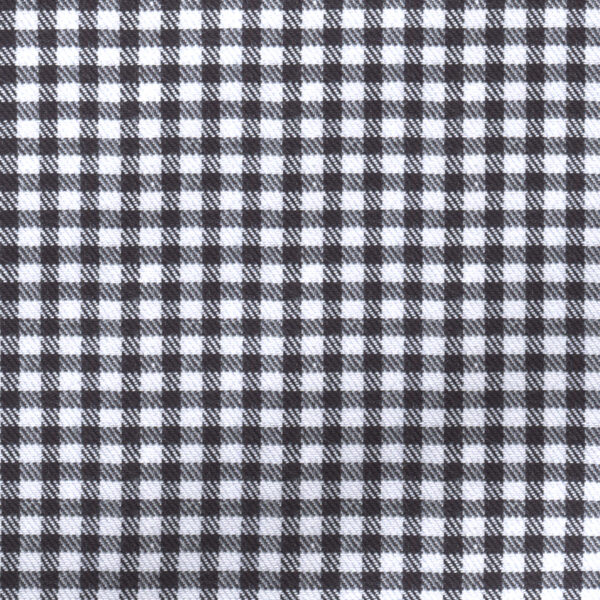
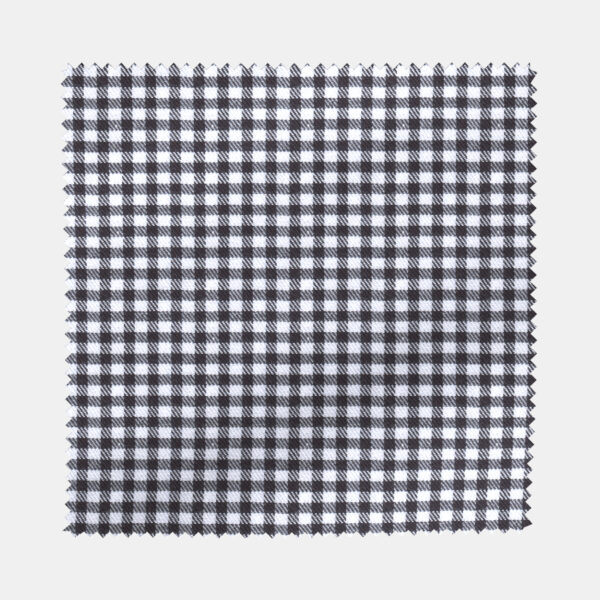
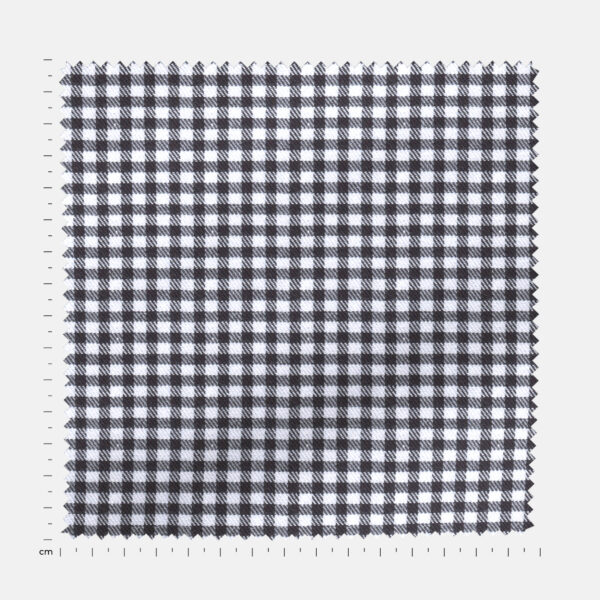
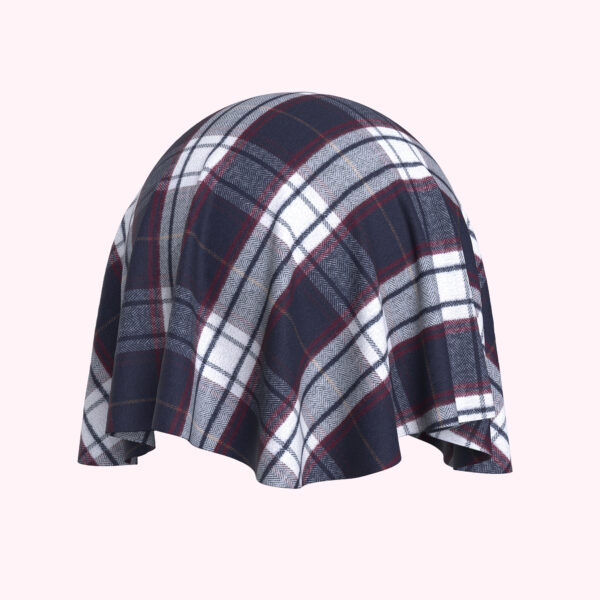
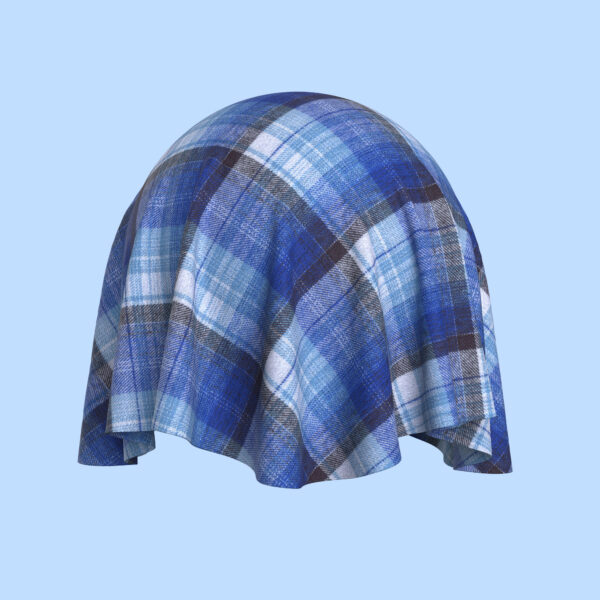
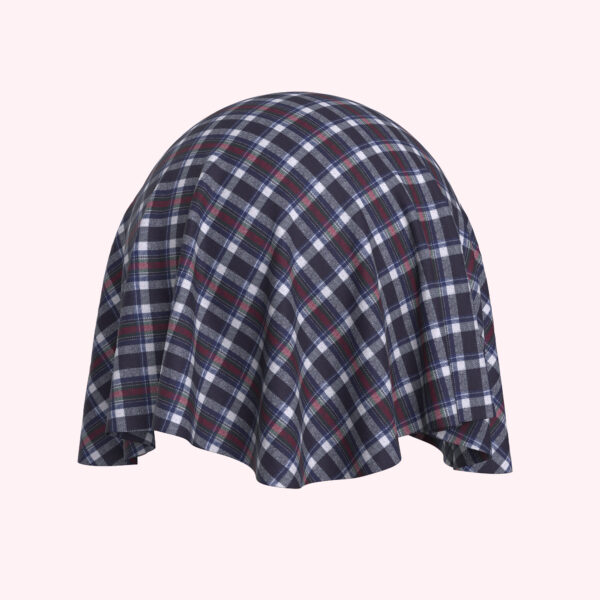
BCWTWI02735 3D apparel model
BCWTWI02735 is a detailed Digital Fabric 3D apparel model prepared for digital fashion workflows, ecommerce product visualization and collection planning. The asset highlights Black, giving fashion teams a clear product view before physical sampling.
Use this digital garment for virtual showroom pages, merchandising reviews, design presentations, online catalog imagery and apparel development discussions. It helps buyers, designers and production teams evaluate silhouette, styling direction and product story with consistent front-facing visual clarity.
Binarycloth builds product visuals for brands that need faster sampling, cleaner campaign assets and scalable digital product content. This Digital Fabric model supports modern apparel workflows where accurate 3D visualization reduces repeated sample rounds and keeps product teams aligned.