BCKJAC01377
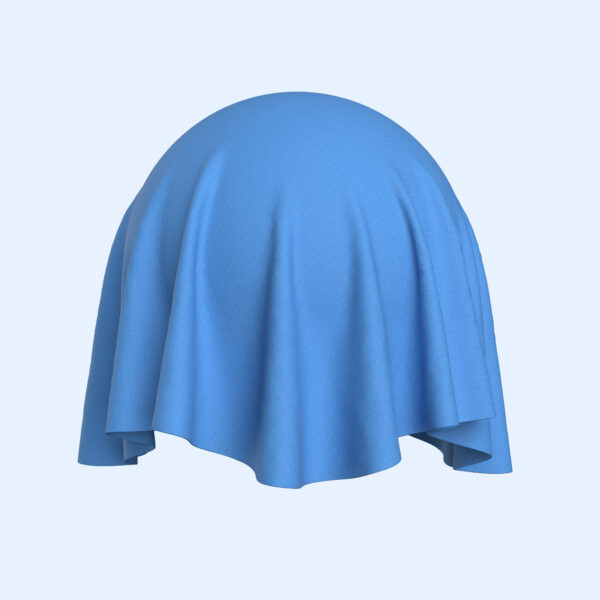
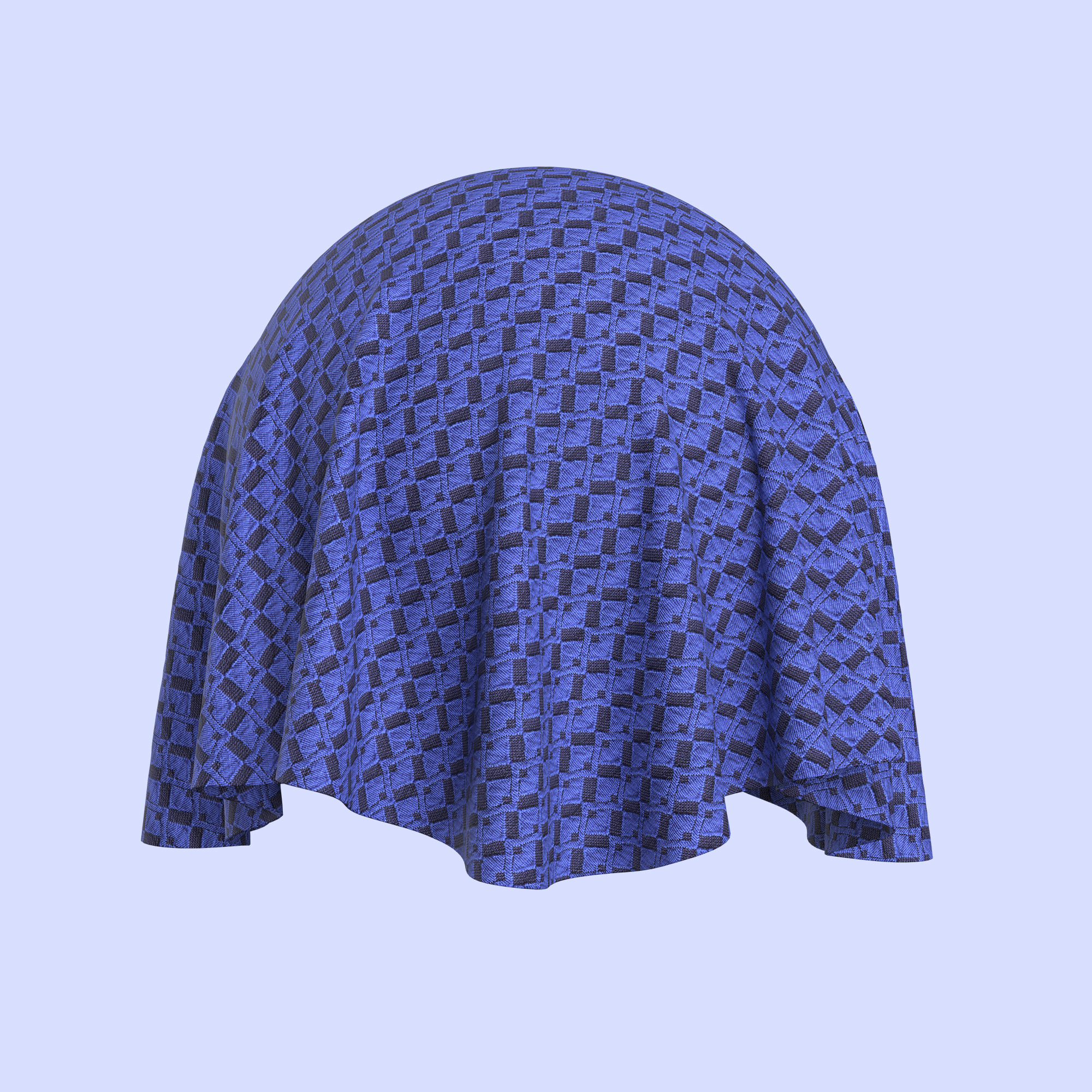
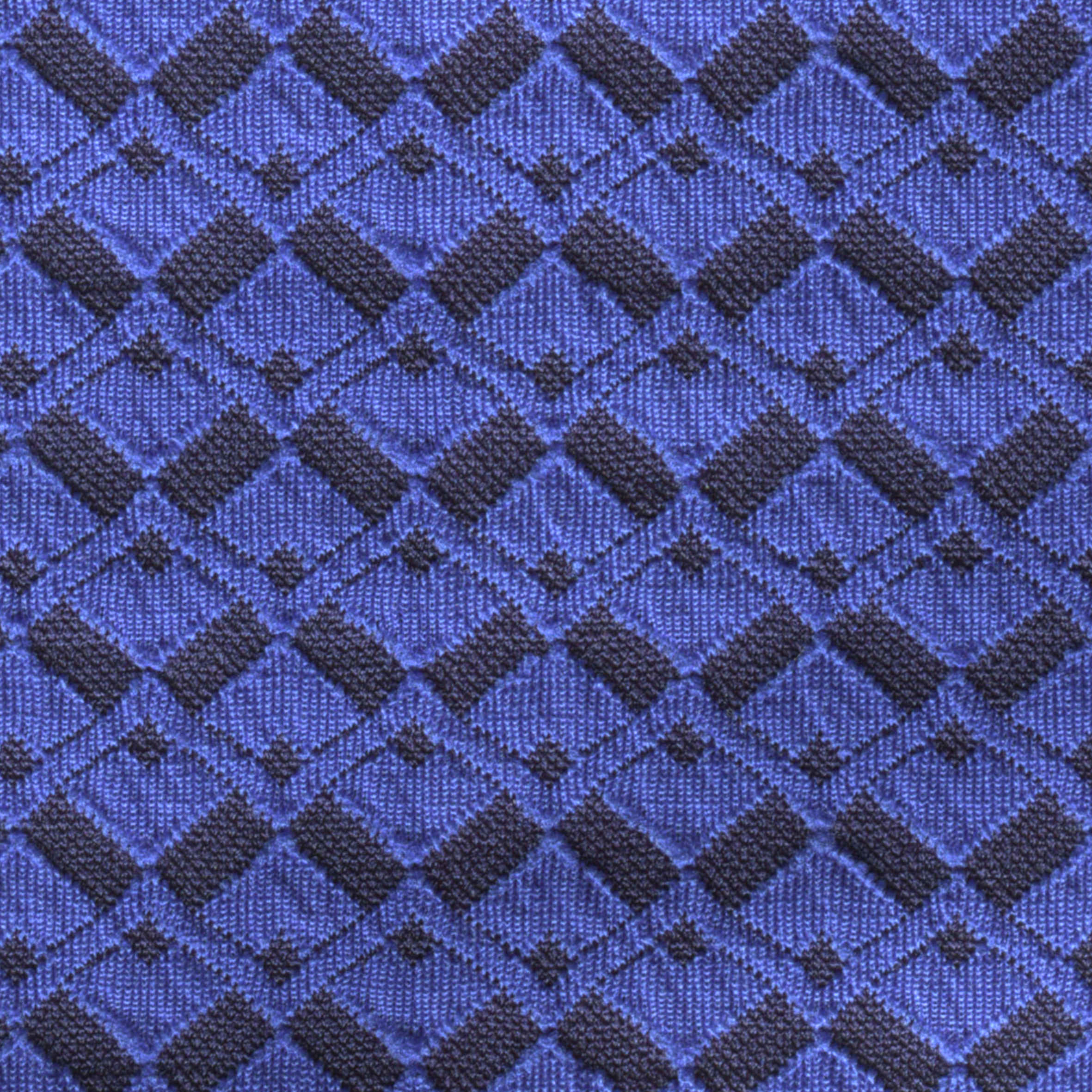
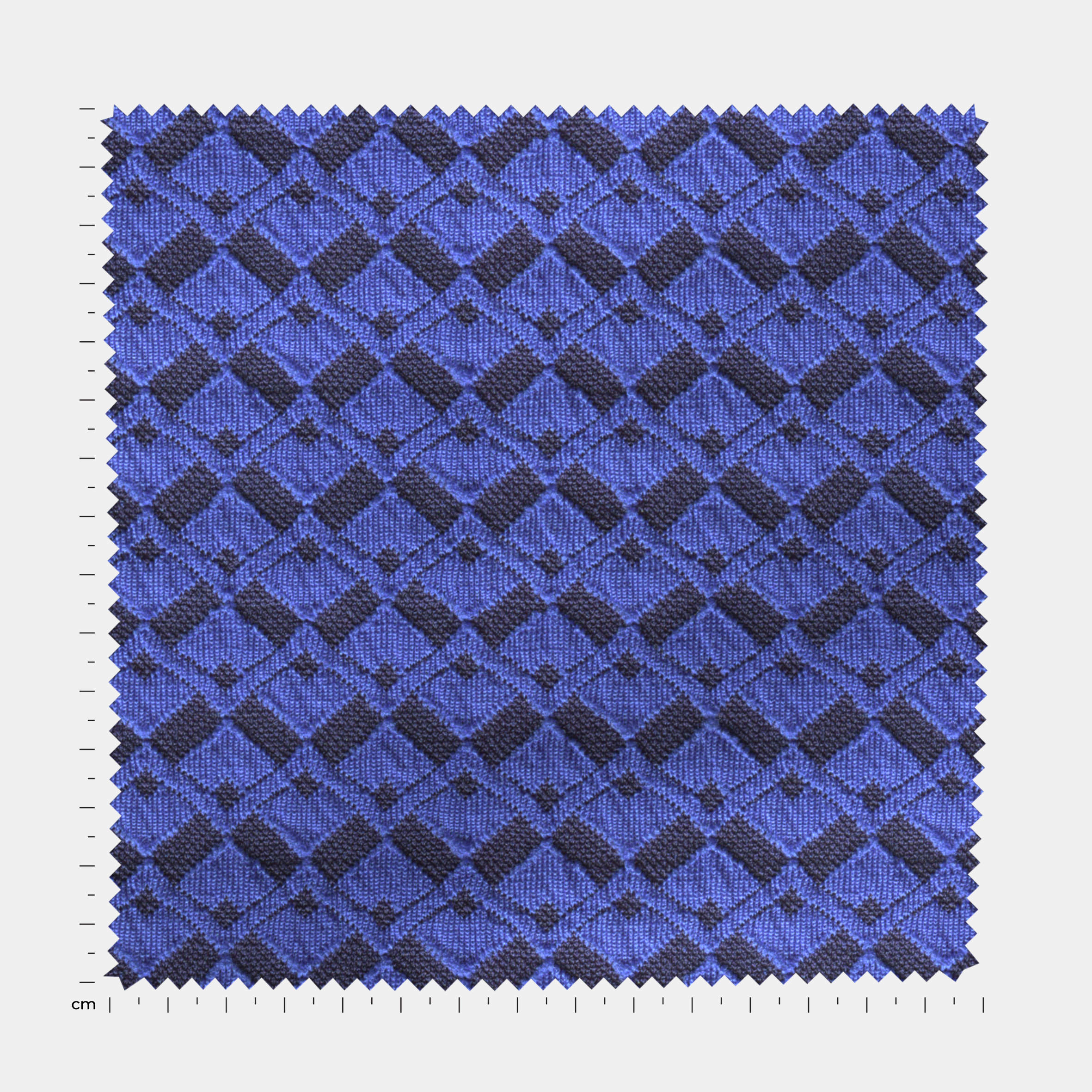
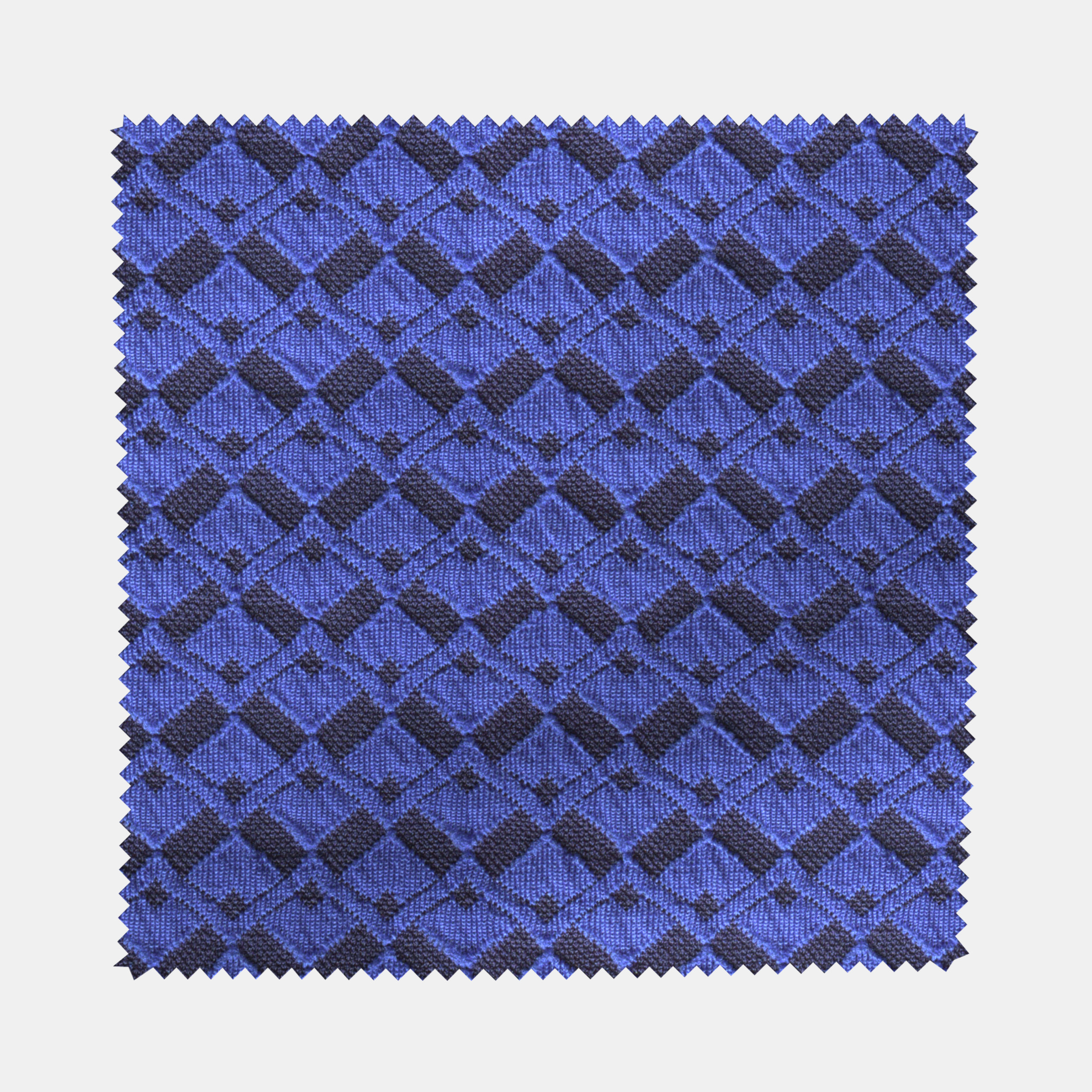
A blue jacquard knit fabric featuring an all-over woven-in geometric pattern. The smooth matte surface and dense knit provide a structured yet flexible feel suitable for high-end tops and dresses.
|
Gender |
|
|
Color |
Blue |
|
Style |
|
|
Uses |
|
|
Fittings |
|
|
Print & Pattern |
Jac프quard Motif |
|
Product Length |
|
|
Neckline Type |
|
|
Collar Type |
|
|
Placket |
|
|
Sleeve |
|
|
|
|
|
Waist Type |
|
|
Zipper |
|
|
Brand |
|
|
Fabric Type |
Knit |
|
Structure |
Jacquard Knit |
|
Content |
Cotton, Spandex |
|
Composition |
98% Cotton 2% Spandex |
|
GSM |
225 |
|
GSM Range |
GSM 201-250 |
Description
What is 3D eCommerce Technology?
3D eCommerce technology refers to the use of three-dimensional (3D) technologies in the field of e-commerce to enhance the online shopping experience, improve product representation, and increase customer engagement. This technology encompasses various tools and techniques designed to integrate 3D elements into the e-commerce environment. Here are some components and applications of 3D eCommerce technology:
-
- 3D Product Visualization: 3D eCommerce technology allows for the creation of interactive and realistic 3D product models that customers can view, rotate, and zoom in on, providing a more comprehensive understanding of products.
- Virtual Try-On: In fashion and accessories, 3D eCommerce technology enables customers to virtually try on clothing, eyewear, and accessories using augmented reality (AR) or virtual reality (VR) applications. This feature reduces uncertainty about fit and style when shopping online.
- Customization: Customers can personalize products by choosing different colors, materials, sizes, and design elements in real time. This level of customization enhances the online shopping experience.
- 3D Configurators: Businesses can use 3D configurators to offer customers the ability to customize products and see how their choices affect the final design and price.
what are the importance 3D eCommerce Technology?
- Enhanced Product Visualization: 3D eCommerce technology allows for more realistic and interactive product visualization. Customers can view products from different angles, zoom in for details, and rotate them, providing a more accurate representation of the items compared to 2D images.
- Reduced Uncertainty: Virtual try-on and interactive 3D models help customers assess how products will fit and look on them, reducing uncertainty and hesitation when making online purchases, particularly in the fashion and accessories industry.
- Personalization: Businesses can offer product customization, allowing customers to choose colors, styles, materials, and features according to their preferences. This level of personalization enhances the shopping experience and caters to individual tastes.
- Reduced Returns: Virtual try-ons, customization options, and detailed 3D models can significantly reduce the likelihood of returns, as customers have a clearer idea of how products will fit and appear on their bodies or in their space.
- Efficient Product Configuration: 3D configurators streamline the process of configuring complex products, such as customized furniture, allowing customers to make choices and see how they affect the final design and price in real time.
- Immersive Shopping Experience: 3D eCommerce technology creates immersive shopping experiences through virtual and augmented reality, increasing customer engagement and creating a more memorable and enjoyable experience.
- Cross-Selling and Up-Selling: Businesses can suggest related or complementary products more effectively by using 3D technology to demonstrate how products work together or enhance one another.
- Global Accessibility: Customers from around the world can access 3D eCommerce technology, allowing businesses to expand their reach and tap into new markets without the need for physical store locations.
BCKJAC01377 3D apparel model
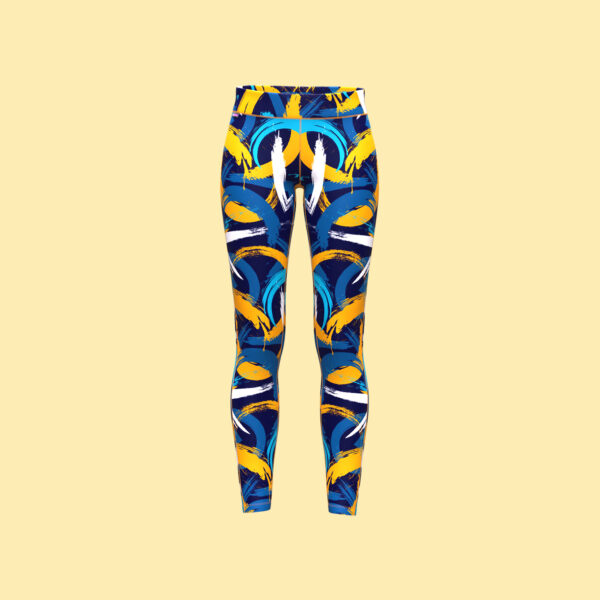
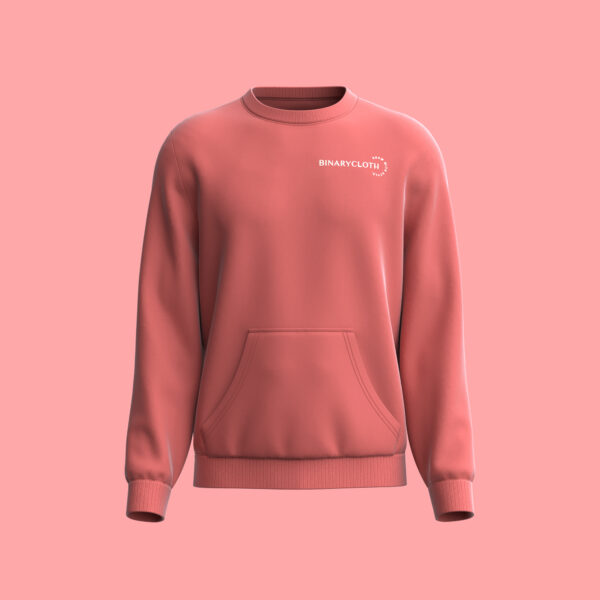
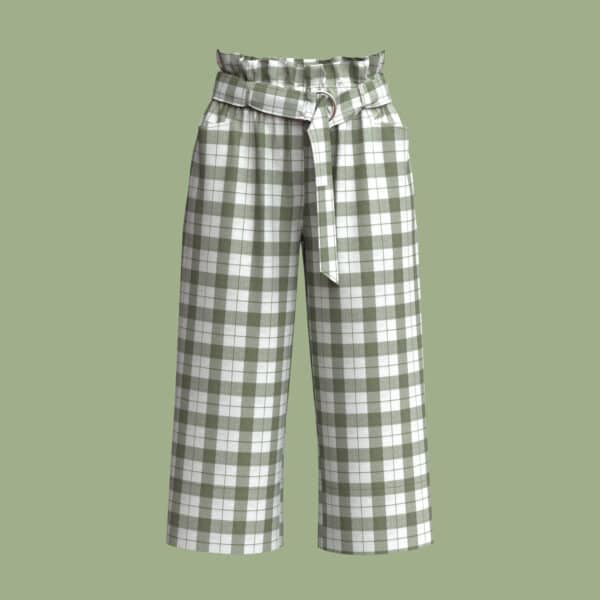
BCKJAC01377 is a detailed Digital Fabric 3D apparel model prepared for digital fashion workflows, ecommerce product visualization and collection planning. The asset highlights Blue, giving fashion teams a clear product view before physical sampling.
Use this digital garment for virtual showroom pages, merchandising reviews, design presentations, online catalog imagery and apparel development discussions. It helps buyers, designers and production teams evaluate silhouette, styling direction and product story with consistent front-facing visual clarity.
Binarycloth builds product visuals for brands that need faster sampling, cleaner campaign assets and scalable digital product content. This Digital Fabric model supports modern apparel workflows where accurate 3D visualization reduces repeated sample rounds and keeps product teams aligned.
Frequently Asked Questions
What files do I receive for this digital fabric?
You receive ready-to-use PBR material files (U3M/ZFAB plus texture maps) that drop straight into CLO3D, Browzwear and standard 3D workflows.
Can you match this fabric to a physical swatch I send?
Yes — send us your physical swatch and we scan and colour-match it into an accurate digital fabric for your 3D samples.
Can you digitize a fabric like this into a CLO3D-ready PBR material?
Yes. Our fabric digitalization turns a physical fabric swatch into a true-to-life, CLO3D-ready PBR material with accurate colour, weave and sheen. Digital fabrics start from $15.
How many fabrics can you digitize at once?
We work in batches with a minimum of 10 fabrics, so you can build a full digital material library for your line in one go.
Will this fabric drape and behave realistically in 3D?
Yes — we capture weight, stretch and surface detail so the fabric drapes and folds true to life on 3D garments in CLO3D and other simulators.
Can I reuse this digital fabric across my own 3D garments?
Absolutely. Once digitized, the fabric material is yours to apply to any number of 3D garments, colourways and collections.