BCWFLA02827
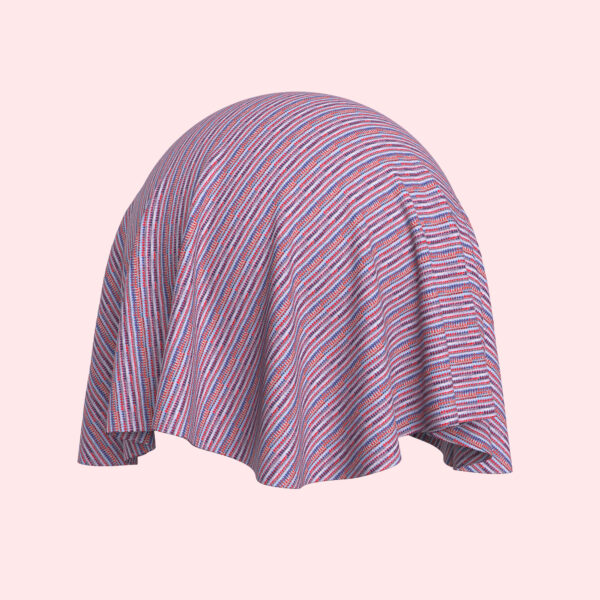
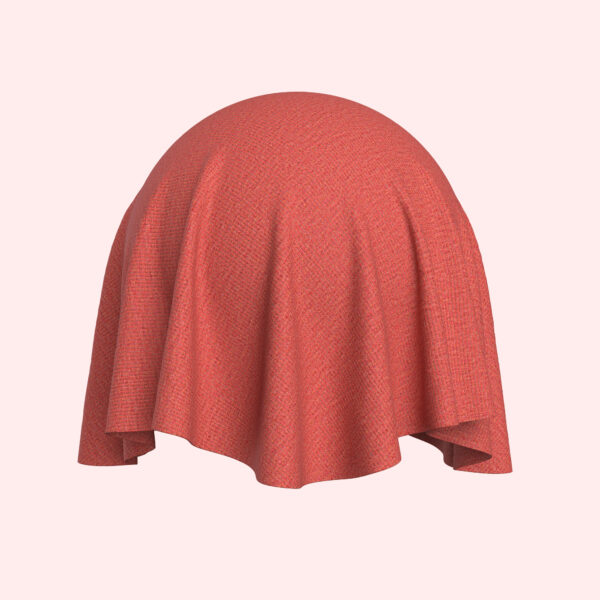
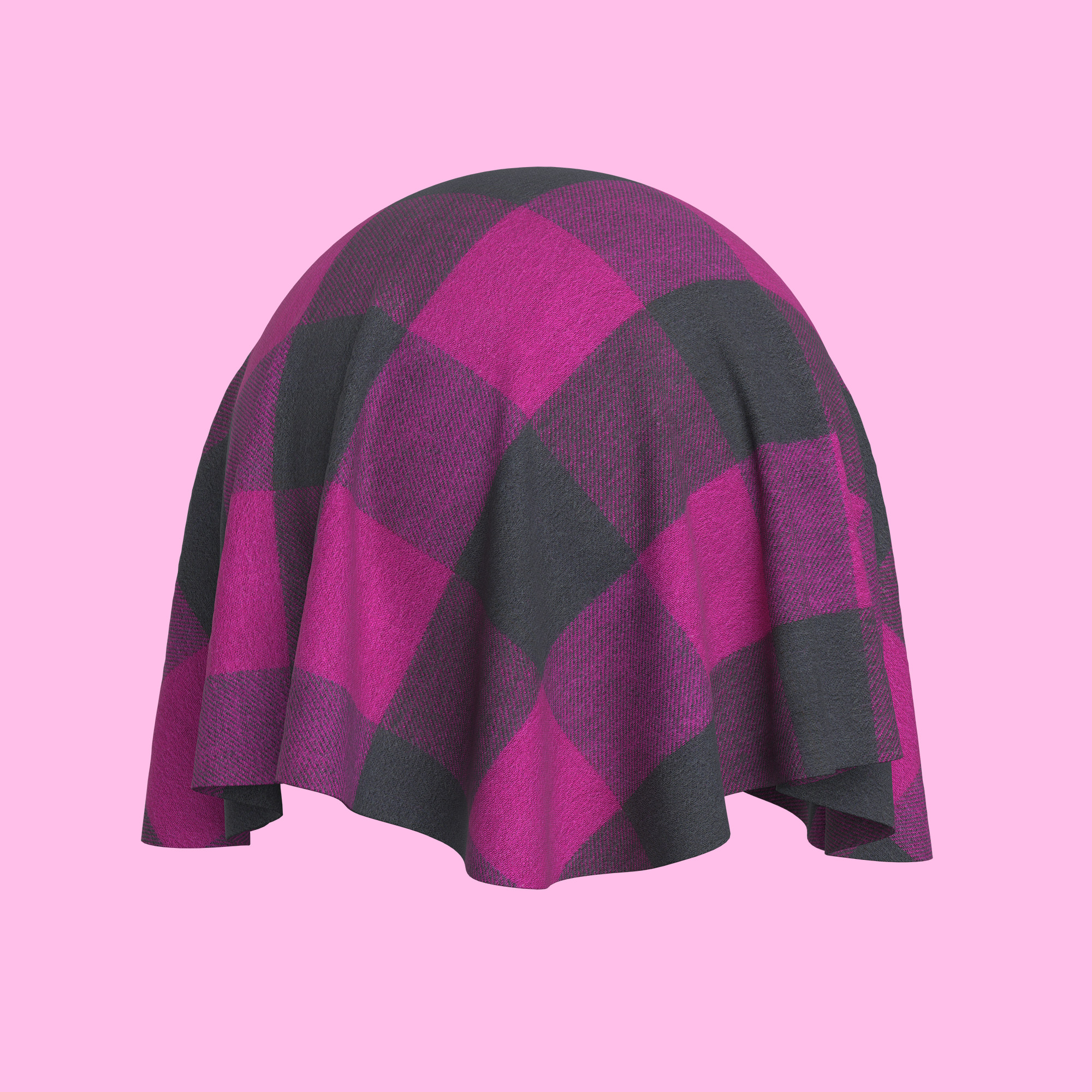
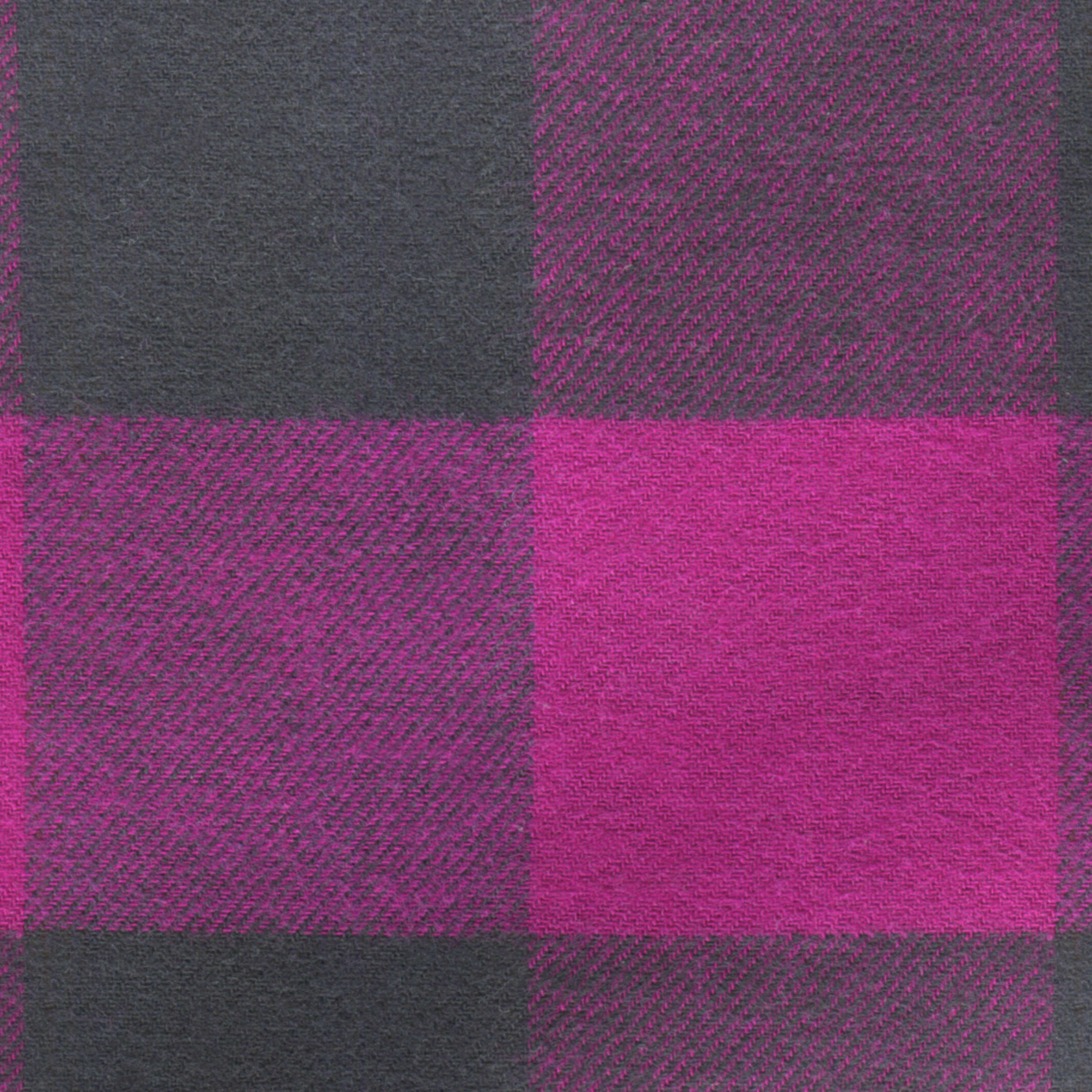
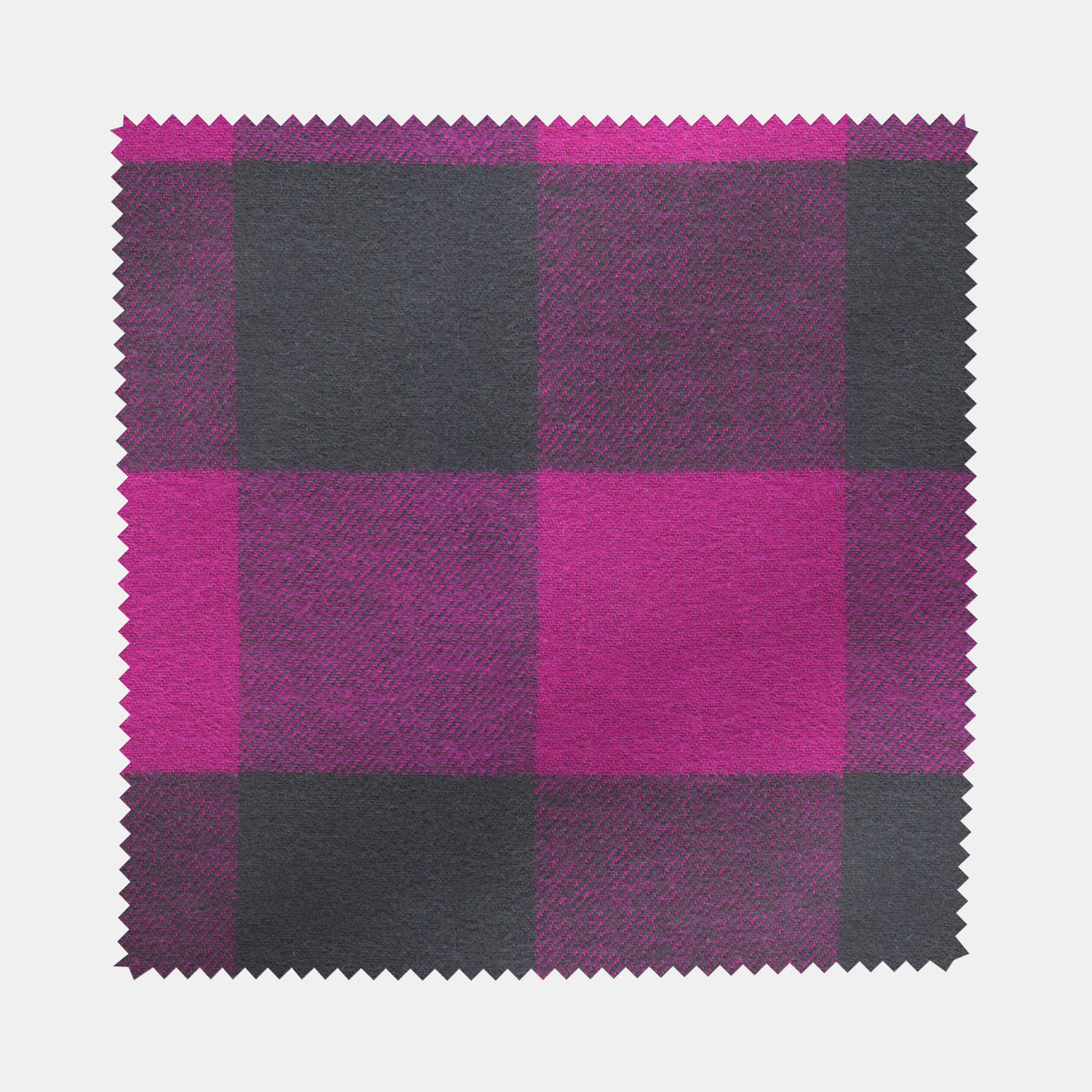
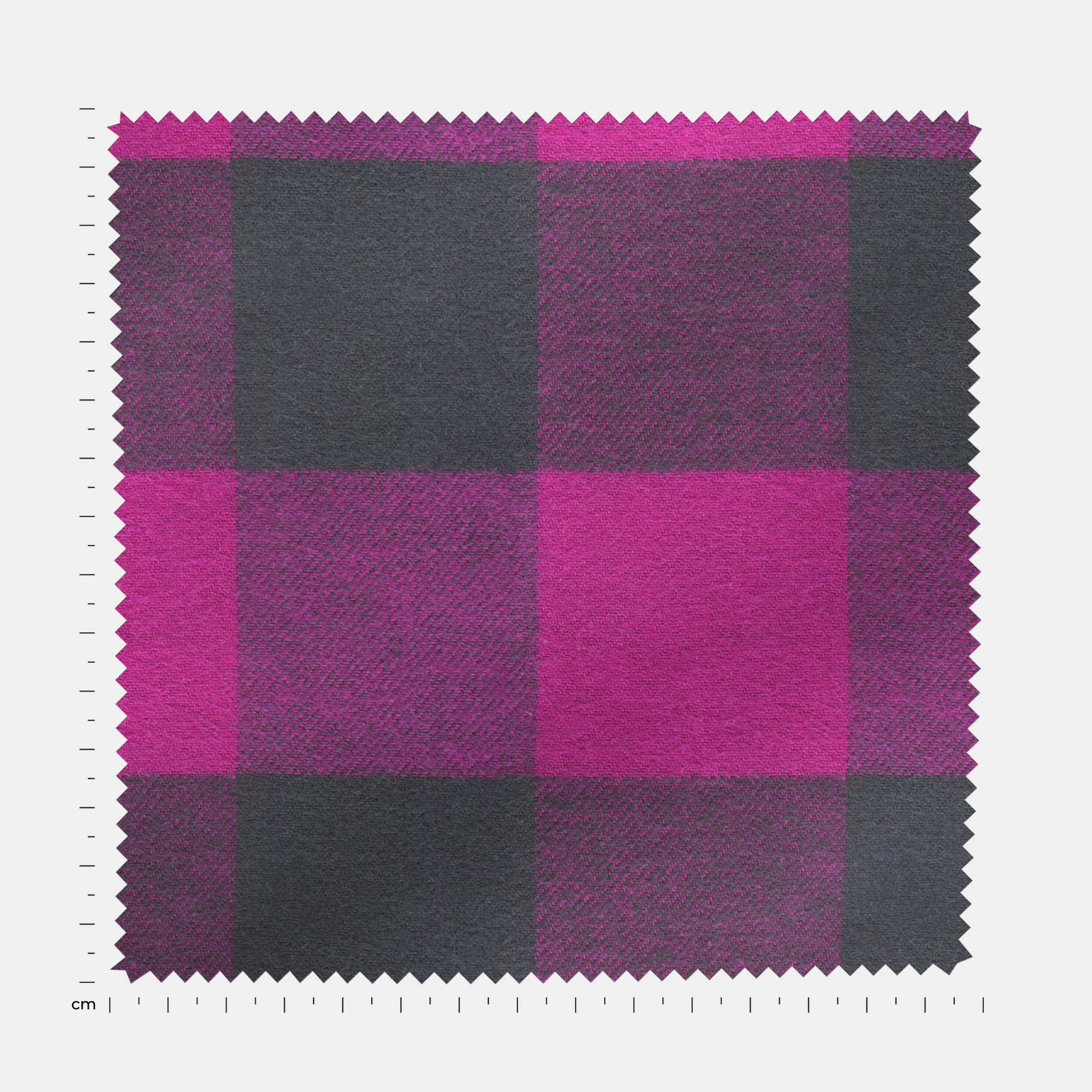
A magenta and charcoal grey flannel fabric featuring a large-scale checkered pattern. The brushed surface provides a soft, matte finish suitable for cozy outerwear and layered garments.
|
Gender |
|
|
Color |
Magenta, Charcoal Grey |
|
Style |
|
|
Uses |
|
|
Fittings |
|
|
Print & Pattern |
Check/Plaid |
|
Product Length |
|
|
Neckline Type |
|
|
Collar Type |
|
|
Placket |
|
|
Sleeve |
|
|
|
|
|
Waist Type |
|
|
Zipper |
|
|
Brand |
|
|
Fabric Type |
Woven |
|
Structure |
Flannel |
|
Content |
Cotton |
|
Composition |
100% Cotton |
|
GSM |
100 |
|
GSM Range |
GSM 100-150 |
Description
What is the 3D eCommerce?
3D eCommerce, also known as 3D online shopping, is an emerging trend in the world of e-commerce that leverages three-dimensional (3D) technology to enhance the online shopping experience. It aims to bridge the gap between physical retail and online shopping by providing a more immersive and interactive way for consumers to browse, view, and purchase products on the internet.
Here are some key aspects of 3D eCommerce:
-
- 3D Product Visualization: 3D eCommerce platforms allow businesses to create 3D models of their products, which customers can rotate, zoom in on, and examine from various angles. This helps consumers get a better sense of the product’s size, shape, and features, similar to how they would in a physical store.
- Virtual Try-On: Some 3D eCommerce solutions are particularly popular in industries like fashion and cosmetics, where customers can virtually try on clothing, accessories, or makeup. This involves using augmented reality (AR) technology to superimpose the product onto the customer’s image, usually via a smartphone camera.
- Interactive Shopping: 3D eCommerce platforms often feature interactive elements such as clickable hotspots, tooltips, and animations to provide additional information about products. This interactivity can help customers make more informed purchasing decisions.
what is the importance of 3D eCommerce in fashion design?
3D eCommerce plays a significant role in the field of fashion design, offering several important benefits and advantages for both fashion designers and consumers. Here are some of the key reasons why 3D eCommerce is important in fashion design:
- Enhanced Product Visualization: 3D eCommerce allows fashion designers to create highly detailed and accurate 3D models of their clothing and accessories. This provides consumers with a more realistic and detailed view of the products, enabling them to see the texture, fit, and design from various angles. It eliminates some of the uncertainties associated with online shopping, such as how a garment might drape or how it will look from behind.
- Virtual Try-On: One of the most significant advantages of 3D eCommerce in fashion is the ability for customers to virtually try on clothing and accessories. Augmented reality (AR) applications can superimpose the selected fashion items onto the customer’s image or even create a digital avatar with the customer’s body proportions. This allows customers to see how a garment will look on them before making a purchase, increasing confidence in their choices.
- Reduced Returns: The ability to virtually try on clothing and visualize products in 3D can significantly reduce the rate of returns in the fashion industry. When customers have a better understanding of how a garment fits and looks, they are less likely to order items that don’t meet their expectations, ultimately saving time and money for both consumers and retailers.
BCWFLA02827 3D apparel model
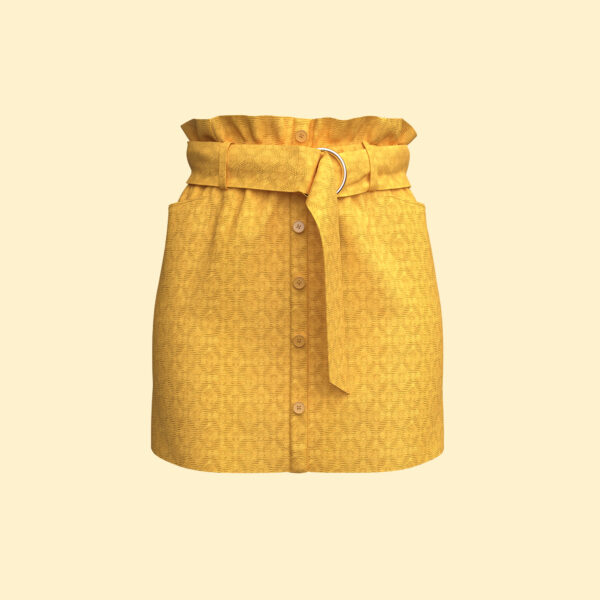
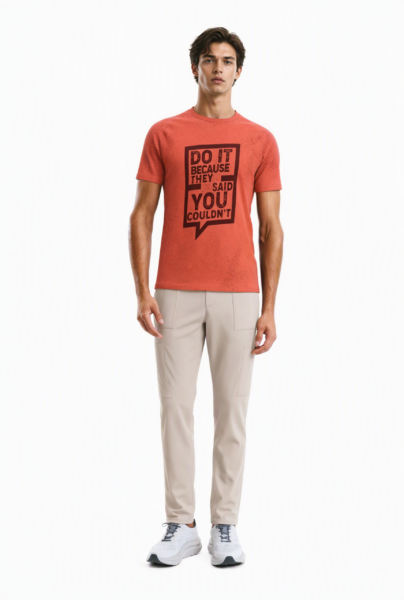
BCWFLA02827 is a detailed Digital Fabric 3D apparel model prepared for digital fashion workflows, ecommerce product visualization and collection planning. The asset highlights Blue, giving fashion teams a clear product view before physical sampling.
Use this digital garment for virtual showroom pages, merchandising reviews, design presentations, online catalog imagery and apparel development discussions. It helps buyers, designers and production teams evaluate silhouette, styling direction and product story with consistent front-facing visual clarity.
Binarycloth builds product visuals for brands that need faster sampling, cleaner campaign assets and scalable digital product content. This Digital Fabric model supports modern apparel workflows where accurate 3D visualization reduces repeated sample rounds and keeps product teams aligned.
Frequently Asked Questions
How much does it cost to digitize a fabric like this?
Fabric digitalization starts from $15 per material. A flatbed scan is from $9.99 and premium Vizoo scanning from $30, with a minimum order of 10 fabrics. Request a quote.
Will this fabric drape and behave realistically in 3D?
Yes — we capture weight, stretch and surface detail so the fabric drapes and folds true to life on 3D garments in CLO3D and other simulators.
Can you match this fabric to a physical swatch I send?
Yes — send us your physical swatch and we scan and colour-match it into an accurate digital fabric for your 3D samples.
Can you digitize a fabric like this into a CLO3D-ready PBR material?
Yes. Our fabric digitalization turns a physical fabric swatch into a true-to-life, CLO3D-ready PBR material with accurate colour, weave and sheen. Digital fabrics start from $15.
What files do I receive for this digital fabric?
You receive ready-to-use PBR material files (U3M/ZFAB plus texture maps) that drop straight into CLO3D, Browzwear and standard 3D workflows.
Can I reuse this digital fabric across my own 3D garments?
Absolutely. Once digitized, the fabric material is yours to apply to any number of 3D garments, colourways and collections.