BCWFLA04070
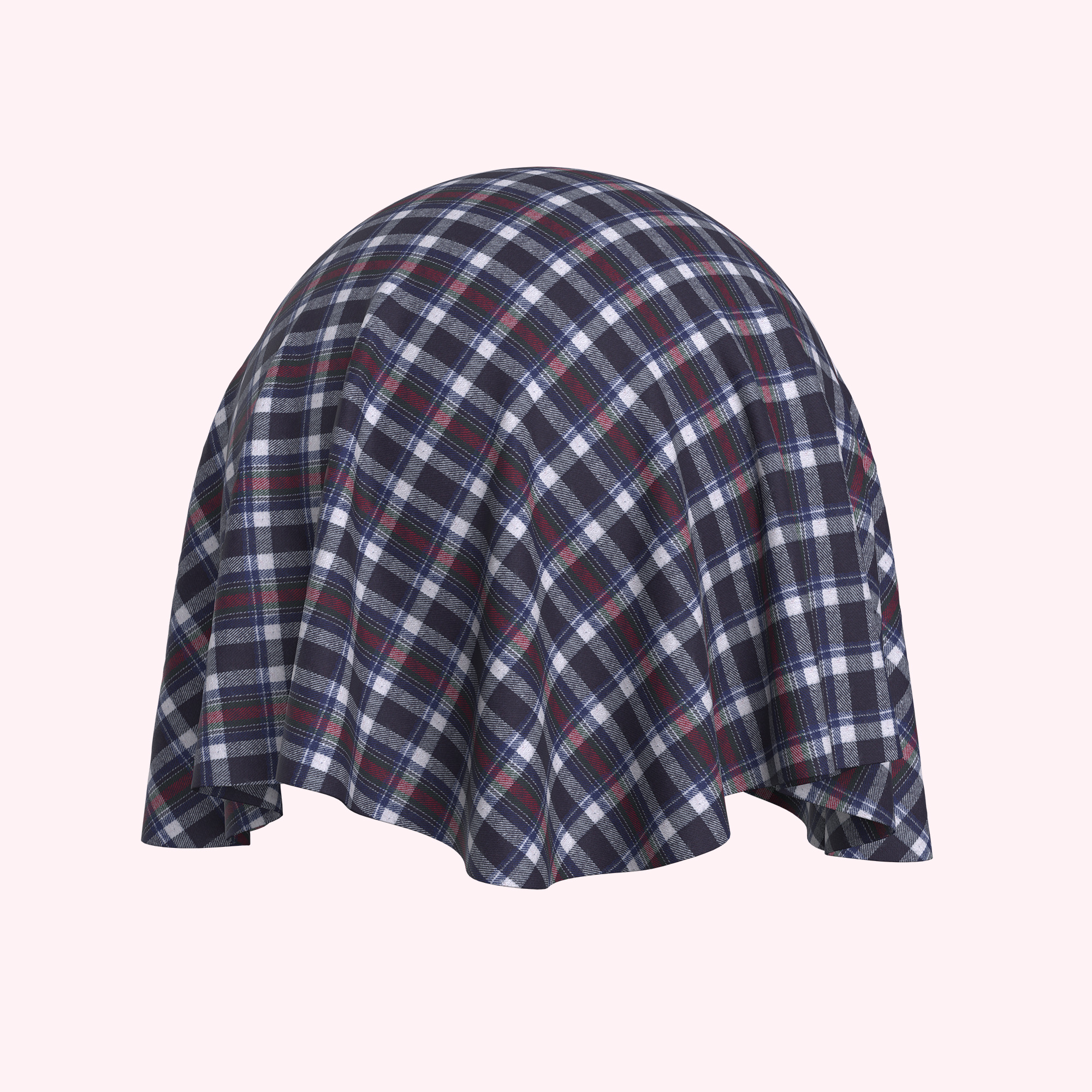
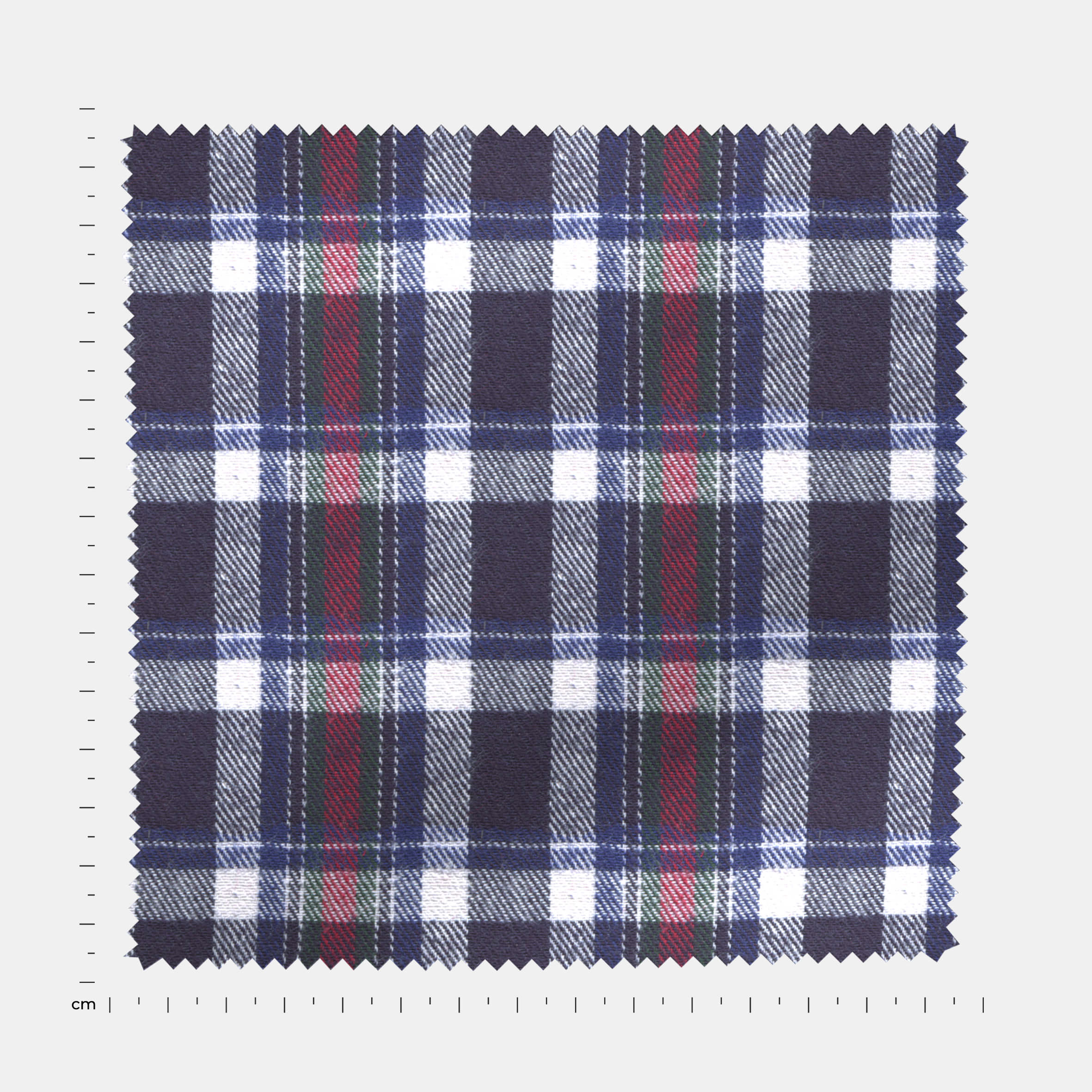
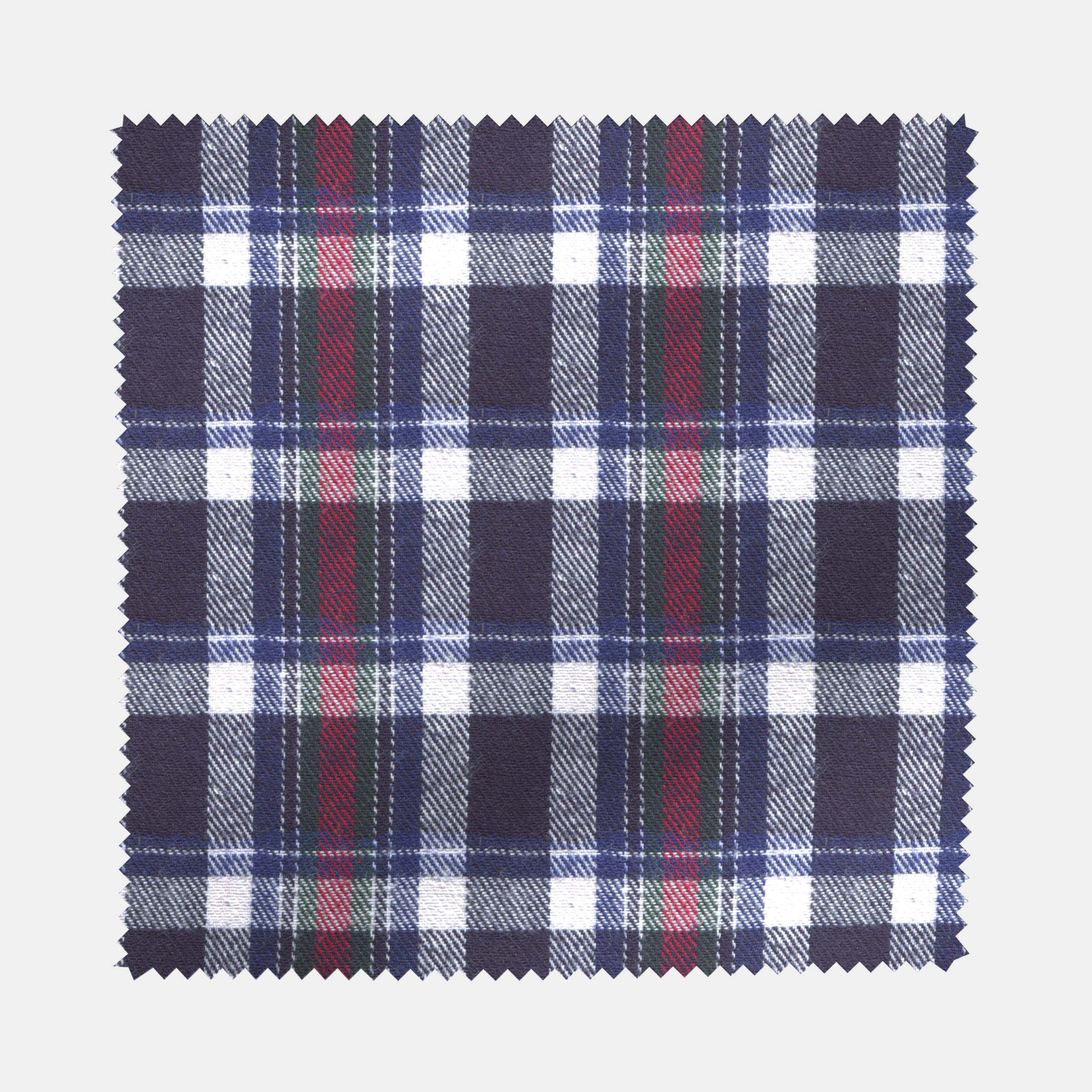
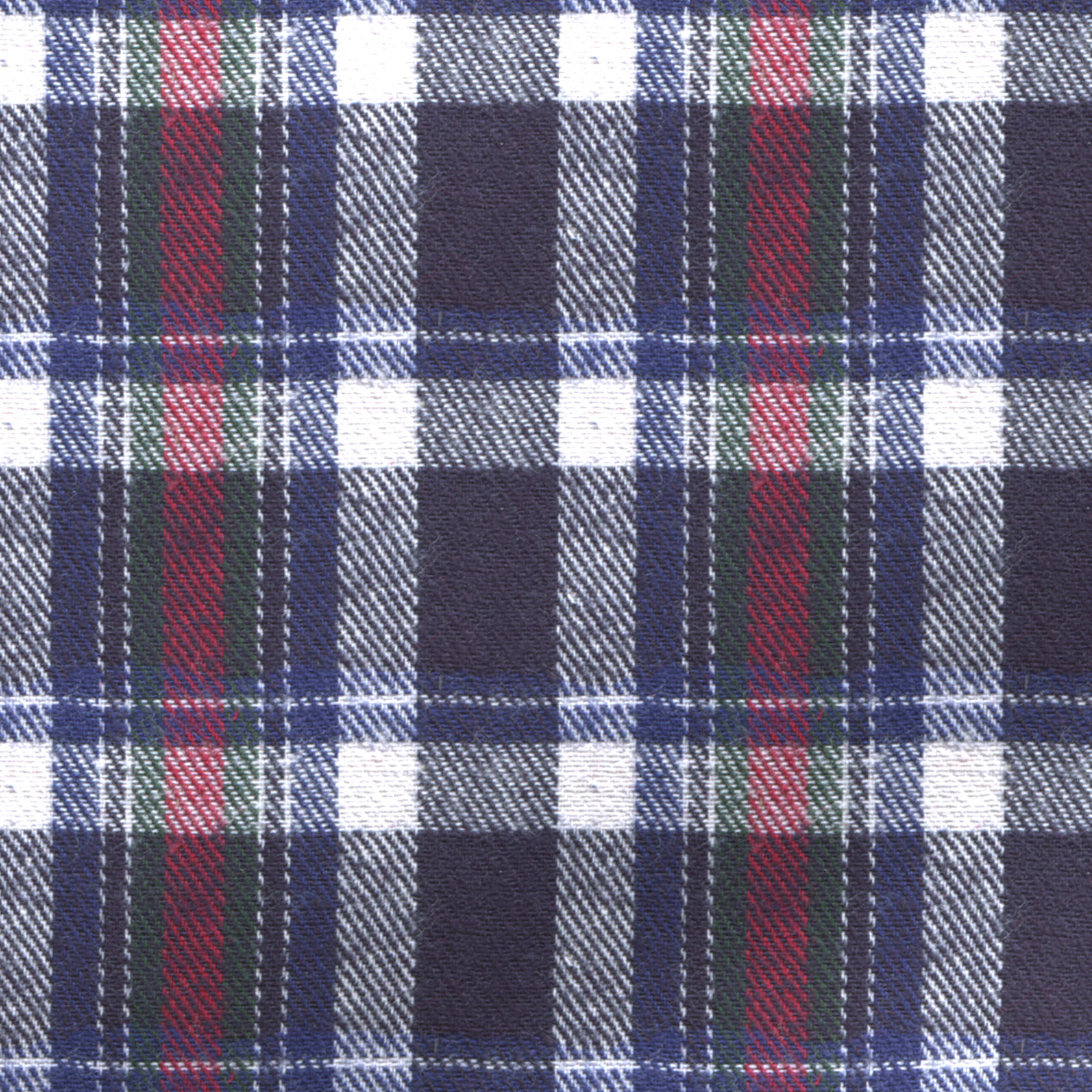
A navy blue flannel fabric featuring a multi-layered plaid pattern in white, red, and grey. The brushed surface provides a soft, matte finish suitable for cozy sweaters, shirts, and outerwear.
|
Gender |
|
|
Color |
Navy Blue, White, Red, Grey |
|
Style |
|
|
Uses |
|
|
Fittings |
|
|
Print & Pattern |
Check/Plaid |
|
Product Length |
|
|
Neckline Type |
|
|
Collar Type |
|
|
Placket |
|
|
Sleeve |
|
|
|
|
|
Waist Type |
|
|
Zipper |
|
|
Brand |
|
|
Fabric Type |
Woven |
|
Structure |
Flannel |
|
Content |
Cotton |
|
Composition |
100% Cotton |
|
GSM |
210 |
|
GSM Range |
GSM 201-250 |
Description
What is Virtual Clothing?
Virtual clothing refers to digital garments and fashion items that exist exclusively in a digital or virtual environment. These clothing items are created using computer graphics, 3D modeling, and design software, and they do not have a physical presence. Virtual clothing can be worn, displayed, and interacted with in various digital contexts, including video games, virtual worlds, augmented reality (AR), virtual reality (VR), digital fashion shows, and online marketplaces. Here are some key characteristics and aspects of virtual clothing:
-
- Digital Creations: Virtual clothing items are designed, crafted, and visualized entirely within digital spaces. They do not exist as tangible or physical garments but are represented as digital files.
- 3D Models: Virtual clothing is often created as three-dimensional (3D) models, allowing for realistic rendering and simulation of how the garments appear and interact with the virtual environment.
- Realistic Fabric Simulation: A key feature of virtual clothing is its ability to simulate how fabrics drape, flow, and interact with the body or the environment, offering a lifelike representation of clothing behavior.
- Customization: Virtual clothing can be customized and tailored to fit digital avatars or characters, enabling personalization and individual expression.
- Gaming and Virtual Worlds: Virtual clothing is commonly used in video games and virtual worlds, where players can equip their digital avatars with different outfits and accessories, changing their appearance and style.
- Augmented and Virtual Reality: Virtual clothing can be experienced in AR and VR applications. Users can try on and interact with virtual garments through their mobile devices, AR glasses, or VR headsets.
- Digital Fashion Shows: Fashion brands and designers use virtual clothing to present their collections in digital fashion shows. These events are accessible online and offer an immersive viewing experience.
what is the importance of Virtual Clothing in fashion design?
Virtual clothing holds growing importance in fashion design, offering various advantages and opportunities for both designers and consumers. Here are some key reasons why virtual clothing is significant in the world of fashion design:
- Sustainability: Virtual clothing aligns with sustainability efforts in the fashion industry by reducing the need for physical garment production. This helps minimize material waste, reduce environmental impact, and contribute to a more eco-friendly fashion design process.
- Efficient Design and Development: Designers can create, visualize, and modify virtual clothing designs quickly and efficiently using digital tools. This streamlines the design and development process, saving time and resources.
- Cost Savings: Virtual clothing reduces the costs associated with creating physical prototypes and samples. This results in cost savings in terms of material, labor, and production expenses, benefiting fashion brands and designers.
- Market Testing and Validation: Virtual clothing enables designers to test and validate designs with target customers before investing in physical production. This minimizes the risk of unpopular designs and reduces the potential for excess inventory.
How Virtual Clothing changed fashion design?
Virtual clothing has had a significant impact on fashion design by introducing new possibilities, efficiencies, and creative opportunities to the industry. Here’s how virtual clothing has changed fashion design:
- Sustainability: Virtual clothing reduces the need for physical garment production, aligning with sustainability efforts in the fashion industry. It minimizes material waste, decreases the carbon footprint associated with clothing production, and supports eco-friendly practices.
- Efficiency and Speed: Designers can create, visualize, and modify clothing designs more efficiently using digital tools. This accelerates the design and development process, enabling rapid iterations and quicker time-to-market.
- Cost Reduction: Virtual clothing reduces the costs associated with creating physical prototypes and samples. Designers and brands save on material expenses, labor costs, and sample production, making fashion more cost-effective.
- Market Testing and Validation: Virtual clothing allows designers to test and validate designs with target customers before investing in physical production. This minimizes the risk of unpopular designs and helps brands cater to consumer preferences.
- Customization and Personalization: Consumers can personalize their digital avatars or characters with virtual clothing, creating unique and individualized styles. This customization enhances consumer engagement and provides a more personalized shopping experience.
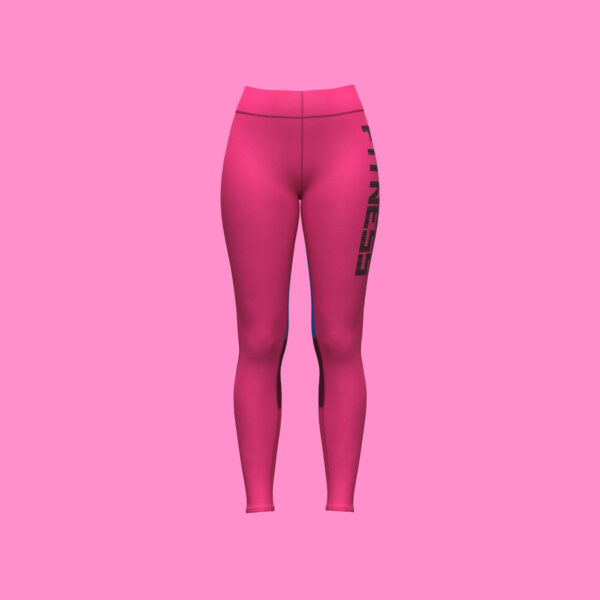
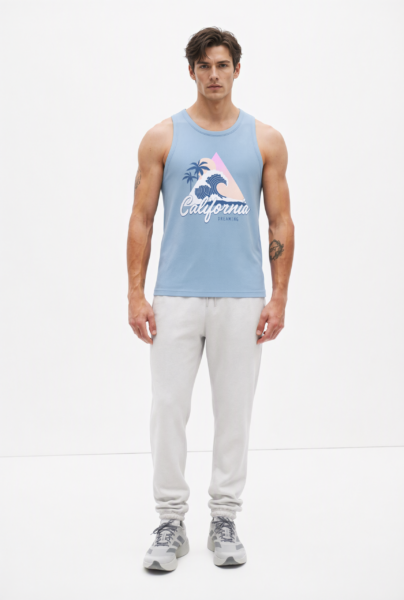
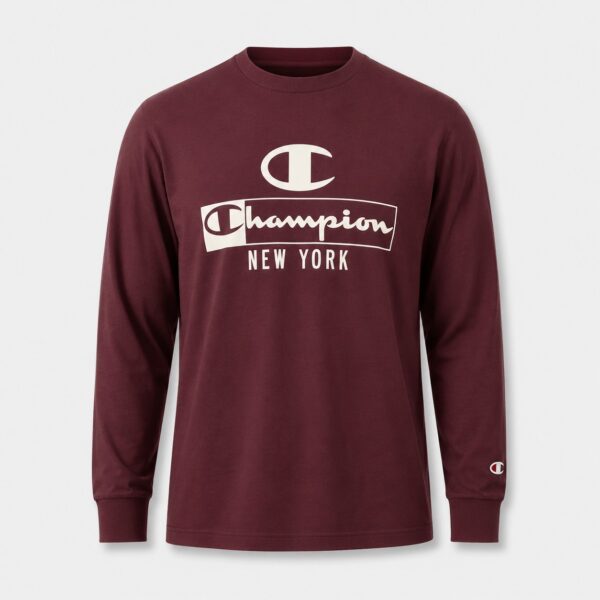
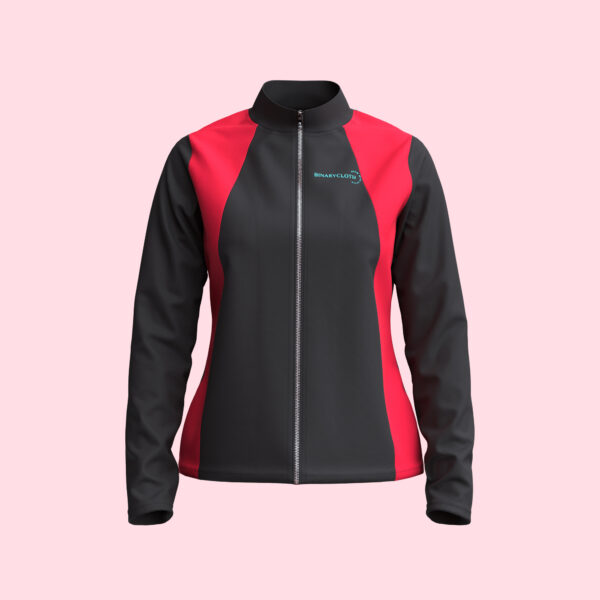
BCWFLA04070 3D apparel model
BCWFLA04070 is a detailed Digital Fabric 3D apparel model prepared for digital fashion workflows, ecommerce product visualization and collection planning. The asset highlights Blue, giving fashion teams a clear product view before physical sampling.
Use this digital garment for virtual showroom pages, merchandising reviews, design presentations, online catalog imagery and apparel development discussions. It helps buyers, designers and production teams evaluate silhouette, styling direction and product story with consistent front-facing visual clarity.
Binarycloth builds product visuals for brands that need faster sampling, cleaner campaign assets and scalable digital product content. This Digital Fabric model supports modern apparel workflows where accurate 3D visualization reduces repeated sample rounds and keeps product teams aligned.
Frequently Asked Questions
Can I reuse this digital fabric across my own 3D garments?
Absolutely. Once digitized, the fabric material is yours to apply to any number of 3D garments, colourways and collections.
How much does it cost to digitize a fabric like this?
Fabric digitalization starts from $15 per material. A flatbed scan is from $9.99 and premium Vizoo scanning from $30, with a minimum order of 10 fabrics. Request a quote.
How many fabrics can you digitize at once?
We work in batches with a minimum of 10 fabrics, so you can build a full digital material library for your line in one go.
Can you match this fabric to a physical swatch I send?
Yes — send us your physical swatch and we scan and colour-match it into an accurate digital fabric for your 3D samples.
What files do I receive for this digital fabric?
You receive ready-to-use PBR material files (U3M/ZFAB plus texture maps) that drop straight into CLO3D, Browzwear and standard 3D workflows.
Can you digitize a fabric like this into a CLO3D-ready PBR material?
Yes. Our fabric digitalization turns a physical fabric swatch into a true-to-life, CLO3D-ready PBR material with accurate colour, weave and sheen. Digital fabrics start from $15.