BCWFLA02818
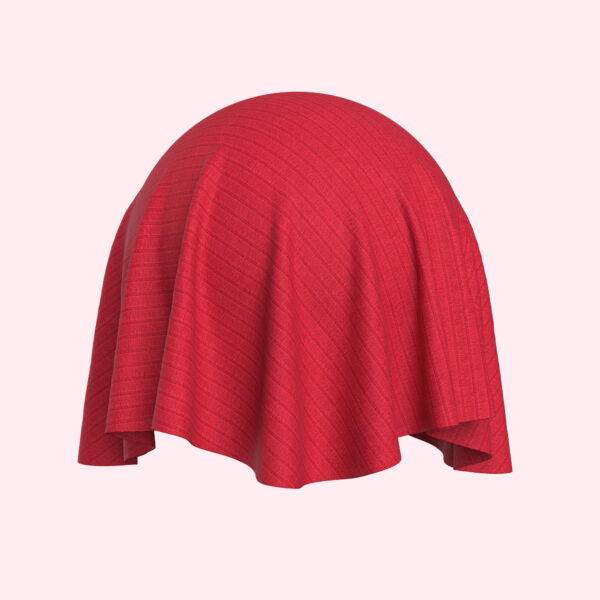
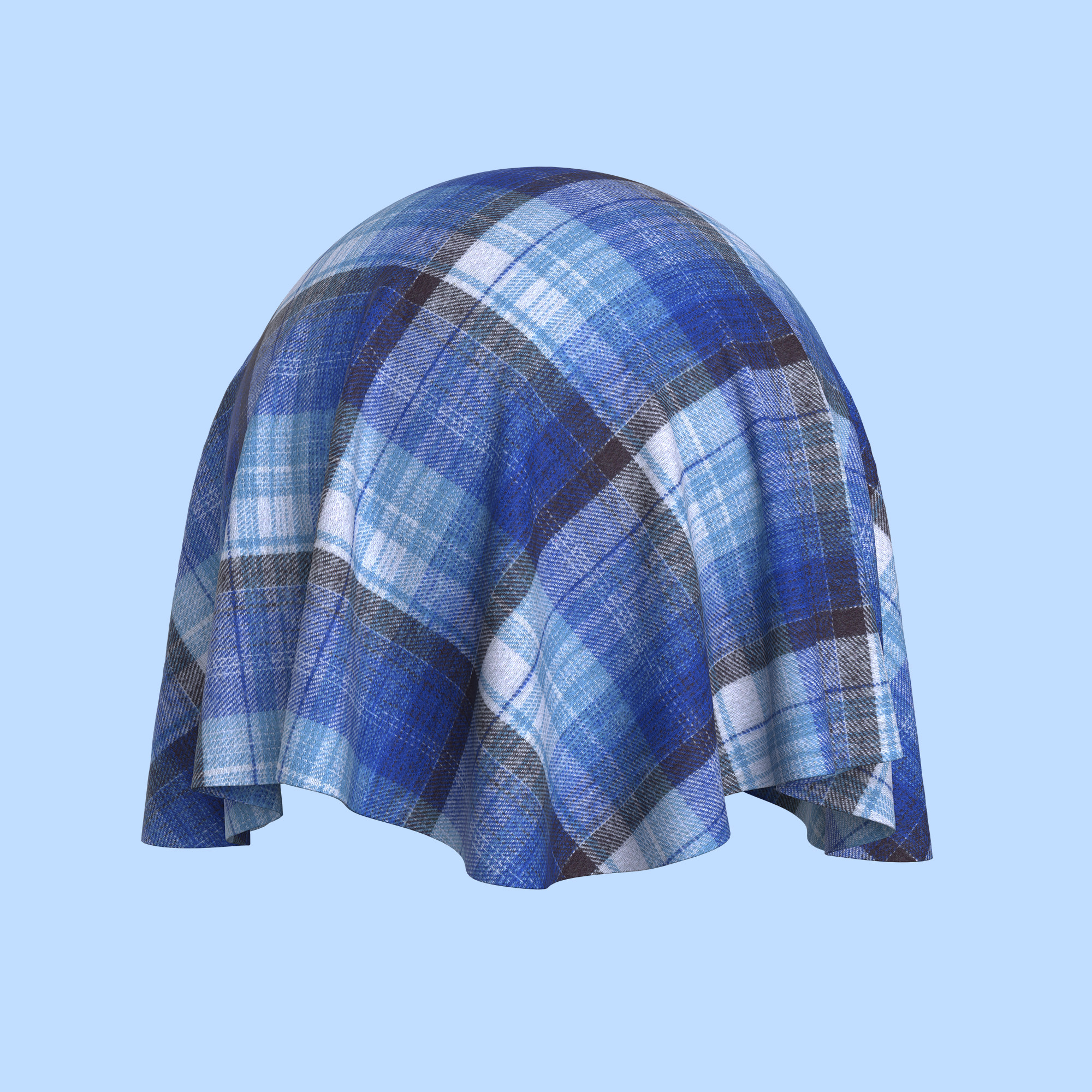
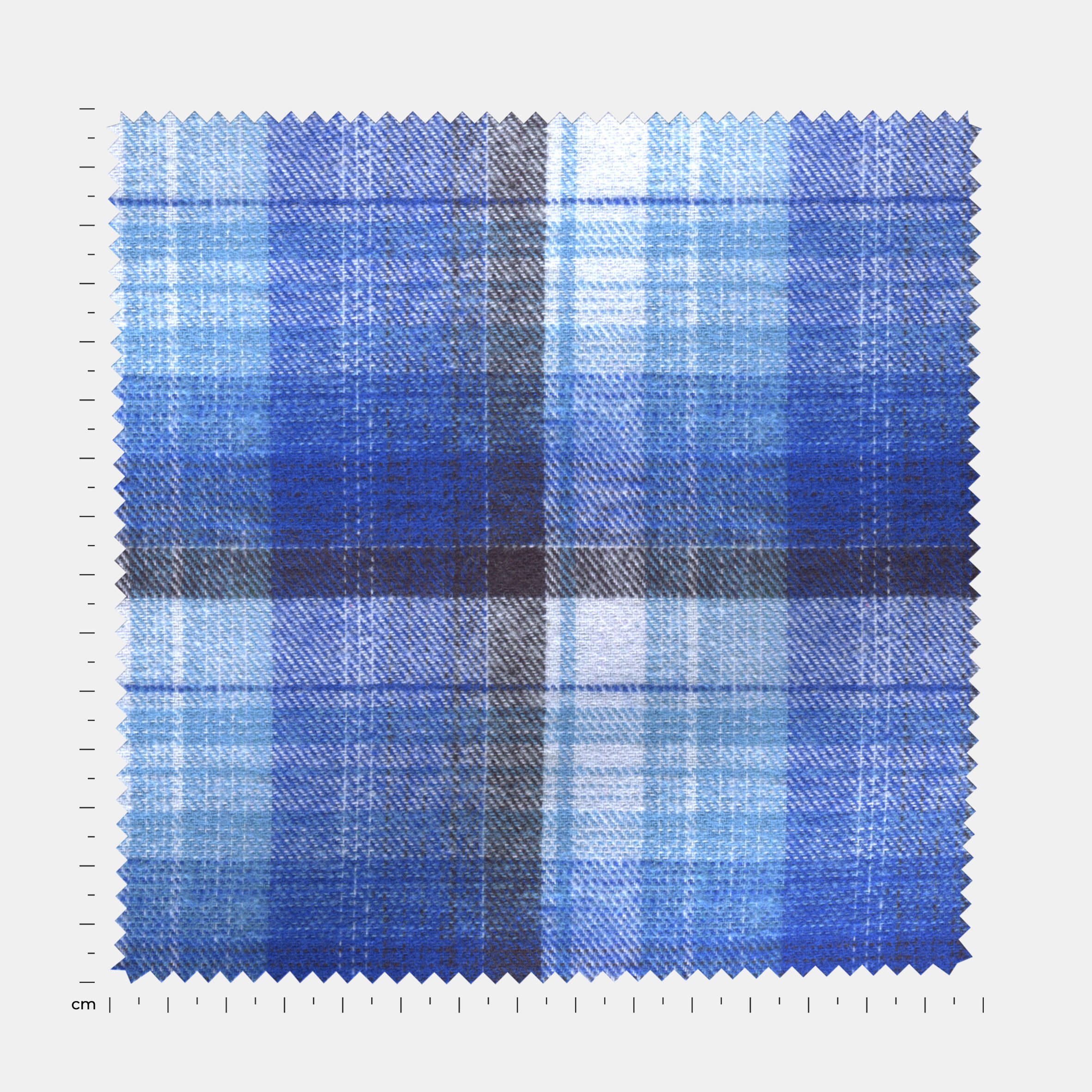
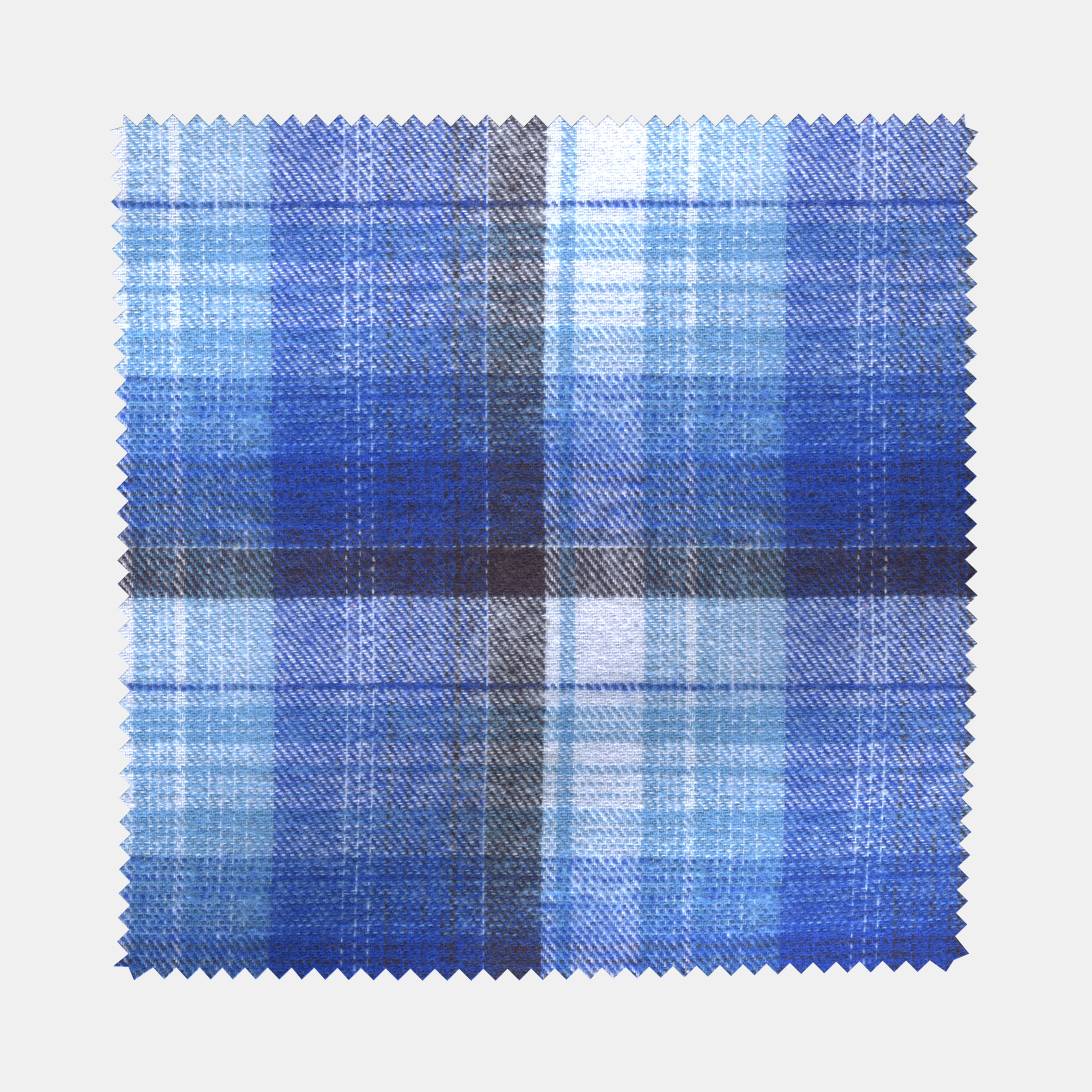
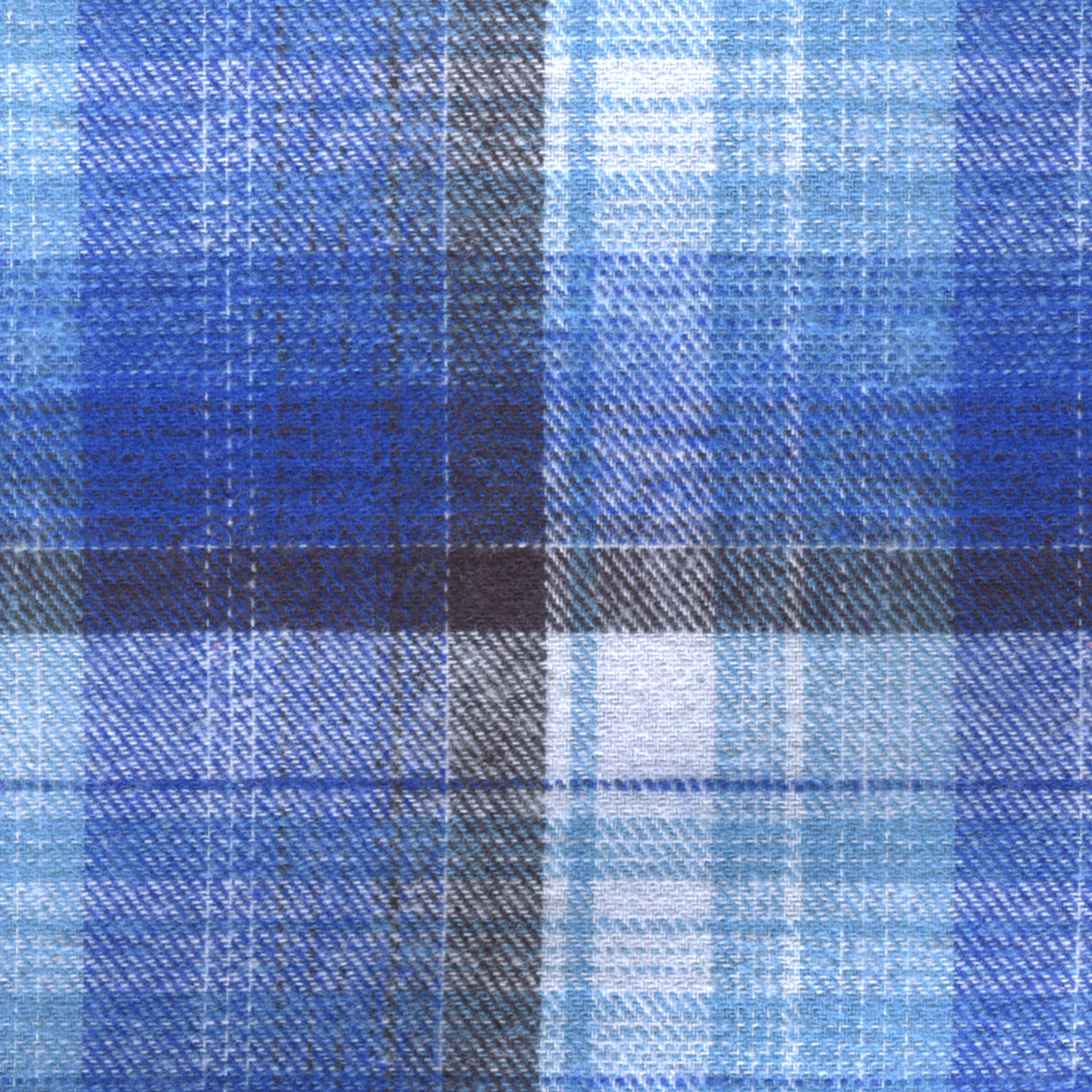
A blue flannel fabric featuring a classic yarn-dyed plaid pattern in shades of white, black, and navy. The brushed surface provides a soft, matte finish suitable for cozy outerwear and heavy shirts.
|
Gender |
|
|
Color |
Blue, White, Black, Navy |
|
Style |
|
|
Uses |
|
|
Fittings |
|
|
Print & Pattern |
Check/Plaid |
|
Product Length |
|
|
Neckline Type |
|
|
Collar Type |
|
|
Placket |
|
|
Sleeve |
|
|
|
|
|
Waist Type |
|
|
Zipper |
|
|
Brand |
|
|
Fabric Type |
Woven |
|
Structure |
Flannel |
|
Content |
Cotton |
|
Composition |
100% Cotton |
|
GSM |
100 |
|
GSM Range |
GSM 100-150 |
Description
What is Virtual Clothing?
Virtual clothing, often referred to as “digital clothing” or “virtual fashion,” is a type of clothing that exists solely in a digital or virtual environment. It is a product of the growing intersection of fashion and technology, particularly in the fields of computer graphics, 3D modeling, and virtual reality. Here are some key aspects of virtual clothing:
-
- Digital Garments: Virtual clothing consists of 3D models or computer-generated garments that are designed and visualized in digital spaces. These digital garments can be worn by avatars, characters, or models in various virtual environments, including video games, virtual reality experiences, and social virtual worlds.
- Design and Creation: Virtual clothing is designed and created using software tools that allow fashion designers and 3D artists to craft intricate, lifelike clothing items. These digital garments may incorporate textures, patterns, and design elements just like real-world clothing.
- Customization: One of the advantages of virtual clothing is the ability to easily customize and modify designs. Users can change colors, textures, and styles of virtual garments, tailoring them to their preferences.
- Virtual Fashion Shows: Virtual fashion shows have become a trend, where designers showcase their virtual clothing collections through 3D modeling and animation. These events often take place in virtual worlds or online gaming platforms.
- Gaming and Virtual Reality: Virtual clothing is commonly used in the gaming industry, where players can outfit their game characters with digital clothing items. In virtual reality (VR) and augmented reality (AR) experiences, users may interact with virtual clothing as part of their immersive environments.
what is the importance of Virtual Clothing in fashion design?
Virtual clothing holds significance in fashion design for several reasons, and its importance is increasingly recognized in the fashion industry. Here are some key aspects highlighting the importance of virtual clothing in fashion design:
- Digital Transformation: 3d fashion represents the fashion industry’s transition into the digital age. As technology continues to advance, fashion designers need to adapt to digital tools and environments to stay relevant and competitive.
- Innovation and Creativity: clo3d offers a new canvas for creativity and innovation. Designers can experiment with unconventional materials, styles, and designs that may not be feasible in the physical world. This creative freedom can lead to the development of unique and avant-garde fashion.
- Efficiency: Creating and modifying virtual clothing is often more efficient than producing physical garments. Digital design reduces the time and cost associated with traditional fashion design and production processes.
- Customization: virtual sample allows for easy customization. Customers can personalize their digital clothing items, reflecting their individual tastes and styles. This customization can enhance customer engagement and satisfaction.
- Sustainability: Virtual clothing can contribute to sustainability efforts in the fashion industry by reducing the need for physical production and the associated waste. It aligns with the growing demand for more environmentally responsible fashion practices.
- Market Expansion: digital material opens up new markets and revenue streams. It can be sold and traded in virtual worlds and gaming platforms, reaching a global audience that is interested in digital fashion.
- Marketing and Promotion: Fashion brands can use virtual clothing as a marketing tool to generate interest and brand visibility. Virtual fashion shows, collaborations with virtual influencers, and in-game clothing items provide promotional opportunities.
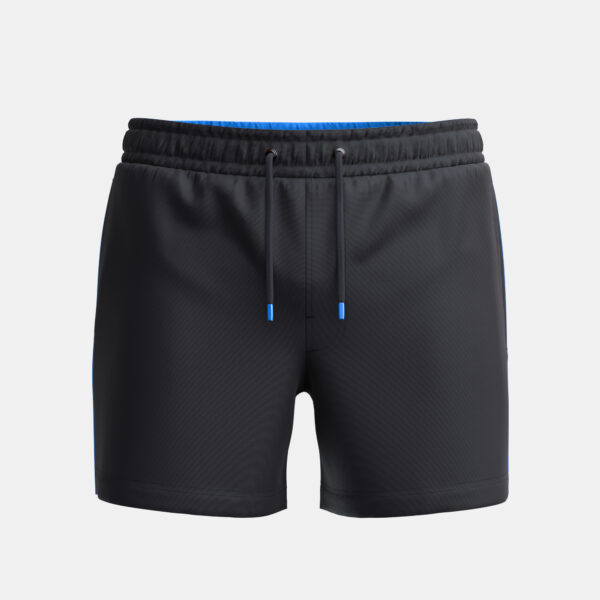
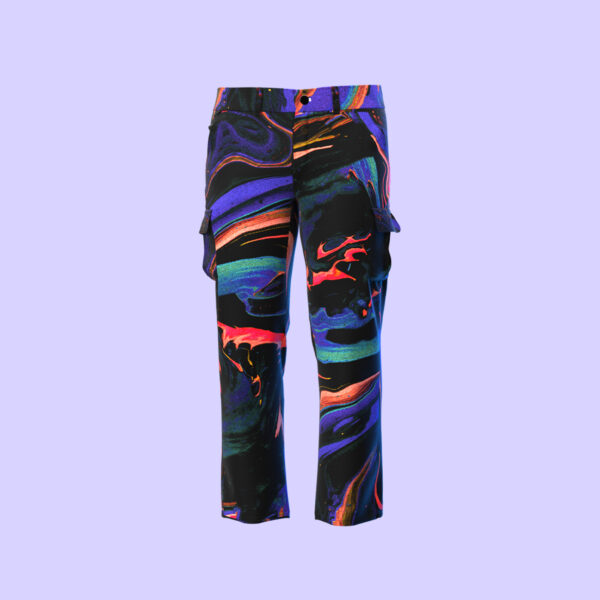
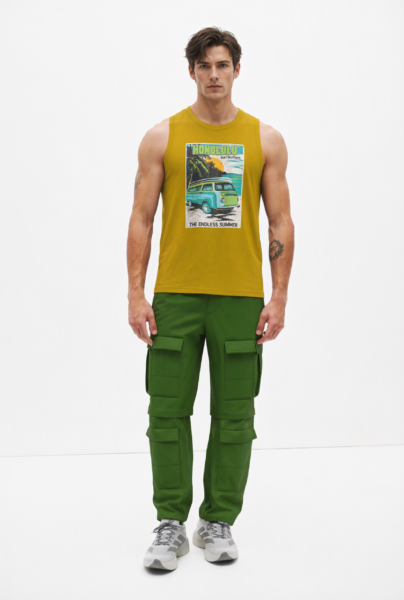
BCWFLA02818 3D apparel model
BCWFLA02818 is a detailed Digital Fabric 3D apparel model prepared for digital fashion workflows, ecommerce product visualization and collection planning. The asset highlights Blue, giving fashion teams a clear product view before physical sampling.
Use this digital garment for virtual showroom pages, merchandising reviews, design presentations, online catalog imagery and apparel development discussions. It helps buyers, designers and production teams evaluate silhouette, styling direction and product story with consistent front-facing visual clarity.
Binarycloth builds product visuals for brands that need faster sampling, cleaner campaign assets and scalable digital product content. This Digital Fabric model supports modern apparel workflows where accurate 3D visualization reduces repeated sample rounds and keeps product teams aligned.
Frequently Asked Questions
How many fabrics can you digitize at once?
We work in batches with a minimum of 10 fabrics, so you can build a full digital material library for your line in one go.
Will this fabric drape and behave realistically in 3D?
Yes — we capture weight, stretch and surface detail so the fabric drapes and folds true to life on 3D garments in CLO3D and other simulators.
Can you digitize a fabric like this into a CLO3D-ready PBR material?
Yes. Our fabric digitalization turns a physical fabric swatch into a true-to-life, CLO3D-ready PBR material with accurate colour, weave and sheen. Digital fabrics start from $15.
What files do I receive for this digital fabric?
You receive ready-to-use PBR material files (U3M/ZFAB plus texture maps) that drop straight into CLO3D, Browzwear and standard 3D workflows.
Can you match this fabric to a physical swatch I send?
Yes — send us your physical swatch and we scan and colour-match it into an accurate digital fabric for your 3D samples.
How much does it cost to digitize a fabric like this?
Fabric digitalization starts from $15 per material. A flatbed scan is from $9.99 and premium Vizoo scanning from $30, with a minimum order of 10 fabrics. Request a quote.