BCKTER01487
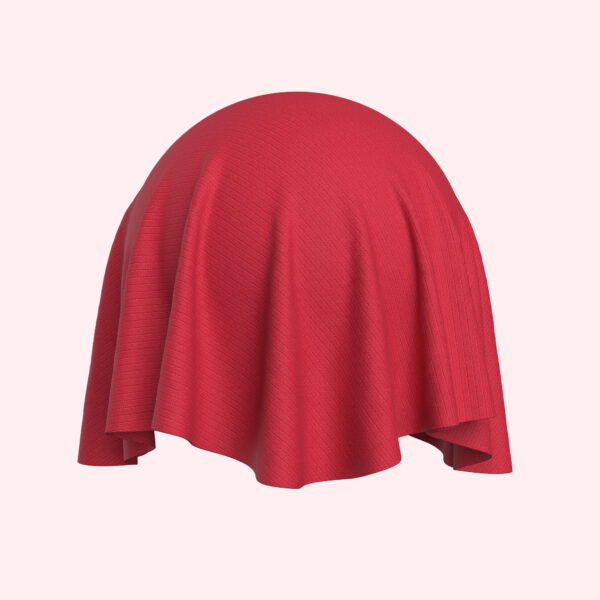
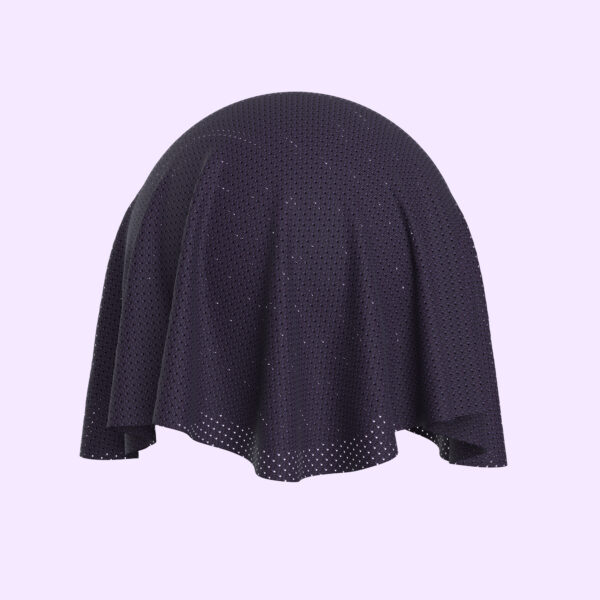
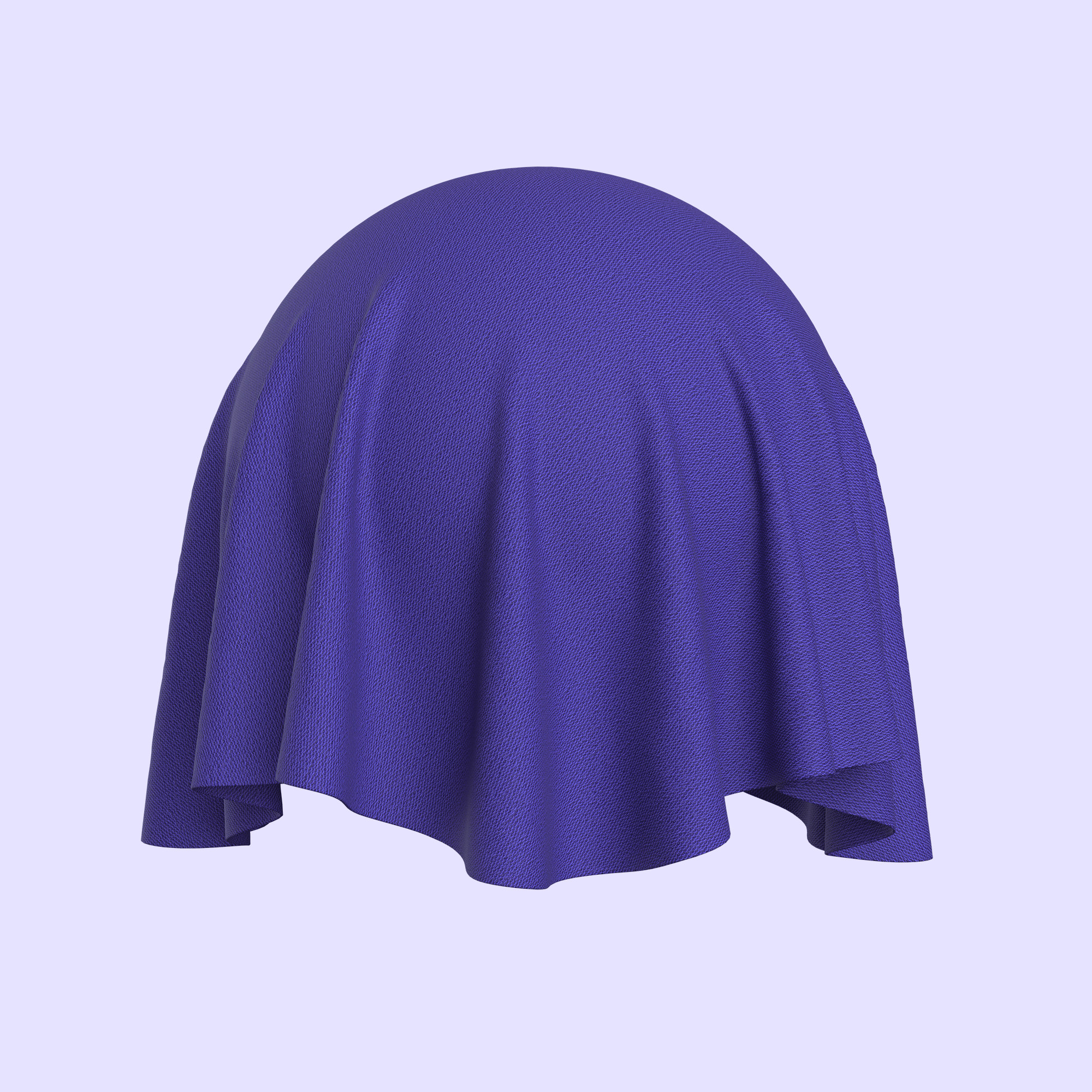
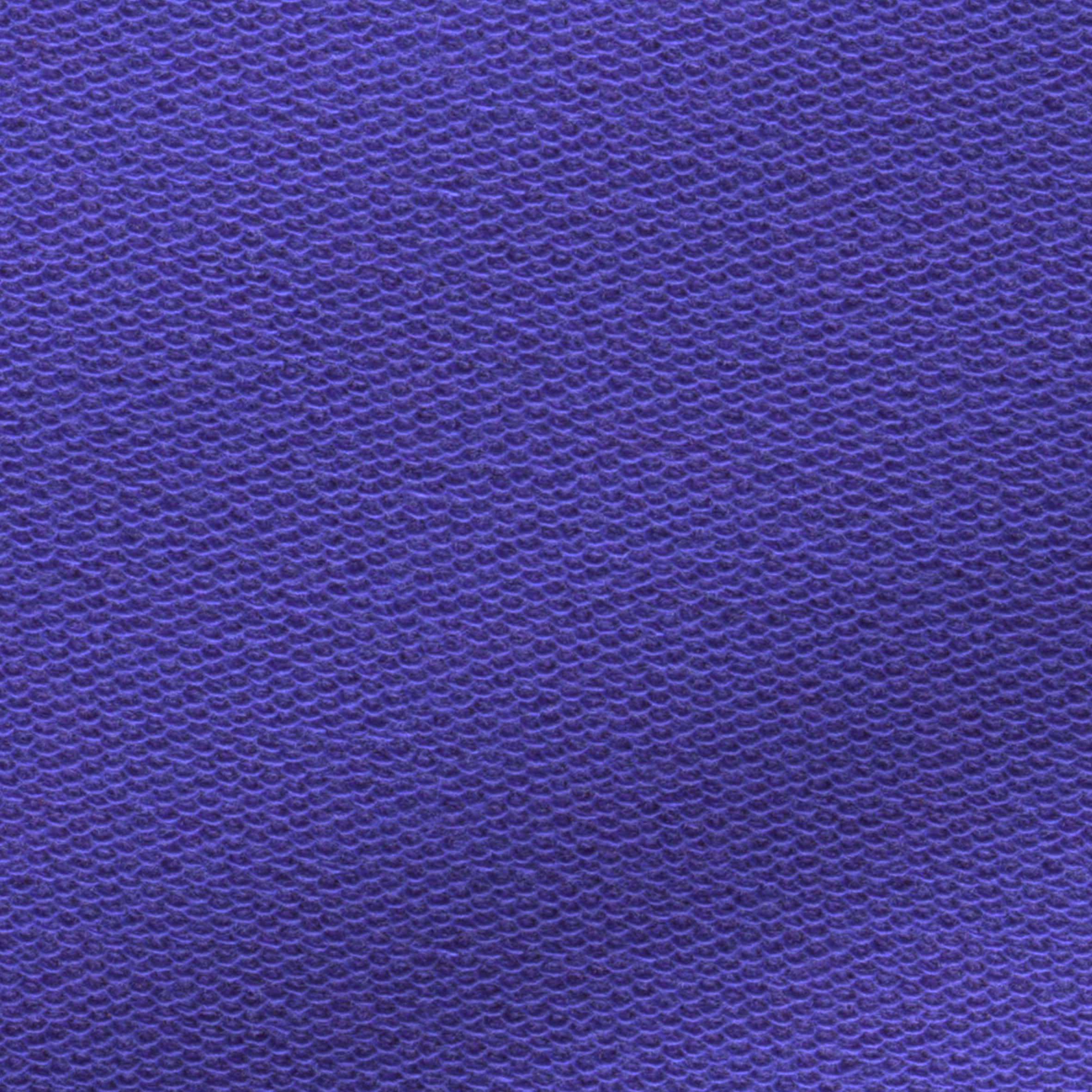
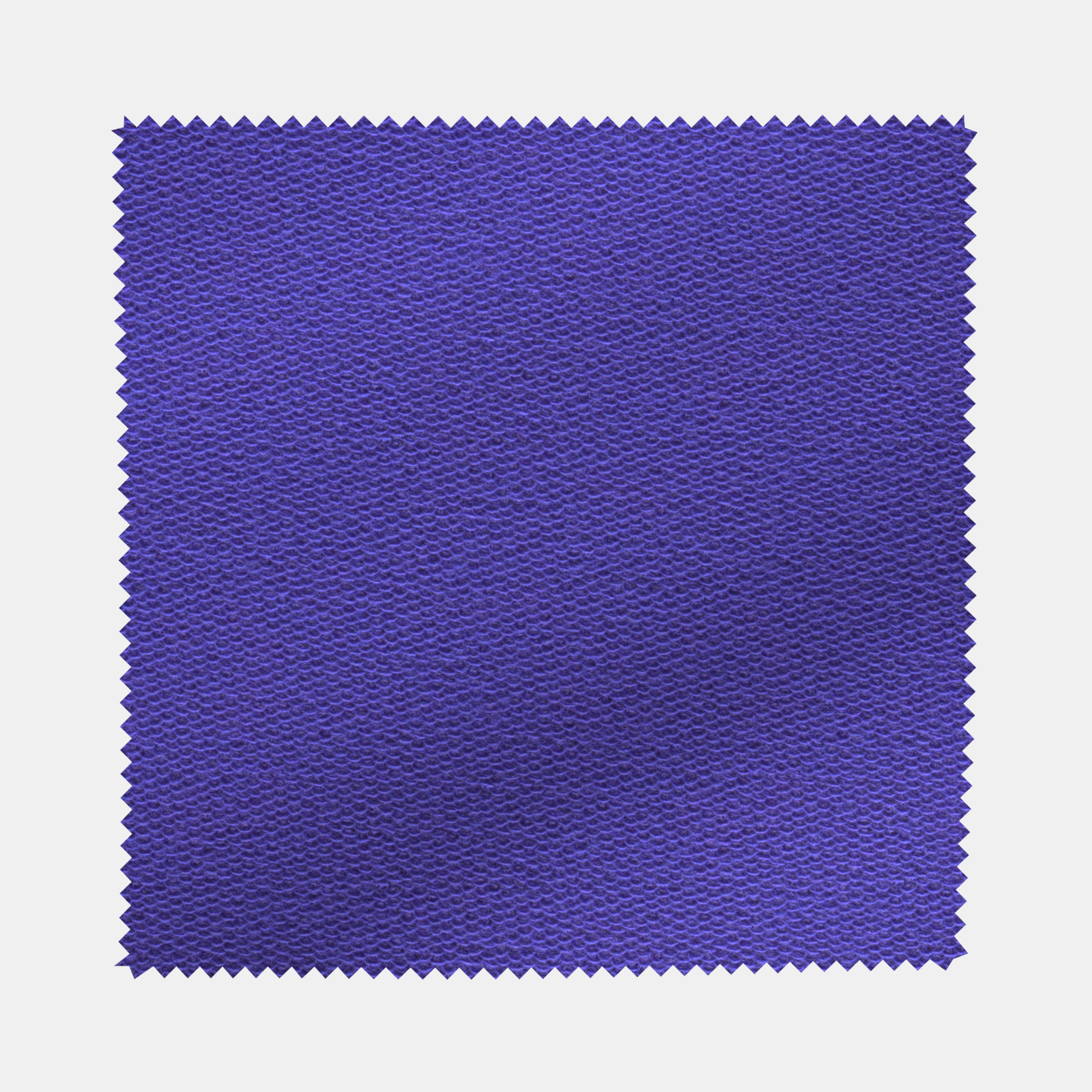
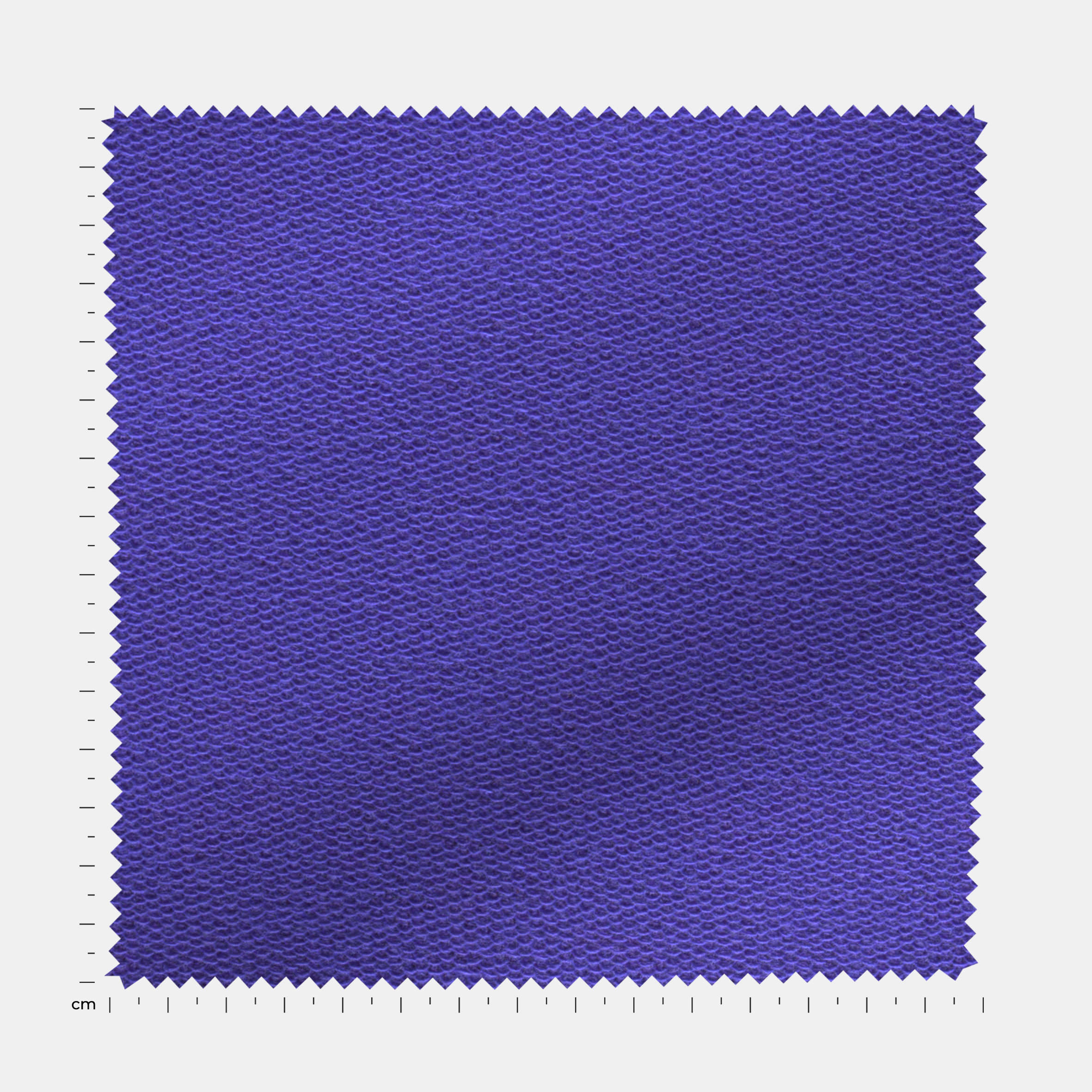
A deep blue jersey knit fabric featuring a fine grain surface and a matte finish. The dense, uniform texture provides a consistent look for various apparel designs. CLO3D-ready PBR digital fabric by Binarycloth for 3D garment simulation and virtual sampling.
|
Gender |
|
|
Color |
Blue |
|
Style |
|
|
Uses |
|
|
Fittings |
|
|
Print & Pattern |
Solid |
|
Product Length |
|
|
Neckline Type |
|
|
Collar Type |
|
|
Placket |
|
|
Sleeve |
|
|
|
|
|
Waist Type |
|
|
Zipper |
|
|
Brand |
|
|
Fabric Type |
Knit |
|
Structure |
Jersey |
|
Content |
Cotton, Spandex |
|
Composition |
98% Cotton 2% Spandex |
|
GSM |
230 |
|
GSM Range |
GSM 201-250 |
Description
What is the digital fashion?
- Digital fashion in 3D Design:
- Textures and Surfaces: In 3D design and modeling, a Digital fashion often refers to the digital representation of the surface characteristics of an object. This includes textures, colors, reflectivity, and other visual properties applied to a 3D model to make it look realistic.
- Physical Materials for 3D Printing:
- Filaments and Resins: In 3D printing, 3D materials are the physical substances used to create objects layer by layer. This can include various types of filaments (for Fused Deposition Modeling or FDM printers) or resins (for Stereolithography or SLA printers). These materials can be plastics, metals, ceramics, or other composites, depending on the type of 3D printer and the desired properties of the final object.
- Digital-Only Collections: Some fashion brands create digital-only collections, which are made up of unique, imaginative, and often bold designs that are never intended to be produced in the physical world. These items are purchased and worn in virtual spaces.
It’s important to clarify which context is meant when referring to “3D material” because the term can be used in both digital and physical aspects of 3D technology.
what is the importance of digital fabric in fashion design?
Digital fabric plays a crucial role in modern fashion design, offering several important benefits:
- Visualization and Communication: Digital fabric allows designers to visualize how different textiles will look in a garment before it’s physically produced. This aids in better communication of design ideas and helps designers make informed decisions about fabric choices.
- Efficient Prototyping: Digital fabric simulation enables virtual prototyping, allowing designers to see how a fabric drapes, folds, and moves on a 3D model. This is particularly valuable in the early stages of design, reducing the need for physical prototypes and minimizing waste.
- Time and Cost Savings: The ability to preview fabric digitally reduces the time and cost associated with creating physical samples. Designers can make quicker decisions about fabric selection, leading to more efficient production processes.
- Variation and Experimentation: Digital fabric tools enable designers to experiment with various fabric options easily. They can explore different textures, patterns, and colors digitally, fostering creativity and innovation in the design process.
- Accuracy in Design: Digital fabric simulations provide a high level of accuracy in depicting how a fabric will interact with the design. This helps designers ensure that the final garment aligns with their creative vision and meets quality standards.
- Customization and Personalization: Digital fabric tools support customization by allowing designers to experiment with unique combinations of fabric types, patterns, and colors. This contributes to the trend of personalized and customizable fashion items.
- Environmental Sustainability: By reducing the reliance on physical samples and prototypes, digital fabric contributes to more sustainable practices in the fashion industry. It aligns with efforts to minimize waste and make the design and production process more eco-friendly.
- Collaboration and Communication in the Supply Chain: Digital fabric information can be easily shared among different stakeholders in the fashion supply chain, including designers, manufacturers, and retailers. This enhances collaboration, reduces misunderstandings, and streamlines the production workflow.
In summary, the importance of digital fabric in fashion design lies in its ability to enhance visualization, streamline the design process, reduce waste, and support more sustainable and efficient practices throughout the fashion industry.
BCKTER01487 3D apparel model
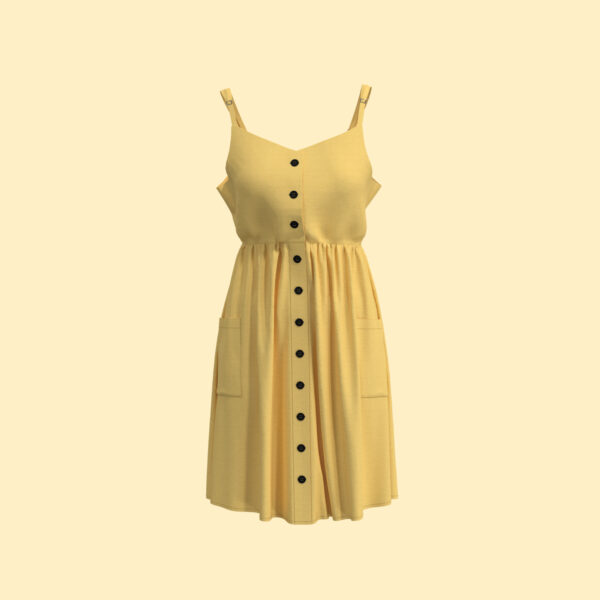
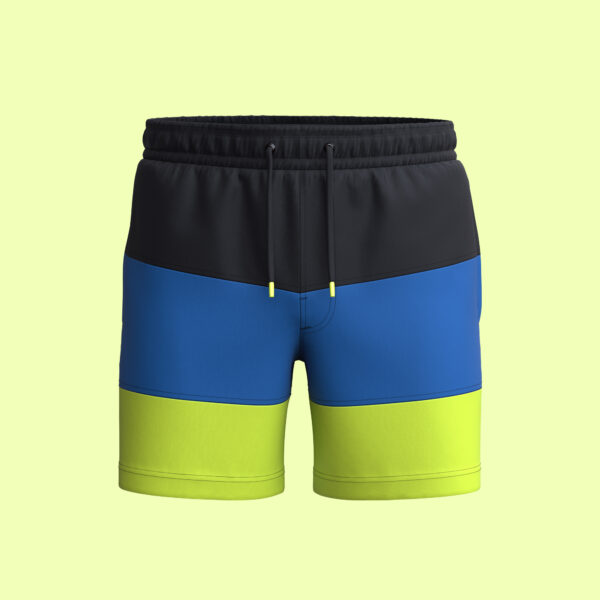
BCKTER01487 is a detailed Digital Fabric 3D apparel model prepared for digital fashion workflows, ecommerce product visualization and collection planning. The asset highlights Purple, giving fashion teams a clear product view before physical sampling.
Use this digital garment for virtual showroom pages, merchandising reviews, design presentations, online catalog imagery and apparel development discussions. It helps buyers, designers and production teams evaluate silhouette, styling direction and product story with consistent front-facing visual clarity.
Binarycloth builds product visuals for brands that need faster sampling, cleaner campaign assets and scalable digital product content. This Digital Fabric model supports modern apparel workflows where accurate 3D visualization reduces repeated sample rounds and keeps product teams aligned.
Frequently Asked Questions
What files do I receive for this digital fabric?
You receive ready-to-use PBR material files (U3M/ZFAB plus texture maps) that drop straight into CLO3D, Browzwear and standard 3D workflows.
Will this fabric drape and behave realistically in 3D?
Yes — we capture weight, stretch and surface detail so the fabric drapes and folds true to life on 3D garments in CLO3D and other simulators.
Can I reuse this digital fabric across my own 3D garments?
Absolutely. Once digitized, the fabric material is yours to apply to any number of 3D garments, colourways and collections.
How much does it cost to digitize a fabric like this?
Fabric digitalization starts from $15 per material. A flatbed scan is from $9.99 and premium Vizoo scanning from $30, with a minimum order of 10 fabrics. Request a quote.
Can you match this fabric to a physical swatch I send?
Yes — send us your physical swatch and we scan and colour-match it into an accurate digital fabric for your 3D samples.
How many fabrics can you digitize at once?
We work in batches with a minimum of 10 fabrics, so you can build a full digital material library for your line in one go.