BCKJER00451
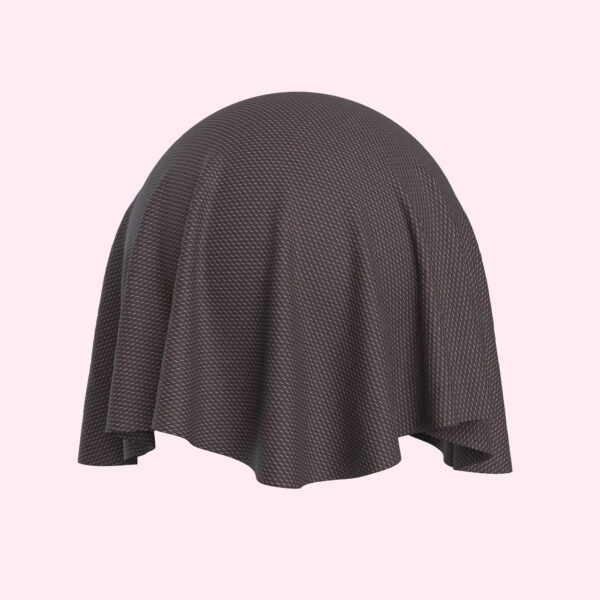
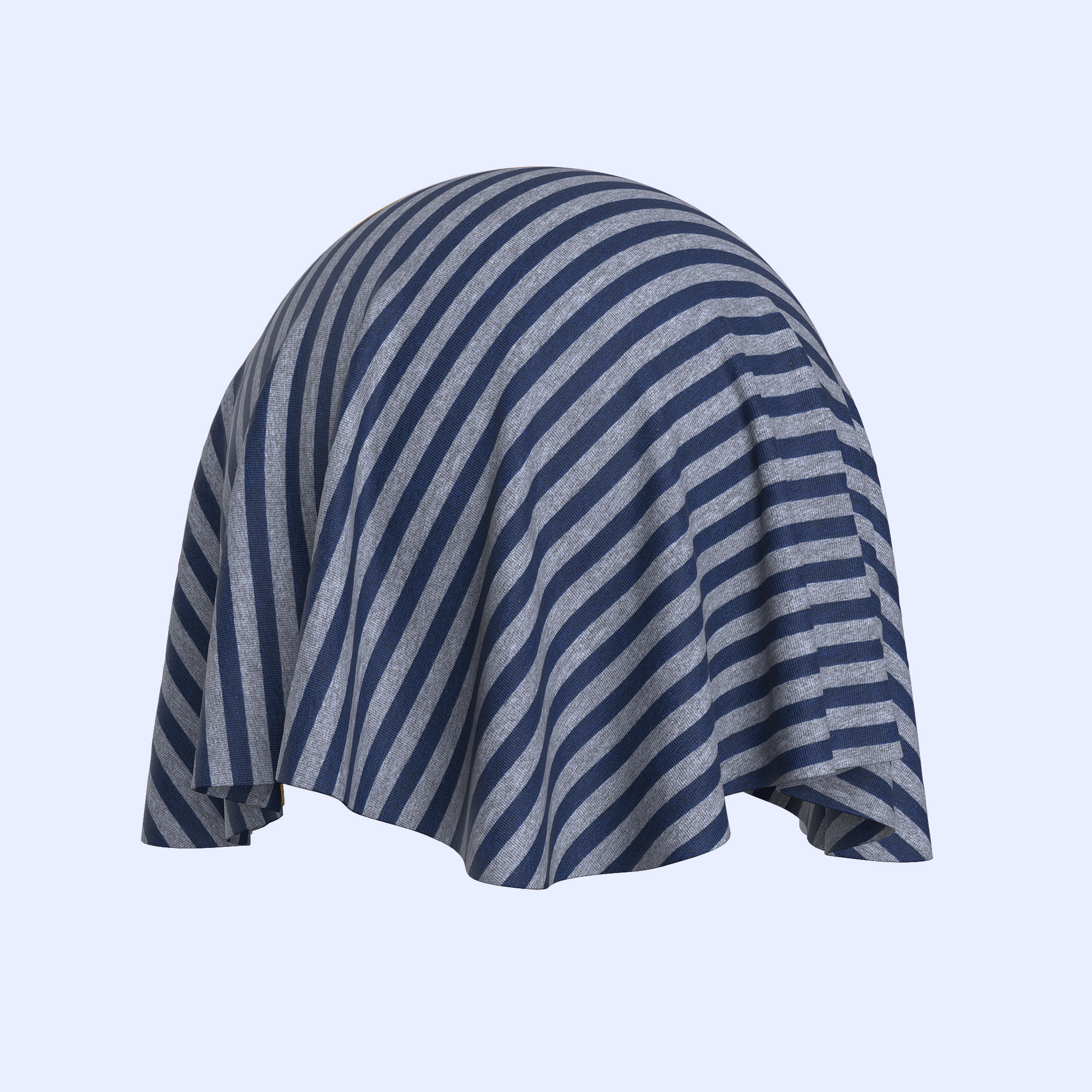
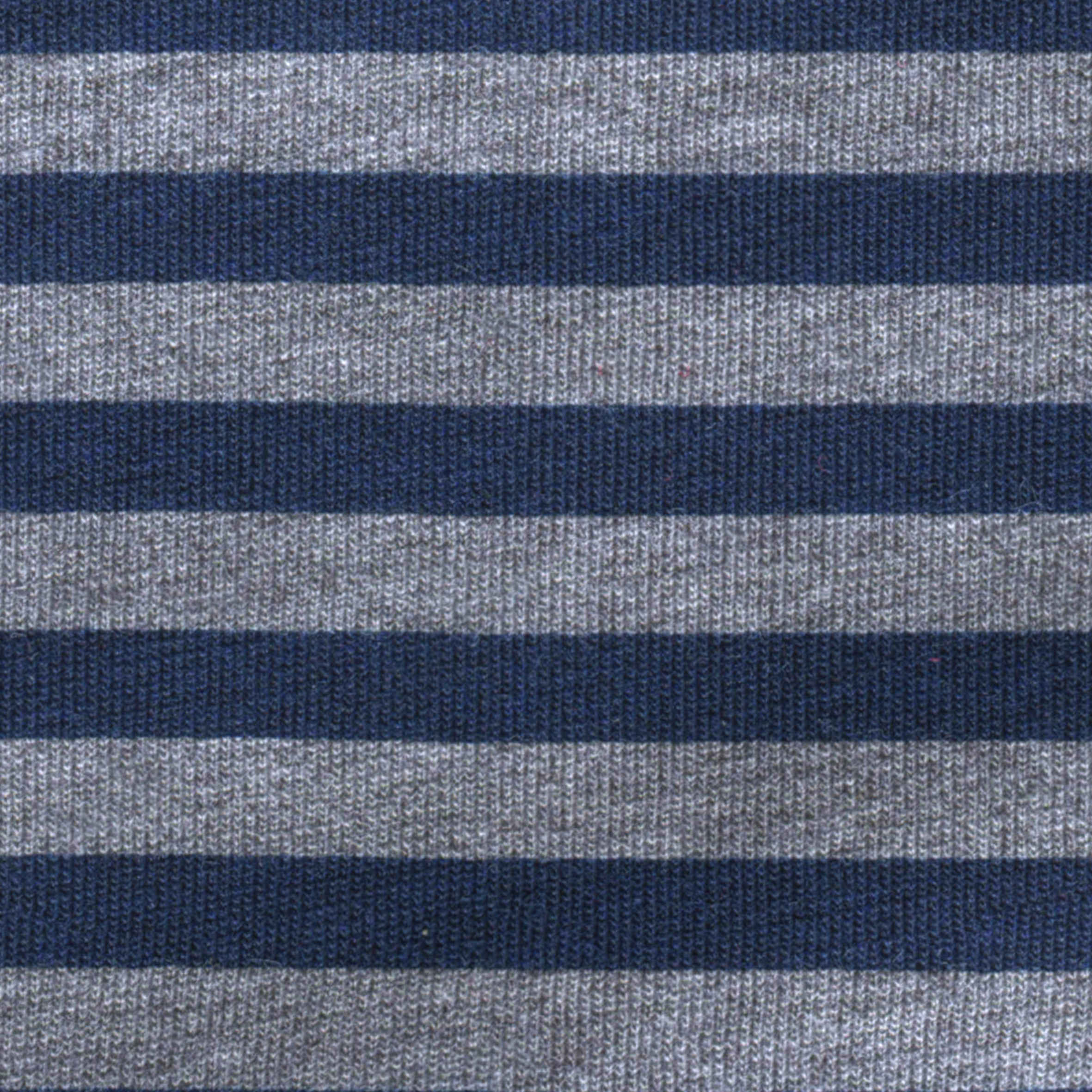
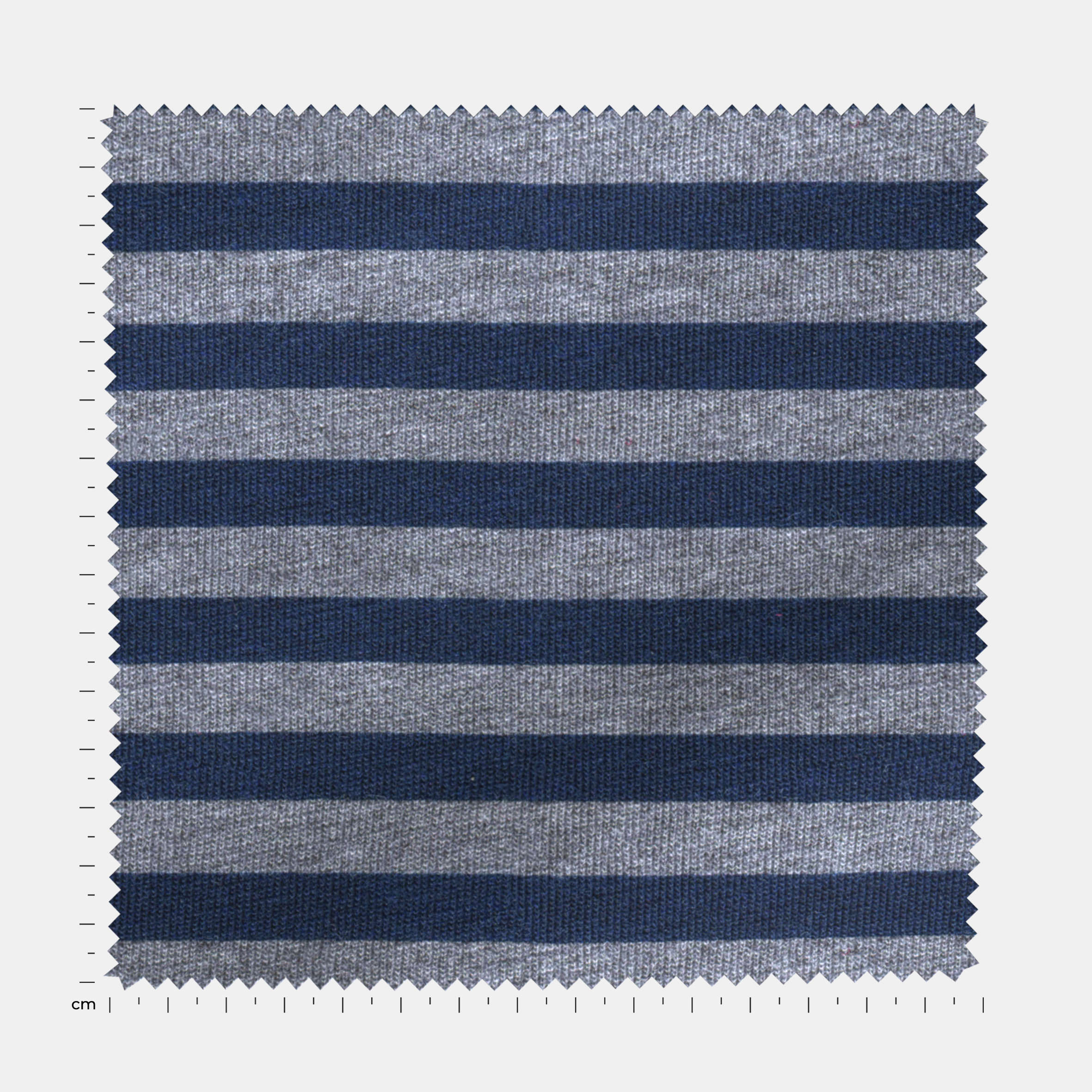
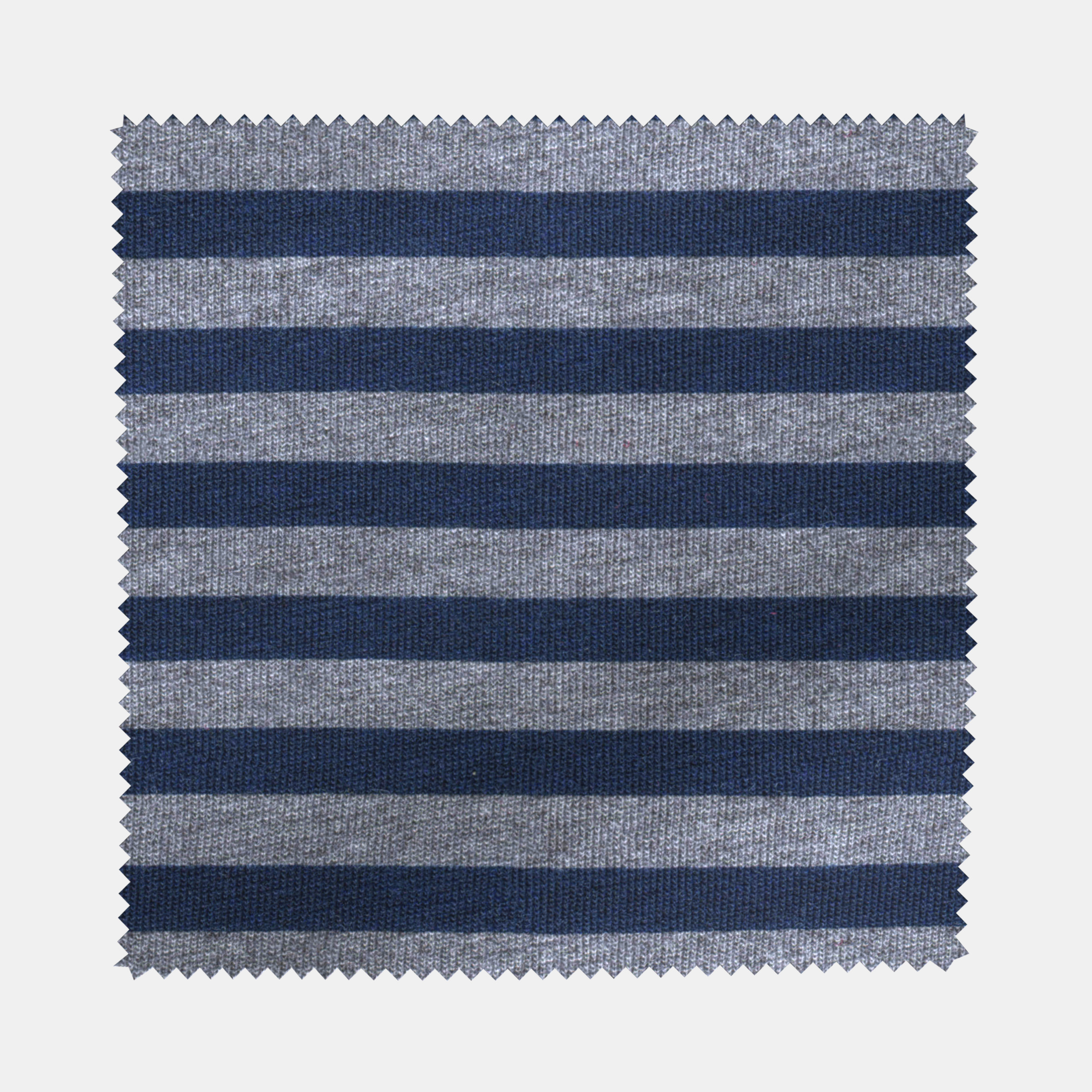
A navy blue and light grey yarn-dyed striped rib knit fabric. The ribbed structure provides significant elasticity and a textured surface suitable for high-quality knitwear, such as sweaters or cuffs.
|
Gender |
|
|
Color |
Navy Blue, Light Grey |
|
Style |
|
|
Uses |
|
|
Fittings |
|
|
Print & Pattern |
Yarn-dyed Stripe |
|
Product Length |
|
|
Neckline Type |
|
|
Collar Type |
|
|
Placket |
|
|
Sleeve |
|
|
|
|
|
Waist Type |
|
|
Zipper |
|
|
Brand |
|
|
Fabric Type |
Knit |
|
Structure |
Rib |
|
Content |
Cotton, Viscose |
|
Composition |
90% Cotton 10% Viscose |
|
GSM |
130 |
|
GSM Range |
GSM 100-150 |
Description
What is Fashion Technology?
- Fashion Technology in 3D Design:
- Textures and Surfaces: In 3D design and modeling, digital material often refers to the digital representation of the surface characteristics of an object. This includes textures, colors, reflectivity, and other visual properties applied to a 3D model to make it look realistic.
- Physical Materials for 3D Printing:
- Wearable Technology: The development of garments and accessories embedded with technology, such as smartwatches, fitness trackers, and clothing with built-in sensors. These wearable devices often serve functions like health monitoring, activity tracking, and connectivity to smartphones.
It’s important to clarify which context is meant when referring to “3D material” because the term can be used in both digital and physical aspects of 3D technology.
what is the importance of digital fashion?
Digital fashion holds several important implications and benefits for the fashion industry, consumers, and the broader society. Here are some key reasons why digital fashion is significant:
- Sustainability: Digital fashion has the potential to significantly reduce the environmental impact of the fashion industry. By creating and showcasing virtual clothing, it eliminates the need for physical production, reducing fabric waste, energy consumption, and carbon emissions.
- Cost Reduction: For fashion designers and brands, digital fashion allows for cost savings in terms of materials, manufacturing, and logistics. Designers can create and test designs digitally, reducing the need for physical samples.
- Creative Freedom: Digital fashion removes many of the constraints of physical textiles, enabling designers to experiment with innovative and unconventional designs, materials, and styles. It fosters creativity and pushes the boundaries of fashion.
- Customization: Digital fashion offers consumers the ability to customize clothing items according to their preferences, sizes, and needs. This leads to greater personalization and the creation of unique fashion pieces.
- Virtual Try-On: For online shoppers, virtual try-on experiences using augmented reality (AR) or virtual reality (VR) can enhance the buying process. Customers can see how garments will look and fit before making a purchase, reducing the likelihood of returns.
- Inclusivity: Digital fashion allows for greater inclusivity in the fashion world. It can be adapted to suit a wide range of body types and can break down traditional fashion stereotypes and norms.
- Metaverse Integration: As the concept of the metaverse gains prominence, digital fashion becomes essential for creating and expressing one’s digital identity within virtual worlds and social interactions.
- Brand and Marketing Innovation: Fashion brands can use digital fashion to create buzz and brand engagement. It allows for unique marketing campaigns and collaborations, leading to increased brand visibility.
- Reduced Inventory: Brands can reduce the physical inventory of clothing items, minimizing unsold stock and the need for clearance sales. With digital clothing, items are created as needed.
- Digital Art and Self-Expression: Digital fashion can serve as a canvas for digital artists and creators to express themselves. It provides a new medium for artistic expression and self-identity.
- Historical and Cultural Preservation: Digital fashion can be used to preserve and digitize historical or culturally significant clothing, enabling access for educational, historical, and archival purposes.
- Fashion Education: Digital fashion plays a role in fashion education, allowing students to experiment with designs, textiles, and techniques in a cost-effective and sustainable manner.
- Reduction of Fashion Waste: By encouraging consumers to explore and enjoy fashion in a digital space, there’s a potential reduction in fashion waste, as clothing is less likely to be discarded after minimal use.
Digital fashion is a transformative force that aligns with the growing demand for sustainability, customization, and digital innovation in the fashion industry. As technology continues to advance, digital fashion is likely to play an increasingly important role in how we design, create, and experience fashion in both the physical and virtual realms.
BCKJER00451 3D apparel model
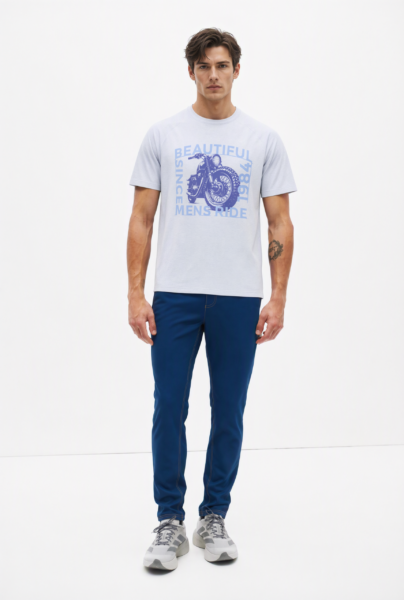
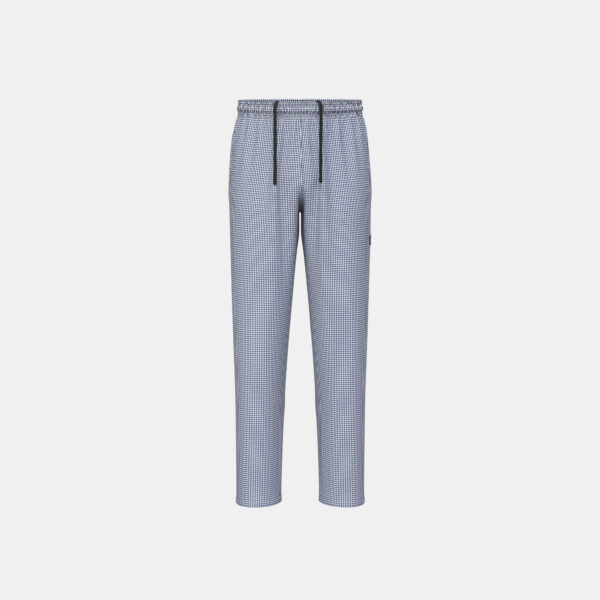
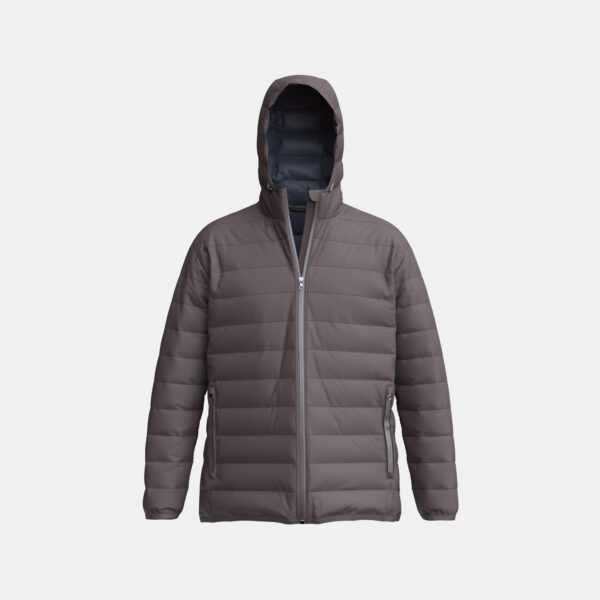
BCKJER00451 is a detailed Digital Fabric 3D apparel model prepared for digital fashion workflows, ecommerce product visualization and collection planning. The asset highlights Indigo, giving fashion teams a clear product view before physical sampling.
Use this digital garment for virtual showroom pages, merchandising reviews, design presentations, online catalog imagery and apparel development discussions. It helps buyers, designers and production teams evaluate silhouette, styling direction and product story with consistent front-facing visual clarity.
Binarycloth builds product visuals for brands that need faster sampling, cleaner campaign assets and scalable digital product content. This Digital Fabric model supports modern apparel workflows where accurate 3D visualization reduces repeated sample rounds and keeps product teams aligned.
Frequently Asked Questions
Can you match this fabric to a physical swatch I send?
Yes — send us your physical swatch and we scan and colour-match it into an accurate digital fabric for your 3D samples.
How many fabrics can you digitize at once?
We work in batches with a minimum of 10 fabrics, so you can build a full digital material library for your line in one go.
Can I reuse this digital fabric across my own 3D garments?
Absolutely. Once digitized, the fabric material is yours to apply to any number of 3D garments, colourways and collections.
Will this fabric drape and behave realistically in 3D?
Yes — we capture weight, stretch and surface detail so the fabric drapes and folds true to life on 3D garments in CLO3D and other simulators.
Can you digitize a fabric like this into a CLO3D-ready PBR material?
Yes. Our fabric digitalization turns a physical fabric swatch into a true-to-life, CLO3D-ready PBR material with accurate colour, weave and sheen. Digital fabrics start from $15.
What files do I receive for this digital fabric?
You receive ready-to-use PBR material files (U3M/ZFAB plus texture maps) that drop straight into CLO3D, Browzwear and standard 3D workflows.