BCKHEA00369
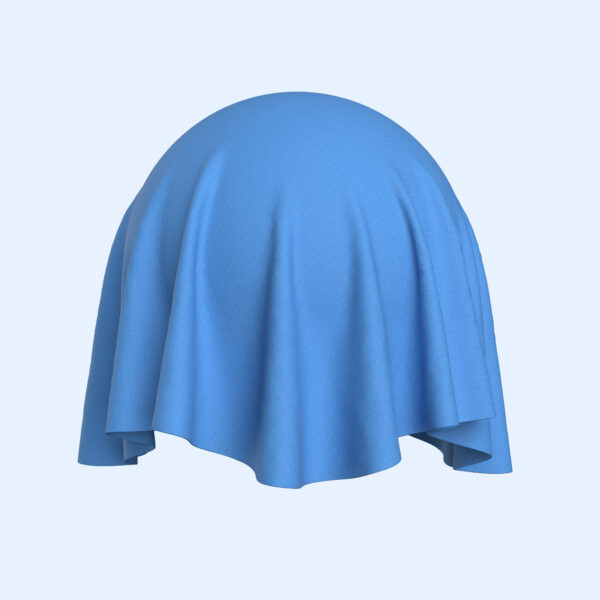
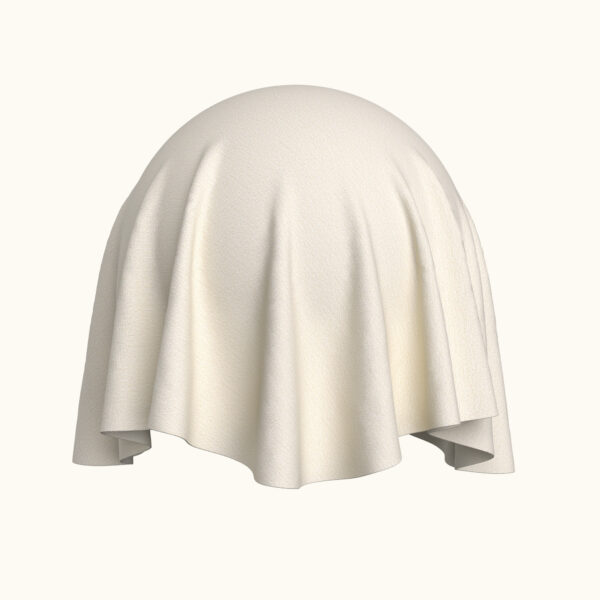
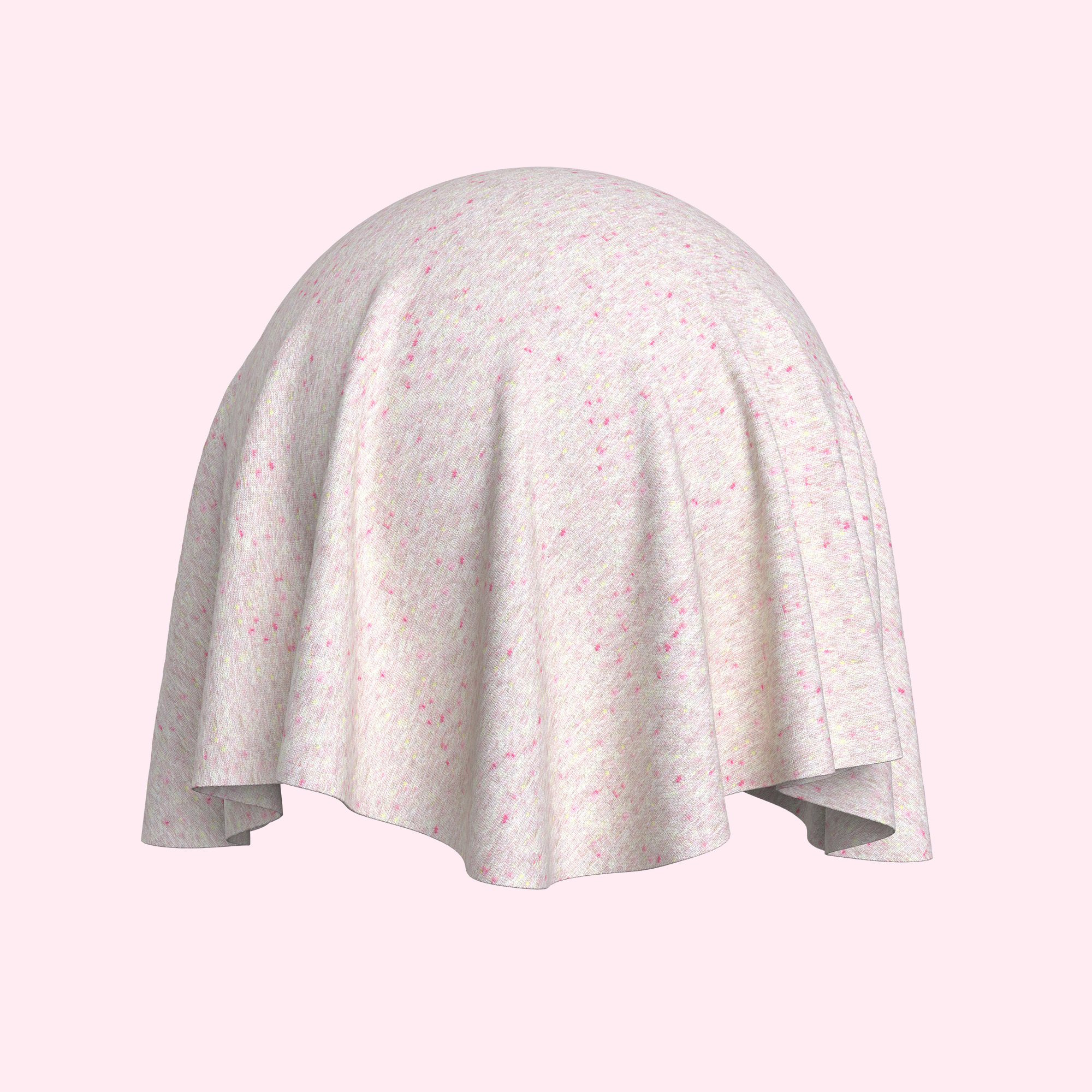
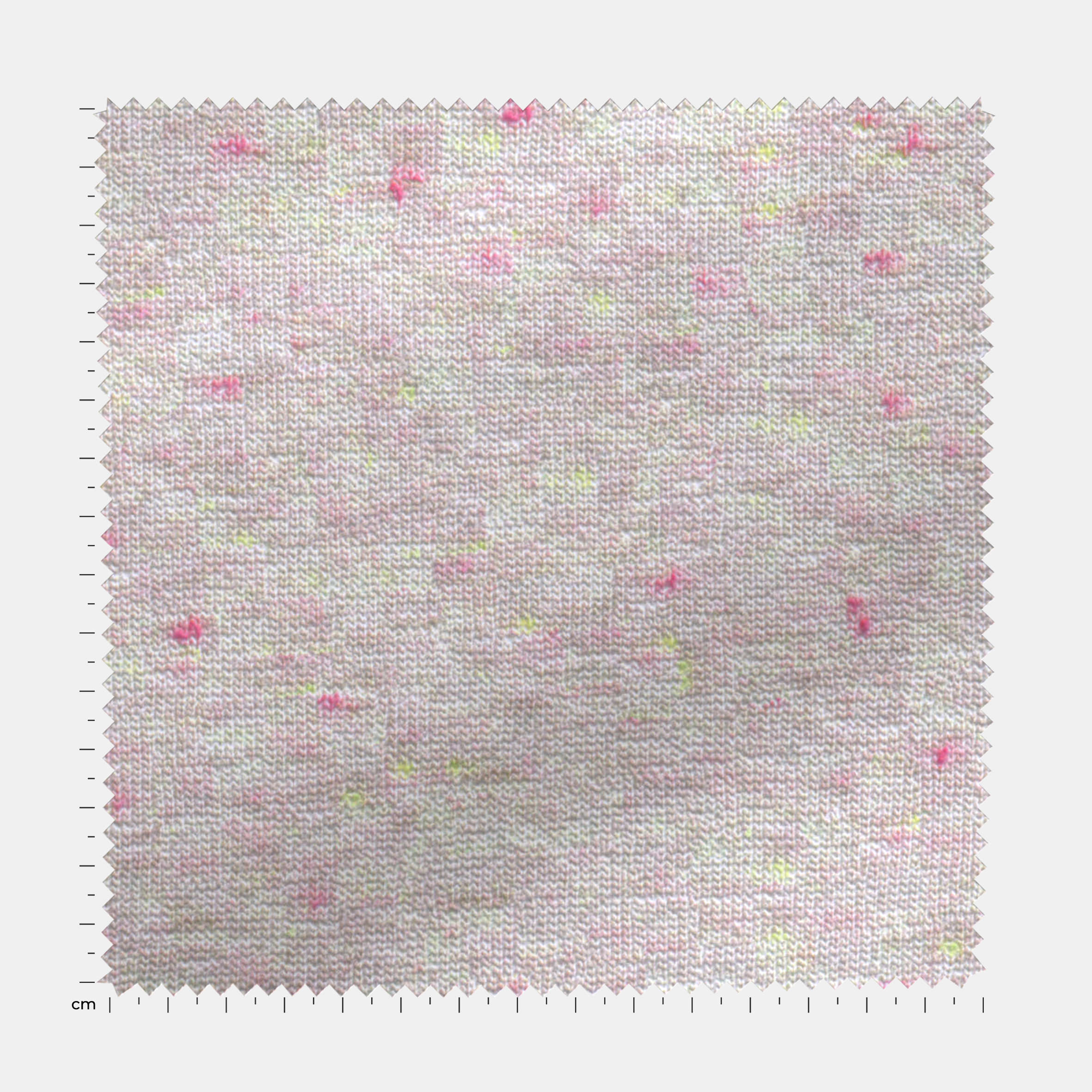
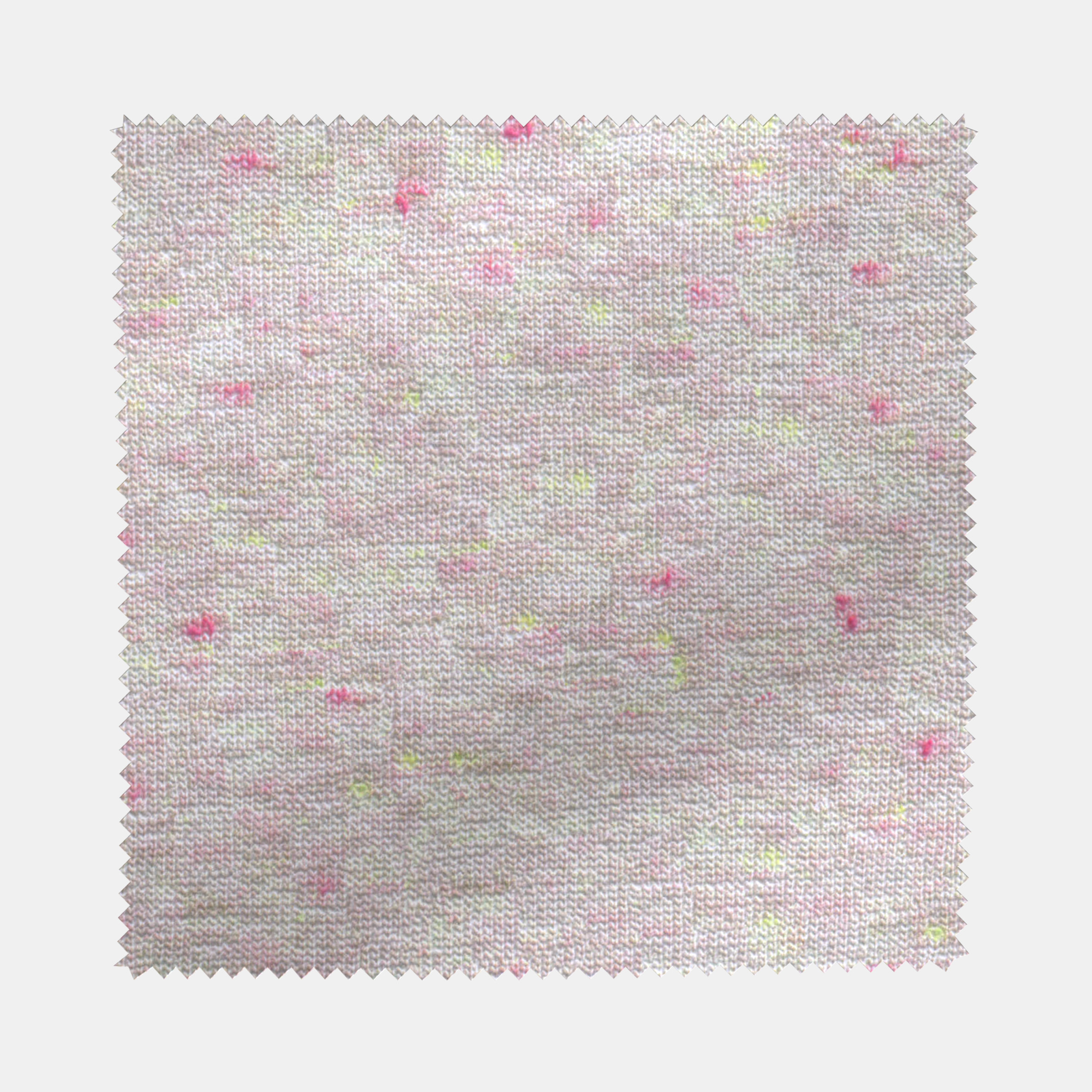
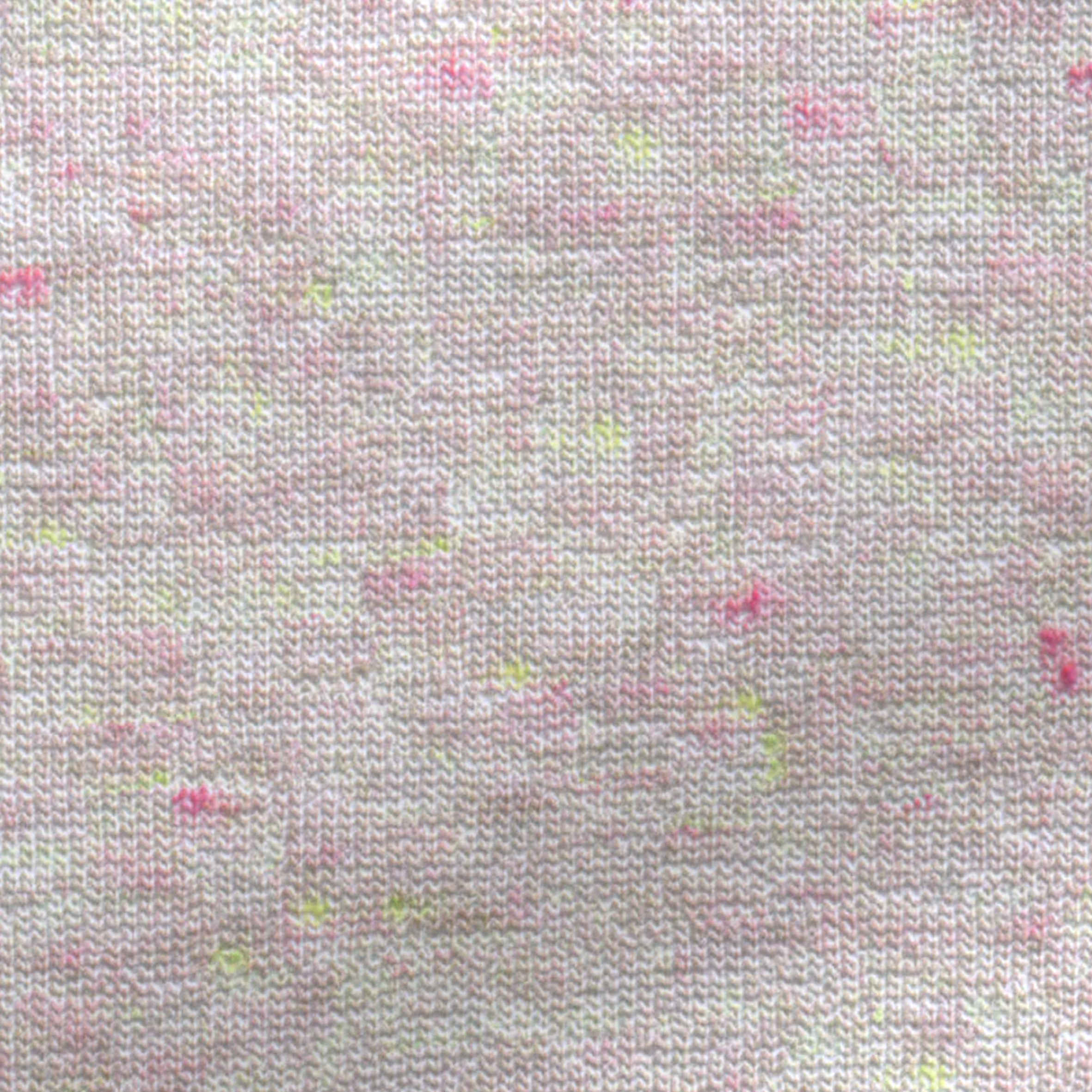
A light off-white woven fabric featuring a delicate all-over pink and grey floral print. The smooth matte surface provides a balanced weight for dresses, blouses, and lightweight garments.
|
Gender |
|
|
Color |
Off-White, Pink, Grey |
|
Style |
|
|
Uses |
|
|
Fittings |
|
|
Print & Pattern |
Printed |
|
Product Length |
|
|
Neckline Type |
|
|
Collar Type |
|
|
Placket |
|
|
Sleeve |
|
|
|
|
|
Waist Type |
|
|
Zipper |
|
|
Brand |
|
|
Fabric Type |
Knit |
|
Structure |
Oxford |
|
Content |
Cotton, Polyester |
|
Composition |
90% Cotton 10% Polyester |
|
GSM |
160 |
|
GSM Range |
GSM 151-200 |
Description
What is 3D Fashion Modeling?
- Digital Prototyping: Fashion designers and apparel manufacturers use 3D fashion modeling software to create digital prototypes of clothing designs. These digital models allow designers to visualize and refine their creations before producing physical samples, saving time and resources.
- Visual Realism: 3D models can accurately depict the texture, fabric, color, and material of garments, making it easier for designers and consumers to visualize how the final product will look and feel.
- Digital Prototyping: Fashion designers and apparel manufacturers use 3D fashion modeling software to create digital prototypes of clothing designs. These digital models allow designers to visualize and refine their creations before producing physical samples, saving time and resources.
- Visual Realism: 3D models can accurately depict the texture, fabric, color, and material of garments, making it easier for designers and consumers to visualize how the final product will look and feel.
It’s important to clarify which context is meant when referring to “3D material” because the term can be used in both digital and physical aspects of 3D technology.
what is the importance of 3D Fashion Modeling?
Digital fabric plays a crucial role in modern fashion design, offering several important benefits:
- Efficiency in Design and Prototyping: 3D fashion modeling allows designers to create and visualize clothing and accessories digitally, reducing the need for physical prototypes. This saves time and resources in the design and development process.
- Enhanced Visualization: Designers and consumers can view clothing and fashion items in three dimensions, which provides a more accurate representation of the final product, including details like texture, fit, and drape.
- Customization and Personalization: 3D models can be used to customize clothing and accessories, enabling consumers to choose colors, patterns, and design elements, resulting in more unique and tailored products.
- Virtual Try-On: Virtual fitting rooms and try-on features allow customers to see how clothing will look on them before purchasing. This reduces the uncertainty of online shopping and helps improve the fit.
- Reduced Returns: The ability to virtually try on clothing and visualize items more accurately leads to fewer returns, which can be costly for retailers and environmentally unsustainable.
- Sustainability: 3D fashion modeling reduces the need for physical prototypes and samples, contributing to more sustainable and eco-friendly practices in the fashion industry.
- Innovation and Creativity: Designers have greater freedom to experiment with new styles, materials, and concepts, fostering creativity and innovation in fashion design.
- Size and Fit Optimization: Brands can create clothing that fits a broader range of body types and sizes, promoting inclusivity and diversity in the fashion industry.
- Market Adaptability: 3D modeling is adaptable to various fashion sectors, including apparel, footwear, accessories, and even home textiles, making it versatile and applicable across the industry.
BCKHEA00369 3D apparel model
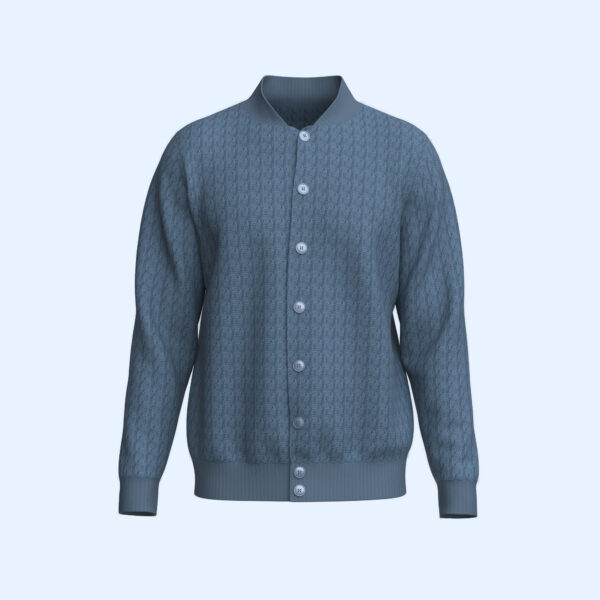
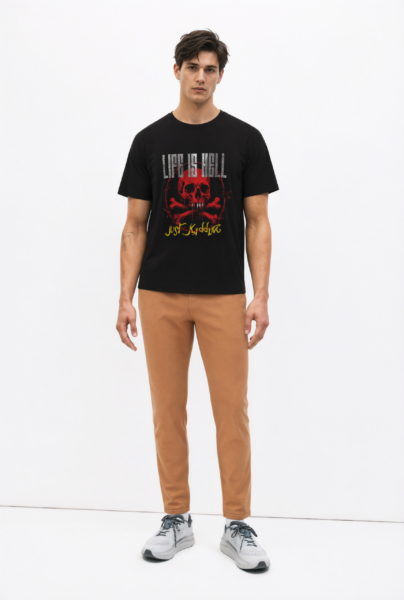
BCKHEA00369 is a detailed Digital Fabric 3D apparel model prepared for digital fashion workflows, ecommerce product visualization and collection planning. The asset highlights Dusty Pink, giving fashion teams a clear product view before physical sampling.
Use this digital garment for virtual showroom pages, merchandising reviews, design presentations, online catalog imagery and apparel development discussions. It helps buyers, designers and production teams evaluate silhouette, styling direction and product story with consistent front-facing visual clarity.
Binarycloth builds product visuals for brands that need faster sampling, cleaner campaign assets and scalable digital product content. This Digital Fabric model supports modern apparel workflows where accurate 3D visualization reduces repeated sample rounds and keeps product teams aligned.
Frequently Asked Questions
Can I reuse this digital fabric across my own 3D garments?
Absolutely. Once digitized, the fabric material is yours to apply to any number of 3D garments, colourways and collections.
How many fabrics can you digitize at once?
We work in batches with a minimum of 10 fabrics, so you can build a full digital material library for your line in one go.
What files do I receive for this digital fabric?
You receive ready-to-use PBR material files (U3M/ZFAB plus texture maps) that drop straight into CLO3D, Browzwear and standard 3D workflows.
Will this fabric drape and behave realistically in 3D?
Yes — we capture weight, stretch and surface detail so the fabric drapes and folds true to life on 3D garments in CLO3D and other simulators.
How much does it cost to digitize a fabric like this?
Fabric digitalization starts from $15 per material. A flatbed scan is from $9.99 and premium Vizoo scanning from $30, with a minimum order of 10 fabrics. Request a quote.
Can you match this fabric to a physical swatch I send?
Yes — send us your physical swatch and we scan and colour-match it into an accurate digital fabric for your 3D samples.